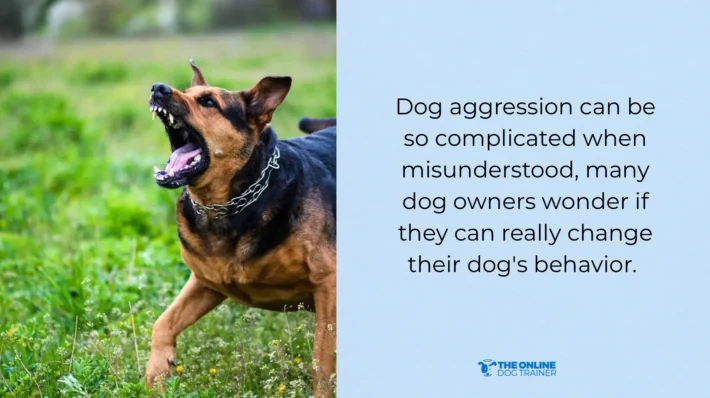
Is your dog showing signs of aggression that worry you? You’re not alone, and the good news is, aggressive behavior can be changed.
Imagine a calmer, happier dog that listens and trusts you more every day. This isn’t just a dream—it’s possible with the right approach. You’ll discover simple, effective ways to modify aggressive behavior and build a stronger bond with your furry friend.
Keep reading, because your dog’s transformation starts here.
Credit: theonlinedogtrainer.com
Causes Of Aggression In Dogs
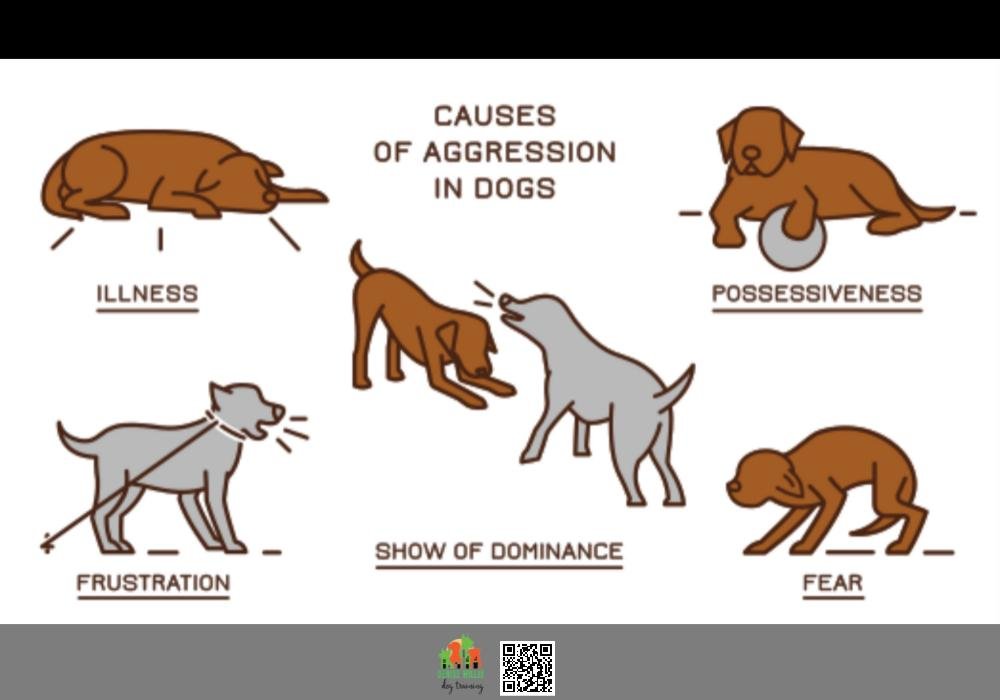
Aggression in dogs can come from many different causes. Understanding these causes helps in managing and changing this behavior.
Some dogs are naturally more aggressive because of their genes. Others show aggression due to their surroundings or health problems.
Genetic Factors
Some dog breeds have a higher chance of aggression due to their genetics. These traits can be passed from parents to puppies.
Genetic factors influence how a dog reacts to threats and stress. Aggression may be part of their natural defense.
- Breed tendencies affect aggression levels
- Inherited traits shape behavior patterns
- Early genetics can set the tone for future reactions
Environmental Triggers
Dogs react to their surroundings. Loud noises, strange people, or other animals can cause aggression.
Negative experiences or lack of socialization make dogs more fearful and aggressive. Stressful places increase aggressive behavior.
- Fear from new or strange situations
- Territorial behavior in certain places
- Protectiveness over food, toys, or family
Health-related Issues
Pain or illness can make a dog aggressive. Dogs in pain may growl or bite to protect themselves.
Some medical problems affect the brain or hormones. These changes can lead to sudden aggressive actions.
- Injuries causing pain and discomfort
- Neurological disorders affecting behavior
- Hormonal imbalances increasing irritability
Recognizing Aggressive Behavior
Understanding aggressive behavior in dogs is crucial for safety. Knowing the signs helps prevent potential issues.
Dogs show aggression in many ways. Recognizing these behaviors can help manage them effectively.
Common Signs And Signals
Dogs often show aggression through body language. Watching these signs can help identify aggression early.
- Growling or snarling
- Showing teeth
- Stiff body posture
- Barking aggressively
- Snapping or biting
Types Of Aggression
Aggression can vary by situation. Different types need different approaches for modification.
- Fear-based aggression
- Territorial aggression
- Protective aggression
- Possessive aggression
- Social aggression
Behavioral Patterns
Recognizing patterns in dog behavior is important. It helps in understanding triggers and managing responses.
Some dogs react aggressively in specific situations. Identifying these patterns is key to modification.
Safety First
Dealing with aggressive dog behavior requires careful attention to safety. Keeping yourself and others safe is the top priority. Understanding how to protect and handle such situations helps prevent injuries.
This guide covers key safety steps for managing aggressive episodes and the use of safety equipment.
Protecting Yourself And Others
Always stay calm and avoid sudden movements around an aggressive dog. Keep other people and pets away from the area. Use clear, firm commands to control the situation.
- Maintain a safe distance from the dog
- Do not stare directly into the dog’s eyes
- Remove children and other pets from the room
- Keep escape routes open for yourself and others
- Call for professional help if needed
Handling Aggressive Episodes
During an aggressive episode, stay composed. Avoid yelling or physical punishment as this can worsen the behavior. Use slow, deliberate movements to calm the dog.
- Speak in a soft, steady voice
- Turn your body slightly to the side to appear less threatening
- Distract the dog with a toy or treat if safe to do so
- Do not try to grab or restrain the dog aggressively
- Seek help from a trained animal behaviorist
Using Safety Equipment
Safety equipment reduces risks during training or emergencies. Use gear designed to protect both you and the dog.
| Equipment | Purpose | Tips |
| Muzzle | Prevents biting | Introduce slowly and calmly |
| Leash | Maintains control | Use a strong, non-retractable leash |
| Protective Gloves | Protects hands from bites | Wear during handling if needed |
| Safety Gates | Keeps dog confined | Use to separate dog from others |
Positive Reinforcement Techniques
Positive reinforcement is a safe way to change aggressive dog behavior. It uses rewards to encourage good actions.
This approach helps dogs learn calm and friendly behavior over time. It builds a happy, trusting bond.
Reward-based Training
Reward-based training gives dogs treats or praise when they behave well. This shows them what you want.
Use small treats or toys as rewards. Give them right after the good action to help your dog connect the reward.
- Give treats for calm behavior
- Praise your dog with a happy voice
- Use toys as special rewards
- Keep training sessions short and fun
Building Trust And Bond
Aggressive dogs need trust to feel safe. Spend quiet time with your dog every day.
Gentle petting and calm talking help build your bond. A strong bond makes training easier and more effective.
- Offer affection without forcing contact
- Talk softly to calm your dog
- Respect your dog’s space and limits
- Be patient and kind in all interactions
Consistency And Patience
Changing aggressive behavior takes time. Use the same commands and rewards every day.
Stay patient if your dog slips. Repeat training and rewards consistently to help your dog learn new habits.
- Train daily for best results
- Use clear, simple commands
- Reward even small improvements
- Do not punish mistakes
Desensitization And Counter-conditioning
Aggressive dog behavior can be changed using special training techniques. Desensitization and counter-conditioning help dogs feel calm and safe.
These methods teach dogs to react differently to triggers that cause aggression. The goal is to reduce fear and build positive feelings.
Reducing Fear And Anxiety
Fear often causes aggressive behavior in dogs. Lowering this fear helps the dog stay calm and less reactive.
Desensitization slowly exposes the dog to what scares them. Counter-conditioning pairs the scary thing with something good, like treats.
- Start with low-level triggers that do not upset the dog
- Give treats and praise to create positive feelings
- Avoid forcing the dog into scary situations
Step-by-step Exposure
Expose the dog to triggers in small, controlled steps. This helps the dog get used to the trigger without fear.
Each step should be easy for the dog to handle. Increase the challenge only when the dog stays calm.
- Identify the dog’s triggers
- Start at a distance where the dog feels safe
- Use treats and praise during exposure
- Slowly get closer or increase trigger intensity
- Stop if the dog shows stress or fear
Monitoring Progress
Keep track of how the dog reacts to each exposure. Note signs of stress, calmness, or aggression.
Adjust the training pace based on the dog’s comfort. Progress is different for every dog.
- Record reactions after each session
- Celebrate small improvements
- Repeat steps that cause stress
- Consult a trainer if progress stalls
Credit: theonlinedogtrainer.com
Professional Help And Tools
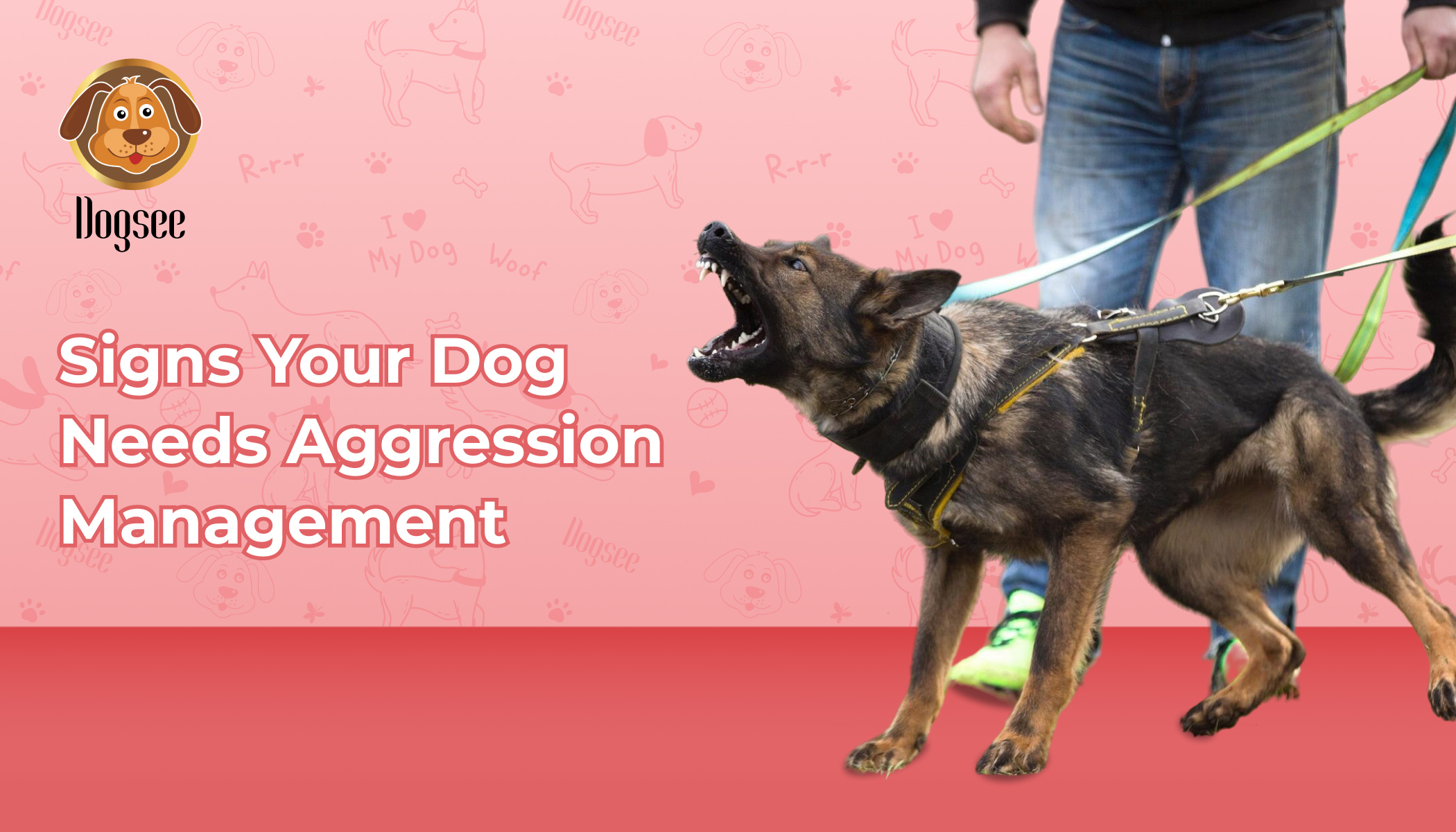
Aggressive dog behavior can be dangerous. Getting professional help is important to keep everyone safe.
There are many tools and treatments that can help change a dog’s aggressive actions. These include trainers, special equipment, and medication.
When To Consult A Trainer Or Behaviorist
If your dog shows signs of biting, growling, or lunging, it is time to ask a professional for help. Trainers and behaviorists know how to handle aggression safely.
They can watch your dog’s behavior and teach you ways to calm and control your dog. Early help can stop problems from getting worse.
Use Of Muzzles And Leashes
Muzzles and leashes are important tools for managing aggressive dogs. They keep your dog and others safe in public places.
A muzzle prevents biting, while a strong leash helps control sudden moves. Both tools give you more control during training and walks.
- Muzzles must fit properly and be comfortable
- Leashes should be sturdy and about 4 to 6 feet long
- Use these tools only as part of a training plan
Medication And Veterinary Support
Sometimes, aggression has a medical cause. A vet can check if your dog has pain or illness that makes it aggressive.
In some cases, medication helps lower anxiety and aggression. Vets can guide you about safe medicines and doses.
- Medications may reduce fear or stress
- Always use medicine under vet supervision
- Medication works best with training and behavior changes
Preventing Future Aggression
Aggressive behavior in dogs can be dangerous. Preventing future aggression is key for safety.
Using good strategies helps dogs stay calm and friendly in many situations.
Socialization Strategies
Socializing dogs early helps them feel comfortable around people and other animals. It lowers fear and aggression.
Introduce your dog to new places, sounds, and friendly dogs in a safe way. This builds good habits.
- Start socialization when the dog is young
- Use calm, positive experiences only
- Keep meetings short and controlled
- Reward calm and friendly behavior
Ongoing Training Tips
Training must continue even after the dog learns basic commands. This keeps good behavior strong.
Use clear commands and reward your dog for listening. Avoid yelling or punishment.
- Practice commands daily in different places
- Reward calm behavior with treats or praise
- Teach your dog to focus on you
- Use consistent rules for all family members
Environmental Management
Change the dog’s environment to reduce triggers for aggression. This helps keep everyone safe.
Remove or avoid things that make your dog nervous or angry. Provide safe spaces for your dog to relax.
- Use fences or gates to control access
- Keep your dog away from stressful situations
- Provide a quiet area with toys and bedding
- Monitor your dog’s body language closely
Credit: www.dogseechew.in
Frequently Asked Questions
What Causes Aggressive Dog Behavior?
Aggressive dog behavior often stems from fear, pain, territorial instincts, or poor socialization. Identifying the cause helps tailor effective modification strategies. Early intervention and consistent training can prevent escalation and improve your dog’s behavior safely.
How Can I Safely Modify Aggressive Dog Behavior?
Use positive reinforcement, avoid punishment, and consult a professional trainer. Consistent, calm handling helps reduce aggression. Gradual socialization and behavior modification exercises improve your dog’s response to triggers over time.
When Should I Seek Professional Help For Aggression?
Seek professional help if aggression is severe, sudden, or worsening. Experts provide tailored behavior plans and ensure safety for you and others. Early expert intervention often leads to better outcomes.
Can Aggressive Behavior Be Completely Cured?
Aggressive behavior can be managed effectively but may not be fully cured. Consistent training, environment management, and professional guidance help reduce aggression and improve your dog’s quality of life.
Conclusion
Aggressive dog behavior can improve with time and care. Consistent training helps build trust between you and your dog. Patience matters most during the behavior change process. Small steps lead to big progress in behavior. Stay calm and firm to guide your dog well.
Seeking help from a professional trainer can support your efforts. Remember, every dog learns differently and at its own pace. Your dedication makes a real difference in their behavior. Keep working gently and watch your dog grow calmer.

Emily Barker is the founder of ChillDogLife.com, a space dedicated to helping pup parents discover the best dog products, lifestyle tips, and cozy ideas for happier homes.
A lifelong dog lover, Emily combines her passion for pets with a knack for research to share trusted recommendations on everything from toys and furniture to health and everyday care.
Her goal is simple: to make life easier, stylish, and more joyful for dogs and the people who love them.




