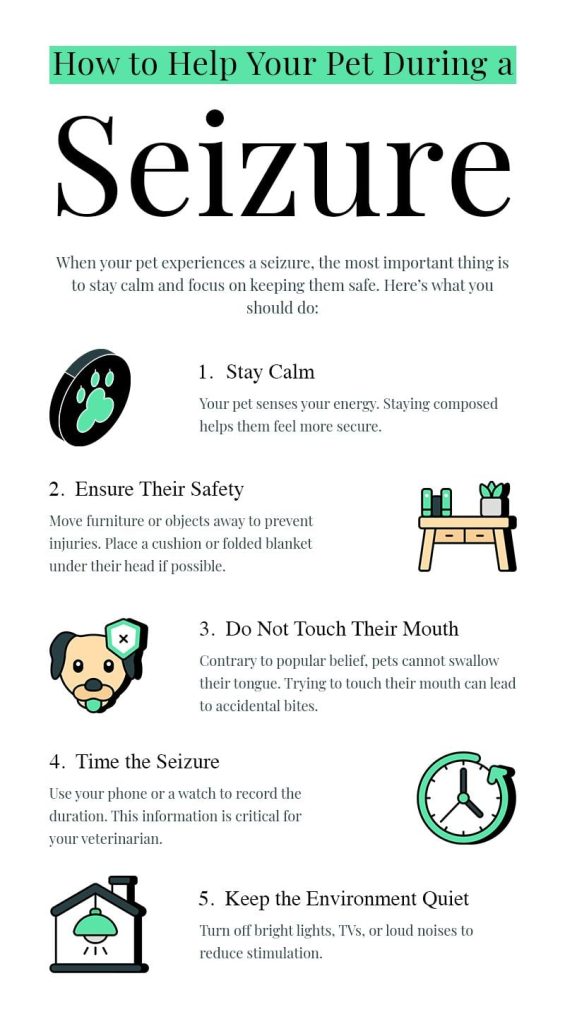
If your dog has just experienced a seizure, you might be feeling worried and unsure about what comes next. You’re not alone, and understanding your dog’s behavior after a seizure is key to helping them recover and feel safe.
You’ll discover what changes to expect, how to support your furry friend, and when to seek help. Keep reading to learn how to make this challenging time easier for both you and your dog.

Credit: pawswithacause.org
Common Post-seizure Behaviors
Dogs often show different behaviors after a seizure. These changes can last from minutes to hours. Understanding these behaviors helps owners provide better care.
Each dog reacts in a unique way, but some behaviors are common. Owners should watch closely and note any changes.
Confusion And Disorientation
After a seizure, dogs may seem confused or lost. They may not recognize people or their surroundings. This can last for a short time.
During this phase, dogs might:
- Wander aimlessly
- Stare blankly
- Have trouble following commands
- Seem anxious or scared
Lethargy And Fatigue
Many dogs feel very tired after a seizure. They may sleep more than usual or rest quietly. This helps their body recover.
Fatigue can last from a few hours to a full day. It is important to let the dog rest without disturbance.
Changes In Appetite
Seizures can affect a dog’s desire to eat. Some dogs lose interest in food, while others may eat less than usual.
| Behavior | Description |
| Decreased appetite | Dog refuses or ignores food for a short period |
| Normal appetite | Dog returns to usual eating habits after recovery |
| Increased appetite | Rare cases where dog seems hungrier than normal |
Temporary Blindness Or Sensory Changes
Some dogs may experience vision or other sensory problems after a seizure. This may include temporary blindness or difficulty hearing.
Signs of sensory changes include:
- Bumping into objects
- Not responding to sounds
- Appearing startled by touch
Credit: purrfectgrooming.pet
Emotional Changes In Dogs
Dogs can show many emotional changes after a seizure. These changes can affect their behavior and mood.
Understanding these emotions helps owners support their pets better during recovery.
Anxiety And Restlessness
After a seizure, dogs often feel anxious or restless. They may pace or seem unable to relax.
- Frequent pacing or walking in circles
- Whining or vocalizing more than usual
- Refusing to settle down or sleep
- Heightened alertness to sounds or movements
Aggression Or Irritability
Seizures can cause temporary changes in mood. Some dogs may become irritable or aggressive.
| Behavior | Possible Cause |
| Growling or snapping | Feeling scared or confused |
| Snapping at touch | Sensitivity after seizure |
| Guarding space or food | Stress or anxiety |
Seeking Comfort And Clinginess
Many dogs seek extra comfort after a seizure. They may want to stay close to their owners.
Signs your dog wants comfort:
- Following you around the house
- Leaning on you or resting their head on your lap
- Wanting to be held or petted more than usual
- Sleeping near you rather than alone
Physical Recovery Process
After a seizure, dogs need time to recover physically. The recovery can vary depending on the severity of the seizure.
Owners should watch their dog closely during this time. Understanding the recovery stages helps in providing proper care.
Regaining Coordination
Dogs often lose balance and coordination after a seizure. They may seem wobbly or confused as they try to stand or walk.
Patience is important while your dog relearns how to move. Gentle support can help if they are unsteady.
Muscle Soreness And Weakness
Seizures can cause muscle soreness and tiredness. Your dog might show signs of pain or reluctance to move.
- Provide a quiet, comfortable resting space.
- Limit exercise until muscles recover.
- Use gentle massages to soothe sore areas.
- Consult a vet if soreness lasts more than a few days.
Monitoring For Additional Seizures
Watching for more seizures is crucial in the recovery process. Note any changes in behavior or unusual movements.
| Signs to Watch For | What to Do |
| Stiffening or jerking movements | Contact your vet immediately |
| Confusion or disorientation | Keep your dog safe and calm |
| Sudden collapse | Seek emergency care |
| Repeated seizures within 24 hours | Urgent veterinary attention needed |
)
Credit: www.reedycreekvet.com.au
Home Care Tips After A Seizure
Seizures can be scary for both dogs and their owners. After a seizure, your dog needs special care to recover well. This guide helps you create the best home environment for your dog after a seizure.
Follow these tips to keep your dog safe, healthy, and calm during recovery. Proper care helps reduce the chance of future seizures.
Creating A Safe Environment
After a seizure, your dog may feel weak or confused. A safe space helps prevent injury and stress. Keep your home calm and free from hazards.
- Remove sharp or hard objects near your dog’s resting area
- Use soft bedding to provide comfort
- Keep the room quiet and dim to avoid startling your dog
- Block stairs or high places to prevent falls
- Stay close and watch for signs of another seizure
Providing Proper Nutrition And Hydration
Good nutrition and plenty of water help your dog heal after a seizure. Offer small, frequent meals and fresh water to keep energy up.
| Food Type | Why It Helps |
| High-quality protein | Supports muscle repair |
| Complex carbohydrates | Provides steady energy |
| Fresh water | Prevents dehydration |
| Healthy fats | Supports brain health |
Managing Stress And Stimuli
Stress and loud noises can trigger seizures. Keep your dog calm by limiting stress and controlling the environment.
Try these methods to reduce stress:
- Keep a regular daily routine
- Limit visitors and loud sounds
- Provide quiet time and gentle petting
- Use calming aids like soft music or pheromone diffusers
- Avoid sudden changes in your dog’s environment
When To Contact A Veterinarian
After your dog has a seizure, you might wonder if you need to call a vet. Some signs show that your dog needs medical care right away.
Knowing when to get help can keep your dog safe and healthy. Watch for certain behaviors and symptoms closely.
Prolonged Or Repeated Seizures
If your dog has a seizure that lasts more than five minutes, you should contact a veterinarian immediately. Long seizures can be dangerous and need quick treatment.
Also, if your dog has several seizures close together without fully waking up, call the vet. This pattern can mean serious health problems.
- Seizure lasting over 5 minutes
- Multiple seizures in one day
- Seizures occurring without full recovery between them
Unusual Or Severe Symptoms
Watch for symptoms that seem worse than usual after a seizure. If your dog acts very confused, weak, or has trouble walking, call your vet.
Other signs like difficulty breathing, bleeding, or extreme tiredness need urgent care. These symptoms can show serious health issues.
- Extreme confusion or disorientation
- Weakness or inability to stand
- Breathing problems
- Bleeding or injury
- Unusual behavior lasting hours
Medication Adjustments And Follow-ups
If your dog is on seizure medicine but still has seizures, contact your vet. The dose may need to change or new medicine might be needed.
Regular check-ups help your vet see how well the treatment works. Never change medication without talking to your vet first.
- Seizures continue despite medication
- Side effects from current medicine
- Regular vet visits for blood tests
- Changes in seizure frequency or severity
Preventing Future Seizures
After a dog experiences a seizure, it is crucial to take steps to prevent future seizures. Proper care, lifestyle modifications, and regular health check-ups can significantly reduce the risk of recurring seizures.
Medication Compliance
Ensuring your dog adheres to their prescribed medication regimen is vital in preventing future seizures. Administering the correct dosage at the right time can help maintain stable blood levels and reduce the risk of seizures.
- Always follow the veterinarian’s instructions for medication administration.
- Keep a medication calendar or use a pill box to stay organized.
- Do not miss or delay doses, as this can lead to increased seizure risk.
Regular Health Check-ups
Regular health check-ups with your veterinarian are essential to monitor your dog’s seizure activity and adjust their treatment plan as needed. This can help identify any underlying conditions that may be contributing to seizures.
| Health Check-ups | Frequency |
| Regular blood work | Every 6-12 months |
| Electroencephalogram (EEG) | Every 12-24 months |
| Imaging studies (MRI or CT scan) | As needed |
Lifestyle And Environmental Modifications
Making lifestyle and environmental modifications can also help reduce the risk of future seizures. These changes can include providing a calm and stress-free environment, ensuring adequate sleep, and avoiding triggers that may contribute to seizures.
- Changes in weather or temperature
- Stressful events or situations
- Loud noises or sudden movements
By following these guidelines and working closely with your veterinarian, you can help prevent future seizures and ensure your dog lives a healthy and happy life.
Frequently Asked Questions
How Does A Dog Behave Immediately After A Seizure?
Dogs often appear disoriented and confused right after a seizure. They may be restless, unsteady, or temporarily blind. This post-seizure phase, called the postictal period, can last from minutes to hours as your dog recovers.
Can Seizures Change A Dog’s Personality Long-term?
Yes, seizures can sometimes cause lasting personality changes. Dogs may become more anxious, withdrawn, or irritable. Monitoring behavior and consulting your vet can help manage these changes effectively.
What Signs Indicate A Dog Is Recovering From A Seizure?
Signs of recovery include regaining coordination, alertness, and normal behavior. Your dog may also become calm and tired. If these signs don’t appear, seek veterinary advice immediately.
Should I Comfort My Dog After A Seizure?
Yes, comforting your dog can ease their anxiety post-seizure. Use a calm voice and gentle petting to reassure them. Avoid sudden movements or loud noises during this sensitive time.
Conclusion
Dogs can act differently after a seizure. They may seem tired or confused. Some dogs become clingy, while others hide. Watching your dog closely helps you understand their needs. Keep their environment calm and safe. Talk to your vet about any behavior changes.
Patience and care help your dog recover well. Every dog is unique, so expect different reactions. Stay calm and supportive to help your pet feel secure.

Emily Barker is the founder of ChillDogLife.com, a space dedicated to helping pup parents discover the best dog products, lifestyle tips, and cozy ideas for happier homes.
A lifelong dog lover, Emily combines her passion for pets with a knack for research to share trusted recommendations on everything from toys and furniture to health and everyday care.
Her goal is simple: to make life easier, stylish, and more joyful for dogs and the people who love them.




