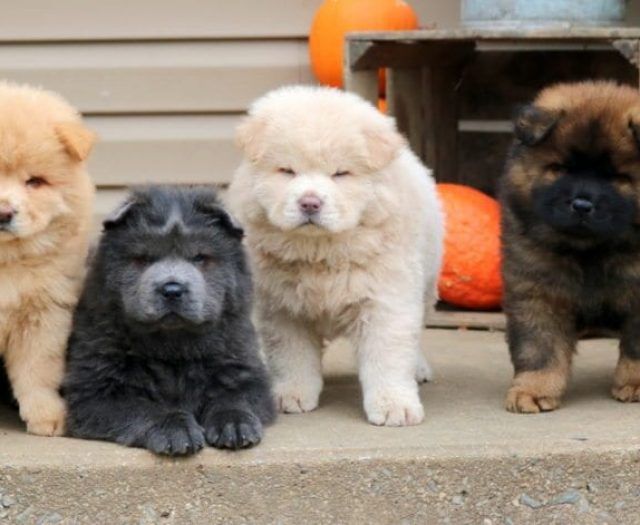
If you have a Chow dog or are thinking about getting one, understanding their unique behavior is key to a happy home. Chow dogs are known for their strong personalities and loyalty, but they can also be a bit mysterious and stubborn.
You might wonder why your Chow acts a certain way or how to handle their moods. This article will help you unlock the secrets behind your Chow’s behavior, so you can build a stronger bond and enjoy every moment together.
Keep reading to discover what makes your Chow tick and how you can bring out the best in your furry friend.
Credit: www.kingpet.uk
Chow Dog Personality
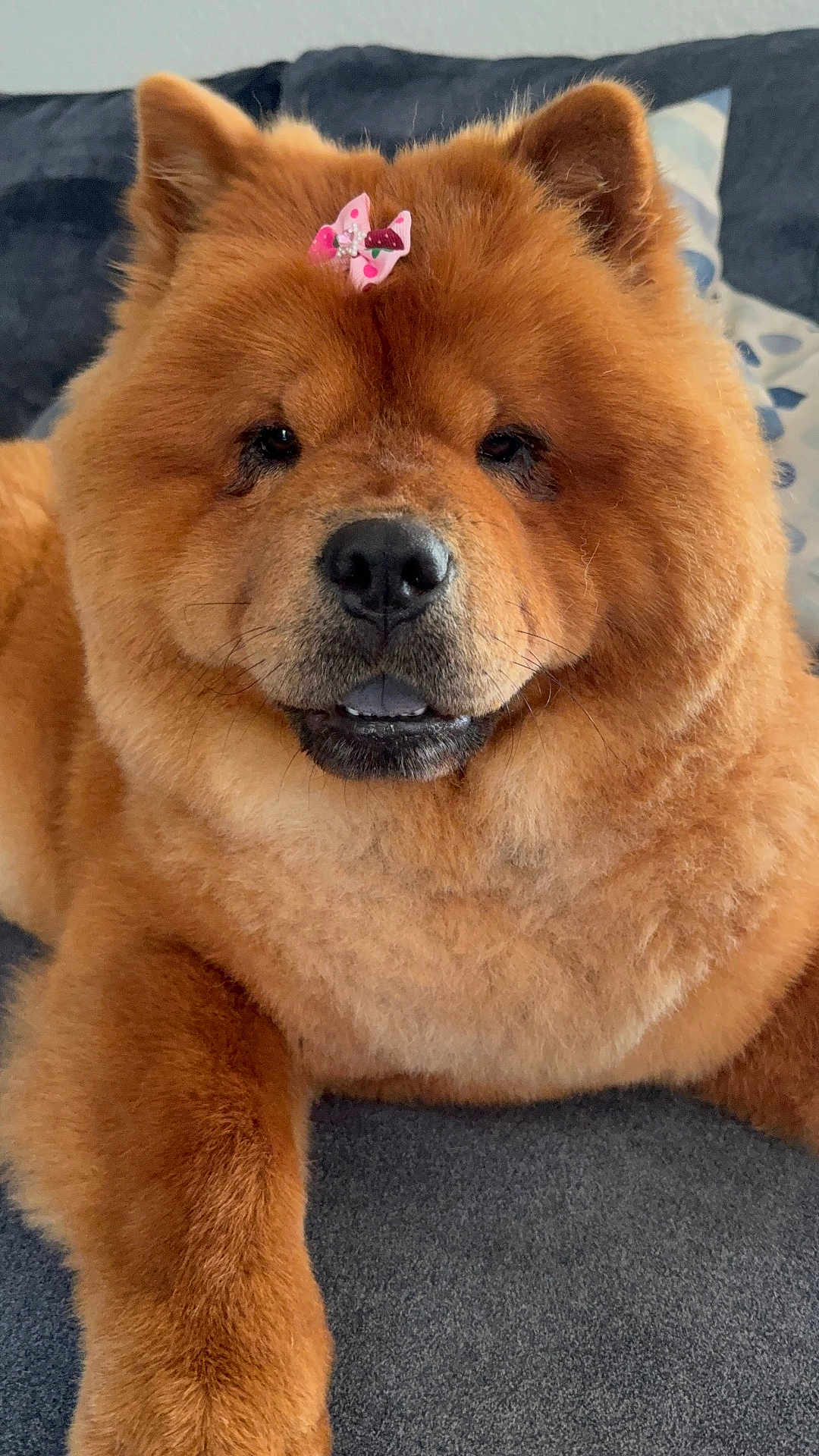
The Chow dog is a unique breed known for its bold and independent nature. Understanding their personality helps owners give proper care and attention.
Chows have strong character traits that influence how they behave at home and with others. Their personality makes them stand out among dog breeds.
Key Temperament Traits
Chow dogs often show loyalty and protectiveness toward their families. They can be reserved with strangers but very affectionate with loved ones.
- Independent and strong-willed
- Loyal to family members
- Alert and protective
- Calm but can be stubborn
- Quiet and dignified
Social Behavior Patterns
Chows need early socialization to get along well with people and other pets. They prefer calm environments and may not like loud crowds.
| Behavior | Description |
| With Family | Loving and protective |
| With Strangers | Reserved and cautious |
| With Other Dogs | Can be dominant; needs proper introduction |
| With Children | Gentle but supervision is needed |
Common Misconceptions
Many people think Chow dogs are always aggressive or unfriendly. This is not true if they get good training and love.
Chow dogs can be:
- Friendly with proper socialization
- Good family pets with patience
- Independent but not untrainable
Credit: www.kingpet.uk
Chow Dog Communication
Chow dogs use many ways to share their feelings and thoughts. Watching their actions helps us understand them better.
Knowing how a Chow dog talks without words can build a stronger bond. It helps keep them happy and safe.
Body Language Signals
Chow dogs show their mood through body movements. Their tail, ears, and posture tell a lot about how they feel.
- Tail position:A high tail means confidence, while a low tail shows fear.
- Ears:Forward ears show interest, back ears can mean stress.
- Posture:Standing tall means alertness; crouching can mean submission.
- Eye contact:Direct gaze may be a challenge; looking away shows calmness.
Vocalizations And Sounds
Chow dogs use sounds to express themselves. Barking, growling, and whining each have different meanings.
| Sound | Meaning |
| Bark | Alert or attention seeking |
| Growl | Warning or discomfort |
| Whine | Request or anxiety |
| Howl | Communication over distance |
Interpreting Behavior Cues
Understanding behavior cues helps read what a Chow dog wants or needs. Look for signs in their actions.
Common behavior cues include:
- Yawning when stressed or tired
- Licking lips to show nervousness
- Rolling over to show trust or submission
- Pacing when anxious or excited
Training Challenges
Training a Chow dog can be difficult because of its unique personality. These dogs have strong wills and often like to do things their own way.
Understanding the challenges helps owners train Chow dogs more effectively and build a better bond.
Stubbornness And Independence
Chow dogs are known for being stubborn and independent. They may ignore commands if they feel like it.
This behavior makes training slow and sometimes frustrating. Patience is key to dealing with their strong minds.
Motivation Techniques
Using rewards can help motivate a Chow dog. Treats, praise, and playtime work well to keep their interest.
Short, fun training sessions work best. Long sessions can make them lose focus or become bored.
- Use tasty treats as rewards
- Praise with a happy voice
- Keep training sessions brief
- Add play breaks for fun
Avoiding Common Pitfalls
Avoid harsh punishments when training a Chow dog. They respond better to positive methods.
Do not expect quick results. Training takes time and effort with this breed.
- Never use physical punishment
- Be consistent with commands
- Practice daily but keep it short
- Stay calm and patient always
Credit: pethelpful.com
Effective Training Methods
Training a Chow dog requires patience and clear communication. These dogs are smart but can be stubborn. Using the right training methods helps build a strong bond.
Effective training focuses on positive approaches and consistent routines. Socializing your Chow also plays a big role in their behavior.
Positive Reinforcement
Rewarding good behavior encourages your Chow to repeat it. Use treats, praise, or playtime as rewards. This helps your dog learn fast and stay motivated.
Ignore bad behavior instead of punishing it. This reduces fear and builds trust between you and your dog.
- Give treats immediately after good actions
- Use happy tones when praising
- Keep training sessions short and fun
- Be patient and consistent with rewards
Consistency And Routine
Chows respond well to a set schedule. Regular feeding, walking, and training times help them feel secure. Consistent rules prevent confusion.
Use the same commands for each behavior. This helps your dog understand what you want. Everyone in the family should follow the same rules.
- Train at the same time every day
- Use clear, simple commands
- Keep rules steady across family members
- Repeat training often for best results
Socialization Strategies
Introducing your Chow to new people and animals early helps reduce fear. Socialized dogs behave better and feel less stressed in new places.
Start socialization with calm, friendly dogs. Gradually expose your Chow to different environments and sounds. Always watch for signs of stress and give breaks.
- Arrange playdates with other dogs
- Visit parks and busy areas regularly
- Introduce new people gently and calmly
- Use treats to create positive experiences
Health And Wellness Impact
Chow dogs have unique health and wellness needs. Caring for their body and mind helps them live longer and happier.
Understanding their exercise, mental, and diet needs supports their overall health. Each area plays a key role in their wellbeing.
Exercise Needs
Chows need daily exercise to stay fit and avoid weight gain. They enjoy walks and playtime but prefer moderate activity.
- Two 20-minute walks every day
- Short play sessions in the yard
- Avoid very intense exercise to protect joints
- Regular activity helps reduce anxiety
Mental Stimulation
Keeping a Chow’s mind busy prevents boredom and destructive behavior. Use toys and training to engage them.
Try these mental activities:
- Puzzle feeders that hide treats
- Short training sessions with commands
- New toys that challenge problem-solving
- Social time with other dogs or people
Diet And Nutrition
A balanced diet helps maintain a Chow’s strong immune system and healthy coat. Watch their food quality and portions.
| Food Type | Benefits | Examples |
| High-Quality Protein | Builds muscle and strength | Chicken, fish, beef |
| Healthy Fats | Supports skin and coat health | Fish oil, flaxseed |
| Carbohydrates | Provides energy | Rice, sweet potatoes |
| Vitamins and Minerals | Boosts immune system | Fresh vegetables, supplements |
Frequently Asked Questions
What Are Common Chow Dog Behavior Traits?
Chow dogs are known for their independence, loyalty, and reserved nature. They can be aloof with strangers but affectionate with family. They also display strong territorial instincts and can be stubborn during training.
How Does A Chow Dog Behave With Children?
Chows can be protective and gentle with children they know well. Early socialization is crucial to ensure positive interactions. Supervision is recommended as they may be wary of unfamiliar kids.
Why Do Chow Dogs Appear Aloof Or Reserved?
Chows naturally have a dignified and calm demeanor. Their aloofness is a breed trait, not aggression. They often observe before engaging and bond closely with trusted individuals.
How To Manage Aggressive Behavior In Chow Dogs?
Early socialization and consistent training help reduce aggression. Positive reinforcement works best with Chows. Avoid harsh punishment, and seek professional help if aggression persists.
Conclusion
Chow dogs have unique behaviors that need patience and care. They can be loyal but sometimes stubborn. Training them early helps build good habits and trust. Socializing your Chow with people and pets is very important. Understanding their needs leads to a happy, well-behaved dog.
Keep learning about Chow behavior to enjoy your time together. A calm, consistent approach makes a big difference. Every Chow is special, and respect helps them thrive.

Emily Barker is the founder of ChillDogLife.com, a space dedicated to helping pup parents discover the best dog products, lifestyle tips, and cozy ideas for happier homes.
A lifelong dog lover, Emily combines her passion for pets with a knack for research to share trusted recommendations on everything from toys and furniture to health and everyday care.
Her goal is simple: to make life easier, stylish, and more joyful for dogs and the people who love them.




