Have you ever felt worried or confused about your dog’s sudden aggressive behavior? You’re not alone.
When your furry friend starts growling, snapping, or showing signs of anger, it can be scary and frustrating. But understanding why your dog acts this way is the first step to fixing the problem. You’ll discover what causes aggressive behavior in dogs and how you can help your pet feel calm and safe again.
Keep reading—your dog’s happiness and your peace of mind depend on it.
Causes Of Dog Aggression
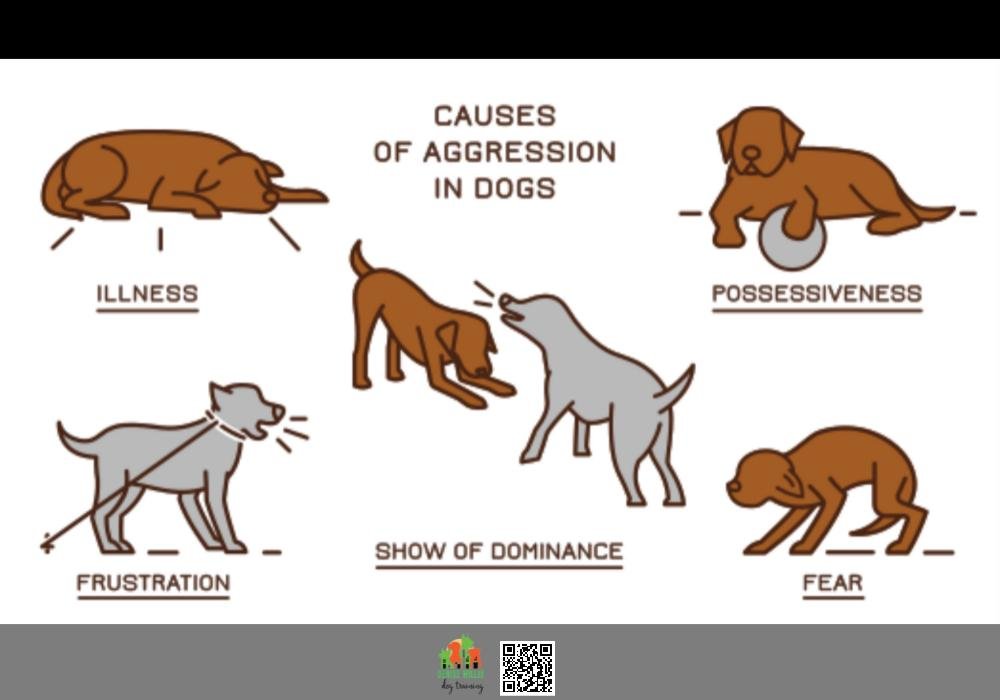
Aggressive behavior in dogs can be caused by many factors. Understanding these causes helps in managing and preventing aggression. Some causes are linked to genetics, environment, health, or emotions.
Each dog may show aggression for different reasons. Learning about these reasons is important for dog owners and trainers.
Genetics And Breed Traits
Some dog breeds have a natural tendency to be more protective or territorial. These traits come from their genetics. Breeds used for guarding or hunting may show more aggressive behavior.
- Breed history affects aggression levels.
- Inherited traits can make some dogs more alert or defensive.
- Not all dogs of a breed are aggressive, but genetics play a role.
Environmental Factors
A dog’s surroundings can influence its behavior. Poor socialization or harsh training may increase fear and aggression. Loud noises or crowded places can also make dogs nervous.
| Environmental Factor | Effect on Dog Behavior |
| Lack of socialization | Fear and distrust of strangers |
| Harsh punishment | Increased aggression and anxiety |
| Stressful environment | Defensive or aggressive reactions |
| Overcrowding | Territorial disputes and fights |
Health Issues
Illness or pain can make dogs irritable. Some health problems cause aggression because the dog wants to protect itself. Regular vet checks help find hidden issues that affect behavior.
- Injuries may cause sudden aggression.
- Hormonal changes can influence mood.
- Neurological conditions may affect control.
Fear And Anxiety
Fear is a common cause of aggression in dogs. An anxious dog may bite to protect itself. Loud noises, new places, or strangers can trigger fear-based aggression.
Signs of fear and anxiety in dogs:
- Trembling or shaking
- Growling or barking
- Hiding or avoiding people
- Showing teeth or snapping
Credit: www.click2houston.com
Types Of Aggressive Behavior
Dogs show aggression in different ways. Understanding these types helps owners handle their pets better.
Aggression can be caused by many reasons. Each type has unique signs and triggers.
Territorial Aggression
Territorial aggression happens when a dog protects its space. The dog may growl or bark at strangers.
This behavior is common near the dog’s home or yard. Dogs feel the need to guard their territory.
- Growling or barking at intruders
- Showing teeth when someone approaches
- Blocking entry to a specific area
Protective Aggression
Protective aggression occurs when dogs defend their family. They act to keep loved ones safe.
Dogs may become aggressive if they sense danger to their owner. This can include strangers or other animals.
- Standing between owner and threat
- Growling or snapping at perceived danger
- Showing alert body language
Fear-based Aggression
Fear-based aggression happens when a dog feels scared. The dog may bite or growl to protect itself.
These dogs try to stop threats by warning others. This type of aggression needs careful handling.
- Hiding or cowering before aggression
- Snapping when cornered or trapped
- Showing tense body language
Play Aggression
Play aggression looks like rough play. Dogs may bite or jump but do not mean harm.
This behavior is common in puppies and young dogs. They learn bite inhibition over time.
- Mouth grabbing during play
- Chasing and pouncing on friends
- Quick, repeated biting without pain
Early Signs Of Aggression
Dogs show early signs of aggression before they act out. Watching these signs helps keep everyone safe.
Noticing early signals can help stop aggressive behavior from getting worse.
Body Language Cues
Body language shows how a dog feels inside. Watch for stiff movements or tense muscles.
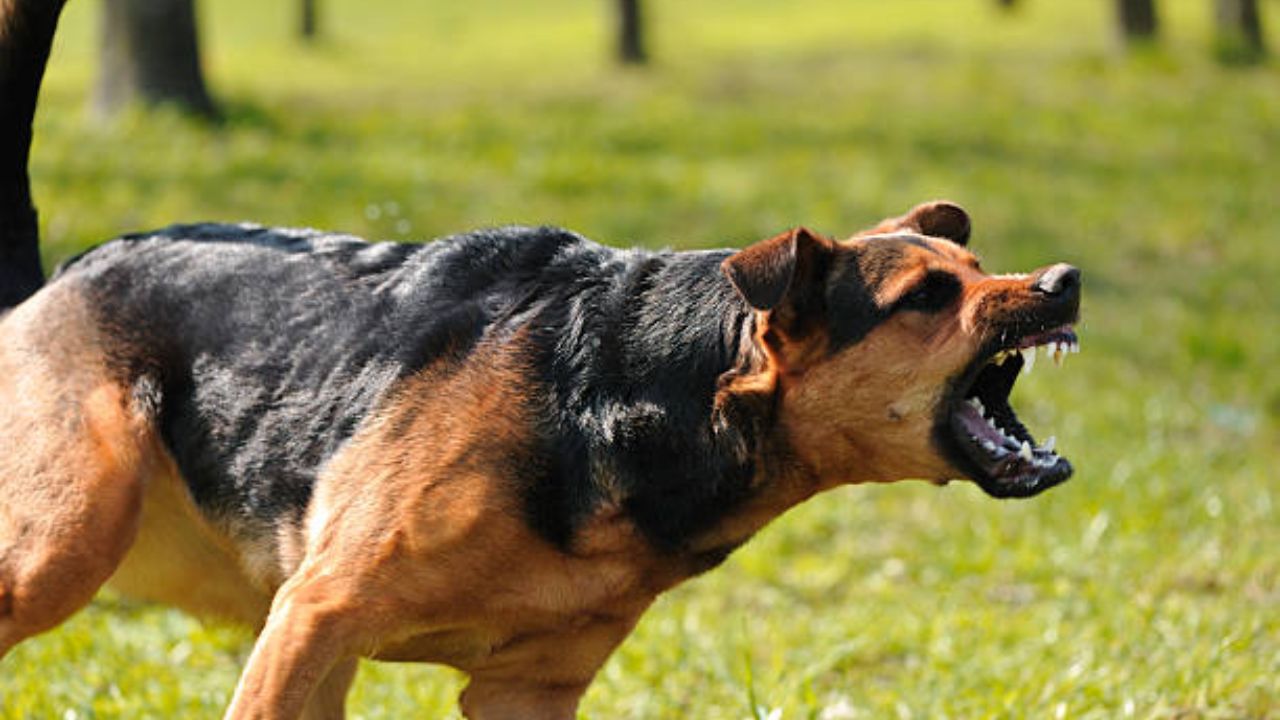
Signs like raised hackles or a fixed stare may mean the dog feels threatened or upset.
- Stiff posture with muscles tight
- Raised fur along the back (hackles)
- Direct, hard staring at a person or animal
- Lips pulled back showing teeth
- Tail held high and still or tucked low
Vocalizations
Sounds a dog makes can warn of aggression. Growling is a common early sign.
Barking in a low, harsh tone or snapping noises also show discomfort or anger.
- Growling or deep snarling
- Low, loud barking
- Snapping without biting
- Whining with tension
Behavioral Changes
Changes in how a dog acts can show aggression is growing. Watch for sudden mood shifts.
A dog might avoid people, hide, or show irritation more than usual.
- Sudden growling at familiar people or animals
- Increased irritability or snapping
- Avoiding eye contact or hiding
- Refusing to obey commands
- Guarding food or toys aggressively
Preventing Aggression In Dogs
Aggressive behavior in dogs can cause many problems for owners and others. Preventing aggression helps keep dogs safe and happy.
Owners need to understand key steps to stop aggressive habits before they start. This guide covers four important areas.
Proper Socialization
Socializing your dog means exposing them to different people, animals, and places. This helps them feel calm and safe in new situations.
- Start socialization early in puppyhood.
- Introduce your dog to other friendly dogs.
- Allow gentle meetings with strangers.
- Visit parks and busy areas regularly.
- Watch for signs of fear or stress.
Consistent Training
Training your dog with clear rules helps them know what behavior is expected. Consistency is key to prevent confusion and aggression.
Use simple commands and repeat them often. Everyone in the family should follow the same rules for the dog.
Positive Reinforcement
Rewarding good behavior encourages your dog to repeat it. Treats, praise, and play can all be used as rewards.
| Type of Reward | When to Use |
| Treats | After obeying commands |
| Praise | When calm and gentle |
| Playtime | For good social behavior |
Safe Environment Setup
A calm and safe space reduces stress that can cause aggression. Your dog should have a quiet place to rest and feel secure.
Tips to create a safe environment:
- Keep your dog’s area clean and free of hazards.
- Provide toys to reduce boredom.
- Limit loud noises and sudden movements.
- Separate your dog from triggers that cause fear or anger.
Managing Aggressive Behavior
Aggressive behavior in dogs can be a challenge for owners. Understanding how to manage this behavior helps keep everyone safe.
Proper techniques and care improve your dog’s reactions and make your home peaceful.
Calm And Assertive Leadership
Dogs respond well to calm and firm leaders. Show confidence without being harsh or loud.
Clear rules and consistent actions build trust and reduce fear-based aggression.
Avoiding Triggers
Identify what causes your dog’s aggression. Avoiding these triggers prevents many problems.
- Keep your dog away from strangers if it feels scared
- Limit exposure to loud noises or crowded places
- Watch for signs of stress and remove your dog early
- Do not force interactions with other animals or people
Behavior Modification Techniques
Behavior changes require time and patience. Use positive methods to teach new habits.
| Technique | Description |
| Desensitization | Gradually expose dog to trigger at low levels |
| Counter-Conditioning | Change dog’s reaction by pairing trigger with good things |
| Reward Training | Give treats for calm and non-aggressive behavior |
| Redirect Attention | Use toys or commands to focus dog away from triggers |
Seeking Professional Help
Sometimes aggressive behavior needs expert support. Trainers and vets offer guidance.
Look for professionals who:
- Have experience with aggressive dogs
- Use positive and humane methods
- Work with you to understand your dog’s needs
- Provide clear training plans and follow-up

Credit: pupford.com
Training Tools And Techniques
Aggressive behavior in dogs can be managed with the right tools and techniques. Training helps in building trust and reducing aggression in dogs.
Using effective tools and consistent methods is crucial for success. Here are some options to consider.
Leash And Collar Options
Leashes and collars are basic tools for dog training. They help control movement and ensure safety.
Choose the right type based on your dog’s behavior and comfort. The goal is to have a secure yet gentle hold.
- Flat collars for everyday use
- Martingale collars for better control
- Head collars to guide direction
- No-pull harnesses to reduce pulling
Clicker Training
Clicker training is a positive reinforcement technique. It uses a clicker to mark good behavior.
Each click is followed by a treat, making it clear to the dog what is expected.
- Simple to use and understand
- Encourages positive behavior
- Effective for various commands
- Builds a strong bond between dog and owner
Desensitization And Counterconditioning
Desensitization reduces reaction to triggers by gradual exposure. Counterconditioning changes the dog’s response to these triggers.
These techniques require patience and consistency but are effective in long-term behavior change.
| Trigger | New Response |
| Loud noises | Calm behavior with treats |
| Strangers | Positive interaction with rewards |
| Other dogs | Relaxed walking with praise |
When To Consult A Veterinarian
If your dog shows aggressive behavior, it’s important to seek help. A veterinarian can identify causes and suggest solutions.
Aggression can be linked to health issues. Consulting a vet is a smart first step.
Rule Out Medical Causes
Medical problems can lead to aggression in dogs. Pain or discomfort might be the cause.
- Check for any injuries or sores.
- Observe if your dog has trouble eating or moving.
- Notice if your dog is more tired than usual.
Medication Options
Medications can help manage aggressive behavior. A vet may prescribe them if necessary.
| Medication Type | Purpose |
| Anti-anxiety | Reduces stress |
| Antidepressants | Improves mood |
| Pain relievers | Alleviates discomfort |
Behavioral Therapy Support
Behavioral therapy is useful for changing aggressive habits. A specialist can guide you and your dog.
Safety Tips For Owners And Others
Aggressive behavior in dogs can be dangerous for owners and others nearby. Understanding how to stay safe helps prevent accidents.
Knowing how to handle aggressive episodes and interact safely protects everyone around the dog.
Handling Aggressive Episodes
Stay calm and avoid sudden moves when a dog acts aggressively. Do not shout or hit the dog.
Give the dog space and remove any triggers if possible. Use a calm voice to help soothe the dog.
- Do not stare into the dog’s eyes
- Move slowly away from the dog
- Use barriers like doors or fences if needed
- Call a professional if aggression continues
Safe Interaction Guidelines
Always ask the owner before touching a dog. Watch the dog’s body language for signs of stress or fear.
Approach slowly and let the dog sniff you first. Avoid quick movements or loud noises around the dog.
- Keep hands low and fingers closed
- Do not hug or corner the dog
- Respect the dog’s personal space
- Supervise children around dogs at all times
Preventing Bites And Injuries
Train and socialize your dog early to reduce aggressive behavior. Use positive reinforcement to reward good behavior.
Keep dogs on a leash in public places. Use muzzles if needed to protect others safely.
- Do not leave aggressive dogs unsupervised
- Teach children how to behave around dogs
- Remove toys or food that cause guarding behavior
- Seek help from a vet or trainer for aggression issues
Credit: theonlinedogtrainer.com
Frequently Asked Questions
What Causes Aggressive Behavior In Dogs?
Aggressive behavior in dogs often results from fear, pain, or territorial instincts. Lack of socialization and past trauma can also trigger aggression. Understanding these causes helps in managing and preventing aggressive episodes effectively.
How Can I Safely Handle An Aggressive Dog?
Stay calm and avoid direct eye contact with the dog. Use a firm, gentle voice to command the dog. Always prioritize safety and seek professional help if aggression persists or worsens.
Can Aggressive Behavior In Dogs Be Trained Away?
Yes, with consistent training and positive reinforcement, many aggressive behaviors can be managed. Professional trainers can create tailored plans to reduce aggression safely and effectively.
When Should I Consult A Vet About Dog Aggression?
Consult a vet if aggression is sudden, severe, or linked to pain. Medical issues like infections or neurological problems may cause aggressive behavior, needing immediate attention.
Conclusion
Aggressive behavior in dogs needs careful attention and patience. Understanding why your dog acts this way helps a lot. Training and socializing your dog can reduce aggression. Always stay calm and consistent with your approach. Seek help from a professional when needed.
Safe and happy dogs come from love and good care. Keep learning and working with your dog every day. Small steps lead to big changes in behavior. Your efforts make a difference for a peaceful home.

Emily Barker is the founder of ChillDogLife.com, a space dedicated to helping pup parents discover the best dog products, lifestyle tips, and cozy ideas for happier homes.
A lifelong dog lover, Emily combines her passion for pets with a knack for research to share trusted recommendations on everything from toys and furniture to health and everyday care.
Her goal is simple: to make life easier, stylish, and more joyful for dogs and the people who love them.




