
Is your dog showing signs of aggressive behavior? You’re not alone, and the good news is that you can help your furry friend become calmer and more balanced.
Understanding how to train a dog with aggressive tendencies can feel overwhelming, but with the right approach, you can make a real difference. This guide will walk you through simple, effective steps that protect both you and your pet while building trust and respect.
Keep reading to discover practical techniques that will transform your dog’s behavior—and your relationship with them.
Causes Of Aggression In Dogs
Aggression in dogs can be a serious concern for owners. Understanding why dogs act aggressively helps in training them properly.
There are several causes of aggression. These include genetics, environment, health, and emotional state.
Genetic Factors
Some dogs inherit aggressive traits from their parents. Breeds may have different levels of aggression.
Genetics alone do not decide behavior. Training and environment also shape how dogs act.
Environmental Triggers
Things around a dog can cause aggression. Loud noises, strangers, or new places may trigger aggressive responses.
Changes in the dog’s daily routine or home can also cause stress and aggression.
- New people or animals in the home
- Loud or sudden noises
- Changes in living conditions
- Being confined or crowded
Health Issues
Pain or illness can make a dog aggressive. Dogs may bite if they feel hurt or weak.
Dental problems, injuries, or chronic diseases often cause discomfort and irritability.
- Arthritis or joint pain
- Dental pain or mouth injuries
- Skin problems causing itchiness
- Neurological disorders
Fear And Anxiety
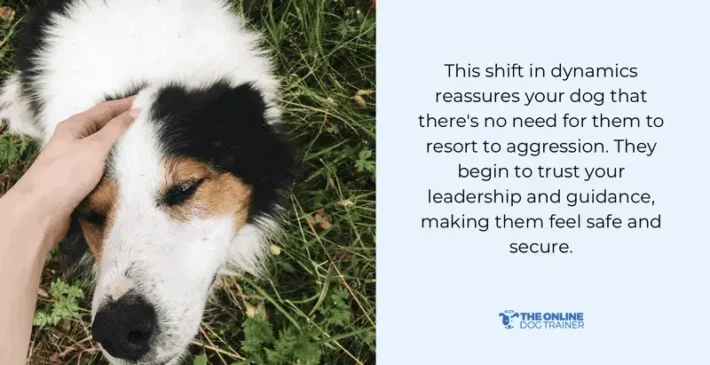
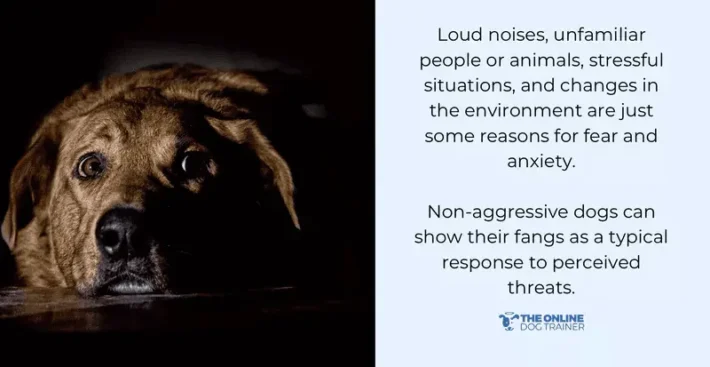
Fear is a common cause of aggression. Dogs may act aggressively to protect themselves.
Anxiety from separation or loud noises can also lead to aggressive behavior in dogs.
- Fear of strangers or new places
- Separation anxiety when alone
- Reaction to loud sounds like thunder
- Past traumatic experiences
Credit: theonlinedogtrainer.com
Recognizing Aggressive Behavior
Aggressive behavior in dogs can be dangerous. It is important to spot signs early. Recognizing these signs helps keep everyone safe.
Understanding your dog’s aggression helps in training and managing their behavior. This guide explains key signs to watch for.
Body Language Signs
Dogs use their body to show how they feel. Aggressive dogs often show clear body signals. Watch your dog’s posture and movements closely.
- Raised hackles (fur on the neck stands up)
- Stiff body and tail
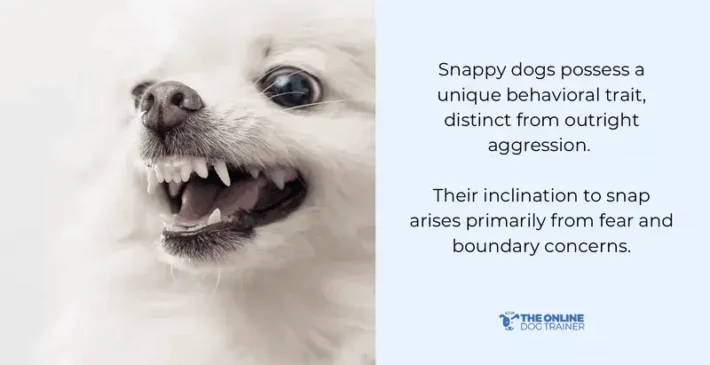
- Bared teeth or snarling
- Growling or snapping
- Direct, hard stare
- Ears pinned back or standing tall
- Rapid, tense breathing
Types Of Aggression
Aggression in dogs has different causes. Each type needs a different approach for training and safety.
- Fear aggression:Dog feels scared and tries to protect itself.
- Territorial aggression:Dog guards its space or property.
- Possessive aggression:Dog protects food, toys, or people.
- Redirected aggression:Dog attacks a nearby target after being upset.
- Social aggression:Dog fights with other dogs or animals.
When To Seek Help
If aggressive behavior is severe or gets worse, get professional help. Early help can prevent injuries and improve your dog’s life.
Contact a certified dog trainer or a veterinary behaviorist if your dog:
- Shows frequent or intense aggression
- Attacks people or other pets
- Has sudden behavior changes
- Is hard to control or calm down
Basic Training Principles
Training dogs with aggressive behavior needs care and clear rules. Using the right principles helps change their actions.
Good training builds trust and improves how dogs respond to commands. It also keeps everyone safe.
Positive Reinforcement
Positive reinforcement means giving rewards when a dog behaves well. It helps the dog learn good habits faster.
Rewards can be treats, praise, or playtime. This makes the dog want to repeat the good behavior.
- Give treats right after good behavior
- Use calm, happy voice for praise
- Keep rewards small and frequent
Consistency And Patience
Consistent training means using the same commands and rules every time. Dogs learn best with clear signals.
Patience is key because change takes time. Dogs with aggression may need longer to adjust.
- Use the same words for commands
- Train at the same time each day
- Stay calm even if progress is slow
Avoiding Punishment
Punishing aggressive dogs can make them more fearful or angry. Avoid yelling or hitting the dog.
Focus on teaching what the dog should do. Use rewards to guide good behavior, not fear.
- Do not use physical punishment
- Ignore bad behavior when safe
- Redirect attention to positive acts
Behavior Modification Techniques
Training dogs with aggressive behavior needs careful methods. These techniques help change how dogs react to triggers. The goal is to make dogs calmer and safer around people and other animals.
We focus on three main methods. Each method targets aggression in a different way. Trainers use these methods to help dogs learn new, positive responses.
Desensitization
Desensitization means slowly exposing your dog to things that cause fear or anger. Start with a low level of the trigger. Then, increase exposure as the dog stays calm. This lowers the dog’s aggressive reaction over time.
Counter-conditioning
Counter-conditioning changes a dog’s emotional response. It pairs a trigger with a positive experience. This helps the dog feel happy or relaxed instead of angry or scared. Trainers use treats, toys, or praise during this process.
- Identify the trigger causing aggression
- Pair the trigger with a reward
- Repeat often to build new associations
- Reduce rewards gradually as behavior improves
Redirecting Aggression
Redirecting aggression means guiding the dog’s energy to a safe activity. This technique stops aggressive acts before they happen. It also teaches the dog better ways to express feelings.
| Redirect Action | Description |
| Fetch a toy | Use play to shift focus |
| Practice commands | Give simple tasks to calm the dog |
| Use a chew item | Offer something safe to bite |
Tools And Equipment
Training dogs with aggressive behavior needs the right tools. These tools help keep both the dog and trainer safe. Using the correct equipment also improves training results.
This guide covers leashes and harnesses, muzzles, and training aids. Each section explains how these tools work and how to use them properly.
Leashes And Harnesses
Leashes and harnesses control your dog during training. They help guide the dog without causing harm. A strong leash and a well-fitting harness are key for managing aggressive dogs.
- Use a sturdy leash that resists pulling and chewing.
- Choose a harness that fits snugly but does not hurt the dog.
- A front-clip harness can reduce pulling and improve control.
- Avoid retractable leashes as they give less control.
- Check all equipment for damage before each use.
Muzzles
Muzzles keep everyone safe during aggressive dog training. They stop biting but allow the dog to breathe and pant. It is important to choose a muzzle the dog can wear comfortably.
| Muzzle Type | Features | Best Use |
| Basket Muzzle | Allows panting and drinking | Long training sessions |
| Soft Muzzle | Lightweight, less secure | Short vet visits |
| Leather Muzzle | Strong and durable | Short-term control |
Training Aids
Training aids help guide your dog’s behavior. They include items like clickers, treat pouches, and target sticks. These tools encourage positive responses during training.
- Clickers to mark good behavior
- Treat pouches to carry rewards
- Target sticks to teach focus
- Long training leads for distance control
- Whistles for recall commands
Credit: theonlinedogtrainer.com
Professional Support Options
Training a dog with aggressive behavior can be challenging. Professional support can make a big difference. There are various options to consider.
Choosing the right support is crucial for the safety and well-being of both the dog and owner. Let’s explore some of these options.
Choosing A Trainer
Finding the right trainer is important. Look for someone with experience in handling aggressive dogs. They should use positive reinforcement techniques.
- Check their certifications and credentials
- Ask for references from past clients
- Observe a training session if possible
When To Consult A Behaviorist
Sometimes, a behaviorist is needed for deeper issues. They can provide a detailed analysis of your dog’s behavior. This helps in creating a tailored plan.
Group Classes And Socialization
Group classes offer a controlled environment for socialization. They help dogs learn to interact with others safely. This is crucial for reducing aggression.
| Class Type | Benefits |
| Puppy Socialization | Early learning and play |
| Adult Dog Classes | Behavior correction and training |
| Advanced Training | Skills development and reinforcement |
Safety Measures For Owners
Training dogs with aggressive behavior requires careful safety steps. Owners must protect themselves and others.
Knowing how to manage aggression at home and prevent injuries is key. Being ready for emergencies helps keep everyone safe.
Managing Aggression At Home
Keep your dog’s environment calm and secure. Use barriers like gates to separate your dog from guests.
- Provide a quiet space for your dog to relax
- Use a muzzle during walks or visits if needed
- Do not punish aggressive behavior harshly
- Reward calm and good behavior with treats
- Teach family members how to safely interact with the dog
Preventing Bites And Injuries
Prevent bites by reading your dog’s body language. Avoid situations that cause stress or fear.
| Warning Signs | Owner Action |
| Growling or snarling | Step back slowly and give space |
| Stiff body posture | Avoid eye contact and remain calm |
| Snapping or lunging | Use a safe barrier and do not touch |
| Raised hackles | Distract with a toy or treat |
Emergency Preparedness
Be ready for emergencies by having a plan. Know what to do if a bite or attack happens.
- Keep emergency phone numbers visible
- Have first aid supplies for bites and scratches
- Train family members on emergency actions
- Secure your dog immediately after an incident
- Seek professional help from a veterinarian or trainer
Maintaining Progress Over Time
Training dogs with aggressive behavior needs steady work. Keeping progress means practicing regularly and watching your dog’s actions closely.
It is important to keep training and adjust your approach as your dog changes. This helps keep your dog calm and safe.
Ongoing Training
Training should not stop after your dog shows improvement. Keep practicing commands and exercises every day.
Regular sessions help your dog remember good behavior and reduce aggression.
- Set daily short training times
- Use rewards to encourage calm actions
- Practice in different places
- Include family members in training
Monitoring Behavior Changes
Watch your dog closely for new signs of aggression or stress. Early spotting helps prevent problems.
Keep a journal to note behavior patterns and triggers. This gives you clear information to act on.
- Record times when aggression appears
- Note what caused the behavior
- Track your dog’s mood and energy
- Share notes with a trainer if needed
Adapting Strategies As Needed
Be ready to change training methods if your dog’s behavior shifts. What worked before may need adjusting.
Try new techniques or tools to help your dog feel safe and less aggressive.
- Introduce calm environments for training
- Use different rewards to motivate your dog
- Increase or decrease training intensity
- Ask professionals for advice if needed
Credit: theonlinedogtrainer.com
Frequently Asked Questions
What Causes Aggressive Behavior In Dogs?
Aggressive behavior in dogs can stem from fear, pain, territorial instincts, or lack of socialization. Genetics and past trauma also influence aggression. Identifying the root cause is crucial for effective training and behavior modification.
How Can I Safely Train An Aggressive Dog?
Use positive reinforcement, remain calm, and avoid punishment. Gradually expose your dog to triggers while rewarding good behavior. Seek professional help for severe aggression to ensure safety and effectiveness.
What Are The Best Techniques For Aggressive Dog Training?
Focus on desensitization, counter-conditioning, and obedience commands. Consistency and patience are key. Avoid physical punishment, which may worsen aggression. Professional guidance enhances training success and safety for both owner and dog.
When Should I Seek Professional Help For Dog Aggression?
Seek help if aggression causes injury, fear, or uncontrollable behavior. Early intervention prevents escalation. Certified trainers or behaviorists provide tailored strategies to manage and reduce aggression effectively.
Conclusion
Training dogs with aggressive behavior takes time and patience. Consistent practice helps your dog learn good habits. Positive rewards encourage calm and friendly actions. Stay calm and confident to guide your dog well. Safety is key for both you and your pet.
Small steps lead to big improvements over time. Trust builds stronger bonds between you and your dog. Keep learning and adapting as your dog grows. Aggression can lessen with the right care and training. Your effort makes a big difference every day.

Emily Barker is the founder of ChillDogLife.com, a space dedicated to helping pup parents discover the best dog products, lifestyle tips, and cozy ideas for happier homes.
A lifelong dog lover, Emily combines her passion for pets with a knack for research to share trusted recommendations on everything from toys and furniture to health and everyday care.
Her goal is simple: to make life easier, stylish, and more joyful for dogs and the people who love them.




