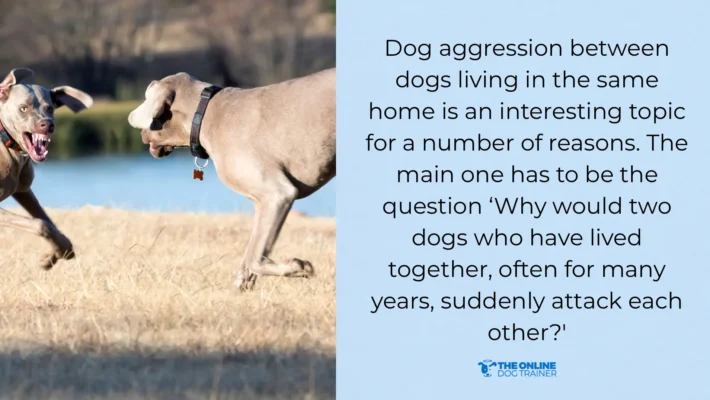
Are you worried about your dog showing aggressive behavior toward other dogs? You’re not alone, and the good news is that you can take steps to change this.
Aggression can make walks stressful and socializing tough, but understanding what triggers your dog and how to respond can make a big difference. You’ll discover simple, effective ways to stop aggressive behavior and help your dog become calmer and more confident around others.
Keep reading—your dog’s happier, peaceful future starts here.
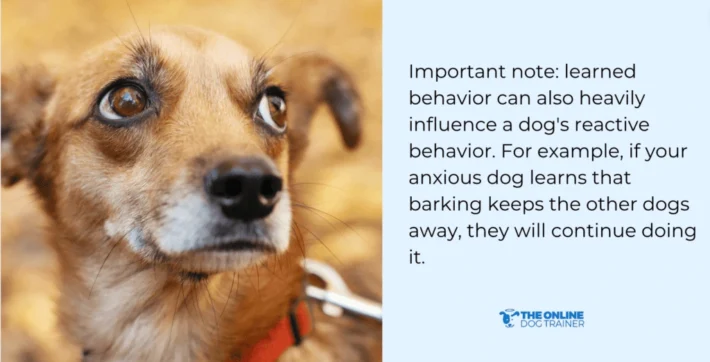
Credit: theonlinedogtrainer.com
Causes Of Dog Aggression
Aggression in dogs can be confusing and hard to manage. Understanding why dogs act aggressively helps owners stop these behaviors.
Many factors cause aggression. Some come from the dog’s background. Others come from their feelings and environment.
Genetics And Breed Factors
Some dog breeds have traits that make them more likely to show aggression. Genetics play a big role in this behavior.
Breeds bred for guarding or hunting may be naturally protective. This can cause aggressive actions toward other dogs.
Fear And Anxiety Triggers
Fear is a common cause of aggression. Dogs bite or growl when scared. Anxiety can make dogs nervous around others.
- Loud noises can frighten dogs.
- New places may cause anxiety.
- Past bad experiences can trigger fear.
- Being cornered or trapped can lead to aggression.
Territorial And Protective Instincts
Dogs often protect their space and family. This natural instinct can cause aggressive behavior toward other dogs.
| Type | Example |
| Territorial | Growling at dogs near home |
| Protective | Guarding children from other dogs |
Lack Of Socialization
Dogs not used to other dogs may act aggressively. Socialization teaches dogs how to behave around others.
Signs of poor socialization include:
- Growling or barking when meeting dogs
- Fearful body language
- Refusing to play or interact
- Showing signs of stress in new social settings
Recognizing Aggressive Behavior
Aggressive behavior in dogs can be dangerous to other dogs and people. Recognizing the signs early helps stop problems before they grow.
Dogs show aggression in many ways. Learning these signs helps you manage your dog better and keep everyone safe.
Common Warning Signs
Dogs often give clear signals before acting aggressively. Watch for these warning signs to stop aggression early.
- Growling or snarling sounds
- Baring teeth or snapping
- Stiff body posture
- Raised hackles (hair on back)
- Intense staring at another dog
- Snapping or lunging
Body Language Cues
Dogs use body language to show how they feel. You can learn to read these cues to spot aggression early.
Look closely at your dog’s movements and posture. These signs can tell you if your dog feels scared, threatened, or angry.
- Tail held high and stiff or low and tucked
- Ears pinned back or standing up straight
- Lips curled or pulled back showing teeth
- Body leaning forward or frozen in place
- Raised hackles along the back and neck
- Quick, tense movements or sudden stillness
Situations That Escalate Aggression
Certain situations can increase a dog’s aggression towards other dogs. Avoiding these helps reduce fights.
Stress, fear, or resource guarding often cause dogs to act aggressively in some places or moments.
- Meeting new dogs too quickly or closely
- Protecting food, toys, or favorite spots
- Being startled or cornered
- Loud noises or chaotic environments
- Dogs in pain or feeling unwell
- High excitement or frustration during play
Preventive Measures
Aggressive behavior toward other dogs can cause problems. It is best to prevent it early. Good habits help dogs stay calm and friendly.
Preventive measures focus on teaching dogs how to behave. Training and socialization are key parts of this process.
Early Socialization Techniques
Start socializing your dog when it is young. Puppies learn how to act with other dogs during playtime. This helps reduce fear and aggression later.
Expose your puppy to many dogs in a safe place. Let them meet calm and friendly dogs. This builds good social skills.
- Take your puppy to dog parks or training classes
- Arrange playdates with well-behaved dogs
- Watch your puppy’s body language to avoid stress
Positive Reinforcement Training
Use rewards to teach your dog good behavior. Praise and treats help dogs learn what is right. This reduces aggressive responses.
Reward your dog when it stays calm near other dogs. Avoid punishment because it can make aggression worse. Positive training creates trust.
- Give treats when your dog is calm around dogs
- Use a happy voice to praise good actions
- Ignore bad behavior and redirect attention
Controlled Exposure To Other Dogs
Introduce your dog to other dogs in a controlled way. Keep dogs on a leash during first meetings. This keeps everyone safe and calm.
Gradually increase the time your dog spends near other dogs. Let your dog get used to different dogs slowly. This lowers chances of aggression.
- Meet one dog at a time in quiet areas
- Keep your dog on a short leash
- Watch for signs of stress or aggression
- End meetings before tension builds up
Behavior Modification Strategies
Aggressive behavior towards other dogs can be challenging. It needs patient and consistent work. Behavior modification helps change how dogs react to triggers.
This guide covers key strategies. These include desensitization, counter-conditioning, and using commands or distractions. Each helps reduce aggression safely.
Desensitization Methods
Desensitization means exposing your dog to other dogs slowly. Start at a distance where your dog feels calm. Gradually reduce this distance over time.
Repeat short sessions often. This helps your dog get used to seeing other dogs without reacting aggressively.
- Find a quiet place with few dogs
- Keep your dog on a leash and calm
- Observe your dog’s body language
- Stop if your dog shows signs of stress
- Reward calm behavior with treats or praise
Counter-conditioning Approaches
Counter-conditioning changes your dog’s feelings about other dogs. Pair the presence of another dog with something your dog likes. This can be treats, toys, or praise.
| Trigger | Positive Reward |
| Other dog at a distance | Favorite treat |
| Dog walking nearby | Play with a toy |
| Dog barking | Verbal praise |
Over time, your dog will associate other dogs with good things. This lowers aggressive reactions and builds positive feelings.
Using Commands And Distractions
Teaching commands helps control your dog’s focus. Use simple commands like “look,” “sit,” or “leave it.” These shift attention from other dogs.
- Train basic commands in a calm setting
- Practice commands with distractions nearby
- Use commands when your dog notices another dog
- Reward your dog for obeying quickly
- Try toys or noises to distract if needed
Managing Aggression During Walks
Walking a dog that shows aggression toward other dogs can be stressful. It is important to manage this behavior safely.
Proper techniques help keep everyone calm and prevent fights during walks. Let’s look at key ways to manage aggression.
Proper Leash Handling
Use a strong, comfortable leash that gives you control. Keep your dog close but not tight.
Hold the leash firmly with both hands if needed. Avoid pulling or jerking the leash.
- Use a leash 4 to 6 feet long
- Keep your dog on your left or right side
- Stay calm and avoid sudden movements
- Practice loose leash walking to reduce tension
Avoiding Trigger Situations
Learn what causes your dog’s aggression. Avoid places or times when other dogs are nearby.
Choose quiet routes or times with fewer dogs. Watch your dog’s body language closely.
- Walk during off-peak hours
- Use side streets instead of busy parks
- Cross the street if another dog approaches
- Distract your dog with treats or toys
Using Muzzles Safely
Muzzles can protect dogs and people during walks. Use them only if your dog is calm and trained to wear one.
Choose a muzzle that fits well and lets your dog breathe and pant. Never leave your dog unattended with a muzzle.
- Use basket muzzles for comfort and safety
- Introduce the muzzle slowly with positive rewards
- Check the fit before each walk
- Do not use muzzles as punishment
When To Seek Professional Help
Aggressive behavior in dogs can be challenging. Knowing when to seek help is important for safety. This guide will help you understand the signs that professional intervention is needed.
By recognizing severe aggression, you can take steps to protect your dog and others. Professional guidance ensures you address the problem effectively.
Identifying Severe Aggression
Some signs indicate that aggression is severe. If your dog displays these behaviors, consider consulting a professional.
- Frequent growling or snapping at other dogs
- Biting that results in injury
- Inability to calm down after aggressive episodes
Choosing A Qualified Trainer Or Behaviorist
Selecting the right professional is crucial. A qualified trainer or behaviorist can provide the help your dog needs.
Check the following criteria when choosing a professional:
- Certifications in dog training or behavior
- Positive reviews from previous clients
- Experience with aggressive dogs
What To Expect From Professional Intervention
Understanding what professional help involves can set clear expectations. Intervention may include several steps to manage and reduce aggression.
| Intervention Step | Description |
| Assessment | Evaluating the dog’s behavior and triggers |
| Training Plan | Creating a customized plan for behavior change |
| Follow-ups | Regular sessions to monitor progress |
Maintaining Long-term Peace
Ensuring harmony between your dog and others requires effort and patience. Aggressive behavior can be managed with the right approach.
By focusing on key areas such as training, exercise, and monitoring, you can create a peaceful environment for your dog.
Consistent Training Routines
Training your dog regularly helps reinforce good behavior. Use positive reinforcement to encourage calm interactions with other dogs.
- Practice obedience commands daily
- Reward calm behavior with treats
- Enroll in group training classes for socialization
Regular Exercise And Mental Stimulation
Dogs need both physical and mental activity to stay balanced. Exercise reduces stress and prevents aggression.
| Activity | Frequency |
| Walks | Twice daily |
| Fetch games | Three times a week |
| Puzzle toys | Daily |
Monitoring And Adjusting Strategies
Keep track of your dog's behavior changes. Adjust strategies as needed to maintain peace and ensure long-term improvement.
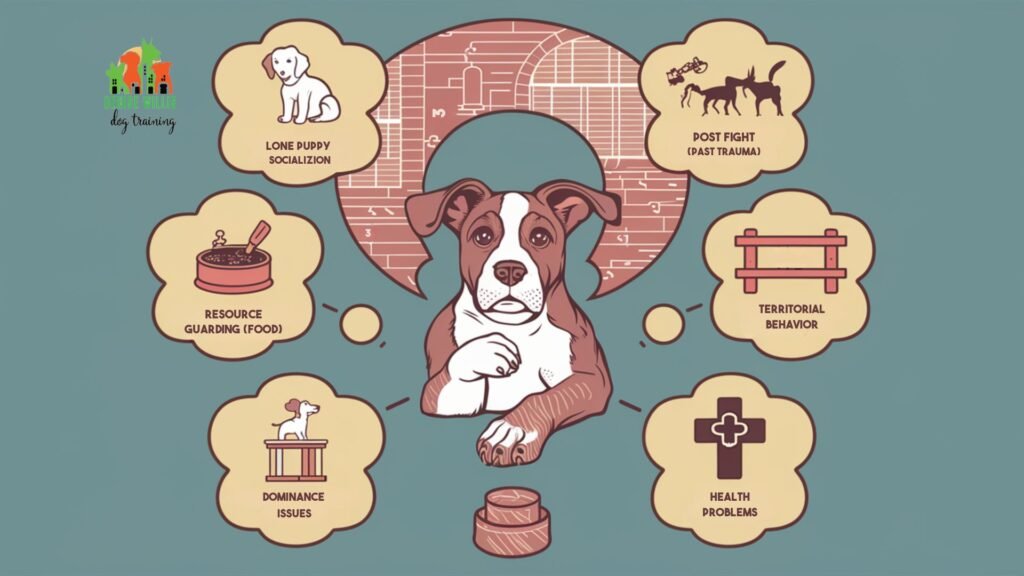
Credit: www.dwdogtraining.com

Credit: www.dwdogtraining.com
Frequently Asked Questions
How Can I Identify Signs Of Dog Aggression Early?
Look for growling, stiff body posture, raised hackles, and intense staring. Early signs help prevent escalation and ensure safety.
What Training Methods Reduce Aggression In Dogs?
Use positive reinforcement, consistent commands, and gradual socialization. Avoid punishment, as it can increase fear and aggression.
When Should I Seek Professional Help For Dog Aggression?
Consult a vet or trainer if aggression persists or worsens. Professional guidance ensures proper diagnosis and effective behavior modification.
How Does Socialization Prevent Aggressive Behavior In Dogs?
Early, controlled exposure to other dogs builds confidence and reduces fear-based aggression. Regular socialization promotes calm, friendly interactions.
Conclusion
Stopping aggressive behavior in dogs takes time and patience. Consistent training helps your dog feel safe and calm. Always watch your dog’s body language closely. Reward good behavior with treats or praise. Avoid situations that make your dog nervous. Seek help from a professional trainer when needed.
Remember, kindness and patience build trust. Your efforts will create a happier, friendlier dog. Keep practicing and stay positive every day.

Emily Barker is the founder of ChillDogLife.com, a space dedicated to helping pup parents discover the best dog products, lifestyle tips, and cozy ideas for happier homes.
A lifelong dog lover, Emily combines her passion for pets with a knack for research to share trusted recommendations on everything from toys and furniture to health and everyday care.
Her goal is simple: to make life easier, stylish, and more joyful for dogs and the people who love them.




