
If you own a Doberman or are thinking about bringing one into your life, understanding their behavior is key to a happy and healthy relationship. Dobermans are known for their intelligence, loyalty, and energy, but they can also be misunderstood.
By learning how your Doberman thinks and acts, you can build a stronger bond and avoid common challenges. Keep reading to discover what makes your Doberman tick and how you can bring out the best in your furry friend.
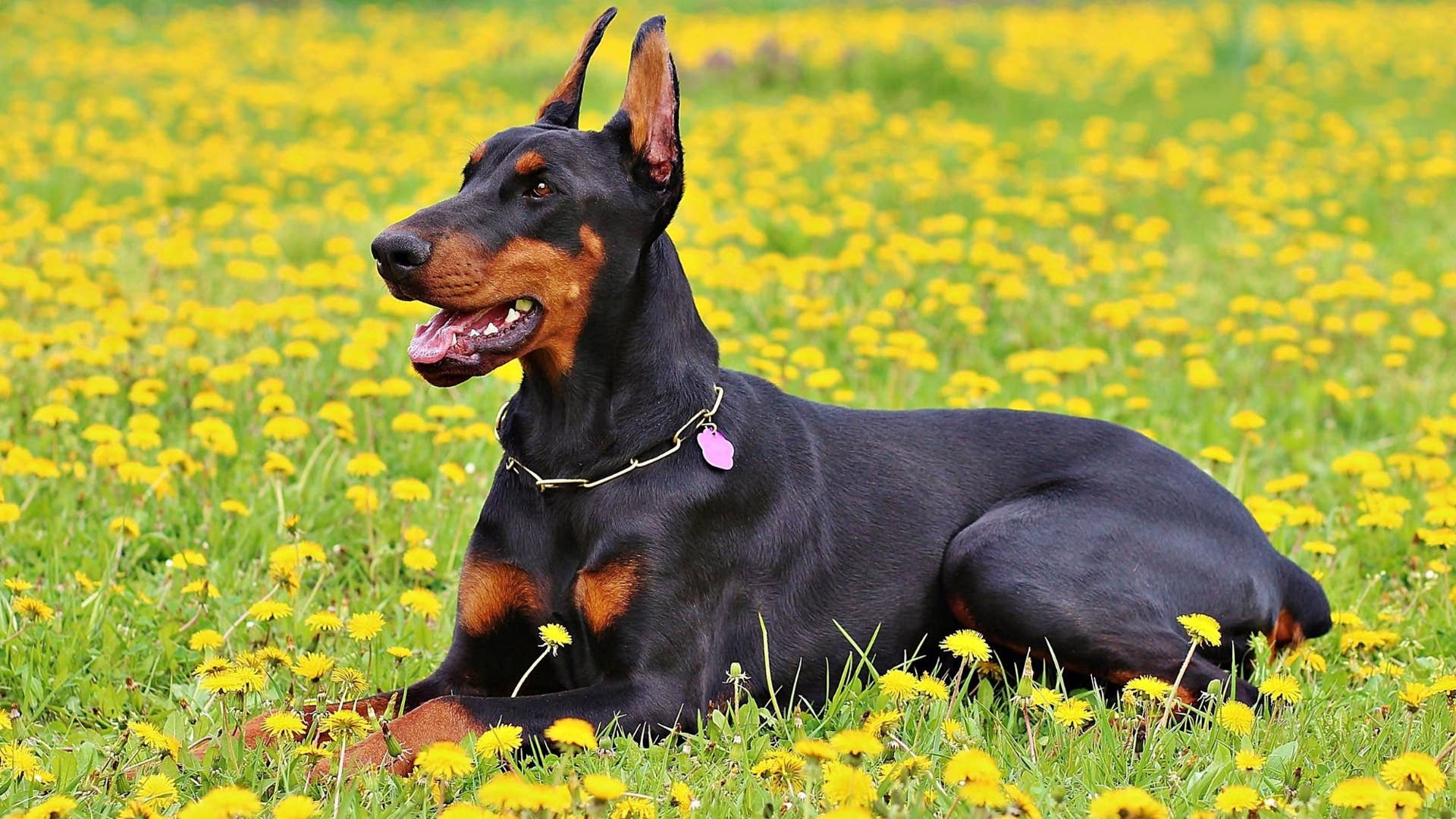
Credit: pethelpful.com
Doberman Personality Traits
The Doberman is a strong and intelligent dog breed. They are known for their loyalty and alertness. Understanding their personality helps owners build a good relationship.
This breed has unique traits in temperament, social behavior, and energy. Each trait shapes how they act and interact with people and other animals.
Temperament And Disposition
Dobermans are brave and confident dogs. They are protective of their family and home. They often show calmness but can be alert if they sense danger.
They are intelligent and quick learners. This makes them easy to train with clear and consistent commands. Dobermans also have a strong sense of loyalty.
Social Behavior
Dobermans enjoy being around people they trust. They can be reserved with strangers at first. Early socialization helps them become friendly and well-mannered.
- Bond closely with family members
- May guard and protect loved ones
- Require social time with other dogs
- Need gentle introduction to new people
- Respond well to positive interaction
Energy Levels
| Energy Level | Description | Activity Needs |
| High | Very active and alert | Daily exercise and play |
| Stamina | Strong and enduring | Long walks or runs |
| Mental | Needs mental challenges | Training and puzzles |
Dobermans need regular exercise to stay healthy and happy. Without enough activity, they may become bored or restless. Mental stimulation is also important.
Common Behavioral Issues
Dobermans are smart and loyal dogs, but they can have some behavior problems. Knowing common issues helps owners manage them better.
This guide explains typical problems like aggression, separation anxiety, and excessive barking in Dobermans.
Aggression Signs
Dobermans may show aggression if they feel threatened or scared. Early signs include growling and stiff body posture.
Unchecked aggression can lead to biting. It is important to watch for warning signals and act quickly.
- Growling or snarling
- Showing teeth
- Stiff and tense body
- Snapping or biting
- Direct, hard stare
Separation Anxiety
Dobermans are very attached to their owners. They may get anxious when left alone for long periods.
This anxiety can cause destructive behavior like chewing or digging. It also may lead to loud whining or barking.
- Restlessness when left alone
- Excessive chewing or digging
- Loud whining or barking
- Attempting to escape
- Drooling or pacing
Excessive Barking
Dobermans bark to alert or express excitement. Too much barking may annoy neighbors and owners.
Excessive barking can mean boredom, fear, or needing attention. Training and exercise help reduce this behavior.
- Barking at strangers or noises
- Continuous barking without reason
- Barking for attention
- Barking due to fear or anxiety
- Reacting to other dogs
Training Essentials
Training a Doberman requires patience and consistency. These dogs are smart and learn quickly.
Starting training early helps your Doberman grow into a well-behaved pet. Focus on key skills first.
Early Socialization
Expose your Doberman to different people and animals early. This helps reduce fear and aggression.
Take your dog to new places. Let them meet many friends in safe settings. This builds confidence.
- Introduce new sights and sounds
- Meet different dogs and people
- Use calm and positive reactions
- Practice short sessions often
Basic Obedience Commands
Teach your Doberman simple commands like sit, stay, and come. These keep your dog safe and controlled.
Use clear and consistent words. Keep training sessions short to hold your dog’s attention.
- Start with easy commands first
- Repeat commands regularly
- Use hand signals with words
- Practice in different locations
Positive Reinforcement Techniques
Reward your Doberman with treats, praise, or toys for good behavior. This encourages learning.
Avoid punishment. Focus on rewarding correct actions to build trust and a happy dog.
- Give treats right after good behavior
- Use a happy voice and petting
- Keep rewards small and frequent
- Be patient and consistent

Credit: www.thefarmersdog.com
Exercise And Mental Stimulation
Dobermans are active dogs that need both exercise and mental activities. These keep them healthy and happy.
Without enough movement and challenges, Dobermans can become bored or restless. This may cause unwanted behaviors.
Physical Activity Needs
Dobermans require daily physical exercise to burn energy. Long walks and runs suit their strong bodies well.
- At least one hour of exercise each day
- Mix of jogging, walking, and playtime
- Safe, enclosed areas to run freely
- Regular outdoor activities to stay fit
Interactive Games
Interactive games help Dobermans stay alert and engaged. These games build a strong bond with their owner.
- Fetch with balls or frisbees
- Tug-of-war with sturdy ropes
- Hide and seek with toys or treats
- Puzzle toys that release rewards
Training Challenges
Training tasks give Dobermans mental exercise. They enjoy learning new commands and tricks.
| Training Type | Benefit |
| Basic obedience | Improves discipline |
| Agility courses | Builds coordination |
| Advanced tricks | Stimulates brain |
| Scent work | Enhances focus |
Handling Behavioral Problems
Doberman dogs are smart and loyal pets. Sometimes, they show unwanted behaviors that need attention.
Proper care and training help manage these problems and keep your dog happy.
Correcting Aggression
Aggression in Dobermans can be caused by fear or protection instincts. Early training is important to control it.
Use calm and firm commands to show who is in charge. Avoid physical punishment as it may worsen aggression.
- Socialize your dog with people and other animals early.
- Use positive rewards for good behavior.
- Stay calm and consistent during training.
- Seek professional help if aggression is strong.
Reducing Anxiety
Dobermans may feel anxious when left alone or in new places. Anxiety shows as whining, pacing, or chewing.
Give your dog a safe space and toys to keep busy. A routine helps your dog feel secure and less worried.
- Exercise your dog daily to burn off energy.
- Practice short separations to build confidence.
- Use calming sounds or scents to soothe your dog.
- Stay patient and gentle while helping your dog.
Managing Hyperactivity
Dobermans are active dogs that can become hyper if not exercised. Hyperactivity leads to jumping, barking, and restlessness.
Provide enough physical and mental activities to keep your dog calm. Training sessions can also help focus their energy.
- Take your dog for regular walks and runs.
- Play interactive games like fetch or tug-of-war.
- Teach new commands to challenge your dog’s mind.
- Give breaks and quiet time after activity.

Credit: www.petscare.com
Tips For First-time Doberman Owners
Dobermans are loyal and intelligent dogs. They require proper care and understanding. First-time owners should learn about their behavior.
Preparing for a Doberman involves setting expectations. Building a strong bond is essential. Choosing the right trainer is also important.
Setting Realistic Expectations
Dobermans are active and require exercise. They need mental stimulation and physical activity daily. This helps keep them healthy and happy.
- Expect to spend time training them
- They may be wary of strangers
- Regular vet visits are a must
Building A Strong Bond
Spending quality time with your Doberman is key. This strengthens your relationship. Activities like playing fetch can help.
Dobermans are affectionate with family. They thrive on attention and love. Consistent interaction builds trust and loyalty.
Choosing The Right Trainer
A good trainer understands Doberman behavior. They use positive reinforcement techniques. This method encourages good behavior.
- Look for experienced trainers
- Check for certification and reviews
- Visit a class to observe the trainer
Frequently Asked Questions
What Are Common Behavioral Traits Of Doberman Dogs?
Dobermans are intelligent, loyal, and protective. They are energetic and require regular exercise. They bond closely with their families and can be wary of strangers. Early socialization helps them develop balanced behavior and reduces aggression.
How Do Dobermans Behave Around Children?
Dobermans are generally gentle and protective with children. They enjoy playtime but need supervision to prevent rough interactions. Proper training and socialization ensure they are patient and well-mannered around kids.
Are Dobermans Aggressive By Nature?
Dobermans are not naturally aggressive. They are protective and alert, which may seem aggressive without proper training. Consistent socialization and positive reinforcement minimize aggressive tendencies.
How Can I Train A Doberman Effectively?
Use positive reinforcement, consistency, and patience when training Dobermans. They respond well to firm, clear commands and enjoy mental stimulation. Early training and socialization are key to a well-behaved Doberman.
Conclusion
Dobermans are loyal, smart, and protective dogs. They need training and social time daily. Understanding their behavior helps build a strong bond. These dogs respond well to gentle, clear commands. Patience and consistency make training easier and fun. Dobermans thrive in loving homes with active families.
They can be great pets with the right care. Remember, every dog is unique and learns at its own pace. Keep learning and enjoy your time with your Doberman friend.

Emily Barker is the founder of ChillDogLife.com, a space dedicated to helping pup parents discover the best dog products, lifestyle tips, and cozy ideas for happier homes.
A lifelong dog lover, Emily combines her passion for pets with a knack for research to share trusted recommendations on everything from toys and furniture to health and everyday care.
Her goal is simple: to make life easier, stylish, and more joyful for dogs and the people who love them.




