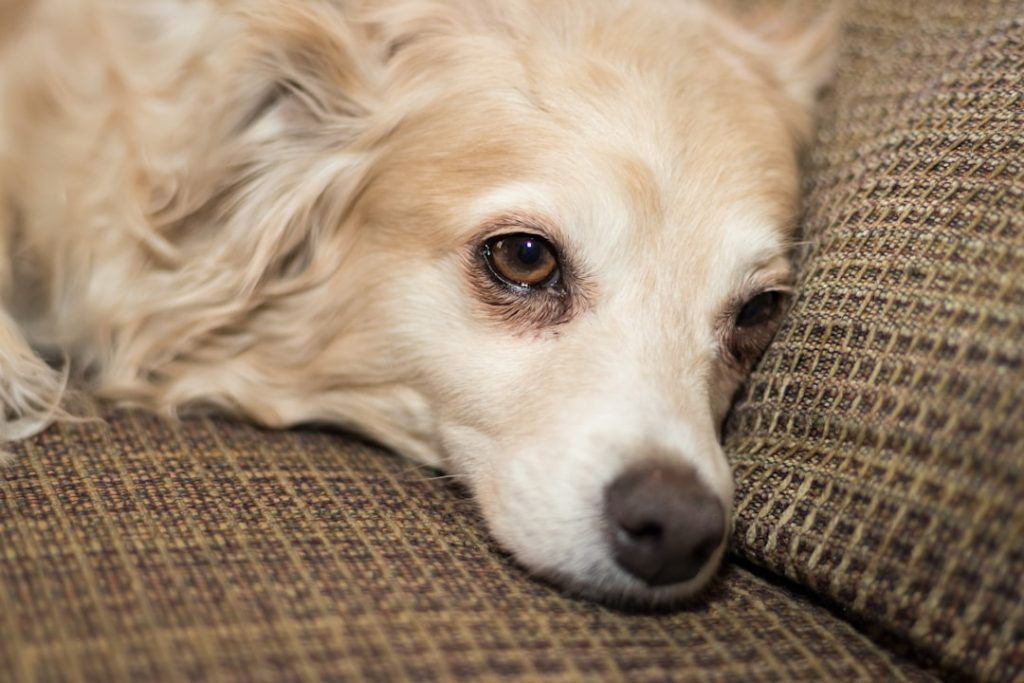
If your dog struggles with anxiety, aggression, or sudden fear, you might feel helpless watching them suffer. What if there was a way to help calm your furry friend without harsh side effects?
Propranolol in dogs for behavior could be the solution you’ve been searching for. This medication, often used in humans for heart issues, is gaining attention for its ability to ease stress and improve your dog’s emotional well-being. Keep reading to discover how propranolol works, when it’s right for your pet, and what you need to know before considering it.
Your dog’s happiness and peace of mind could be just a few steps away.
How Propranolol Works In Dogs
Propranolol is a medication used to help calm dogs. It affects how the body and brain respond to stress. This can improve behavior in anxious or nervous dogs.
Understanding how propranolol works helps pet owners know why vets prescribe it. It mainly targets the nervous system to reduce physical signs of anxiety.
Mechanism Of Action
Propranolol blocks certain receptors called beta-adrenergic receptors. These receptors respond to adrenaline, a hormone that causes the “fight or flight” reaction.
- Blocks beta-1 and beta-2 receptors in the body
- Reduces heart rate and blood pressure
- Limits adrenaline effects during stress
- Helps calm physical symptoms of anxiety like shaking or rapid breathing
Effects On The Nervous System
Propranolol’s effect on the nervous system helps dogs feel less anxious. It lowers the intensity of stress signals sent to the brain.
| Effect | Description |
| Heart Rate | Slows down to reduce stress on the body |
| Blood Pressure | Decreases, helping to relax muscles |
| Stress Signals | Lessens the release of stress hormones |
| Calming Effect | Reduces physical signs of fear and anxiety |
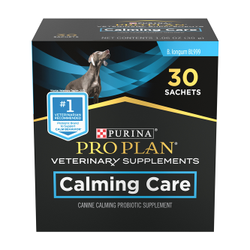
Credit: www.purina.com
Common Behavioral Issues Treated
Propranolol is a medicine used to help dogs with certain behavior problems. It works by calming the nervous system and reducing stress.
It is often given to dogs that have trouble with anxiety, fears, or aggression. This can make their behavior easier to manage.
Separation Anxiety
Separation anxiety happens when dogs feel very upset being alone. They may bark, chew, or try to escape.
Propranolol helps by lowering the dog’s heart rate and calming them. This reduces panic and stress during alone time.
Noise Phobias
Many dogs fear loud noises like thunderstorms or fireworks. This fear can cause shaking, hiding, or destructive behavior.
Propranolol eases the physical symptoms of fear. It helps dogs stay calmer when they hear scary sounds.
Aggression
Aggression in dogs may come from fear or stress. It can be dangerous for other pets and people.
Propranolol lowers the dog’s stress levels. This can reduce aggressive reactions and help dogs feel more relaxed.
Dosage And Administration
Propranolol is a medication used to help dogs with certain behavior issues. It can calm dogs by affecting their nervous system.
Proper dosage and administration are important for the safety and effectiveness of the treatment.
Recommended Dosages
The dosage of propranolol for dogs depends on their weight and the specific condition being treated. Always consult a veterinarian for the correct dosage.
- Small dogs: 0.1 to 0.2 mg per pound
- Medium dogs: 0.5 mg per pound
- Large dogs: 1 mg per pound
Timing And Frequency
Propranolol should be given at regular intervals to maintain stable levels in the dog’s system. This helps in managing behavior consistently.
Most dogs need the medication two to three times a day. Follow your vet’s instructions.
Forms Of Medication
Propranolol is available in different forms, making it easier to administer to dogs. Choose the form that suits your dog’s needs best.
- Tablets: Easy to mix with food
- Liquid: Can be given directly or added to water
- Capsules: For precise dosing
Potential Side Effects
Propranolol is used to help calm dogs with certain behavior issues. Like all medicines, it can cause side effects. Knowing these helps you keep your dog safe.
Watch your dog carefully after giving propranolol. Some side effects are mild, but others may need quick care.
Mild Reactions
Mild side effects are usually not serious. They may go away as your dog gets used to the medicine.
- Tiredness or weakness
- Slower breathing
- Soft stool or mild diarrhea
- Cold nose or paws
- Lowered heart rate
Serious Concerns
| Serious Side Effect | Signs to Watch |
| Severe breathing trouble | Gasping, blue gums, fast breathing |
| Very slow heart rate | Weak pulse, fainting, collapse |
| Severe weakness or collapse | Cannot stand or move normally |
| Seizures | Shaking, convulsions, loss of consciousness |
When To Contact A Vet
Call your vet if your dog shows:
- Any serious signs listed above
- Side effects that get worse or last over two days
- Refusal to eat or drink
- Signs of allergic reaction like swelling or rash
Combining Propranolol With Other Treatments
Propranolol is often used to help dogs with anxiety. It can be more effective when combined with other treatments.
Let’s explore some ways to enhance its effectiveness with additional therapies and remedies.
Behavioral Therapy
Behavioral therapy helps dogs learn new ways to cope with stress. It works well alongside propranolol.
- Use positive reinforcement for calm behavior.
- Regular training sessions to improve focus.
- Interactive play to reduce anxiety.
Other Medications
Some dogs benefit from a combination of medications. This can enhance the calming effects of propranolol.
| Medication | Purpose |
| Fluoxetine | Reduce anxiety |
| Clomipramine | Control obsessive behaviors |
| Selegiline | Improve mood |
Natural Remedies
Natural remedies can also support behavior management. They are gentle and easy to use.
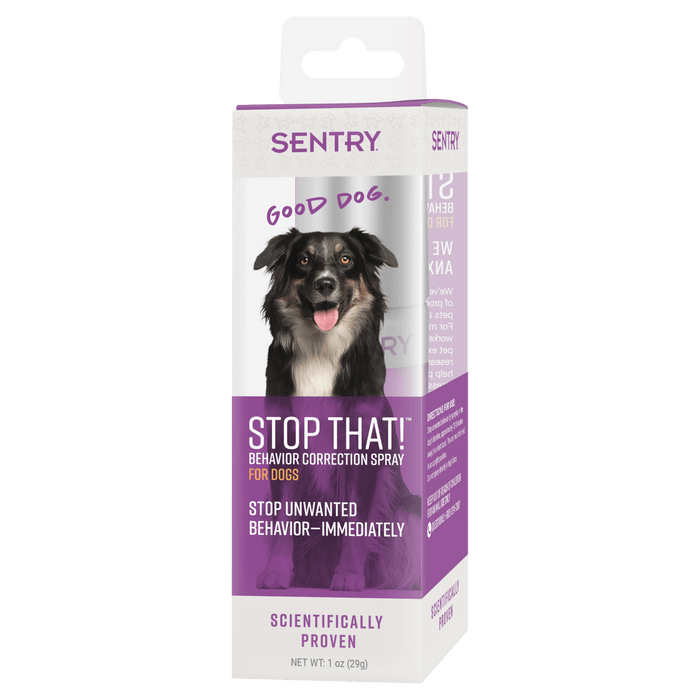
Credit: tri-countyfeed.com
Tips For Effective Anxiety Relief
Propranolol helps dogs with anxiety by calming their nerves. It works best with good care and habits.
Here are ways to support your dog’s anxiety relief using propranolol and home care.
Creating A Calm Environment
Keep your dog’s space quiet and cozy. Loud noises and bright lights can make anxiety worse.
- Use soft bedding in a safe corner
- Play gentle music or white noise
- Avoid sudden loud sounds or movements
- Limit visitors or other pets during anxious times
Consistent Routine
Dogs feel safer with a regular schedule. Feed and walk your dog at the same times each day.
| Activity | Time of Day |
| Morning Walk | 7:00 AM |
| Meal | 8:00 AM |
| Afternoon Walk | 4:00 PM |
| Meal | 6:00 PM |
| Evening Rest | 9:00 PM |
Exercise And Mental Stimulation
Exercise helps reduce stress and burn energy. Mental games keep your dog’s mind busy.
- Take daily walks or play fetch
- Use puzzle toys to challenge your dog
- Teach simple commands or tricks
- Rotate toys to keep interest
Veterinary Guidance And Monitoring
Propranolol is used to help dogs with certain behavior problems. It can calm anxiety and reduce stress reactions.
Veterinarians must guide and monitor the treatment closely. This ensures the medicine works safely and well for each dog.
Initial Assessment
The vet first reviews the dog’s health and behavior history. They check for heart or lung issues before starting propranolol.
- Review medical records
- Conduct a physical exam
- Discuss behavior problems with the owner
- Decide if propranolol is safe and suitable
Follow-up Visits
Regular visits help track the dog’s response to propranolol. The vet watches for side effects and behavior changes.
| Visit | Purpose | What is checked |
| 1-2 weeks | Initial response | Heart rate, mood, side effects |
| 4 weeks | Effectiveness | Behavior improvements, dosage need |
| 3 months | Long-term review | Overall health, continued benefits |
Adjusting Treatment Plans
Based on follow-ups, the vet may change the propranolol dose or try other treatments. The goal is the best result with few side effects.
- Increase or decrease dosage
- Change medication timing
- Add behavior therapy
- Stop propranolol if problems arise

Credit: www.amazon.com
Frequently Asked Questions
What Is Propranolol Used For In Dogs’ Behavior?
Propranolol is used to manage anxiety and stress-related behaviors in dogs. It helps calm nervousness and reduce physical symptoms like trembling. Vets often prescribe it for noise phobia, separation anxiety, and aggression linked to stress. It supports overall behavioral therapy plans.
How Does Propranolol Affect A Dog’s Anxiety?
Propranolol blocks adrenaline effects, lowering heart rate and calming the nervous system. This reduces physical anxiety signs like shaking and rapid breathing. It doesn’t sedate but helps dogs feel less reactive to stress triggers. The result is improved behavior during anxiety episodes.
Are There Side Effects Of Propranolol In Dogs?
Yes, some dogs may experience fatigue, weakness, or digestive upset. Rarely, it can cause low blood pressure or breathing difficulties. Always consult a vet before use and monitor your dog closely. Proper dosage minimizes risks and side effects.
Can Propranolol Be Combined With Other Treatments?
Yes, propranolol can complement behavioral training and other medications. Vets often recommend it alongside therapy for best results. Combining approaches addresses both physical symptoms and underlying causes of anxiety. Always follow your veterinarian’s guidance on combined treatments.
Conclusion
Propranolol can help calm dogs with anxiety or fear. It works by reducing physical signs of stress, like rapid heartbeat. Always talk to your vet before starting this medication. Each dog reacts differently, so careful monitoring is key. Proper use of propranolol supports better behavior and comfort.
Remember, medicine is just one part of training and care. Patience and consistency are important for lasting results. Treat your dog with kindness and attention for the best outcome.

Emily Barker is the founder of ChillDogLife.com, a space dedicated to helping pup parents discover the best dog products, lifestyle tips, and cozy ideas for happier homes.
A lifelong dog lover, Emily combines her passion for pets with a knack for research to share trusted recommendations on everything from toys and furniture to health and everyday care.
Her goal is simple: to make life easier, stylish, and more joyful for dogs and the people who love them.




