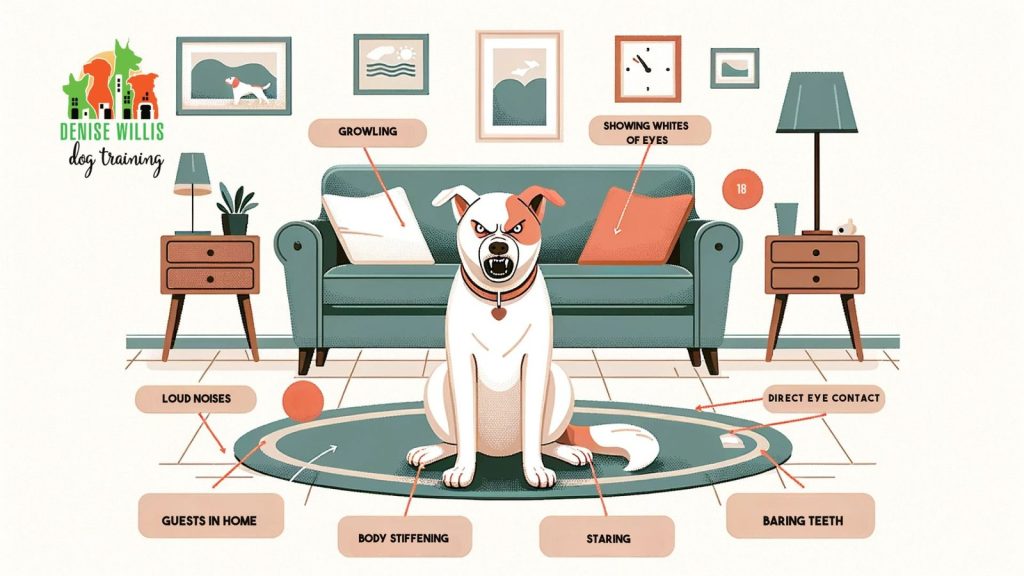
Have you ever noticed your dog growling, snapping, or acting unusually tense? These could be signs of aggressive behavior that you shouldn’t ignore.
Understanding these warning signals is crucial for keeping both your pet and those around them safe. You’ll discover the key signs of dog aggression, why they happen, and what you can do to manage them effectively. Keep reading to protect your furry friend and create a happier, safer home for everyone.

Credit: www.dwdogtraining.com
Common Aggressive Behaviors
Dogs show aggression in many ways. Recognizing these signs helps keep everyone safe.
This guide explains common aggressive behaviors you might see in dogs.
Growling And Snarling
Growling is a low, guttural sound dogs make to warn others. It signals discomfort or fear.
Snarling shows teeth and is often louder and more intense than growling. It means the dog feels threatened.
Baring Teeth
Baring teeth means a dog pulls back its lips to show its teeth. It is a clear sign of warning.
This behavior tells others to stay away or the dog may attack.
Lunging And Biting
Lunging is a quick forward movement toward a target. It shows high aggression or fear.
Biting can cause injury and is a serious aggressive act. It often follows other warning signs.
Stiff Body Posture
A stiff body means the dog is tense and ready to act. It may hold its body very still.
This posture warns that the dog feels threatened and may become aggressive.
Early Warning Signs
Dogs show signs before they become aggressive. Watching these signs helps prevent problems.
Learn to spot early signs. They tell you when a dog feels stressed or threatened.
Raised Hackles
Raised hackles mean the fur on a dog’s back stands up. This shows the dog feels uneasy or alert.
It can happen if the dog is scared or ready to protect itself.
Intense Staring
When a dog stares without blinking, it warns something is wrong. This can mean the dog feels threatened.
Look for these signs to stay safe and calm the dog if needed.
Tail Position Changes
A dog’s tail tells a lot about its mood. Changes in position show how it feels.
- High and stiff tail: alert or aggressive
- Low tail: scared or submissive
- Wagging tail: can mean excitement or nervousness
- Tucked tail: fear or anxiety
Pinned Back Ears
| Ear Position | Meaning |
| Ears forward | Interested or curious |
| Ears pinned back | Fear, stress, or aggression |
| Ears relaxed | Calm and happy |
Pinned back ears can warn of aggression. Watch closely to prevent bites or attacks.
Triggers For Aggression
Dog aggression can result from several triggers. Understanding these triggers helps in managing and preventing aggressive behavior.
Each trigger can affect dogs differently. Recognizing the signs early is crucial for effective intervention.
Fear And Anxiety
Fear and anxiety are common causes of aggression in dogs. A dog might react aggressively when it feels threatened or cornered.
- Loud noises like fireworks
- Unfamiliar environments
- New people or animals
Territorial Behavior
Dogs often display aggression to protect their territory. This is a natural instinct, especially in breeds known for guarding.
Pain Or Discomfort
A dog in pain may show aggression as a defense mechanism. This helps the dog avoid further injury or discomfort.
| Symptom | Possible Cause |
| Limping | Injury |
| Whining | Illness |
| Refusal to eat | Dental pain |
Protective Instincts
Protective instincts drive dogs to be aggressive when they sense a threat to their family or pack. This is more pronounced in some breeds.

Credit: www.dwdogtraining.com
Behavioral Patterns To Monitor
Dogs can show different signs when they feel aggressive. Watching their behavior helps prevent problems. Recognizing early signs keeps everyone safe.
Focus on changes in mood, hiding, guarding, and barking. These signs often point to stress or aggression.
Sudden Mood Changes
A dog may quickly shift from calm to angry. These mood swings can happen without clear reasons. Sudden growling or snapping is a warning.
Watch for stiff body language, raised hackles, and intense staring. These show your dog feels threatened or upset.
Avoidance And Hiding
Dogs may hide or avoid people when they feel scared or aggressive. This behavior can mean they want to stay safe. Avoidance can lead to sudden attacks if the dog feels cornered.
Look for dogs hiding under furniture or refusing to come out. This shows discomfort or fear that needs attention.
Resource Guarding
Dogs protect their food, toys, or space by showing aggression. They may growl or snap if someone comes close. Resource guarding is a serious sign of stress.
Common items guarded include:
- Food bowls
- Toys or bones
- Sleeping areas
- Owner’s belongings
Excessive Barking
Constant barking can signal anxiety or aggression. Dogs may bark loudly to warn or scare others away. This behavior can escalate if not controlled.
Listen for deep, rapid barks or growls mixed in. These sounds show your dog feels threatened or ready to defend.
Preventing Aggressive Episodes
Dogs may show aggressive behavior for many reasons. Preventing these episodes helps keep everyone safe. Knowing how to manage your dog’s behavior is very important.
Using good techniques, you can reduce aggressive actions. This guide covers simple ways to keep your dog calm and happy.
Socialization Techniques
Early socialization helps dogs learn how to behave around people and other animals. It lowers fear and aggression. Introduce your dog to new places and sounds slowly.
- Start socializing puppies before 16 weeks old
- Use positive experiences with new people and pets
- Attend dog training classes or playgroups
- Expose your dog to different environments safely
Positive Reinforcement
Reward good behavior to encourage your dog to act well. Use treats, praise, or play as rewards. Avoid punishment because it can increase fear and aggression.
- Give a treat when your dog stays calm
- Use a gentle voice to praise good actions
- Ignore bad behavior instead of yelling
- Be consistent with rewards and rules
Safe Environment Setup
Setting up a safe space helps prevent aggressive outbursts. Your dog needs a calm place to relax. Remove things that might cause stress or fights.
| Environment Aspect | How to Improve |
| Quiet Area | Provide a room or crate away from noise |
| Toys and Chews | Keep favorite toys to reduce boredom |
| Secure Fencing | Prevent escapes and unwanted animal visits |
| Remove Triggers | Keep away from loud machines or strange animals |
Recognizing Stress Signals
Dogs show stress before they become aggressive. Learn to spot these signs early. This helps you stop aggressive episodes before they start.
Common Stress Signs:
- Yawning or licking lips
- Turning head away
- Raised hackles or stiff body
- Growling or showing teeth
- Avoiding eye contact
Watch your dog closely. If you see these signs, give your dog space and calm attention.

Credit: pupford.com
When To Seek Professional Help
Dog aggression can be confusing and scary. Knowing when to get help is important for safety.
Some aggressive behaviors need a trained expert to address them properly and safely.
Persistent Aggression
Dogs that stay aggressive for a long time need professional help. This is true if the aggression happens often or gets worse.
If your dog shows anger many times a week or daily, a behavior specialist can help find the cause and plan treatment.
Risk To Humans Or Pets
Aggression that threatens people or other animals is serious. You should get help immediately if your dog bites or attacks.
Professional trainers can teach safe ways to control your dog and protect everyone in your home.
- Biting family members or strangers
- Chasing or attacking other pets
- Growling or lunging at children
Difficulty In Managing Behavior
If you try to stop aggression but fail, it is time to seek help. Some behaviors are hard to control without training.
Professionals have tools and knowledge to manage aggression that owners might not know about.
Consulting A Behaviorist
A certified dog behaviorist studies animal behavior and can help with aggression problems. They look for causes and create plans.
Behaviorists work with you and your dog to reduce aggression safely and improve your dog’s life.
Frequently Asked Questions
What Are Common Signs Of Dog Aggressive Behavior?
Common signs include growling, snarling, lunging, snapping, and biting. Dogs may also stiffen their body or raise hackles. These behaviors indicate fear, territoriality, or pain. Early recognition helps prevent escalation and ensures safety for both dogs and humans.
How Can I Tell If My Dog Is Becoming Aggressive?
Watch for sudden changes like increased barking, snapping, or avoiding eye contact. Signs also include stiff posture and raised fur. Identifying these early helps address underlying issues like fear or anxiety through training or vet consultation.
Why Do Some Dogs Show Aggressive Behavior Suddenly?
Sudden aggression often results from pain, fear, or stress. Changes in environment, illness, or traumatic experiences can trigger it. Understanding triggers helps in managing behavior with professional help and appropriate training methods.
Can Aggressive Dog Behavior Be Corrected?
Yes, aggressive behavior can be managed with consistent training and socialization. Professional trainers or behaviorists use positive reinforcement to reduce aggression. Early intervention and patience are key to successful behavior modification.
Conclusion
Recognizing dog aggressive behavior signs helps keep everyone safe. Acting early can prevent serious problems. Stay calm and observe your dog’s actions closely. Seek help from a vet or trainer if needed. Consistent care and patience make a big difference.
Understanding your dog builds trust and peace. Pay attention, stay alert, and protect your pet.

Emily Barker is the founder of ChillDogLife.com, a space dedicated to helping pup parents discover the best dog products, lifestyle tips, and cozy ideas for happier homes.
A lifelong dog lover, Emily combines her passion for pets with a knack for research to share trusted recommendations on everything from toys and furniture to health and everyday care.
Her goal is simple: to make life easier, stylish, and more joyful for dogs and the people who love them.




