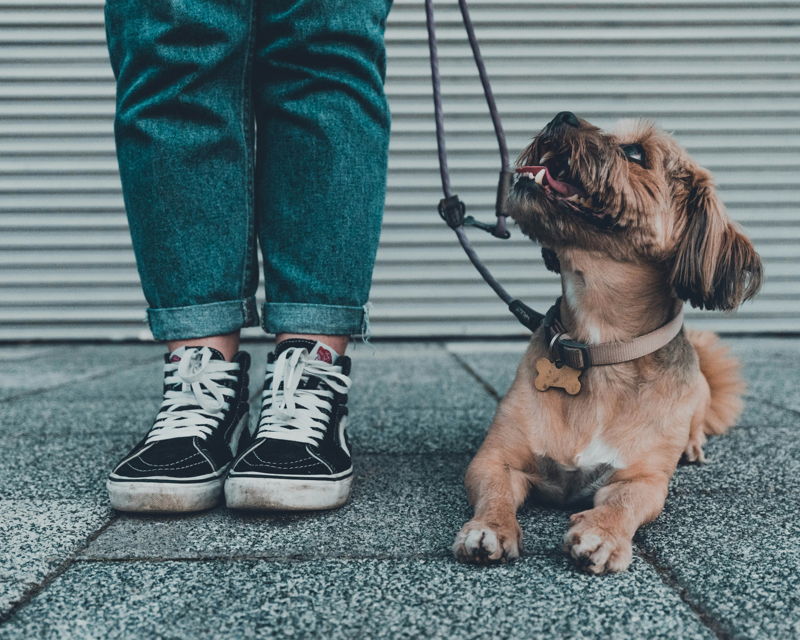
Have you ever wondered why your dog suddenly tilts its head or why it barks at seemingly nothing? Understanding your furry friend’s behavior can feel like decoding a secret language.
But what if you could unlock these clues and strengthen the bond you share? You’ll discover the real reasons behind common dog behaviors. Knowing what your dog is trying to tell you will make your time together even more rewarding.
Keep reading to become the best companion your dog could ask for.

Credit: www.thetrainingofdogs.com
Body Language Signals
Dogs communicate a lot with their bodies. Their movements and positions show how they feel. Understanding these signals helps us know what dogs want or need.
We will look at four main ways dogs show their feelings: tail movements, ear positions, eye contact, and posture. Each gives clues about a dog’s mood and intentions.
Tail Movements
A dog’s tail is a strong signal of its emotions. Different movements and positions mean different things. Watch the tail to learn if the dog is happy, scared, or alert.
- A wagging tail usually means the dog is happy or excited.
- A low or tucked tail shows fear or submission.
- A stiff, raised tail can mean alertness or aggression.
- A slow wag may mean the dog is unsure or cautious.
Ear Positions
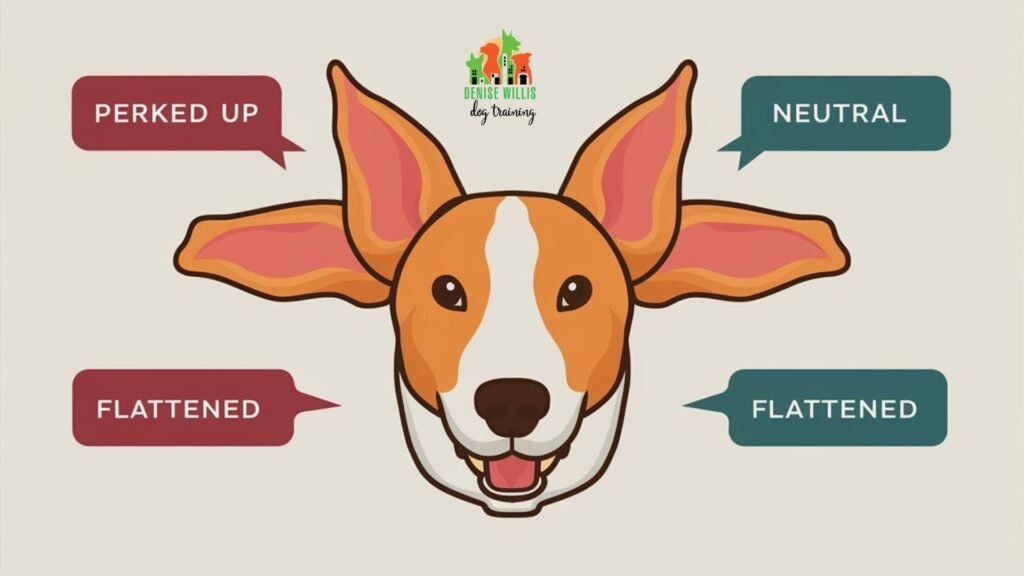
Dogs move their ears to listen and show feelings. The ear position changes with their mood and focus. Pay attention to how the ears are set.
| Ear Position | Meaning |
|---|---|
| Forward and up | The dog is alert or interested. |
| Flat against the head | The dog feels scared or submissive. |
| Relaxed and slightly to the side | The dog is calm and comfortable. |
| One ear up, one ear down | The dog is curious or unsure. |
Eye Contact
Dogs use eye contact to connect or warn. The way they look at you tells their mood and trust level. Watch their eyes closely.
Eye Contact Signals:
- Soft, relaxed eyes show friendliness.
- Direct stare can mean challenge or threat.
- Avoiding eye contact means fear or submission.
- Rapid blinking may show stress or discomfort.
Posture And Stance
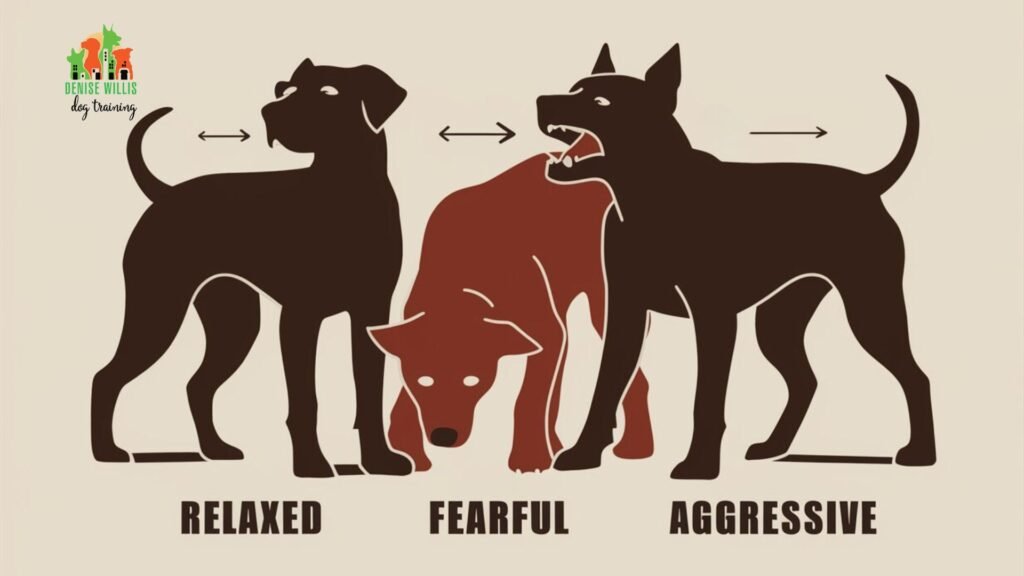
A dog’s body shape and stance send clear messages. Look at how it stands or sits to understand its feelings and intentions.
- A relaxed body means the dog feels safe and calm.
- Stiff posture can show alertness or aggression.
- Cowering or lowering the body shows fear or submission.
- Play bow (front legs down, rear up) invites play.
Vocalizations And What They Mean
Dogs use sounds to express how they feel. Listening to these sounds helps us understand them.
Each type of vocalization shows a different message or mood from your dog.
Barking Types
Barking can mean many things. Dogs bark to warn, greet, or ask for attention. The tone and speed tell us what they want.
- Short, sharp barks often show alertness or warning.
- Rapid barking can mean excitement or playfulness.
- Low, slow barks may show frustration or demand.
- Repeated barks might mean the dog wants to go outside.
Whining And Whimpering
Whining is a soft, high-pitched sound. Dogs whine when they feel anxious, need something, or want comfort.
Whimpering is similar but usually shows more pain or fear. Pay attention to body language with these sounds.
Growling And Snarling
Growling is a deep, guttural sound. Dogs growl to warn others to stop or to show discomfort. Snarling is growling with teeth showing.
| Growl Type | Meaning |
| Soft growl | Playful or teasing |
| Loud growl | Warning or threat |
| Snarling | Fear or aggression |
Howling
Howling is a long, drawn-out sound. Dogs howl to call others or respond to sounds like sirens. It can also show loneliness.
Howling often helps dogs communicate over long distances. It connects them to their pack, even if that is their human family.
Common Social Behaviors
Dogs use many social behaviors to communicate with each other and with humans.
Understanding these behaviors helps us take better care of them and build strong bonds.
Greeting Rituals
Dogs greet each other with sniffing, tail wagging, and body posture. They often sniff the face and rear of other dogs to learn about them. A relaxed tail wag means a friendly greeting.
Play Behavior
Play helps dogs practice skills and bond. They use play bows, chasing, and gentle biting. Play signals show the dog is not serious or aggressive.
- Play bow: front legs down, rear up
- Chasing: running after each other
- Gentle biting: mouthing without hurting
- Vocal sounds: playful growls or barks
Pack Dynamics
Dogs live in groups called packs. They have roles like leaders and followers. Packs work together to find food and protect each other.
| Role | Description |
| Alpha | Pack leader, makes decisions |
| Beta | Second in command, supports alpha |
| Omega | Lowest rank, often playful or submissive |
Dominance And Submission
Dominance shows control; submission shows respect. Dogs use body language to show these roles. A dominant dog stands tall and may stare. A submissive dog lowers its body and avoids eye contact.
- Standing tall with head up
- Direct eye contact
- Raising tail high
- Lowering body or lying down
- Avoiding eye contact
- Tail tucked or low
Signs Of Stress And Anxiety
Dogs show stress and anxiety in many ways. Recognizing these signs helps keep dogs safe and calm.
Some behaviors may seem normal but mean your dog feels worried or scared.
Pacing And Restlessness
Pacing means walking back and forth without stopping. Restlessness means your dog can’t relax.
These signs show your dog feels nervous or unsure about something nearby.
Destructive Chewing
Chewing objects like furniture or shoes can be a stress reaction. It helps dogs release tension.
Destructive chewing often appears when dogs are alone or bored but feel anxious too.
Excessive Licking
Dogs lick themselves or surfaces a lot when they feel stressed. This action calms them down.
Licking can cause skin irritation if it happens too much over time.
Avoidance And Hiding
Some dogs hide or avoid people and places when scared or stressed. They want to feel safe.
Hiding can happen in small spaces like under furniture or behind doors.
Eating Habits And Preferences
Dogs show many eating behaviors that reflect their instincts and training. Understanding these habits helps owners care for their pets better.
Each dog has unique preferences and ways of eating. Some habits may need gentle correction to keep them safe and happy.
Food Guarding
Food guarding means a dog protects its food from others. This behavior comes from natural instincts to keep food safe. It can show as growling, snapping, or stiff body language.
To help reduce food guarding, feed dogs in separate areas. Avoid taking food away while they eat. Praise calm behavior near food.
Picky Eating
Some dogs are picky eaters and refuse certain foods. This may happen due to taste preferences, health issues, or boredom with food.
- Offer a variety of dog-safe foods to find favorites
- Keep feeding times consistent to build routine
- Avoid giving too many treats before meals
- Check with a vet if the dog refuses food for days
Begging Behavior
Begging happens when dogs ask for food while humans eat. They learn this can get them extra treats or attention. It can become a bad habit if not managed.
| Cause | How to Manage |
| Learned behavior | Ignore begging and do not feed from the table |
| Hunger | Feed meals on time and in full amounts |
| Attention seeking | Give attention during calm times only |
Scavenging
Scavenging means dogs search for and eat non-food items or leftovers. This can be dangerous and cause sickness. It often comes from hunger or boredom.
To prevent scavenging, follow these tips:
- Keep trash cans covered or out of reach
- Provide enough food during meal times
- Offer toys and activities to reduce boredom
- Train commands like “leave it” to stop unwanted eating
Credit: www.dwdogtraining.com
Sleeping Patterns
Dogs have unique sleeping patterns that often puzzle owners. Understanding these patterns can improve your pet care.
Dogs sleep a lot more than humans. Their sleep includes naps and nighttime rest.
Preferred Sleep Spots
Dogs choose sleep spots based on comfort and safety. These spots vary from dog to dog.
Some dogs like soft beds, while others prefer hard floors. Temperature can also influence their choice.
- Soft beds for warmth
- Cool tiles during summer
- Near family members for security
Sleep Positions
Dogs have various sleep positions. Each position can tell us something about their comfort and mood.
Common positions include curled up, stretched out, or on their back. These positions can also indicate their temperature regulation needs.
- Curled up for warmth
- Stretched out to cool down
- On back for trust
Nighttime Activity
Some dogs are active during the night. This behavior is usually due to their instincts or lack of daytime activity.
Ensure your dog has enough exercise during the day. This can help reduce nighttime activity.
- Nocturnal instincts
- Lack of daytime exercise
- Environmental noises
Napping Behavior
Dogs nap frequently throughout the day. Napping helps them conserve energy and stay alert.
The length and frequency of naps can vary. Puppies and older dogs tend to nap more often.
- Energy conservation
- Frequent in puppies and senior dogs
- Short naps during the day
Training Responses
Understanding how dogs respond to training is key for successful communication. Each dog may react differently based on its behavior and learning style.
This guide explains common dog behaviors and how to address them during training sessions. Focus on methods that strengthen your bond with your furry friend.
Learning Styles
Dogs have unique learning styles that affect how they respond to training. Some dogs learn by watching, while others need hands-on practice.
Identify your dog’s learning style to make training more effective. This helps in choosing the right approach for each session.
- Visual learners respond to gestures and demonstrations.
- Auditory learners follow verbal commands better.
- Kinesthetic learners need physical interaction.
Common Challenges
Training can present challenges that require patience and consistency. Recognizing these can help in managing your dog’s behavior effectively.
Distractions, stubbornness, and anxiety are common issues. Addressing them calmly ensures smoother training progress.
- Distractions like other animals or noises.
- Stubborn behavior due to lack of interest.
- Anxiety that affects focus and learning.
Positive Reinforcement
Positive reinforcement is rewarding good behavior to encourage repetition. It’s a powerful tool in training responses.
Using treats, praise, or toys as rewards can motivate your dog. Consistent rewards help them understand what is expected.
- Use treats that your dog loves.
- Give praise with a happy tone.
- Offer favorite toys as rewards.
Avoiding Miscommunication
Miscommunication can confuse dogs and hinder training. Clear signals and commands prevent misunderstandings.
Always use the same words and gestures for commands. Consistency helps dogs link actions with responses.
- Keep commands short and simple.
- Use the same tone for each command.
- Avoid mixed signals with conflicting gestures.
Credit: www.dwdogtraining.com
Unusual Behaviors And What They Indicate
Dogs sometimes show strange behaviors that may confuse their owners. These actions can tell us about their feelings or health.
Understanding these unusual behaviors helps us care for dogs better. It shows when they are happy, stressed, or need help.
Tail Chasing
Tail chasing is when a dog spins around trying to catch its tail. It can be playful or a sign of stress.
If a dog chases its tail often, it might feel bored or anxious. Sometimes, it shows a medical problem like fleas.
Shadow Or Light Chasing
Dogs may chase shadows or lights on walls or floors. This behavior is usually playful but can mean stress too.
Chasing lights often happens when dogs are excited or need more exercise. It might also mean they feel lonely.
Repetitive Movements
Repetitive movements are actions a dog repeats again and again. These can include pacing, spinning, or licking.
Such movements might show anxiety or boredom. They can also point to health issues like skin allergies or pain.
- Pacing can mean nervousness or stress
- Excessive licking might show skin irritation
- Spinning could be a sign of excitement or anxiety
Excessive Vocalization
Dogs bark, whine, or howl a lot to express themselves. Excessive noise may show they want attention or feel unsafe.
Sometimes, too much vocalization signals pain or discomfort. It is important to notice the reason behind the sounds.
Frequently Asked Questions
Why Do Dogs Bark Excessively?
Dogs bark to communicate or alert their owners. Excessive barking can signal boredom, anxiety, or a need for attention. Training and regular exercise help manage this behavior effectively.
What Does Tail Wagging Really Mean?
Tail wagging indicates a dog’s emotions. A fast wag often shows excitement, while a slow wag may mean caution. Always observe other body language for full context.
Why Do Dogs Lick People’s Faces?
Dogs lick faces to show affection and bond with their owners. It is a natural behavior rooted in puppyhood and social interaction.
What Causes Dogs To Chew Furniture?
Chewing is a natural behavior, especially in puppies. Dogs chew to relieve teething pain or boredom. Providing chew toys can reduce destructive chewing.
Conclusion
Understanding your dog's behavior helps build a stronger bond. Dogs communicate through actions, not words. Watching their body language reveals what they feel. Responding with patience and care improves their trust. Each dog is unique, so observe and learn. This knowledge makes daily life with dogs easier.
Enjoy the journey of discovering your dog’s world. Keep learning, and your friendship will grow.

Emily Barker is the founder of ChillDogLife.com, a space dedicated to helping pup parents discover the best dog products, lifestyle tips, and cozy ideas for happier homes.
A lifelong dog lover, Emily combines her passion for pets with a knack for research to share trusted recommendations on everything from toys and furniture to health and everyday care.
Her goal is simple: to make life easier, stylish, and more joyful for dogs and the people who love them.




