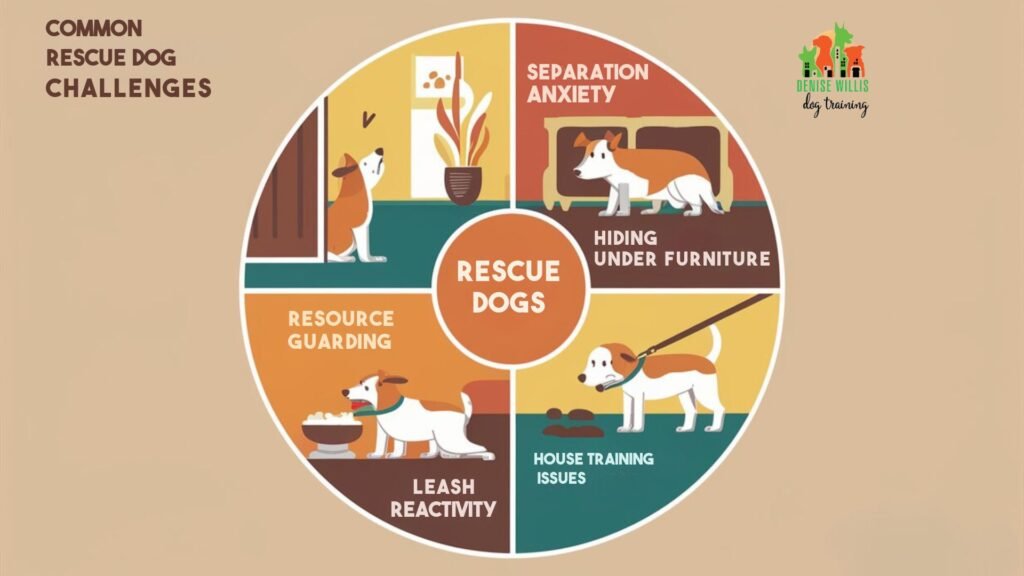
If you’ve ever wondered what life is like for a dog living in a shelter for a long time, you’re not alone. Understanding long-term shelter dog behavior can help you see these dogs in a whole new light.
You might be surprised by how much their time in the shelter changes the way they act. Whether you’re thinking about adopting or just curious, knowing what to expect can make all the difference. Keep reading to discover the real story behind these loyal companions and how you can help them thrive.
Common Traits In Long-term Shelter Dogs
Long-term shelter dogs show distinct behaviors shaped by their environment. These traits help us understand their needs better.
Recognizing common traits can improve how we care for these dogs and help them adjust to new homes.
Behavioral Patterns
Dogs living in shelters for a long time often develop specific behaviors. These can include withdrawal, excessive barking, or nervous pacing.
- Repeated pacing or circling in their kennel
- Overactive barking when people approach
- Shyness or hiding from visitors
- Difficulty trusting new people
- Chewing on cage bars or bedding
Emotional Challenges
Long-term shelter dogs often face stress and anxiety. These feelings can make them fearful or withdrawn.
| Emotional Challenge | Common Signs |
|---|---|
| Separation Anxiety | Whining, destructive behavior when alone |
| Fear | Cowering, trembling, avoiding eye contact |
| Depression | Lack of energy, loss of interest in play |
| Stress | Pacing, excessive licking, loss of appetite |
Physical Health Impact
Living in shelters for a long time can affect a dog’s health. Stress and limited space may cause some problems.
Common health issues include:
- Weight loss or gain due to irregular feeding
- Skin problems from constant scratching or allergies
- Weakened immune system from stress
- Joint stiffness from lack of exercise
Causes Behind Persistent Behaviors
Long-term shelter dogs often show behaviors that last a long time. These actions can be hard to change.
Understanding why these behaviors happen helps caretakers support the dogs better.
Environmental Factors
Shelter environments are very different from homes. They can cause stress and anxiety in dogs.
Loud noises, bright lights, and many animals nearby can make dogs feel unsafe.
- Limited space to move around
- Unpredictable daily routines
- High noise levels and echoes
- Strong smells from cleaning products
Past Trauma
Many shelter dogs have faced bad experiences. These can change how they act for a long time.
Fear from abuse or neglect can lead to shaking, hiding, or aggression in dogs.
- Fear of loud voices or sudden moves
- Distrust of humans or other dogs
- Startled reactions to touch or sounds
Lack Of Socialization
Dogs need to meet people and other dogs to learn good behavior. Shelter dogs may miss this chance.
Without social time, dogs can feel scared or lonely. They may act shy or overly excited.
- Fear of new people or animals
- Difficulty adjusting to new places
- Excessive barking or jumping
Behavioral Assessment Techniques
Long-term shelter dogs often show different behaviors than new arrivals. Assessing their behavior helps understand their needs.
Using clear techniques can guide staff to provide better care and improve adoption chances.
Observation Methods
Watching dogs in their daily routine gives clues about their true behavior. Staff look for signs of stress, play, or fear.
Observations happen during feeding, walking, and resting times. This helps spot patterns that tests might miss.
- Note how dogs react to people and other dogs
- Look for body language like tail wagging or cowering
- Check if the dog shows signs of anxiety or calmness
Standardized Tests
Standard tests give a clear way to measure dog behavior. They show how dogs respond to specific situations.
Tests often include simple tasks or controlled interactions. Results help compare behavior between dogs.
- Approach tests check if dogs are friendly or shy
- Resource guarding tests see if dogs protect food or toys
- Startle response tests show how dogs react to sudden noises
Identifying Triggers
Triggers are things that cause strong reactions in dogs. Finding these helps prevent stress or aggression.
Staff watch for triggers like loud sounds, certain people, or other dogs. This knowledge improves daily care and training.
- Loud noises like thunder or alarms
- Fast movements or sudden touches
- Presence of other dogs or strangers
- Confined spaces or busy areas
Strategies To Transform Behavior
Long-term shelter dogs may show behaviors from stress or fear. Changing these behaviors takes time and care.
Using clear strategies helps dogs feel safe and learn better ways to act. This guide covers three key strategies.
Positive Reinforcement Training
Positive reinforcement means giving rewards when a dog does something good. This teaches dogs to repeat good behavior.
Rewards can be treats, praise, or playtime. This method builds trust and encourages dogs to learn.
- Give treats for calm behavior
- Praise dogs when they follow commands
- Use toys for active dogs
- Avoid punishment or harsh words
Enrichment Activities
Enrichment keeps dogs busy and helps reduce stress. It gives their mind and body a healthy challenge.
Activities include puzzles, scent games, and new toys. These help dogs feel happier and less anxious.
- Food puzzles that make dogs work for treats
- Hide-and-seek games with toys or treats
- New smells to explore safely
- Safe chew toys to keep them busy
Consistency And Routine
Dogs feel safer with a clear daily routine. Regular feeding, walks, and rest times help reduce anxiety.
Consistent rules and commands help dogs understand what is expected. This lowers confusion and stress.
- Feed at the same times every day
- Take regular walks and playtimes
- Use the same commands for training
- Keep calm and patient with the dog
Role Of Shelter Staff And Volunteers
Shelter staff and volunteers have a big role in helping dogs behave well over time. Their work shapes how dogs feel and act inside the shelter.
They create a safe place, teach good habits, and support dogs daily. This helps dogs get ready for new homes.
Building Trust
Trust is the base for good behavior in shelter dogs. Staff and volunteers build trust by being gentle and consistent.
- Spend quiet time with each dog
- Use soft voices and slow movements
- Respect each dog’s space and comfort level
- Offer treats to create positive feelings
- Follow daily routines to reduce stress
Effective Communication
Good communication helps dogs understand what is expected. Shelter helpers use clear signals and consistent words.
| Communication Method | Purpose |
|---|---|
| Body Language | Shows calmness and safety |
| Voice Tone | Gives clear commands or praise |
| Hand Signals | Helps dogs learn without confusion |
| Positive Reinforcement | Encourages good behavior |
Ongoing Support
Long-term support helps dogs keep good habits and reduce anxiety. Staff and volunteers work together every day.
- Monitor each dog’s behavior and needs
- Adjust training to fit the dog's progress
- Provide regular exercise and playtime
- Offer social time with other dogs and people
- Keep detailed notes to share with new owners

Credit: www.aol.com
Preparing Dogs For Adoption
Preparing a long-term shelter dog for adoption involves several steps. It is important to focus on their behavior and ensure they are ready for a new home.
By understanding their needs, we can help them adjust better to family life. This involves patience, training, and love.
Behavioral Readiness
Behavioral readiness means the dog can cope with new environments. They should show signs of being calm and friendly.
- Teach basic commands like sit, stay, and come.
- Encourage social interaction with people and other animals.
- Provide a routine to help them feel secure.
Matching Dogs With Families
Finding the right family is crucial for a shelter dog. Each dog has unique traits that match different family lifestyles.
| Dog Trait | Family Type |
| Active | Outdoor enthusiasts |
| Calm | Families with young children |
| Independent | Busy professionals |
Post-adoption Follow-up
After adoption, follow-up helps ensure the dog adjusts well. It is essential to check both the dog’s and the family’s well-being.
Success Stories And Case Studies
Many dogs stay in shelters for a long time. These dogs often face challenges. But with love and care, they can change. Here, we explore their journeys, lessons, and impact on shelters.
Each dog’s story offers hope. These stories show that change is possible. Shelters learn from these experiences to help more dogs.
Transformational Journeys
Long-term shelter dogs can change greatly. With patience, they learn to trust humans. Many become loving pets.
One dog, named Max, was in a shelter for two years. He was scared of people. Volunteers spent time with him daily. Slowly, he began to trust them.
- Max learned new commands
- He started to enjoy walks
- Max was adopted by a loving family
Lessons Learned
Shelters learn from each dog’s story. They find new ways to help scared dogs. Patience and regular interaction are key.
Training helps dogs feel safe. Volunteers play a big role. They show dogs that humans can be kind.
- Regular routines comfort dogs
- Calm environments reduce stress
- Positive reinforcement builds trust
Impact On Shelter Practices
Success stories change how shelters work. They adopt new practices to help dogs faster. Training programs are improved.
More shelters now focus on long-term dogs. They offer special programs. This helps dogs find homes quicker.
| Practice | Impact |
| Individual attention | Builds trust |
| Calm spaces | Reduces anxiety |
| Training programs | Improves adoption rates |

Credit: www.aol.com

Credit: www.newsweek.com
Frequently Asked Questions
What Behaviors Develop In Long-term Shelter Dogs?
Long-term shelter dogs often show anxiety, stress, and withdrawal. They may also display hyperactivity or aggression due to extended confinement. These behaviors stem from lack of socialization and mental stimulation in shelters.
How Can Long-term Shelter Dogs Improve Behavior?
Consistent training, social interaction, and positive reinforcement help improve behavior. Providing regular exercise and mental enrichment reduces stress and promotes confidence. Patience and understanding are key to their behavioral progress.
Why Do Some Shelter Dogs Show Aggression?
Aggression in shelter dogs often results from fear, stress, or past trauma. Limited space and constant noise exacerbate these feelings. Proper assessment and gradual socialization help manage and reduce aggressive behaviors.
Can Long-term Shelter Dogs Adapt To New Homes?
Yes, with patience and support, long-term shelter dogs can adapt well. A stable environment, routine, and gentle training ease their transition. Building trust is essential for successful adaptation.
Conclusion
Long-term shelter dogs can show many behavior changes over time. Patience and gentle care help these dogs feel safe. Consistent routines make them trust people again. Every dog learns at its own pace. Small steps lead to big improvements in behavior.
Giving love and understanding makes a lasting difference. Shelter dogs deserve a chance to thrive outside. Their true personalities emerge with time and kindness. Helping them adjust brings joy to both dogs and owners. Keep hope alive for every shelter dog’s future.

Emily Barker is the founder of ChillDogLife.com, a space dedicated to helping pup parents discover the best dog products, lifestyle tips, and cozy ideas for happier homes.
A lifelong dog lover, Emily combines her passion for pets with a knack for research to share trusted recommendations on everything from toys and furniture to health and everyday care.
Her goal is simple: to make life easier, stylish, and more joyful for dogs and the people who love them.




