Have you ever noticed your dog growling or standing between you and a stranger? That’s called dog guarding behavior, and it can be confusing or even worrying.
Understanding why your dog acts this way is key to keeping everyone safe and happy. You’ll discover what triggers guarding behavior, how to recognize it early, and simple steps you can take to manage or prevent it. By learning these insights, you’ll feel more confident in handling your dog’s protective instincts—and strengthen the bond you share.
Keep reading to unlock the secrets behind your dog’s guarding habits.
Dog Guarding Behavior
Dog guarding behavior means a dog protects things it cares about. These things can be food, toys, or people.
Guarding is a natural way dogs keep their resources safe. It can cause problems if not managed well.
Common Signs Of Guarding
Dogs show guarding by acting in certain ways. These signs help owners understand when a dog feels protective.
- Growling or snarling when someone approaches
- Stiff body posture or staring
- Snapping or biting if touched near the guarded item
- Blocking access by standing or sitting near the item
- Showing teeth or lip licking
Why Dogs Develop Protective Instincts
Dogs guard because it helps them survive. It is a natural instinct passed down from wild ancestors.
Protective behavior grows from needs like food safety and feeling secure. Some dogs are more likely to guard than others.
- Protecting food or toys to keep them safe
- Guarding family members from strangers
- Feeling insecure or anxious in new places
- Past experiences that made them cautious
- Breed traits that encourage guarding
Credit: www.preventivevet.com
Triggers For Guarding
Dogs show guarding behavior to protect things they value. This can include food, toys, territory, or family members.
Several factors can trigger guarding. These triggers come from the environment, the dog’s family, and the dog’s breed.
Environmental Factors
Some places or situations make dogs feel more protective. Loud noises, strange people, or new animals nearby can trigger guarding. Changes in the home, like moving furniture or visitors, may also cause this behavior.
- Strange visitors or unfamiliar people
- Other animals entering the yard
- Loud or sudden noises
- Changes in the dog’s usual space
- Limited access to favorite items or food
Owner And Family Influence
Dogs watch how their owners act. If owners are protective or anxious, dogs might guard more. Family members’ reactions to guarding can also make it stronger or weaker.
| Owner Behavior | Effect on Dog |
| Calm and confident | Less guarding |
| Anxious or fearful | More guarding |
| Encouraging guarding | Strong guarding |
| Ignoring guarding | Guarding may grow |
Breed Tendencies
Some dog breeds are more likely to guard. Breeds bred for protection or herding often show stronger guarding. This trait can be natural and passed down through generations.
- German Shepherd
- Rottweiler
- Doberman Pinscher
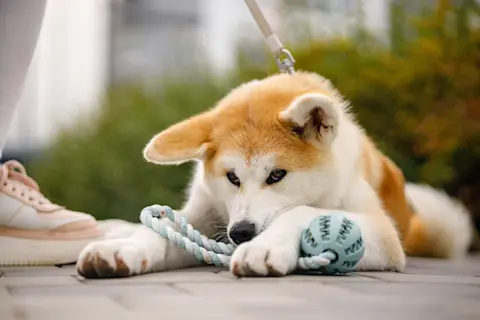
- Akita
- Chow Chow
Risks Of Unmanaged Guarding
Dog guarding behavior can become problematic if not managed well. It poses risks not only to the dog but also to people and other animals.
Understanding these risks helps in preventing unwanted incidents and ensuring a safe environment for everyone involved.
Aggression And Safety Concerns
Unmanaged guarding can lead to aggressive behavior in dogs. This behavior might result in biting or other forms of attacks.
- Dogs may become territorial and defensive.
- Strangers or visitors could be at risk.
- Other animals might face aggression from the dog.
Impact On Socialization
Guarding behaviors can affect a dog’s ability to socialize. It may hinder their interaction with other dogs and people.
Socialization is crucial for a dog’s mental health. Without it, dogs might become isolated and anxious.
Legal Implications
There are legal consequences if a dog exhibits aggressive guarding behavior. Owners might face fines or other penalties.
| Legal Issue | Possible Consequence |
| Bite Incident | Fines and Liability |
| Repeated Aggression | Restraining Orders |
| Uncontrolled Behavior | Mandatory Training |

Credit: www.preventivevet.com
Preventing Guarding Behavior
Guarding behavior in dogs means they protect things like food or toys. This can cause problems with people or other pets.
It is important to stop guarding early. Training and socializing can help dogs feel safe and calm.
Early Socialization Techniques
Start socializing your dog when it is a puppy. Let them meet different people and animals.
Expose your dog to new places and sounds. This helps them feel less scared or protective.
- Invite friends to gently handle your dog
- Introduce other dogs in safe settings
- Use treats to reward calm behavior
- Practice sharing toys and food
Positive Reinforcement Training
Reward your dog for good behavior. This teaches them to stay calm and share.
Use treats, praise, or playtime to encourage your dog. Avoid punishment as it can cause fear.
- Give a treat when your dog lets go of a toy
- Praise your dog for staying calm near food
- Train your dog to follow simple commands
- Practice regularly in short sessions
Setting Boundaries
Set clear rules for your dog about what is allowed. This helps reduce guarding behavior.
Do not let your dog growl or snap to keep things. Teach them to give items politely.
- Take items gently from your dog while giving a treat
- Do not disturb your dog while eating at first
- Use commands like “leave it” and “drop it”
- Be consistent and patient with training
Managing Guarding In Adult Dogs
Dog guarding behavior means a dog protects its food, toys, or space. This can cause problems for owners and visitors.
Managing guarding in adult dogs takes patience and clear steps. Training helps dogs feel safe and less protective.
Behavior Modification Strategies
Behavior changes help reduce guarding by teaching new habits. Reward calm behavior around guarded items.
Use positive rewards like treats or praise to encourage sharing. Avoid punishment, as it can increase fear.
- Offer treats near guarded items to build trust
- Trade guarded objects for better rewards
- Practice “leave it” and “drop it” commands
Professional Training Assistance
Trainers can help you understand guarding behavior and create a plan. They teach safe ways to work with your dog.
Experts use careful techniques to prevent stress and keep everyone safe. They guide owners through each step.
- Consult a certified dog behaviorist or trainer
- Get a personalized training plan
- Learn how to read your dog’s signals
Consistent Routine And Environment
Dogs feel safer with a steady schedule and familiar surroundings. Consistency lowers anxiety that causes guarding.
Feed your dog at the same times and keep their space calm. Avoid sudden changes that may trigger guarding.
- Keep feeding times regular
- Give your dog a quiet place to eat and rest
- Limit access to valuable items when not supervised
Tools And Aids
Dogs can show guarding behavior over food, toys, or spaces. Using tools and aids can help manage this. These tools ensure safety for both you and your dog.
Understanding how to use these tools helps in training your dog. Proper use can prevent unwanted guarding behavior.
Leashes And Muzzles
Leashes and muzzles are essential for managing a dog's behavior. They provide control and safety in various situations.
- Leashes help guide your dog during walks.
- Muzzles prevent biting and help in social settings.
- Both tools can be used during training sessions.
Safe Spaces And Crates
Creating a safe space for your dog is important. Crates offer a secure environment where your dog can relax.
Ensure the crate is the right size for your dog. It should be big enough for them to stand and turn around.
Training Devices
Training devices can help modify your dog's behavior effectively. Using these tools correctly enhances learning and reduces guarding tendencies.
| Device | Purpose |
| Clicker | Reinforces positive behavior |
| Treat pouch | Holds rewards for training |
| Training collar | Provides gentle corrections |
When To Seek Help
Dog guarding behavior can be a serious issue. It may cause harm to people or other pets. Knowing when to get help is important for safety.
Some signs show the problem is severe. Other times, you need advice from a professional trainer or a vet who knows about behavior.
Signs Of Severe Aggression
Severe aggression is a warning that you should seek help quickly. Watch for these signs in your dog:
- Growling or snapping without clear cause
- Showing teeth or lunging at people or other pets
- Refusing to obey commands near guarded items
- Sudden attacks that seem unprovoked
- Stiff body posture and intense staring
Finding Qualified Trainers
Not all dog trainers can handle guarding behavior. Look for trainers who specialize in aggression and use gentle methods.
| Trainer Qualities | Why It Matters |
| Experience with aggression | They understand triggers and safe management |
| Positive reinforcement methods | Builds trust and reduces fear |
| Good references | Shows successful past work |
| Clear communication | Keeps you informed and involved |
Veterinary Behavioral Consultation
Sometimes guarding comes from health problems or anxiety. A vet behaviorist can find medical causes and suggest treatments.
Here are signs you should see a veterinary behaviorist:
- Your dog’s aggression started suddenly or worsened quickly
- Medications might help reduce anxiety or pain
- You want a full health check before training
- Behavior changes with new environments or events
Credit: www.discovermagazine.com
Frequently Asked Questions
What Is Dog Guarding Behavior?
Dog guarding behavior is when a dog protects resources like food, toys, or territory. It’s a natural instinct for survival and security.
Why Do Dogs Show Guarding Behavior?
Dogs guard to protect valuable resources and feel safe. It stems from their pack instincts and fear of losing what they value.
How Can I Stop My Dog’s Guarding Behavior?
Consistent training, positive reinforcement, and controlled socialization help. Avoid punishment; instead, teach sharing and reward calm behavior near guarded items.
Is Dog Guarding Behavior Dangerous?
It can be if the dog feels threatened and reacts aggressively. Early intervention and training reduce risks and promote safe interactions.
Conclusion
Dog guarding behavior can be tricky to handle. It often shows a dog’s need to protect its space or items. Understanding why dogs guard helps you stay calm and safe. Training and patience can reduce this behavior over time. Always use gentle methods to build trust with your dog.
Remember, consistent care makes a big difference. You can enjoy a happier, safer relationship with your dog. Keep learning and stay patient—it’s worth it.

Emily Barker is the founder of ChillDogLife.com, a space dedicated to helping pup parents discover the best dog products, lifestyle tips, and cozy ideas for happier homes.
A lifelong dog lover, Emily combines her passion for pets with a knack for research to share trusted recommendations on everything from toys and furniture to health and everyday care.
Her goal is simple: to make life easier, stylish, and more joyful for dogs and the people who love them.




