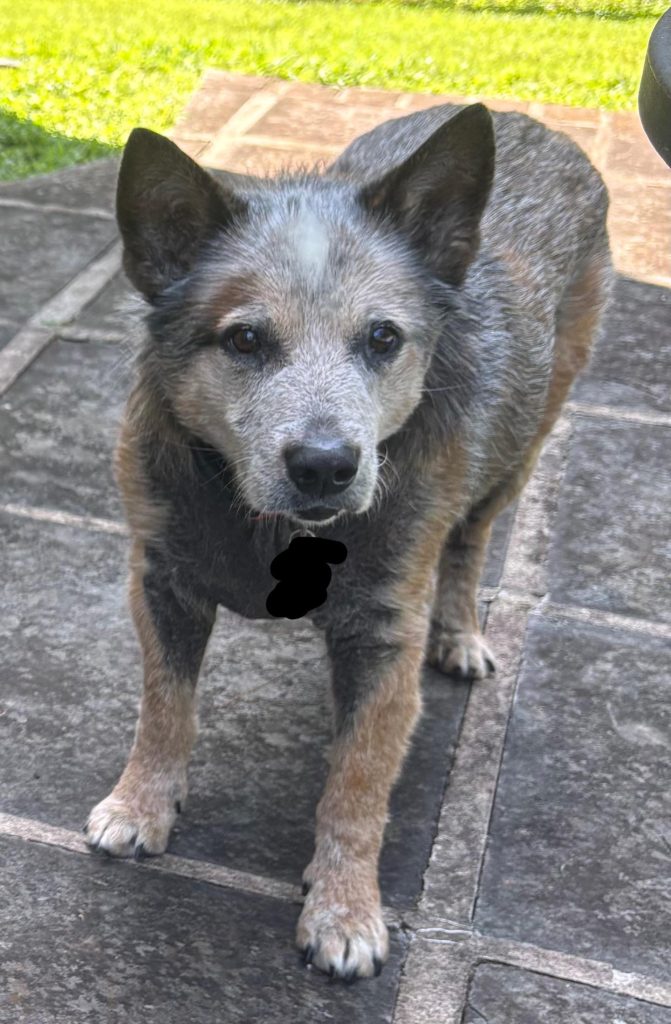
Are you worried about your Australian Cattle Dog showing signs of aggressive behavior? You’re not alone.
Understanding why your dog acts aggressively can be confusing and even frightening. But knowing the reasons behind this behavior is the first step to helping your loyal companion feel calm and safe. You’ll discover what triggers aggression in Australian Cattle Dogs and practical ways to manage it.
Keep reading to learn how you can build a stronger, happier bond with your dog—without fear or frustration.

Credit: www.reddit.com
Traits Of Australian Cattle Dogs
Australian Cattle Dogs are strong and smart. They have unique traits that affect their behavior.
This breed is known for its energy and protective nature. Understanding these traits helps manage their behavior well.
Temperament And Instincts
Australian Cattle Dogs are alert and loyal. They have strong herding instincts that make them good working dogs.
- Highly intelligent and quick learners
- Strong protective instincts toward family
- Natural herders with a need to control movement
- Can be wary of strangers
- Require regular mental and physical exercise
Common Behavioral Patterns
This breed shows behaviors linked to its working dog roots. They need tasks to stay happy and calm.
| Behavior | Description |
|---|---|
| Herding | Tendency to nip or chase moving objects or people |
| Guarding | Protects home and family by alert barking and watching |
| High Energy | Needs plenty of exercise to avoid restlessness |
| Social Behavior | Can be reserved with strangers but loyal to owners |
| Training Response | Responds well to firm, consistent commands |

Credit: www.reddit.com
Reasons Behind Aggression
Aggression in Australian Cattle Dogs can be a concern for owners. Understanding why it happens helps manage it better. Several factors cause aggressive behavior in this breed.
These reasons include genetics, environment, and health. Each plays a role in shaping how the dog reacts to people and other animals.
Genetic Factors
Australian Cattle Dogs were bred to herd cattle. This bred in some natural protective and sometimes aggressive traits. Genetics can pass these behaviors to puppies.
- Strong herding instinct
- Protectiveness of territory
- High energy and alertness levels
- Possible inherited fear or anxiety
Environmental Influences
The dog’s surroundings shape its behavior a lot. Poor socialization or rough handling can increase aggression. Calm and positive environments reduce it.
| Environmental Factor | Effect on Aggression |
| Lack of Socialization | Increases fear and aggression |
| Harsh Training Methods | Causes defensive aggression |
| Neglect or Abuse | Leads to mistrust and hostility |
| Positive Interaction | Reduces aggression |
Health-related Causes
Health issues can make a normally calm dog aggressive. Pain or illness often causes irritability and defensive behavior.
Common health problems linked to aggression include:
- Arthritis causing pain
- Dental disease leading to discomfort
- Neurological disorders affecting mood
- Hormonal imbalances like thyroid issues
Signs Of Aggressive Behavior
Aggression in Australian Cattle Dogs can be seen through their body language and actions. Knowing these signs helps you keep safe and understand your dog better.
This guide explains common body cues and sounds that show when your dog feels aggressive or threatened.
Body Language Cues
Watch your dog’s posture and movements. These clues tell you if it feels angry or scared.
- Stiff body stance with raised hackles
- Direct, hard stare without blinking
- Ears pinned back or standing very tall
- Tail held high and rigid or tucked tightly
- Lips curled to show teeth or snarling
- Growling with a tense face and wrinkled nose
Vocalizations And Actions
Aggressive dogs use sounds and behaviors to warn others. These can happen before biting or attacking.
| Vocalization | Meaning |
| Low growl | Warning to stay away |
| Snarl | Feeling threatened or ready to attack |
| Barking sharply | Alert or challenge |
| Snapping | Defensive or aggressive strike |
| Charging forward | Threat or attack |
Preventing Aggression Early
Aggression in Australian Cattle Dogs can cause problems if not addressed early. Starting prevention early helps your dog grow calm and well-behaved.
Understanding socialization and training are key to stopping aggressive behavior before it starts.
Socialization Techniques
Socializing your Australian Cattle Dog means introducing it to many people and animals. This helps the dog feel safe and less aggressive.
- Start socialization when your dog is a puppy
- Invite friends and family to meet your dog often
- Take your dog to parks and pet-friendly places
- Allow your dog to meet other dogs calmly
- Use treats and praise to reward calm behavior
Proper Training Methods
Training your dog with clear rules and routines reduces confusion. It also lowers chances of aggressive acts.
| Training Method | Purpose | Example |
| Positive Reinforcement | Encourages good behavior | Reward with treats for obeying commands |
| Consistent Commands | Builds clear communication | Use the same words for each command |
| Regular Exercise | Releases energy and stress | Daily walks and playtime |
| Controlled Social Interaction | Prevents fear and aggression | Supervised meetings with other dogs |
Managing Aggression Safely
Aggressive behavior in Australian Cattle Dogs can be challenging. Safe management helps protect both the dog and people around it.
Understanding the causes and using proper techniques can reduce aggression. This keeps your dog calm and controlled.
Behavior Modification Strategies
Change your dog’s aggressive habits with careful training. Use positive rewards to encourage good behavior.
Avoid punishment, as it may increase fear or aggression. Consistency and patience are important for success.
- Use treats to reward calm actions
- Practice commands like “sit” and “stay”
- Redirect attention from triggers to toys
- Socialize your dog with other dogs safely
- Keep training sessions short and regular
Professional Help And Resources
Seek help from a vet or dog trainer if aggression continues. Experts can find causes and suggest tailored plans.
Use books and online guides from trusted sources. Join local dog clubs for support and advice.
- Certified dog behaviorists
- Veterinarians experienced with aggressive dogs
- Positive reinforcement trainers
- Support groups for Australian Cattle Dog owners
- Educational workshops and seminars

Credit: www.reddit.com
Creating A Calm Environment
Australian Cattle Dogs can show aggressive behavior if they feel stressed. A calm environment helps them feel safe and relaxed.
Managing your dog’s surroundings is key to reducing aggression. Focus on providing a peaceful home.
Exercise And Mental Stimulation
Australian Cattle Dogs need daily exercise to burn off energy. Physical activity reduces stress and promotes calmness.
Engage their minds with toys and puzzles. Mental challenges tire them out, making them less likely to be aggressive.
- Walks twice a day
- Play fetch or frisbee
- Interactive puzzle toys
Consistent Routine And Boundaries
Dogs feel secure when they know what to expect. A consistent routine helps manage their behavior.
Set clear boundaries for your dog. Rules and limits make them feel safe and understood.
- Regular feeding times
- Designated play areas
- Consistent training commands
Frequently Asked Questions
What Causes Aggressive Behavior In Australian Cattle Dogs?
Aggression often stems from fear, lack of socialization, or protective instincts. Proper training and early socialization reduce this behavior effectively.
How Can I Prevent Aggression In My Australian Cattle Dog?
Start socializing your dog early with people and pets. Use positive reinforcement training and provide mental stimulation to prevent aggression.
Are Australian Cattle Dogs Naturally Aggressive?
They are protective and alert but not naturally aggressive. Proper training and socialization help manage their assertive traits.
How To Handle An Aggressive Australian Cattle Dog Safely?
Stay calm and avoid sudden movements. Use commands and seek professional training if aggression persists or worsens.
Conclusion
Australian Cattle Dogs can show aggressive behavior sometimes. This often comes from fear, lack of training, or boredom. Understanding their needs helps reduce these actions. Consistent training and socializing make a big difference. Give them enough exercise and mental challenges.
Patience and care build trust and calmness. Aggression does not have to control your dog’s life. With attention and love, they become loyal companions. Every dog is different; observe and learn their signals. Your effort shapes a happy, well-behaved Australian Cattle Dog.

Emily Barker is the founder of ChillDogLife.com, a space dedicated to helping pup parents discover the best dog products, lifestyle tips, and cozy ideas for happier homes.
A lifelong dog lover, Emily combines her passion for pets with a knack for research to share trusted recommendations on everything from toys and furniture to health and everyday care.
Her goal is simple: to make life easier, stylish, and more joyful for dogs and the people who love them.




