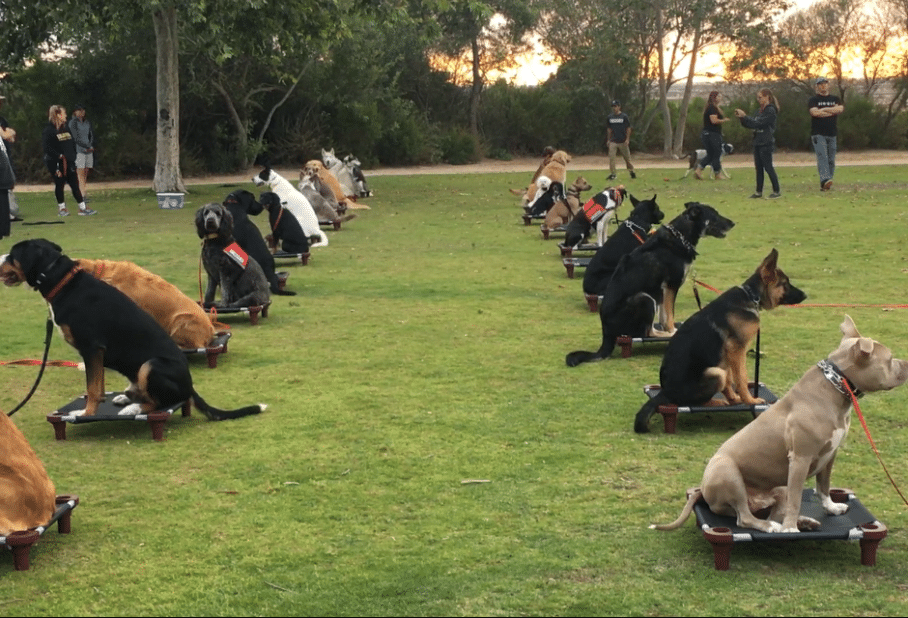
Are you struggling to understand why your dog acts the way it does? Imagine having the tools to unlock your pet’s true potential and build a stronger bond.
Dog behavior schools offer exactly that—helping you decode your dog’s actions and guide them toward better habits. Whether your furry friend is overly energetic, shy, or simply misunderstood, learning from experts can transform your daily life together. Keep reading to discover how these schools can make a real difference for you and your dog.

Credit: www.animalbehaviorcollege.com
Benefits Of Dog Behavior Schools
Dog behavior schools help dogs learn how to behave well around people and other animals. They teach dogs important skills for daily life.
These schools also guide owners on how to train and understand their dogs better. This creates a happier home for both.
Improved Obedience And Manners
Dogs learn to follow commands like sit, stay, and come. This makes them easier to control in different situations.
Good manners help dogs behave politely indoors and outdoors. They avoid jumping on people or barking too much.
- Respond to basic commands
- Walk calmly on a leash
- Wait patiently for food or attention
Enhanced Socialization Skills
Dogs meet other dogs and people in a safe place. This helps them become friendly and less fearful.
Social skills prevent aggression and anxiety. Dogs learn how to play and share space calmly.
- Interact well with other dogs
- Stay calm around strangers
- Handle new environments easily
Addressing Behavioral Issues
Behavior schools help fix problems like barking, chewing, or biting. Trainers use safe methods to change bad habits.
Early help stops small issues from becoming bigger problems. Dogs learn to be calm and focused.
- Reduce excessive barking
- Stop destructive chewing
- Prevent jumping on people
Strengthening Owner-pet Bond
Training together builds trust between dogs and owners. Owners learn how to communicate clearly with their pets.
Strong bonds make dogs feel safe and loved. This improves their behavior and happiness.
- Learn to read dog signals
- Practice commands together
- Enjoy shared activities
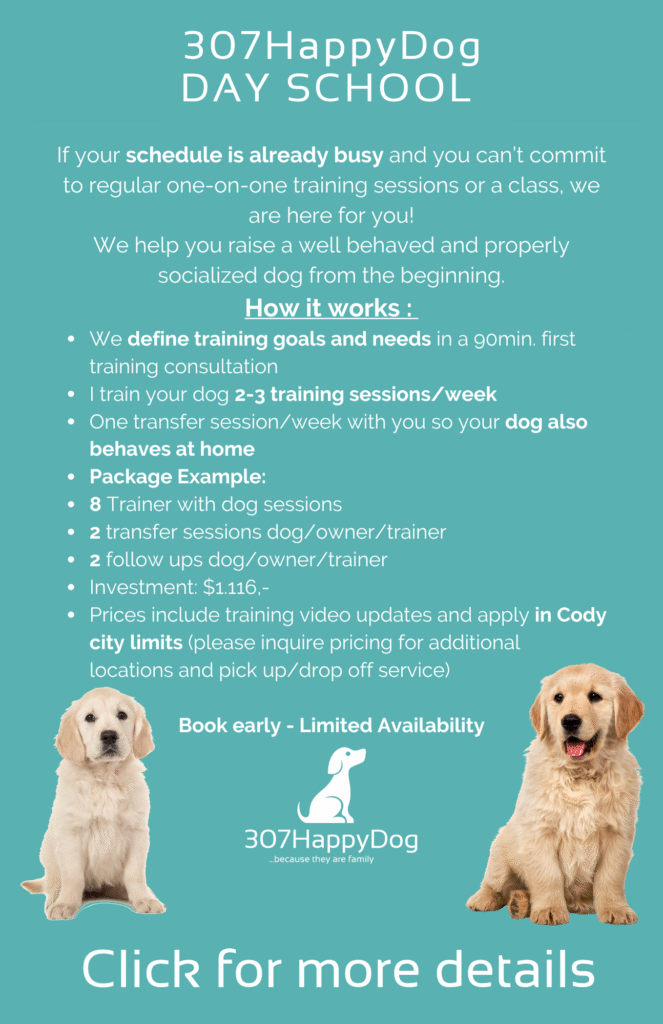
Credit: 307happydog.com
Types Of Training Programs
Dog behavior schools offer various training programs to help your pet learn good habits. These programs cover basic skills and solve behavior problems.
Choosing the right training helps dogs become well-mannered and happy members of your family.
Basic Obedience Training
This program teaches dogs simple commands like sit, stay, and come. It builds a strong foundation for good behavior.
- Learn to respond to voice commands
- Practice leash walking without pulling
- Understand house rules and boundaries
- Improve focus and attention
Advanced Behavior Modification
This training helps fix difficult behaviors such as aggression or anxiety. It uses special techniques to change how dogs react to triggers.
| Behavior Issue | Training Focus | Goal |
| Separation Anxiety | Comfort and independence | Reduce stress when alone |
| Fear of Loud Noises | Desensitization exercises | Stay calm during storms |
| Excessive Barking | Impulse control | Quiet on command |
Puppy Socialization Classes
These classes help puppies meet other dogs and people. Socialization builds confidence and reduces fear in new situations.
Key benefits of socialization:
- Learn to play nicely with others
- Get used to different sounds and sights
- Build trust with new people
- Prevent future behavior problems
Specialized Problem-solving Sessions
These sessions focus on specific behavior issues unique to each dog. Trainers work closely with owners to find solutions.
- Address food guarding or resource aggression
- Manage hyperactivity and focus problems
- Correct inappropriate chewing or digging
- Help dogs adjust to new homes or routines
Choosing The Right School
Choosing a dog behavior school can be hard. The right school helps your dog learn good habits. It also makes training safe and fun.
Look at many things before you pick a school. This guide covers important points to check.
Credentials And Experience
Good schools have trainers with proper credentials. Trainers should have certificates from trusted groups. Experience with many dog breeds is also key.
Ask about how long the trainers have worked with dogs. Schools with years of experience often know how to handle tough cases.
Training Methods Used
The training style affects your dog’s learning. Positive reinforcement helps dogs learn with rewards. Avoid schools that use harsh methods.
- Reward-based training
- Clicker training
- Behavior adjustment techniques
- Avoid punishment or fear-based methods
Class Sizes And Settings
Class size affects how much attention your dog gets. Smaller classes mean more trainer time. The setting should be calm and safe.
| Class Size | Trainer Attention | Environment |
| 1-3 dogs | High | Quiet, controlled |
| 4-6 dogs | Medium | Structured, safe |
| 7+ dogs | Low | May be noisy |
Reviews And Success Stories
Check reviews from other dog owners. Success stories show how well the school works. Look for honest feedback about results and care.
- Did the training improve behavior?
- Was the staff friendly and helpful?
- Did the dog enjoy the classes?
- Were problems handled well?
What To Expect During Training
Dog behavior schools help dogs learn good manners and new skills. Training is a step-by-step process that builds trust.
Understanding what happens during training can make the experience better for you and your dog.
Initial Assessment Process
The first step is an initial assessment to understand your dog’s behavior. Trainers observe how your dog acts in different situations.
This helps trainers create a plan that fits your dog’s needs and personality.
- Meet and greet to see your dog’s temperament
- Discuss your dog’s history and challenges
- Check basic commands and social skills
- Identify specific behavior issues
Typical Training Sessions
Training sessions usually last 30 to 60 minutes. They include exercises that teach your dog new commands and behaviors.
Sessions are fun and use positive reinforcement to encourage good behavior.
- Warm-up with simple commands
- Practice new skills or correct problems
- Use treats or praise to reward success
- End with calm, positive interaction
Owner Involvement And Homework
Owners play a key role in training success. You will learn how to reinforce lessons at home.
Homework helps your dog practice skills regularly and build good habits.
- Daily short training sessions
- Practice commands in different places
- Keep training consistent and positive
- Track your dog’s reactions and progress
Tracking Progress And Results
Trainers monitor your dog’s progress throughout the program. They adjust training plans as needed.
Regular feedback helps you see improvements and areas to work on.
- Record successes and challenges
- Trainer evaluations after sessions
- Adjust goals based on progress
- Celebrate milestones and improvements
Tips To Maintain Good Behavior At Home
Good behavior in dogs makes life easier for everyone. Teaching your dog at home helps them stay happy and calm.
Use simple steps to keep your dog well-behaved. These tips work best when done every day.
Consistent Commands And Rewards
Use the same words for commands every time. This helps your dog understand what you want.
Reward good behavior with treats or praise. This makes your dog want to behave well.
- Choose simple commands like “sit” or “stay”
- Give a treat right after good behavior
- Use a happy voice to praise your dog
- Avoid changing command words often
Setting Clear Boundaries
Dogs need to know where they can and cannot go. Clear boundaries help reduce confusion.
Use gates or simple rules to mark these areas. Be firm and consistent with your dog.
- Set limits for furniture or rooms
- Use a crate for quiet time
- Say “no” gently but firmly when rules break
- Keep rules the same for everyone in the home
Regular Exercise And Mental Stimulation
Exercise helps your dog burn energy and stay calm. Mental games keep their brain active.
Daily walks and playtime improve behavior. Puzzle toys and training challenge their minds.
- Take your dog for a walk every day
- Play fetch or tug-of-war games
- Use puzzle toys with treats inside
- Practice short training sessions often
Continued Socialization Opportunities
Socializing your dog helps them feel comfortable around others. This reduces fear and aggression.
Introduce your dog to new people, animals, and places regularly. Keep the experiences positive and calm.
- Visit dog parks or pet-friendly areas
- Invite friends over to meet your dog
- Attend group training or play sessions
- Use treats to reward calm behavior around others

Credit: www.usadogbehavior.com
Frequently Asked Questions
What Are Dog Behavior Schools?
Dog behavior schools are training centers focused on improving canine behavior. They teach obedience, socialization, and address specific issues. These schools use positive reinforcement and expert techniques to help dogs and owners communicate better.
How Do Dog Behavior Schools Help With Aggression?
They assess the root cause of aggression and create personalized training plans. Techniques include behavior modification, desensitization, and controlled socialization. Professional trainers guide owners on managing and reducing aggressive tendencies safely.
Can Dog Behavior Schools Fix Separation Anxiety?
Yes, dog behavior schools offer strategies to reduce separation anxiety. They use gradual desensitization, counter-conditioning, and environmental management. Trainers also educate owners on creating positive associations when alone.
What Should I Look For In A Dog Behavior School?
Look for certified trainers, positive reinforcement methods, and tailored programs. Check reviews, success rates, and training environment. A reputable school prioritizes the dog’s well-being and owner education.
Conclusion
Dog behavior schools help dogs learn good habits and manners. They also build trust between dogs and owners. Training sessions are simple and fun for dogs. Consistent practice brings better results every day. Choose a school that fits your dog’s needs.
This way, your dog grows happy and well-behaved. Good training makes life easier for both of you. Start early and enjoy a stronger bond with your dog.

Emily Barker is the founder of ChillDogLife.com, a space dedicated to helping pup parents discover the best dog products, lifestyle tips, and cozy ideas for happier homes.
A lifelong dog lover, Emily combines her passion for pets with a knack for research to share trusted recommendations on everything from toys and furniture to health and everyday care.
Her goal is simple: to make life easier, stylish, and more joyful for dogs and the people who love them.




