
Have you ever wondered why some puppies seem nervous, shy, or even aggressive right from the start? If you’ve brought home a dog from a puppy mill, you might notice behaviors that are hard to understand or handle.
These behavior issues don’t come from nowhere—they often stem from the harsh conditions these dogs face before coming to you. Understanding what your puppy has been through can help you offer the right care and support. Keep reading to discover why puppy mill dogs act the way they do and how you can help your new companion thrive.
Origins Of Behavior Issues
Puppy mill dogs often show behavior problems. These problems come from where and how they were raised. Understanding the roots helps us care for them better.
Many behavior issues start early. The conditions in puppy mills affect how dogs act later in life.
Breeding Conditions Impact
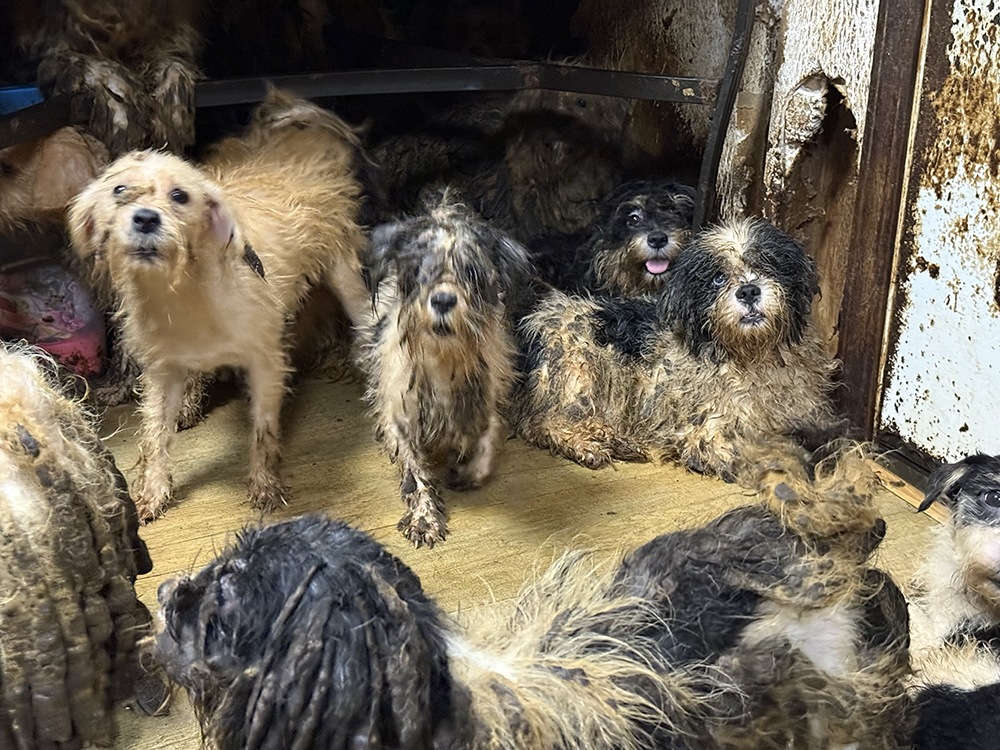
Puppy mills keep dogs in small, crowded places. These tight spaces cause stress and fear. Stress changes how dogs behave.
Dogs in bad breeding conditions may grow up scared or aggressive. They do not learn how to trust people. This leads to biting or hiding.
Early Socialization Deficits
Socialization means meeting other dogs and people early on. Puppy mill dogs miss this chance. They do not learn good manners or how to play.
Without socialization, dogs can be shy or anxious. They may also be overly fearful of new things or people.
- Fear of new people or places
- Difficulty playing with other dogs
- Increased anxiety in new situations
Health Problems And Behavior
Many puppy mill dogs have health issues from poor care. Pain or sickness can make dogs act differently. They might growl or avoid touch.
Health problems also reduce energy and make dogs less active. This can look like depression or laziness but is due to illness.
- Chronic pain leads to irritability
- Illness causes withdrawal from people
- Poor health reduces playfulness
Common Behavior Problems
Puppy mill dogs often face many behavior issues. These problems arise from their difficult pasts. Understanding these behaviors helps in their care.
Common problems include anxiety, aggression, and excessive barking. Each issue requires patience and understanding.
Anxiety And Fearfulness
Puppy mill dogs often show anxiety. They may fear people and new environments. This is due to lack of socialization in their early lives.
Fearfulness can lead to hiding and trembling. Gentle handling and consistent routines help reduce their anxiety.
- Avoid sudden loud noises
- Provide a safe space
- Introduce new people slowly
Aggression And Reactivity
Aggression is common in dogs from puppy mills. They may react strongly to other animals and people. This is a defense mechanism.
Reactivity can be managed with training. Positive reinforcement and professional help are beneficial.
- Use positive reinforcement techniques
- Seek professional training if needed
- Avoid situations that trigger aggression
Excessive Barking And Destructiveness
Excessive barking is often seen in these dogs. They may bark due to boredom or fear. Destructiveness can also occur when they are left alone.
Providing toys and activities can help. Regular exercise is also important to reduce these behaviors.
- Provide engaging toys
- Ensure regular physical activity
- Consider crate training for safety
Recognizing Signs In Puppies
Puppies from puppy mills often show behavior problems. These problems come from poor care and lack of socialization.
It is important to spot early signs of trouble. Recognizing these signs helps you give the right support.
Body Language Clues
Puppy mill dogs may have stiff bodies or lowered tails. They often avoid eye contact or hide from people.
Watch for signs like trembling, cowering, or raised hackles. These show fear or stress in the puppy.
- Stiff or tense posture
- Tail held low or tucked
- Avoiding eye contact
- Trembling or shaking
- Hiding or trying to escape
Unusual Responses To Stimuli
Puppies from mills often react oddly to sounds or touch. They may freeze, bark, or growl without clear reasons.
Some puppies show no reaction to loud noises or sudden movements. This can mean they are numb to normal feelings.
- Freezing when touched or approached
- Overreacting to common sounds
- No response to loud noises
- Fear or aggression without cause
Difficulty In Training
Puppy mill dogs may struggle to learn basic commands. They often have short attention spans and fear new tasks.
These puppies might not respond to praise or treats. They need more patience and gentle guidance during training.
- Short attention span
- Fear of new commands
- Poor response to rewards
- Need for slow, patient training
Credit: www.humaneworld.org
Challenges In Rehabilitation
Rehabilitating dogs from puppy mills is a hard and slow process. These dogs face many behavior problems that need special care.
Each dog is different, and understanding their needs takes time and patience. The goal is to help them feel safe and loved.
Building Trust Slowly
Many puppy mill dogs have never had kind human contact. They may fear people and hide from touch. Building trust is key to their recovery.
- Use calm and soft voices
- Offer treats to create positive feelings
- Spend quiet time near the dog without forcing contact
- Allow the dog to come closer when ready
- Respect the dog’s space and signs of stress
Addressing Medical Needs
Many puppy mill dogs have untreated health problems. Pain or illness can cause fear and aggression. Medical care is part of their healing.
| Common Issues | Effects on Behavior |
| Skin infections | Itching causes irritability |
| Dental disease | Pain makes dogs less social |
| Parasites | Weakness lowers energy |
| Malnutrition | Low energy and fearfulness |
Behavioral Therapy Approaches
Therapy helps puppy mill dogs learn new behaviors. It reduces fear and builds confidence. Training should be gentle and reward-based.
Key therapy methods include:
- Desensitization to sounds and touch
- Positive reinforcement for calm behavior
- Structured routines to provide security
- Socialization with other dogs and people
Supporting Puppy Mill Survivors
Puppy mill dogs often face many behavior problems. These dogs need special care and patience.
Helping them feel safe and loved is very important. You can support their recovery with simple steps.
Safe Environment Setup
Create a calm and quiet space for the dog. Loud noises and many people can scare them.
Use soft bedding and keep the area clean. This helps the dog feel comfortable and relaxed.
- Choose a quiet room away from busy areas
- Provide a cozy bed with soft blankets
- Keep food and water bowls nearby
- Remove anything that might frighten the dog
Consistent Routine Importance
Puppy mill survivors need a steady daily schedule. Routine helps reduce their stress and fear.
Feed, walk, and play with the dog at the same times each day. This builds trust and safety.
- Set fixed times for meals and bathroom breaks
- Include regular short walks or playtimes
- Keep bedtime consistent for good rest
- Stick to the routine even on weekends
Positive Reinforcement Techniques
Use rewards to encourage good behavior. Treats, praise, and gentle petting work well.
Avoid punishment or harsh words. These dogs need kindness to build confidence.
- Give a small treat when the dog follows a command
- Use calm, happy voices for praise
- Reward calm and relaxed behavior often
- Be patient and repeat training gently
Credit: hsmo.org
Preventing Future Issues
Puppy mill dogs often face behavior problems. Preventing these issues starts before adoption. Careful steps can help dogs and owners live happily.
Understanding how to adopt, speak up against puppy mills, and teach owners helps stop these problems early.
Responsible Adoption Practices
Choosing a dog from a safe and caring source reduces behavior problems. Adoption centers that check health and temperament help dogs adjust well.
- Visit shelters or rescue groups
- Ask about the dog’s background and health
- Spend time with the dog before deciding
- Avoid buying from unknown breeders or pet stores
- Prepare your home for the new dog
Advocacy Against Puppy Mills
Puppy mills cause many behavior issues by keeping dogs in poor conditions. Speaking out helps reduce these mills and protects dogs.
Ways to advocate include:
- Support laws banning puppy mills
- Report illegal breeders to authorities
- Share facts about puppy mills on social media
- Buy from responsible breeders who care for their dogs
Educating Prospective Owners
Teaching new dog owners helps stop future behavior problems. Owners learn how to care and train their pets properly.
| Topic | Why It Matters |
| Proper Training | Builds good habits early |
| Socialization | Reduces fear and aggression |
| Regular Vet Visits | Prevents health issues that affect behavior |
| Understanding Dog Needs | Improves overall well-being |
Credit: www.humaneworld.org
Frequently Asked Questions
What Behavior Issues Do Puppy Mill Dogs Commonly Have?
Puppy mill dogs often show anxiety, fear, and aggression. They may also exhibit poor socialization and excessive barking. These behaviors stem from neglect and lack of proper care in mills. Early intervention and training can help improve their behavior and well-being.
How Does Puppy Mill Environment Affect Dog Behavior?
The crowded and stressful conditions in puppy mills cause emotional trauma. Dogs raised in mills often develop fear and trust issues. Lack of social interaction leads to poor social skills and anxiety. This environment negatively impacts their mental and emotional health long-term.
Can Puppy Mill Dogs Be Rehabilitated Behaviorally?
Yes, with patience and proper training, rehabilitation is possible. Consistent positive reinforcement and socialization help build trust. Professional trainers and behaviorists can address trauma-related issues effectively. Recovery varies by individual but many dogs improve significantly over time.
Why Do Puppy Mill Dogs Show Fear And Aggression?
Fear and aggression in puppy mill dogs result from abuse and neglect. Lack of socialization and stressful living conditions cause mistrust of humans. These dogs often react defensively to protect themselves. Understanding their past trauma is key to managing these behaviors.
Conclusion
Puppy mill dogs often face many behavior challenges. These issues come from poor care and little social time. Patience and love help dogs heal and grow. Training with kindness builds trust and confidence. Understanding their past helps owners respond better.
Every dog deserves a safe, caring home. Helping these dogs means giving them a fresh start. Small steps bring big changes in behavior. Choose adoption wisely and support responsible breeders. Caring for puppy mill dogs takes heart and effort.

Emily Barker is the founder of ChillDogLife.com, a space dedicated to helping pup parents discover the best dog products, lifestyle tips, and cozy ideas for happier homes.
A lifelong dog lover, Emily combines her passion for pets with a knack for research to share trusted recommendations on everything from toys and furniture to health and everyday care.
Her goal is simple: to make life easier, stylish, and more joyful for dogs and the people who love them.




