Have you ever wondered why your dog acts a certain way? Understanding dog behavior can help you build a stronger bond with your furry friend.
When you know what your dog is trying to tell you, it becomes easier to meet their needs and avoid frustration. This article will give you simple, clear insights into common dog behaviors. By the end, you’ll feel more confident and connected with your pet than ever before.
Keep reading to unlock the secrets behind your dog’s actions and improve your relationship today.
Common Dog Behaviors
Dogs use many behaviors to communicate with people and other animals. Learning these behaviors helps us understand what dogs feel or need.
Watching dog behavior closely can improve your relationship with your pet. It also keeps both of you safe and happy.
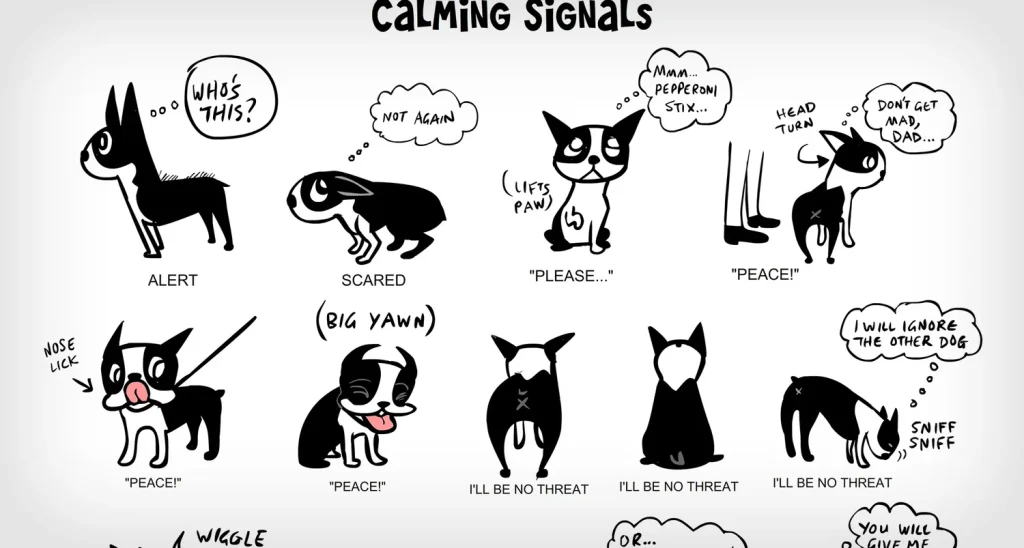
Body Language Signals
Dogs use their bodies to show feelings and intentions. Their tail, ears, eyes, and posture all send messages.
Reading these signals helps you know if a dog is happy, scared, or upset.
- Tail wagging usually means excitement or friendliness
- Raised hackles show fear or aggression
- Relaxed body and soft eyes indicate calmness
- Pinned-back ears often mean nervousness or submission
- Direct stare can be a challenge or threat
Vocalizations And Their Meanings
Dogs use sounds to express themselves. Barking, growling, whining, and howling all have different meanings.
Listening carefully to these sounds helps you understand your dog’s needs or warnings.
- Barking can mean alert, play, or stress
- Growling warns to stop or shows discomfort
- Whining signals anxiety or desire for attention
- Howling is a way to call or respond to sounds
Play And Social Interaction
Play is important for dogs to learn social skills. It helps them practice behaviors like biting gently and taking turns.
Dogs also use play to bond with humans and other dogs. Watching play style shows their mood and comfort.
- Play bow invites others to play
- Chasing games build trust and fun
- Sharing toys teaches patience and sharing
- Gentle mouthing shows friendly interaction
Causes Of Behavioral Issues
Understanding why dogs behave in certain ways helps owners provide better care. Behavioral issues often have clear causes.
Knowing these causes can improve training and reduce stress for both dogs and owners.
Anxiety And Stress Triggers
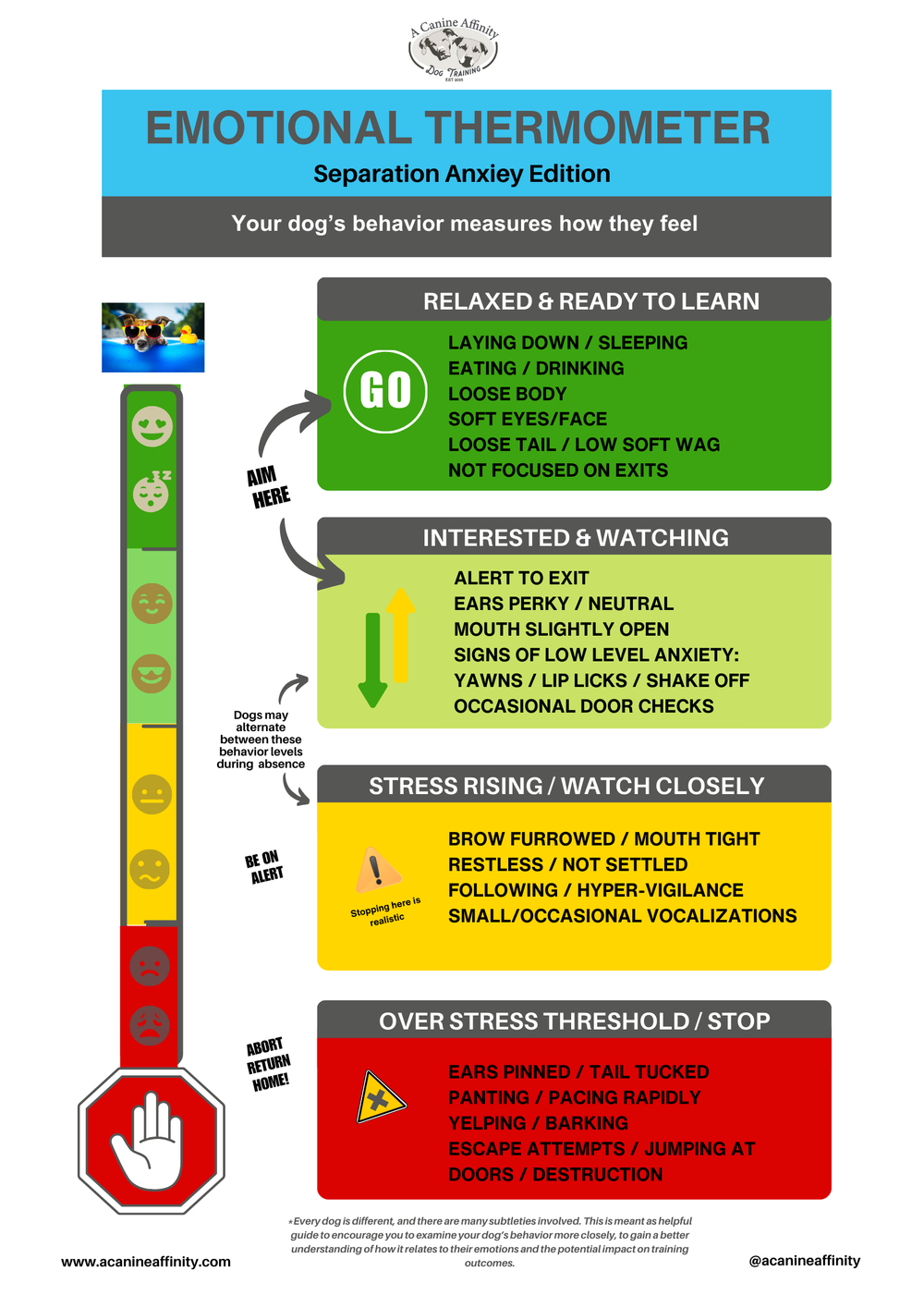
Dogs feel anxiety from loud noises, new places, or separation from owners. Stress can cause barking, chewing, or hiding.
Triggers vary by dog but often include changes in routine or unfamiliar people.
- Loud sounds like thunder or fireworks
- Being left alone for long times
- New environments or travel
- Meeting strangers or other animals
Health-related Causes
Illness or pain can change a dog’s behavior. They may grow aggressive or withdrawn when they feel sick.
Common health issues include joint pain, dental problems, or hormonal imbalances.
- Arthritis causing discomfort
- Dental pain affecting mood
- Thyroid problems leading to irritability
- Infections causing lethargy or aggression
Environmental Factors
The dog’s surroundings affect how it acts. Crowded spaces or lack of exercise may cause bad behavior.
Consistent routines and a safe environment help dogs feel secure and behave well.
- Small living spaces with little room to play
- Irregular feeding and walking times
- Lack of social interaction with people or dogs
- Exposure to stressful or chaotic environments
Training Techniques
Training your dog helps build a strong bond and good behavior. It takes patience and the right approach.
Using simple training techniques makes learning easier for your dog. Clear steps help both of you succeed.
Positive Reinforcement
Positive reinforcement means rewarding good behavior. This encourages your dog to repeat the action.
Treats, praise, or playtime are common rewards. They make training fun and effective for your dog.
- Give rewards immediately after good behavior
- Use small treats to keep your dog motivated
- Be consistent with praise and rewards
- Stop rewards gradually as your dog learns
Consistency And Routine
Dogs learn best with clear and steady routines. Training at the same times helps your dog know what to expect.
Use the same commands and signals every time. Consistency makes it easier for your dog to understand rules.
- Train daily in short sessions
- Use the same words for commands
- Keep training places calm and familiar
- Practice skills regularly to keep them sharp
Avoiding Punishment
Punishment can make dogs scared or confused. Avoid yelling or physical punishment during training.
Focus on guiding your dog with patience. Help them learn what to do instead of what not to do.
- Ignore minor misbehavior and redirect attention
- Use gentle correction like a firm “no”
- Reward good choices to replace bad habits
- Stay calm and patient during training

Credit: www.youtube.com
Building A Strong Bond
Understanding your dog’s behavior helps build a strong bond. A close bond improves your dog’s trust and happiness.
Dogs show love and loyalty when they feel safe and understood. This bond makes training and daily life easier.
Effective Communication
Dogs communicate through body language and sounds. Learn to read their signals to respond well.
Use clear commands and consistent gestures. This helps your dog understand what you want.
- Make eye contact to show attention
- Use calm tones for commands
- Watch for tail, ear, and posture signs
- Reward good behavior with praise or treats
Meeting Emotional Needs
Dogs need love and comfort to feel secure. Spend time with your dog daily to show care.
Provide a safe space where your dog can relax. Notice signs of stress or anxiety and act kindly.
- Give gentle pets and hugs
- Speak softly to calm your dog
- Keep routines to reduce stress
- Be patient during training and play
Regular Exercise And Mental Stimulation
Exercise keeps your dog healthy and happy. Mental games help your dog think and stay sharp.
Walk your dog daily and play fun games. Use toys and puzzles to challenge your dog’s mind.
- Take walks or runs outside
- Play fetch or tug-of-war
- Use treat puzzles or hide toys
- Teach new tricks regularly
When To Seek Professional Help
Understanding your dog’s behavior is important for a happy home. Sometimes, problems may need more than training at home.
Knowing when to get help can protect your dog and family. Professionals can offer the right support and advice.
Recognizing Serious Issues
Some dog behaviors show serious problems. These need quick attention from a professional.
- Sudden aggression toward people or other dogs
- Excessive fear or anxiety that limits daily activities
- Destructive chewing or digging that worsens over time
- Repeated self-harm like biting or licking wounds
- Loss of appetite or change in bathroom habits
Choosing A Trainer Or Behaviorist
Pick someone with good experience and proper credentials. They should use kind and science-based methods.
| Type of Professional | Focus | Certification |
| Dog Trainer | Basic obedience and skills | CPDT-KA or similar |
| Animal Behaviorist | Complex behavior problems | PhD or MSc in animal behavior |
| Veterinary Behaviorist | Medical and behavior issues | Board-certified by veterinary college |
Therapies And Treatment Options
Treatment depends on the problem type and dog’s needs. A mix of methods often works best.
- Positive reinforcement training to teach new skills
- Behavior modification plans for anxiety or aggression
- Environmental changes to reduce stress triggers
- Medication prescribed by a vet for some cases
- Regular follow-ups to track progress and adjust plans
Credit: www.acanineaffinity.com

Credit: www.humintell.com
Frequently Asked Questions
What Are Common Signs Of Dog Anxiety?
Dogs show anxiety through pacing, whining, trembling, and destructive behavior. Understanding these signs helps owners provide better care and comfort.
Why Do Dogs Bark Excessively?
Excessive barking often signals boredom, fear, or alertness. Training and mental stimulation can help reduce this behavior effectively.
How Do Dogs Communicate With Body Language?
Dogs use tail wagging, ear position, and posture to express feelings. Recognizing these cues improves human-dog interaction and bonding.
What Causes Aggression In Dogs?
Aggression can stem from fear, territorial instincts, or pain. Early socialization and training are key to managing aggressive behavior.
Conclusion
Understanding dog behavior helps build a stronger bond with your pet. Dogs communicate through actions and sounds you can learn to read. Knowing why dogs act a certain way makes training easier and more effective. It also helps keep your dog happy and healthy.
Pay attention to their body language and reactions every day. Small changes in behavior can tell you a lot. Enjoy the process of learning about your dog’s unique personality. This knowledge creates trust and makes your time together more joyful.
Keep observing, caring, and loving your dog for a lifelong friendship.

Emily Barker is the founder of ChillDogLife.com, a space dedicated to helping pup parents discover the best dog products, lifestyle tips, and cozy ideas for happier homes.
A lifelong dog lover, Emily combines her passion for pets with a knack for research to share trusted recommendations on everything from toys and furniture to health and everyday care.
Her goal is simple: to make life easier, stylish, and more joyful for dogs and the people who love them.




