
If you have a Husky or are thinking about getting one, understanding their behavior is key to a happy life together. Huskies are full of energy, intelligence, and unique traits that can sometimes be puzzling.
You might wonder why your Husky acts a certain way or how to handle their strong-willed nature. This guide will help you unlock the secrets behind Husky dog behavior, so you can build a stronger bond and enjoy every moment with your furry friend.
Keep reading to discover what makes Huskies special and how you can bring out the best in your companion.
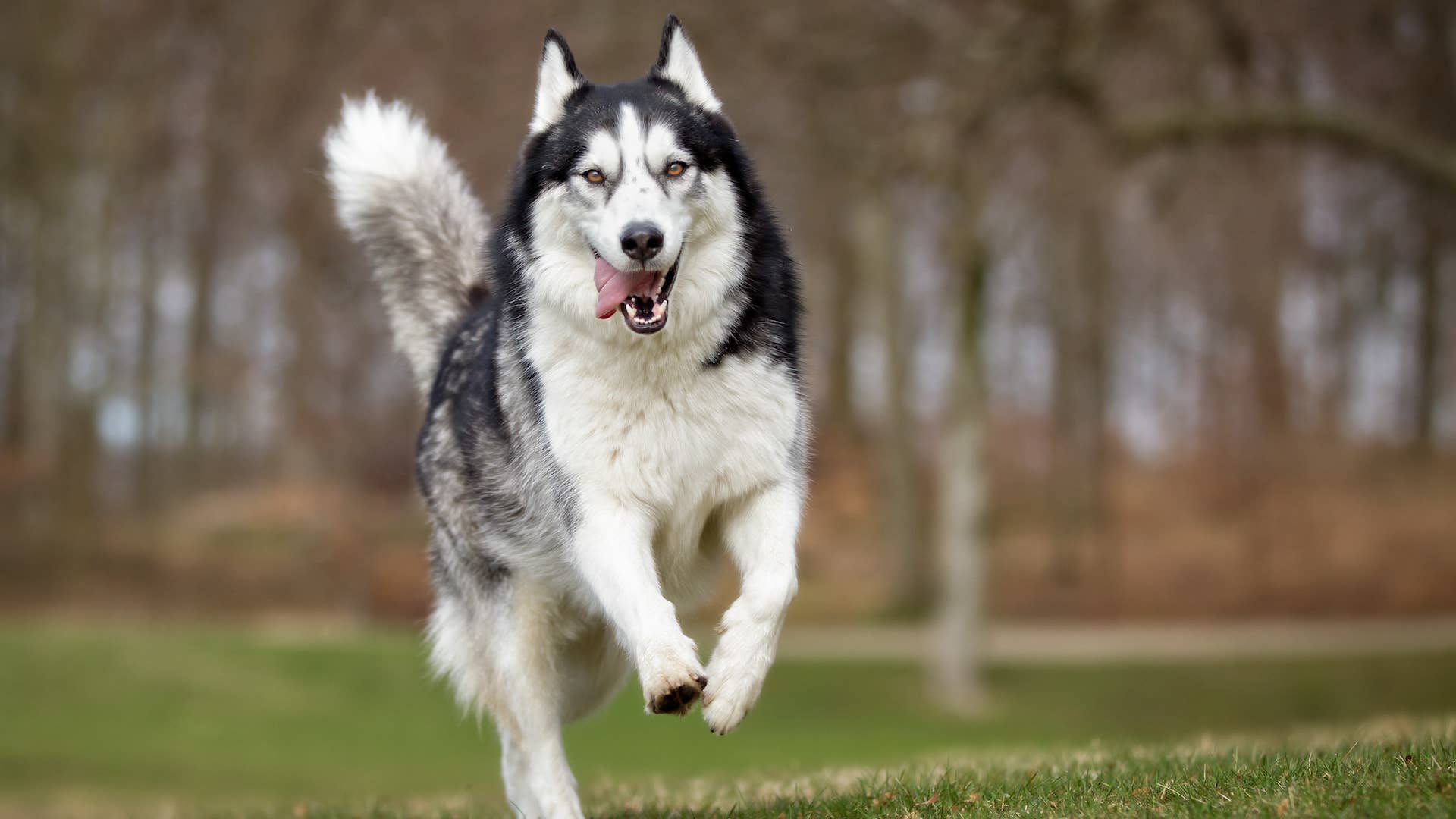
Credit: pethelpful.com
Husky Temperament
Siberian Huskies are known for their friendly and lively nature. They make great companions for active families.
Understanding their temperament helps owners provide the right care and training for a happy dog.
Social Nature
Huskies are very social dogs. They love being around people and other dogs.
They enjoy playing and do not like to be left alone for long periods.
- Friendly with family members
- Good with other pets
- May bark or howl to get attention
Intelligence And Curiosity
Huskies are smart and curious dogs. They quickly learn new commands and tricks.
They like to explore their surroundings and solve problems.
- Quick learners but can be stubborn
- Enjoy mental challenges
- Need regular training to stay focused
Energy Levels
Huskies have high energy and need daily exercise. Without activity, they may become bored or restless.
They enjoy running, playing, and outdoor adventures.
- Require at least one hour of exercise daily
- Love activities like running and hiking
- Can get destructive if bored
Credit: www.youtube.com
Common Husky Behaviors
Siberian Huskies show many unique behaviors. They are active, social, and smart dogs.
Understanding their habits helps owners care for them better. Here are some common Husky behaviors.
Vocalizations And Howling
Huskies are known for their wide range of sounds. They often howl to communicate with their owners or other dogs.
- Howling is a natural behavior for Huskies.
- They may “talk” using different sounds and pitches.
- Vocalizations help them express needs or alert to danger.
- Sometimes they howl when left alone or bored.
Escape Artist Tendencies
Huskies are famous for their skill at escaping. They can jump fences, dig under barriers, or find small openings.
| Escape Method | Description |
| Jumping | Huskies can jump fences over 6 feet high. |
| Digging | They dig under fences to create escape routes. |
| Slipping Through | They squeeze through small gaps or loose gates. |
| Climbing | Some Huskies climb on objects to get out. |
Playfulness And Mischief
Huskies love to play and can be very mischievous. They enjoy games and often get into trouble if bored.
Common playful behaviors include:
- Chasing toys or other dogs
- Stealing household items
- Running around the yard energetically
- Digging holes for fun
- Testing boundaries with their owners
Training Tips
Training a Husky dog takes time and effort. These dogs are smart but can be stubborn.
Good training helps build trust and makes your dog behave well.
Consistency And Patience
Huskies need consistent rules to understand what is right. Change confuses them.
Be patient. Huskies may test limits but stay calm and firm. Repeat commands often.
- Use the same commands every time
- Train at the same time each day
- Stay calm even if your dog resists
- Repeat training sessions regularly
Positive Reinforcement
Reward good behavior to encourage your Husky. They respond well to praise and treats.
Never use harsh punishments. Positive rewards help your dog learn faster and stay happy.
- Give treats when your dog listens
- Use kind words and petting as rewards
- Avoid yelling or hitting
- Keep training sessions short and fun
Socialization Strategies
Huskies need social time with other dogs and people. It stops them from becoming shy or aggressive.
Start socializing your Husky early. Introduce new places and friends slowly and safely.
- Take your Husky to dog parks
- Invite friends with dogs to visit
- Expose your dog to different sounds and environments
- Watch your dog’s reactions and guide them gently
Exercise Needs
Husky dogs are very active and strong. They need plenty of exercise to stay happy and healthy.
Without enough activity, Huskies can become bored and act out. Exercise helps them use their energy in a good way.
Daily Activity Requirements
Huskies need at least one to two hours of exercise each day. This can include walking, running, or playing.
Regular exercise keeps their muscles strong and joints healthy. It also helps control their weight.
- Long walks or jogs every day
- Playtime in a secure yard
- Regular off-leash running in safe areas
Mental Stimulation
Huskies are smart dogs that need mental exercise too. Without it, they can get bored and restless.
Training, puzzle toys, and scent games can keep their mind sharp and busy.
- Teach new commands and tricks
- Use treat-dispensing toys
- Hide treats for sniffing games
Outdoor Adventures
Huskies love being outside and exploring. Outdoor adventures meet both their exercise and curiosity needs.
Hiking, running in nature, or visiting dog parks are great ways to let them use their energy and senses.
- Go hiking on dog-friendly trails
- Visit open spaces for running
- Explore new places safely on a leash
Managing Husky Independence
Huskies are known for their strong independent nature. They like to explore and make their own choices.
Managing this independence is important to keep your husky safe and well-behaved. It takes patience and clear communication.
Setting Boundaries
Huskies need clear rules to understand what is allowed. Setting boundaries helps them feel secure and know their limits.
Use consistent commands and routines to make boundaries clear. Avoid changing rules often to prevent confusion.
- Choose simple commands for daily rules
- Keep feeding and walking times regular
- Use fences or leashes to limit roaming
Building Trust
Trust is the base for good behavior in huskies. They respond well when they know you care and lead kindly.
Spend time playing and training with your husky. Positive experiences build strong bonds and cooperation.
- Use treats and praise during training
- Be patient and calm in all interactions
- Give attention and affection regularly
Handling Stubbornness
Huskies can be stubborn and may ignore commands. Stay firm but gentle to guide them well.
Break tasks into small steps and reward progress. Avoid punishment, as it may cause fear or resistance.
- Repeat commands calmly and clearly
- Give breaks if your husky gets frustrated
- Use fun games to keep training interesting

Credit: zigly.com
Health And Wellness
Huskies are energetic dogs with unique health needs. Proper care keeps them happy and healthy.
Focus on their diet, grooming, and regular vet visits for optimal well-being.
Diet And Nutrition
A balanced diet is crucial for a Husky’s health. They need proteins, fats, and carbohydrates.
- Include lean meats like chicken and fish
- Add vegetables like carrots and peas
- Provide enough water daily
Grooming Essentials
Huskies have a thick coat that needs regular grooming. This helps prevent matting and skin issues.
Regular Vet Care
Regular vet visits are important for a Husky’s health. Check-ups catch potential issues early.
| Vet Visit | Frequency |
| General Check-up | Once a year |
| Dental Cleaning | Once a year |
| Vaccinations | As recommended |
Frequently Asked Questions
Why Do Huskies Howl Instead Of Bark?
Huskies howl to communicate with their pack and express emotions. This behavior stems from their wolf ancestry. Unlike typical barking, howling helps them signal location and alert others over long distances.
Are Huskies Naturally Aggressive Dogs?
Huskies are generally friendly and not naturally aggressive. They are social, playful, and good with families. Proper training and socialization are essential to prevent any unwanted behavior.
How Much Exercise Do Huskies Need Daily?
Huskies require at least 1 to 2 hours of exercise daily. They are energetic and need vigorous activities like running or hiking. Regular exercise keeps them healthy and prevents destructive behavior.
Why Do Huskies Escape From Yards Often?
Huskies are escape artists due to their high energy and curiosity. They can jump fences or dig under them. Secure fencing and mental stimulation reduce escape attempts effectively.
Conclusion
Husky dogs are lively and full of energy. They need regular exercise to stay happy. Understanding their behavior helps build a strong bond. Huskies are smart but can be stubborn too. Training with patience and consistency works best. They enjoy being part of the family.
Knowing their unique traits makes caring easier. A happy husky means a happy home. Keep learning about their needs every day. This helps your husky thrive and feel loved.

Emily Barker is the founder of ChillDogLife.com, a space dedicated to helping pup parents discover the best dog products, lifestyle tips, and cozy ideas for happier homes.
A lifelong dog lover, Emily combines her passion for pets with a knack for research to share trusted recommendations on everything from toys and furniture to health and everyday care.
Her goal is simple: to make life easier, stylish, and more joyful for dogs and the people who love them.




