
Have you ever watched your dog play and wondered what those bouncy moves and playful barks really mean? Understanding your dog’s play behavior is more than just fun—it’s the key to building a deeper bond and keeping your furry friend happy and healthy.
You’ll discover the secrets behind your dog’s playful actions and learn how to respond in ways that make playtime even better. Ready to unlock the joyful language of your dog’s play? Keep reading, and your next play session will never be the same.
Types Of Play In Dogs
Dogs play in many ways to stay happy and healthy. Play helps them learn and bond.
Understanding different types of play can improve how we interact with dogs.
Solo Play
Solo play happens when a dog plays alone. Dogs use their body and mind to enjoy themselves.
Common solo play behaviors include running, chewing, and chasing their own tail.
Social Play
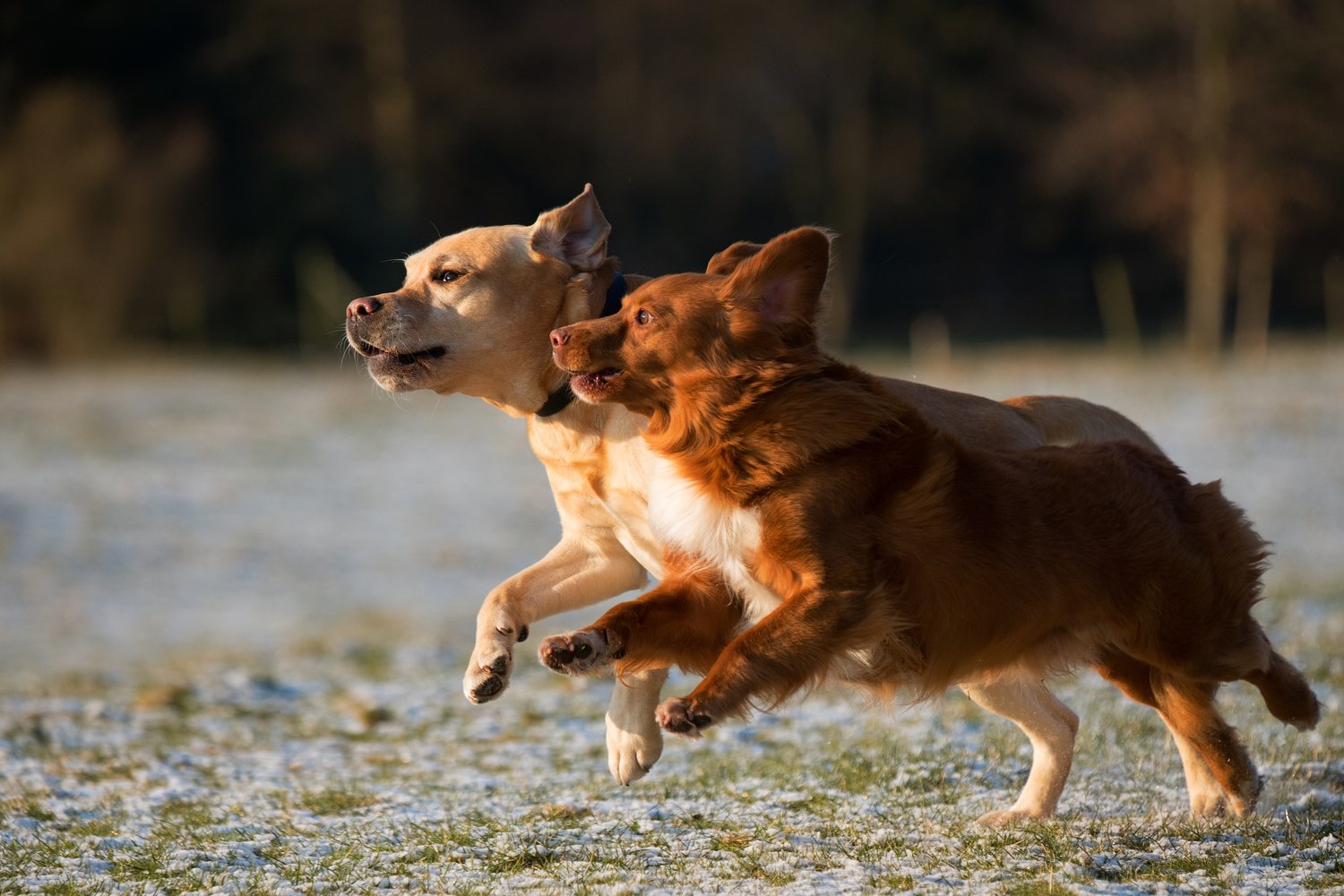
Social play is when dogs play with other dogs or people. It helps them practice social skills.
- Chasing and being chased
- Play fighting without biting hard
- Wrestling and gentle mouthing
- Taking turns with toys
Social play builds trust and teaches dogs how to communicate safely.
Object Play
Object play involves toys or other items that the dog interacts with. It keeps dogs busy and sharp.
| Toy Type | Purpose |
| Chew Toys | Help clean teeth and reduce boredom |
| Fetch Toys | Encourage exercise and chasing skills |
| Puzzle Toys | Challenge the dog’s mind and problem-solving |
| Tug Toys | Promote strength and interactive play |
Credit: www.happy-buddies.co.uk
Benefits Of Play For Dogs
Play is an important part of a dog’s life. It helps them grow and stay healthy in many ways.
Dogs enjoy playing, and it supports their body and mind. Playtime also builds strong bonds.
Physical Health
Playing helps dogs stay fit and strong. It keeps their muscles active and joints flexible.
Regular play can prevent health problems like obesity and heart disease in dogs.
- Improves muscle strength
- Keeps weight under control
- Supports healthy bones and joints
- Boosts overall stamina
Mental Stimulation
Play challenges a dog’s brain and helps it stay sharp. Mental exercise is as important as physical.
Different toys and games teach dogs to solve problems and learn new skills.
- Improves focus and attention
- Encourages problem-solving skills
- Reduces boredom and destructive behavior
- Supports learning and memory
Emotional Well-being
Play helps dogs feel happy and relaxed. It lowers stress and reduces anxiety levels.
Dogs that play often show better social skills and enjoy stronger bonds with people and other dogs.
- Boosts happiness and confidence
- Strengthens trust and bonds
- Reduces feelings of loneliness
- Helps manage stress and anxiety
Play And Social Skills
Dogs use play to learn how to interact with others. Play helps them develop social skills and understand communication.
Through play, dogs build friendships and learn how to solve conflicts peacefully. These skills are important for their well-being.
Communication Signals
Dogs use body language and sounds to show how they feel during play. Watching these signals helps avoid misunderstandings.
- Play bows invite others to join.
- Tail wagging shows excitement or friendliness.
- Growling can mean play or warning.
- Soft mouthing means gentle play.
- Freezing or turning away signals a break is needed.
Building Friendships
Dogs form bonds by playing together. Trust and respect grow as they spend time in fun activities.
| Friendship Stage | Behavior |
| Meeting | Sniffing and cautious play |
| Getting Comfortable | Chasing and gentle wrestling |
| Strong Bond | Relaxed play and resting together |
Conflict Resolution
Play can lead to conflicts if dogs misread signals. They use actions to solve these problems without harm.
Common ways dogs resolve conflict:
- Showing a submissive posture to calm the other dog
- Pausing play to reset emotions
- Using body turns to avoid direct confrontation
- Engaging in self-grooming to reduce stress

Credit: www.pawsnplaydogtraining.com
Recognizing Play Behavior
Dogs use many ways to show they want to play. Watching their actions helps you understand their mood.
Play behavior is different from aggression or fear. Knowing the signs keeps play safe and fun.
Play Bows And Gestures
A common sign dogs use to invite others to play is the play bow. They lower their front legs and keep their rear end up.
- Play bow signals a friendly, playful intent.
- Rolling over may mean the dog wants belly rubs or play.
- Quick movements and light pawing show excitement.
- Loose, wagging tails often appear during play gestures.
Vocalizations During Play
Dogs make sounds to express how they feel during play. Listening helps you know if they enjoy the activity.
| Sound | Meaning |
| Play growl | Not a threat, just excitement |
| Play bark | Calling for attention or fun |
| Whining | Sometimes signals eagerness or impatience |
| Happy panting | Relaxed and enjoying play |
Body Language Cues
Watch the dog’s body to know if play is going well. Relaxed muscles mean the dog feels safe.
| Body Part | Play Signal | What It Means |
|---|---|---|
| Eyes | Soft, blinking | Comfort and trust |
| Ears | Relaxed or slightly forward | Interest in play |
| Tail | Wagging loosely | Happy and friendly |
| Posture | Loose and bouncy | Ready to play |
| Teeth | Showing teeth without growling | Playful mouthing, not aggression |
Encouraging Healthy Play
Dogs need playtime to stay happy and healthy. Playing helps them use energy and learn social skills.
Encouraging safe and fun play builds strong bonds between you and your dog. It also keeps your dog calm and well-behaved.
Safe Play Environments
Choose a space free from hazards for your dog to play. Make sure the area has no sharp objects or toxic plants.
Clear the space of small items your dog could swallow. Use fences or gates to keep your dog inside the play area.
Choosing Appropriate Toys
Pick toys that match your dog’s size and chewing strength. Toys should be durable but soft enough to avoid damage to teeth.
- Soft balls for gentle fetch games
- Rope toys for tugging and chewing
- Interactive toys that hide treats
- Avoid toys with small parts that can break off
Supervising Interactions
Always watch your dog while playing with other dogs or children. Look for signs of stress or aggression.
| Behavior | What To Do |
| Growling or snapping | Separate dogs calmly |
| Overexcited jumping | Redirect to calm play |
| Fear or hiding | Give space and comfort |

Credit: www.ellevetsciences.com
Common Play Challenges
Understanding dog play behavior helps ensure fun and safety. Dogs communicate through play, but challenges can arise.
Recognizing common play issues can improve interactions between dogs and their playmates.
Overexcitement And Rough Play
Some dogs get too excited during play, leading to rough behavior. This can be overwhelming for other dogs.
- Watch for body language that signals discomfort.
- Teach commands to calm your dog, like “sit” or “stay”.
- Provide breaks to help your dog calm down.
Play Aggression
Play aggression can look like real aggression but is usually playful. It can involve barking, growling, or biting.
| Sign | Action |
| Growling | Observe if it’s playful or aggressive |
| Nipping | Redirect with a toy |
| Barking | Train quiet commands |
Fearful Or Shy Dogs
Fearful or shy dogs may hesitate to join play. They need gentle encouragement and positive experiences.
Consider safe spaces for play, where your dog can observe and join when comfortable.
Training Through Play
Training your dog can be fun and effective with play. Dogs learn quickly when they enjoy the process. Play helps build a strong bond between you and your dog.
Using play in training makes learning enjoyable. It keeps your dog engaged and motivated. Let’s explore how to train using play as a tool.
Using Play As A Reward
Play is a great reward for good behavior. When your dog follows a command, reward them with a short game. It reinforces positive actions and keeps them excited to learn more.
Choose games your dog loves. Fetch, tug-of-war, and hide-and-seek are popular options. Use them to reward your dog during training sessions.
- Fetch: Great for energetic dogs
- Tug-of-war: Builds strength and focus
- Hide-and-seek: Encourages problem-solving
Teaching Impulse Control
Impulse control is key for a well-behaved dog. Play can teach your dog to wait patiently. Start by making them sit before you throw a ball.
Gradually increase the time they wait. This trains them to control their impulses. Use games that require waiting, such as “stay” and “leave it.”
- “Stay”: Helps with patience
- “Leave it”: Teaches self-control
- Waiting for a toy: Builds discipline
Enhancing Obedience Skills
Play can improve your dog’s obedience. Use it to practice commands like “sit,” “come,” and “down.” Make these commands part of their playtime.
Consistency is important. Practice commands daily and during play. This strengthens their response to your voice and commands.
| Command | Game |
| “Sit” | Before a game of fetch |
| “Come” | During a game of hide-and-seek |
| “Down” | After a game of tug-of-war |
Frequently Asked Questions
What Are Common Dog Play Behaviors?
Dogs use chasing, play biting, and wrestling to interact. These actions help build social bonds and release energy. Play behaviors also teach dogs social limits and communication skills.
How Does Play Benefit A Dog’s Health?
Play improves a dog’s physical fitness and mental stimulation. It reduces stress and prevents boredom. Regular play promotes a happier and well-adjusted pet.
When Should I Intervene In Dog Play?
Intervene if play becomes too rough or aggressive. Watch for signs like growling, snapping, or fear. Calmly separate dogs if play escalates to avoid injury.
Can All Dogs Play Together Safely?
Not all dogs are compatible playmates. Age, size, and temperament matter. Supervise initial interactions and gradually introduce new dogs to ensure safe play.
Conclusion
Dog play helps build trust and keeps them happy. It teaches dogs how to interact safely. Watching their play can show what they enjoy. Play also helps dogs use their energy well. It strengthens the bond between dogs and people.
Understanding play signals can prevent misunderstandings. Every dog plays in its own way. Spend time playing to keep your dog healthy. Play is simple, fun, and very important. Keep encouraging your dog to play often.

Emily Barker is the founder of ChillDogLife.com, a space dedicated to helping pup parents discover the best dog products, lifestyle tips, and cozy ideas for happier homes.
A lifelong dog lover, Emily combines her passion for pets with a knack for research to share trusted recommendations on everything from toys and furniture to health and everyday care.
Her goal is simple: to make life easier, stylish, and more joyful for dogs and the people who love them.




