
Have you ever noticed your dog acting in a way that just doesn’t seem right? Sometimes, your furry friend might show behaviors that are unusual and could be a sign of something serious.
Understanding these strange actions is key to keeping your dog happy and healthy. You’ll discover 7 dog behaviors that are not normal—and what you need to do if you see them in your pet. Keep reading to protect your dog and ensure they get the care they deserve.
Excessive Aggression
Excessive aggression in dogs can cause serious problems. It is not normal behavior and needs attention. Understanding what triggers this aggression helps owners manage it better.
This guide explains common triggers and types of aggression. It also tells when to seek help from a professional to keep your dog and others safe.
Triggers And Types
Dogs can show aggression for many reasons. Some triggers are fear, pain, or protecting their territory. Knowing the types of aggression helps identify the problem early.
- Fear Aggression:Dogs act aggressive when they feel scared or threatened.
- Territorial Aggression:Dogs protect their space from strangers or other animals.
- Possessive Aggression:Dogs guard their food, toys, or owners.
- Redirected Aggression:Dogs get angry at something else when they cannot reach the real target.
- Pain-Induced Aggression:Dogs snap or growl when they feel pain or discomfort.
When To Seek Help
If your dog shows aggression often, it is time to get help. Early intervention can stop bad habits from growing worse. Safety should always come first for your dog and others.
| Signs You Need Help | Why It Matters |
| Growling or snapping without clear reason | Could lead to bites or injury |
| Aggression that gets worse over time | May show deep fear or pain |
| Aggression during normal activities | Limits your dog's social life |
| Difficulty controlling the dog's behavior | Needs professional training or vet check |
Constant Licking Or Chewing
Dogs often lick or chew themselves to clean or soothe minor irritations. But constant licking or chewing is not normal. It may show that your dog has a problem that needs attention.
This behavior can cause sores or infections if it does not stop. Understanding why your dog does this helps you find the right solution.
Possible Causes
Dogs lick or chew themselves for many reasons. Some causes are physical, while others are emotional or behavioral.
- Allergies to food, pollen, or fleas
- Skin infections or parasites like mites
- Injuries or pain in a specific area
- Anxiety, stress, or boredom
- Dry or irritated skin
- Reaction to medications or chemicals
Health Implications
Constant licking or chewing can harm your dog’s skin. It may cause wounds or worsen existing conditions.
If untreated, these wounds can get infected. Infections can be painful and need medical care.
- Skin redness and swelling
- Hair loss in licking areas
- Open sores that bleed or ooze
- Secondary bacterial or fungal infections
- Possible worsening of allergies or pain
Sudden Withdrawal
Sudden withdrawal in dogs means they stop interacting or playing. This change can signal a problem.
Recognizing this behavior early helps you support your dog’s well-being and comfort.
Signs Of Anxiety
Dogs may pull away from people or other pets when anxious. They might hide or avoid eye contact.
- Refusing to eat or drink
- Trembling or shaking
- Excessive licking or grooming
- Pacing or restlessness
- Whining or barking without cause
Behavioral Changes
Sudden withdrawal is a clear sign of behavior change. Your dog may stop doing things it once enjoyed.
| Behavior | What to Watch For |
| Social interaction | Ignoring family members or other pets |
| Activity level | Less playing or walking |
| Response to commands | Ignoring calls or instructions |
| Eating habits | Loss of appetite or sudden changes |
Restlessness And Pacing
Restlessness and pacing are signs that your dog may feel uneasy. Dogs usually move calmly when they are relaxed.
When a dog paces a lot or cannot sit still, it might mean something is wrong. This behavior is not normal if it happens often.
Identifying Stress
Stress can make dogs restless and cause pacing. Loud noises, changes at home, or new people can stress a dog.
Other signs of stress include panting, whining, or hiding. Restlessness may be your dog’s way to cope with anxiety.
- Sudden changes in the environment
- Separation from family members
- Fear of loud sounds like thunder
- Unfamiliar visitors or animals
Potential Medical Issues
Restlessness and pacing can also signal health problems. Pain or discomfort may cause your dog to move constantly.
Medical conditions like digestive issues, infections, or brain problems can lead to this behavior. Watch for other symptoms too.
- Excessive licking or biting at one spot
- Changes in eating or drinking habits
- Vomiting or diarrhea
- Sudden aggression or confusion
Excessive Barking Or Whining
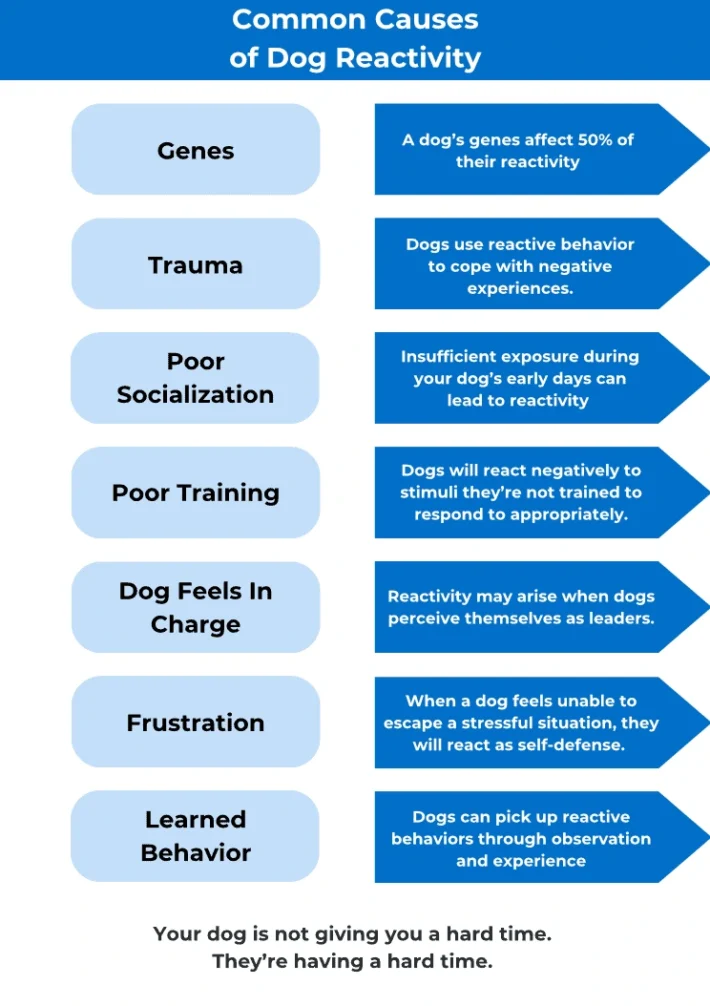
Dogs use sounds like barking and whining to communicate. These sounds can show their feelings or needs. Sometimes, these noises become too much and cause issues.
Understanding why your dog makes these sounds can help you manage the behavior. It is important to know when this vocalization is normal and when it is a problem.
Understanding Vocalization
Barking and whining are natural ways dogs talk. They may bark to greet people or warn of danger. Whining often shows they want attention or feel nervous.
- Barking to alert you about visitors
- Whining when they want to play
- Sounds made during excitement or stress
- Communicating hunger or discomfort
When It Becomes A Problem
Excessive barking or whining may show a deeper problem. It can disturb your home and cause stress for you and your dog. Watch for these signs:
| Problem Sign | What It Means |
| Barking all day long | Possible anxiety or boredom |
| Whining without clear reason | May indicate pain or distress |
| Ignoring commands to stop | Needs training or behavior help |
| Sounds triggered by small things | Over-sensitivity or fear |
Credit: theonlinedogtrainer.com
Loss Of Appetite
Loss of appetite in dogs can be a concerning sign that may indicate a health issue or a change in your dog’s environment.
Common Causes
Dogs may lose their appetite due to various reasons, including:
- Changes in environment or routine
- Medical conditions such as kidney disease or liver disease
- Dental problems or oral infections
- Food allergies or sensitivities
- Stress or anxiety
- Age-related decline
- Pregnancy or nursing
When To Consult A Vet
If you notice a significant change in your dog’s appetite, it is essential to consult with a veterinarian to rule out any underlying health issues.
| Signs to Monitor | When to Seek Veterinary Care |
|---|---|
| Loss of appetite for more than 24 hours | Seek immediate veterinary care |
| Vomiting or diarrhea | Seek immediate veterinary care |
| Weight loss or gain | Consult with a veterinarian within 1-2 weeks |
Unusual Posture Or Movement
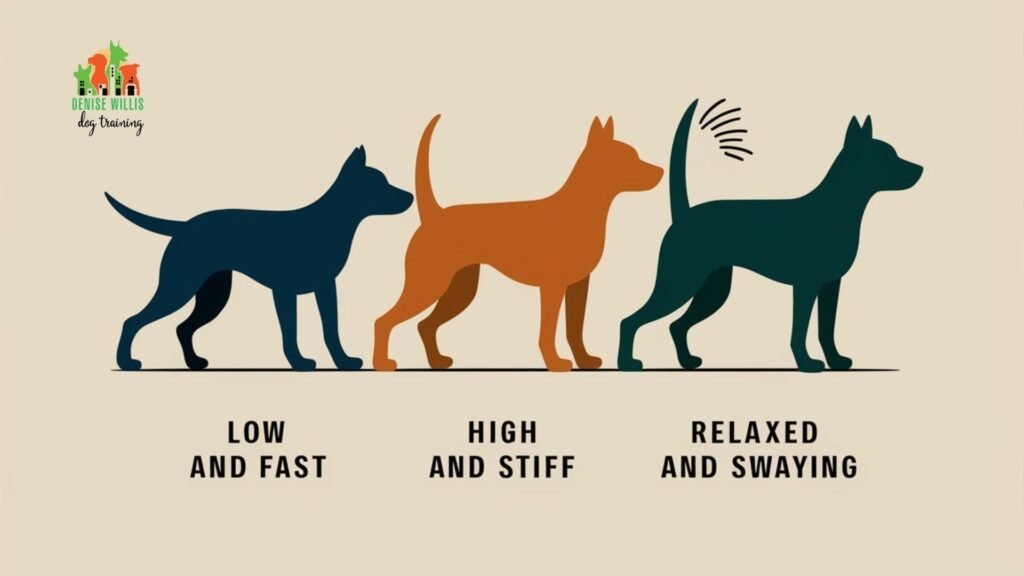
Dogs display unusual posture or movement when they experience pain or neurological issues. Identifying these signs can help you address your dog’s health problems promptly.
Signs Of Pain
Prolonged pain can cause your dog to exhibit abnormal posture or movement. Look for the following signs:
- Swollen joints or limping
- Reluctance to jump or climb stairs
- Changes in gait or difficulty walking
- Whining or whimpering when moving
- Tensing up or becoming rigid
Detecting Neurological Issues
Neurological issues can also cause unusual posture or movement in dogs. Some common signs include:
| Sign | Possible Cause |
|---|---|
| Shaking or trembling | Seizures, Parkinson’s disease, or other neurological disorders |
| Loss of coordination or balance | Stroke, brain injury, or degenerative brain disease |
| Changes in vocalization or barking | Brain tumors, epilepsy, or other neurological conditions |
Credit: www.dwdogtraining.com

Credit: worldanimalfoundation.org
Frequently Asked Questions
What Are Common Abnormal Dog Behaviors To Watch?
Abnormal behaviors include excessive biting, sudden aggression, and repetitive movements. These signs often indicate stress or health issues. Early detection helps in timely intervention and treatment. Always consult a veterinarian if you notice unusual actions in your dog.
Why Does My Dog Suddenly Show Aggressive Behavior?
Sudden aggression can stem from pain, fear, or anxiety. It may also indicate underlying medical problems. Observing triggers and consulting a vet can help identify causes. Proper training and care reduce aggressive tendencies effectively.
How Can I Tell If My Dog’s Behavior Is Unhealthy?
Unhealthy behaviors include constant pacing, excessive licking, or withdrawal. These often signal stress, illness, or discomfort. Monitoring changes and seeking professional advice ensures your dog’s well-being. Prompt action prevents worsening conditions.
When Should I Seek Veterinary Help For Abnormal Behavior?
Seek help if your dog shows sudden aggression, loss of appetite, or disorientation. Persistent abnormal behaviors need medical evaluation. Early diagnosis improves treatment success and your dog’s quality of life.
Conclusion
Noticing strange dog behaviors helps protect your pet’s health. These signs might mean your dog needs help. Act fast to keep your dog happy and safe. Watch closely and trust your instincts as a pet owner. Understanding your dog’s normal actions is very important.
Take steps early to avoid bigger problems later. Caring for your dog means knowing what is not normal. Stay alert and give your dog the best care possible.

Emily Barker is the founder of ChillDogLife.com, a space dedicated to helping pup parents discover the best dog products, lifestyle tips, and cozy ideas for happier homes.
A lifelong dog lover, Emily combines her passion for pets with a knack for research to share trusted recommendations on everything from toys and furniture to health and everyday care.
Her goal is simple: to make life easier, stylish, and more joyful for dogs and the people who love them.




