
Are you wondering how neutering might change your dog’s behavior? If so, you’re not alone.
Many dog owners worry about what to expect after this important procedure. Will your dog become calmer? More affectionate? Or could there be unexpected changes? Understanding these shifts can help you prepare and support your furry friend better. Keep reading to discover what really happens to your dog’s behavior after neutering—and how it can improve your life together.
Credit: zigly.com
Impact On Aggression
Neutering a dog can change its behavior in many ways. One important change is in aggression levels.
Understanding how neutering affects aggression helps owners manage their pets better.
Reduction In Territorial Behavior
Neutered dogs often show less territorial aggression. They may stop marking their space with urine.
These dogs are less likely to guard areas like the yard or home aggressively.
- Less barking at strangers near the home
- Reduced fighting with other dogs over territory
- Calmer behavior in outdoor spaces
Changes In Play Aggression
Neutering can lower rough play and biting during playtime. Dogs become gentler with others.
They may also lose some interest in dominance games during play.
- Less mouthing and biting at play
- More relaxed social interactions
- Improved tolerance for other dogs
Effect On Fear-based Aggression
Neutering can help reduce fear-related aggression. Dogs feel less anxious and defensive.
They may show less growling or snapping when scared.
- Lower fear in new situations
- Less aggressive response to sudden movements
- Improved confidence around people and animals
Credit: southeastoakvillevet.ca
Influence On Activity Levels
Neutering a dog can change how active they are. This affects their behavior and energy.
Understanding these changes helps owners keep their dogs healthy and happy.
Decrease In Hyperactivity
After neutering, many dogs show less hyperactivity. They may be calmer and less restless.
This happens because neutering lowers certain hormones linked to high energy and excitement.
Potential For Weight Gain
Neutered dogs may gain weight more easily. Their metabolism can slow down after surgery.
Owners should watch their dog’s diet and activity to prevent extra weight.
Adjusting Exercise Routines
Exercise needs may change after neutering. Dogs might need less intense activity but still need daily exercise.
Adjusting exercise helps maintain a healthy weight and keeps behavior balanced.
- Shorter walks but more often
- Gentle play sessions
- Interactive toys to keep minds active
Effect On Social Behavior
Neutering a dog often changes its social behavior. These changes affect how dogs act around others.
Understanding these effects helps dog owners manage their pets better after neutering.
Alterations In Interaction With Other Dogs
Neutered dogs may become less aggressive toward other dogs. They often show calmer behavior during play.
Some dogs become more friendly, while others may be shy or less interested in group play.
- Reduced fighting and growling
- More peaceful social play
- Less desire to mark territory
Changes In Mounting And Dominance
Neutering usually lowers mounting behavior in dogs. This is linked to reduced hormone levels.
Dominance actions like bullying or trying to control other dogs often decrease too.
- Less mounting on other dogs or objects
- Lower dominance displays
- More relaxed group behavior
Shifts In Attention Seeking
After neutering, some dogs seek less attention from people and other dogs. Their energy can calm down.
Others might still want to play or be close, but they do it in a gentler way.
- Reduced need to be the center of attention
- Calmer and less demanding behavior
- More independent play habits
Impact On Anxiety And Fear
Neutering a dog can have a significant impact on their behavior, particularly when it comes to anxiety and fear. Some dogs may experience a reduction in anxiety-related behaviors, while others may develop new fears or phobias.
Reduction In Anxiety-related Behaviors
Neutering can lead to a decrease in anxiety-related behaviors in some dogs, such as excessive barking, pacing, or destructive behavior. This is often due to the reduction in testosterone levels, which can contribute to anxiety and aggression in some individuals.
- Reduced barking and whining
- Decreased pacing and restlessness
- Less destructive behavior
- Improved sleep quality
Possible Increase In Noise Phobia
On the other hand, some dogs may develop a noise phobia after being neutered, particularly if they were previously exposed to loud noises. This can manifest as a fear of loud sounds, such as fireworks or thunderstorms.
It’s essential to provide your dog with a safe and comfortable environment, especially during times of loud noises. You can help your dog feel more secure by providing a quiet space, such as a crate or a room with minimal noise.
How Neutering Affects Confidence
Neutering can also impact a dog’s confidence, particularly if they were previously dominant or assertive. Some dogs may become more timid or submissive after being neutered, while others may maintain their confidence.
| Behavioral Change | Reason |
| Increased timidity | Reduction in testosterone levels |
| Maintained confidence | Individual personality traits |
| Decreased dominance | Neutering can reduce dominance behaviors |
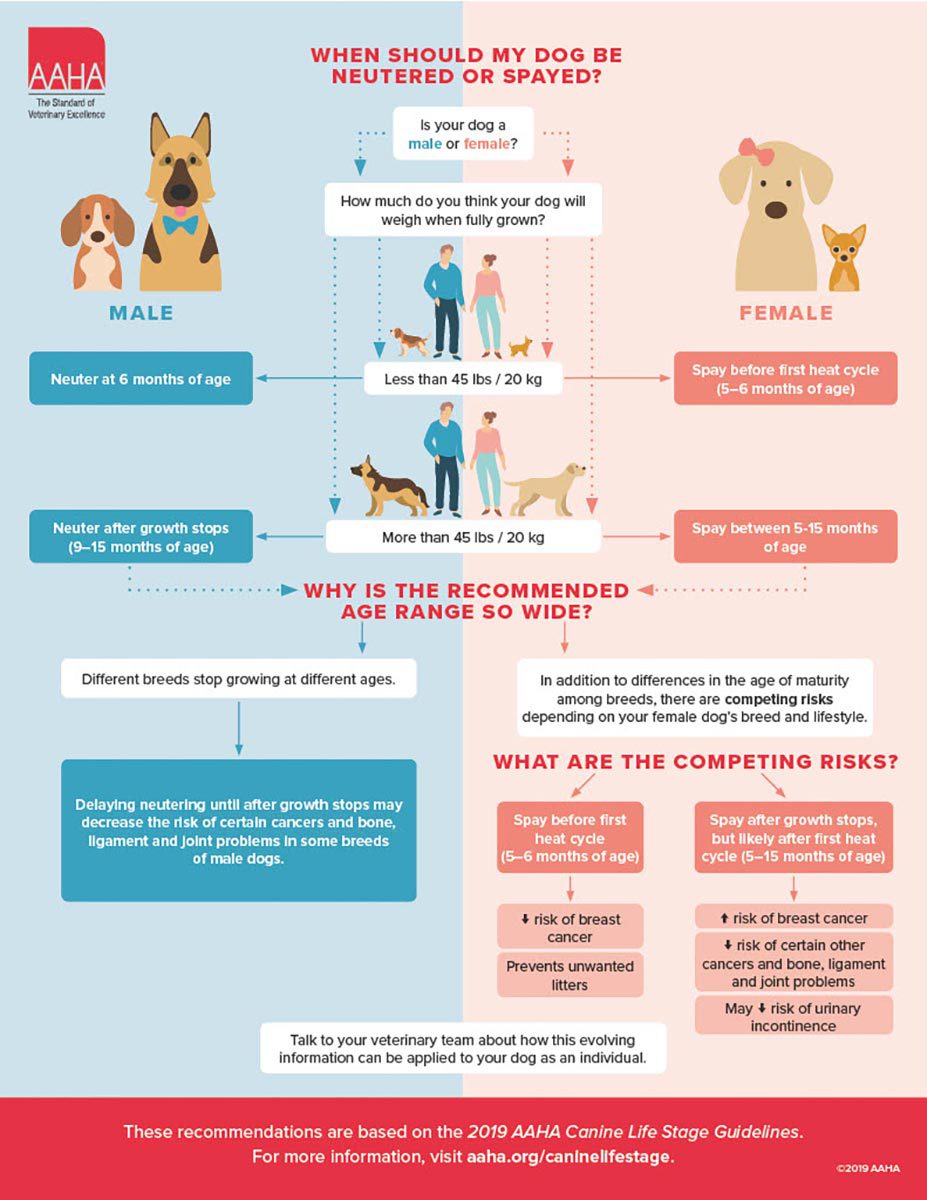
Timing And Age Considerations
Neutering a dog can change its behavior in different ways. The timing and age when neutering happens affect these changes. Understanding these factors helps pet owners make good choices.
This guide looks at how age affects behavior, compares early and late neutering, and shows breed-specific responses.
Behavioral Effects Based On Age
Neutering before puberty can reduce some unwanted behaviors. Dogs neutered early may show less marking and aggression. Older dogs might not change as much in behavior after neutering.
- Early neutering often lowers roaming and mounting.
- Late neutering might not reduce aggression fully.
- Older dogs may keep some established habits.
- Timing affects anxiety and fear responses too.
Early Vs. Late Neutering Outcomes
Choosing when to neuter matters. Early neutering means before six months old. Late neutering means after one year. Both have good and bad results.
| Aspect | Early Neutering | Late Neutering |
| Behavior Change | More reduction in roaming and aggression | Less impact on established behaviors |
| Health Risks | Possible growth and joint issues | Higher risk of some cancers |
| Training | Easier to manage behavior early | May need more effort after neutering |
Breed-specific Responses
Different breeds react to neutering in unique ways. Some breeds show strong behavior changes, others less. Knowing breed traits helps guide timing decisions.
- Large breeds may have joint risks with early neutering.
- Some herding breeds keep strong instincts even after neutering.
- Small breeds often show less aggression changes.
- Working breeds may need later neutering for training.
Myths And Facts
Neutering a dog often raises questions about behavior changes. Many people hold beliefs that might not be true. Knowing the facts helps in making informed decisions.
Here, we explore common misconceptions and what scientific evidence says. We also discuss what owners should expect after neutering their dog.
Common Misconceptions About Behavior
Many think neutering completely changes a dog's behavior. This is not always true. Some behaviors may change, but others might stay the same.
- Neutering does not make dogs lazy.
- It does not remove all aggressive behavior.
- Dogs do not lose their playful nature.
Scientific Evidence On Behavior Changes
Studies show neutering can reduce certain behaviors. It often decreases aggression linked to hormones. Marking territory might also lessen.
However, not all dogs respond the same way. Genetics and training play a role. Science suggests mixed results based on individual cases.
What Owners Should Expect
Owners should observe their dog’s behavior post-neutering. Some changes may occur slowly. Patience and understanding are key.
Training and positive reinforcement remain important. Dogs need guidance to adapt to changes. A calm environment helps them adjust better.
Managing Behavior Post-neutering
Neutering a dog often changes their behavior. These changes can affect how your dog acts at home and outside.
It is important to manage these changes carefully. This helps your dog adjust well after surgery.
Training Adjustments
After neutering, your dog might feel calmer or less focused. Adjust your training to match this new behavior.
Use shorter sessions and more rewards to keep your dog interested and motivated.
- Keep training sessions short and fun
- Use treats and praise often
- Be patient with new behavior changes
Diet And Exercise Tips
Neutered dogs may have slower metabolism. Adjust their diet to prevent weight gain.
Regular exercise keeps your dog healthy and helps manage energy levels.
- Feed smaller portions or switch to weight-control food
- Take daily walks or play active games
- Monitor weight and adjust food or activity as needed
When To Seek Professional Help
Some dogs may show strong behavior changes after neutering. Watch for signs that need expert care.
Consult a vet or trainer if your dog shows aggression, anxiety, or other unusual behaviors.
- Persistent aggression towards people or pets
- Severe anxiety or fear behaviors
- Difficulty adjusting to changes over weeks

Credit: askavet.com
Frequently Asked Questions
How Does Neutering Affect A Dog’s Behavior?
Neutering reduces hormone-driven behaviors like aggression and marking. It often calms dogs, making them less territorial and restless. However, behavior changes vary by individual and breed. Neutering also lowers roaming tendencies, improving safety. It’s a key step in managing unwanted behaviors effectively.
When Do Behavior Changes Appear After Neutering?
Behavior changes typically appear within weeks to months after surgery. Hormonal shifts take time to influence habits and temperament. Owners may notice calmer behavior and less aggression gradually. Consistent training alongside neutering enhances positive behavior changes. Patience is important during this adjustment phase.
Can Neutering Stop Aggressive Behavior In Dogs?
Neutering can reduce aggression linked to testosterone. However, it doesn’t guarantee complete behavior change. Aggression caused by fear or poor socialization needs training. Neutering works best combined with behavioral modification and proper care. It helps but isn’t a sole solution for aggression.
Will Neutering Affect My Dog’s Energy Levels?
Neutering often lowers energy due to reduced hormone levels. Dogs may become calmer and less hyperactive. However, activity levels depend on breed and lifestyle. Regular exercise remains essential to maintain health and happiness post-neutering. Energy shifts are usually moderate and manageable.
Conclusion
Neutering can change a dog’s behavior in many ways. It often reduces aggression and roaming. Dogs may become calmer and more focused. Some habits, like marking, may decrease too. Each dog reacts differently after neutering. Patience is key during this adjustment time.
Talk to your vet for advice and support. Helping your dog feel safe and loved matters most. Neutering supports a healthier, happier life for your pet. Keep watching your dog’s behavior over time. Changes usually happen slowly but steadily.

Emily Barker is the founder of ChillDogLife.com, a space dedicated to helping pup parents discover the best dog products, lifestyle tips, and cozy ideas for happier homes.
A lifelong dog lover, Emily combines her passion for pets with a knack for research to share trusted recommendations on everything from toys and furniture to health and everyday care.
Her goal is simple: to make life easier, stylish, and more joyful for dogs and the people who love them.




