
Have you noticed your dog acting differently all of a sudden? Maybe they seem anxious, withdrawn, or even aggressive, and you’re not sure why.
A sudden change in dog behavior can be confusing and worrying for any pet owner. Understanding what’s behind these changes is crucial to keeping your furry friend happy and healthy. You’ll discover the common reasons for these shifts and what you can do to help your dog feel like themselves again.
Keep reading—your dog’s well-being depends on it.
Credit: tcah.info
Common Behavior Changes
Dogs can change their behavior suddenly. These changes may show a problem. Watch your dog closely to notice these signs early.
Understanding common behavior changes helps you care for your dog better. Some changes can signal health or emotional issues.
Increased Aggression
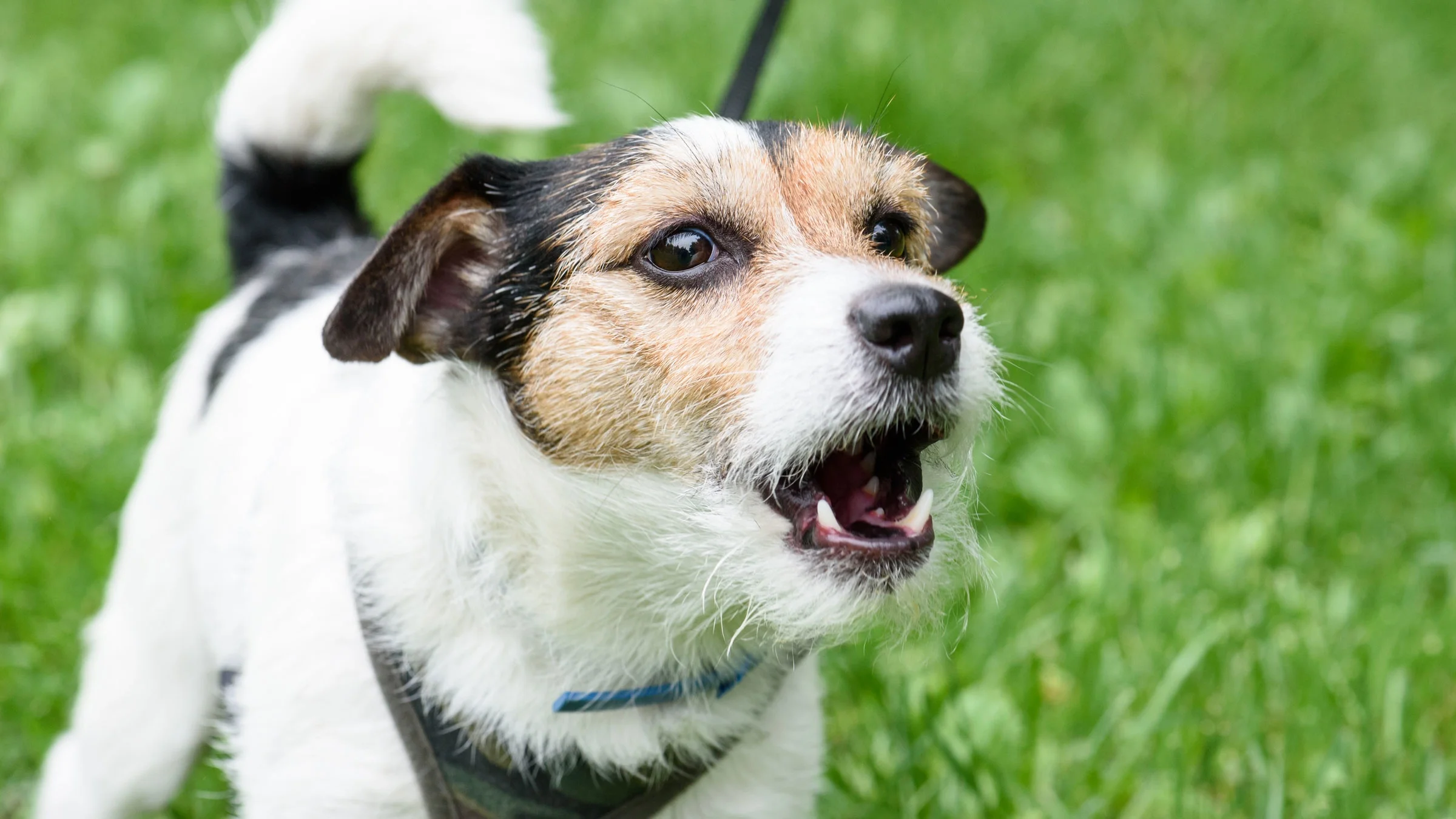
A normally calm dog may start growling, snapping, or biting. This change can happen without warning. Pain, fear, or stress often cause aggression.
- Growling at people or other pets
- Snapping when touched
- Guarding food or toys aggressively
- Sudden biting or lunging
Withdrawal And Hiding
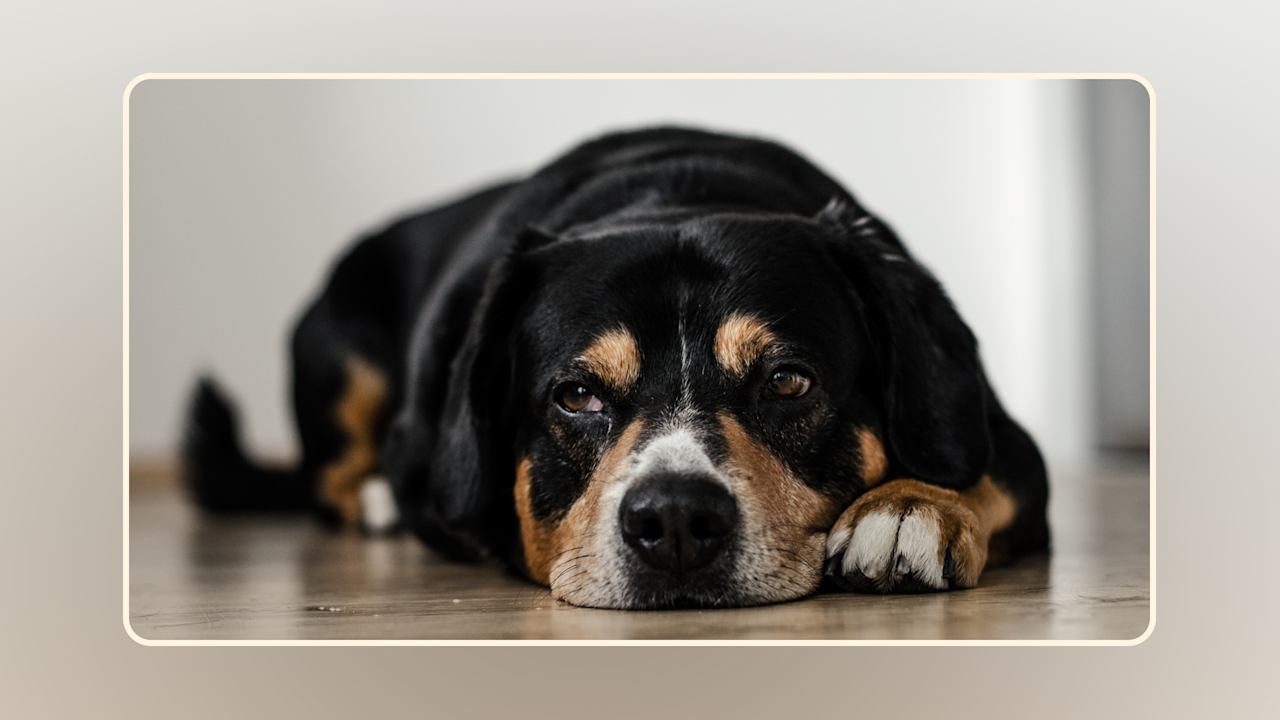
Dogs may hide or avoid people if they feel unwell or scared. This behavior can last hours or days. It can be a sign of illness or anxiety.
Watch for these signs:
- Hiding under furniture or in corners
- Less interest in play or walks
- Ignoring family members
- Sleeping more than usual
Excessive Barking Or Whining
More barking or whining can mean discomfort or stress. It might also show your dog wants attention or feels lonely.
| Possible Cause | Behavior |
|---|---|
| Pain or Illness | Continuous whining or yelping |
| Fear or Anxiety | Loud barking at noises or strangers |
| Attention Seeking | Whining when ignored |
| Loneliness | Barking when left alone |
Changes In Eating Habits
Dogs may eat less or more than usual. These changes can point to health problems or stress. Watch their eating patterns every day.
Signs to watch for include:
- Refusing food or treats
- Eating much faster or slower
- Begging more often
- Eating unusual items
Medical Causes
A sudden change in dog behavior can signal a health problem. Dogs often hide pain or sickness. Watching behavior helps catch issues early.
Medical causes affect how dogs act. Understanding these causes helps owners provide proper care and seek treatment.
Pain And Injury
Pain from injury or illness can change a dog’s behavior quickly. Dogs may growl, hide, or stop playing. Limping or favoring a leg is a common sign.
Injuries like cuts, broken bones, or muscle strain cause discomfort. Even small injuries can affect mood and actions.
- Swelling or limping
- Reluctance to move or jump
- Changes in appetite
- Increased aggression or fear
Neurological Issues
Problems with the brain or nerves can cause odd behavior. Seizures, confusion, or loss of balance may appear. Dogs might stare blankly or walk in circles.
Neurological diseases include epilepsy, brain tumors, or nerve damage. These need quick attention from a vet.
- Sudden confusion or disorientation
- Tremors or shaking
- Loss of coordination
- Unusual vocalization or aggression
Hormonal Imbalances
Hormones control many body functions. Imbalances may cause mood swings or changes in energy. Dogs may become restless or lethargic.
Conditions like thyroid problems or diabetes affect hormone levels. These illnesses often lead to behavior shifts.
- Increased thirst or urination
- Weight gain or loss
- Changes in activity levels
- Behavioral changes like irritability
Infections And Illnesses
Infections can make dogs feel sick and act differently. Fever or discomfort may cause withdrawal or aggression.
Common infections include ear infections, urinary tract infections, or parasites. Illness weakens dogs and changes their mood.
- Loss of appetite
- Excessive licking or scratching
- Fever or lethargy
- Unusual odors or discharge
Environmental Triggers
Dogs can show sudden behavior changes due to their environment. Small changes around them can cause stress or anxiety. Understanding these triggers helps you support your dog better.
Some common environmental triggers include new places, other pets, daily routine changes, and loud noises. Each can affect your dog’s mood and actions in different ways.
New Surroundings
Moving to a new home or visiting unfamiliar places can confuse your dog. They may act nervous or hide more than usual. Dogs need time to explore and feel safe in new surroundings.
Introduction Of New Pets
Bringing a new pet into the house can upset your dog. They might feel jealous or scared. It is important to introduce pets slowly and watch their reactions.
- Keep initial meetings short and calm
- Give each pet their own space
- Offer treats to create positive feelings
- Do not force interaction if your dog resists
Changes In Routine
Dogs like routine. Changes in feeding times or walks can cause stress. They may become restless or act out. Keeping a regular schedule helps dogs feel secure.
| Change | Possible Dog Reaction |
| Feeding time shifted | Whining or begging |
| Walk time changed | Pacing or barking |
| Owner leaves early | Separation anxiety |
Loud Noises And Stress
Thunder, fireworks, and loud traffic can scare dogs. Stress from noise causes shaking or hiding. You can help by creating a quiet, safe space for your dog.
Tips to reduce noise stress:
- Play soft music to mask loud sounds
- Use noise-cancelling crates or rooms
- Stay calm to reassure your dog
- Provide toys and treats for distraction
Credit: wefeedraw.com
Emotional Factors
Dogs can suddenly change behavior due to feelings. Emotions affect their actions and mood.
Understanding emotional causes helps owners support their pets better. Emotional stress often shows in behavior.
Anxiety And Fear
Anxiety and fear make dogs act differently. Loud noises or new places can trigger these feelings.
Dogs may hide, bark more, or avoid people when anxious or scared. These signs show they need comfort.
- Shaking or trembling
- Excessive barking or whining
- Hiding or trying to escape
- Avoiding eye contact
Separation Stress
Separation stress happens when dogs feel lonely. They miss their owner and feel unsafe alone.
This stress can cause chewing, barking, or accidents inside the house. Dogs need gradual training to feel calm.
- Destructive chewing
- Continuous barking or howling
- Urinating or defecating indoors
- Restlessness or pacing
Depression In Dogs
Dogs can get sad or depressed. Changes in home or loss of a friend may cause this feeling.
Depressed dogs may sleep more, eat less, or lose interest in play. They need patience and care from owners.
- Lack of energy or enthusiasm
- Loss of appetite
- Withdrawing from family or pets
- Changes in sleeping habits
Behavioral Warning Signs
Dogs can suddenly change their behavior for many reasons. These changes often signal health or emotional problems.
Watching for warning signs helps owners act quickly to keep their dogs safe and healthy.
Sudden Aggression
A dog may show sudden aggression by growling, biting, or snapping without clear cause. This is a serious warning sign.
Changes in pain levels, fear, or stress can cause this behavior. It needs quick attention from a vet or trainer.
Loss Of Training
A dog that suddenly forgets basic commands or house training may have health or emotional issues. This is not normal.
Look for signs like accidents in the house or ignoring “sit” and “stay.” These show your dog may need help.
Unusual Marking
Marking means a dog pees inside to show territory. Sudden marking can show stress or anxiety.
If your dog starts marking indoors after being trained, watch for changes in their environment or health.
- New visitors or pets in the home
- Changes in daily routine
- Health problems like urinary infections
Destructive Actions
Chewing furniture, digging, or tearing things up can be sudden signs of boredom or anxiety.
Sudden destructive behavior often means your dog needs more exercise or mental stimulation.
- Provide daily walks and playtime
- Use puzzle toys to keep the mind busy
- Check for signs of stress or illness
Credit: www.goodrx.com
When To See A Vet
Sudden changes in your dog’s behavior can signal health problems. It is important to know when to contact a vet.
Some behavior changes need quick attention. Others may require regular health checks or deeper assessments.
Identifying Urgent Symptoms
Watch for signs that your dog may be very sick. These symptoms need immediate vet care to keep your dog safe.
- Sudden weakness or difficulty walking
- Severe vomiting or diarrhea
- Breathing problems or choking
- Uncontrolled shaking or seizures
- Loss of consciousness or collapse
- Sudden aggression or confusion
Routine Health Checks
Regular vet visits help catch problems early. Checkups keep your dog healthy and happy over time.
Ask your vet to review your dog’s behavior at each visit. This helps spot changes before they get worse.
- Check physical health including weight and coat
- Review diet and activity levels
- Discuss any new or odd behaviors
- Update vaccinations and preventatives
Behavioral Assessments
Behavior changes may have medical or emotional causes. A vet can help find the root of the problem.
Professional assessments guide treatment plans. They can include tests or referrals to specialists.
- Observe changes in eating, sleeping, or activity
- Note new fears or aggression
- Consider stress or changes at home
- Schedule a vet visit for a full checkup
Managing Behavior Changes
Dogs can sometimes show sudden changes in behavior. These changes might confuse or worry pet owners. Understanding and managing these changes is important for the dog’s well-being.
It is helpful to identify the reasons behind the behavior changes. This can guide you in choosing the best solutions to manage them effectively.
Positive Reinforcement
Positive reinforcement encourages good behavior in dogs. Reward them when they behave well. This can include treats, praise, or petting.
- Use treats to reward calm behavior
- Praise them when they follow commands
- Pet them gently when they are relaxed
Creating A Calm Environment
A calm environment helps dogs feel safe. Reduce noise and chaos around your home. This can lower their stress and prevent sudden behavior changes.
Provide a quiet space for them to relax. Use soft music or white noise if needed to soothe them.
Professional Training Support
Professional trainers can help manage sudden behavior changes. They have experience in dealing with different behavioral issues in dogs.
- Seek advice from a certified dog trainer
- Join group training sessions for socialization
- Ask for personalized training tips
Medication And Therapy Options
In some cases, medication or therapy might be needed. Consult a veterinarian to explore these options. They can suggest safe and effective treatments.
Therapies such as massage or acupuncture can also help. These methods can relax your dog and improve their behavior.
Preventive Measures
Sudden changes in dog behavior can be concerning. Understanding preventive measures helps maintain their well-being.
Taking proactive steps ensures your dog remains happy and healthy. Here are some key areas to focus on.
Regular Vet Visits
Regular vet visits are essential for monitoring your dog’s health. These visits can catch problems early.
- Schedule annual check-ups.
- Keep vaccinations up-to-date.
- Discuss any behavior changes with your vet.
Consistent Routine
Dogs thrive on consistency. A stable routine helps them feel secure and reduces anxiety.
- Set regular feeding times.
- Stick to a daily walking schedule.
- Ensure consistent playtimes.
Early Socialization
Early socialization is crucial for a well-adjusted dog. It helps them adapt to new environments and people.
| Age | Activity |
| 8-12 weeks | Introduce to new people |
| 3-6 months | Visit different places |
| 6-12 months | Enroll in training classes |
Monitoring Health And Mood
Keeping an eye on your dog’s health and mood is vital. This helps you notice any sudden changes quickly.
Frequently Asked Questions
What Causes Sudden Change In Dog Behavior?
Sudden behavior changes in dogs can stem from illness, pain, stress, or environmental shifts. Identifying triggers helps address the issue quickly. Sometimes, aging or medication side effects also influence behavior. A vet check is crucial to rule out medical problems.
How To Recognize Anxiety In Dogs Suddenly?
Anxious dogs may show pacing, trembling, excessive barking, or hiding. Sudden clinginess or aggression can also indicate anxiety. Observing changes in body language and routines helps spot anxiety early. Calm reassurance and a stable environment can ease their stress.
When Should I See A Vet For Dog Behavior Change?
Visit a vet if behavior changes are sudden, severe, or persistent. Signs like aggression, withdrawal, or confusion require immediate attention. Early diagnosis ensures proper treatment of underlying health issues. Don’t delay if your dog’s behavior impacts safety or wellbeing.
Can Diet Affect My Dog’s Behavior Suddenly?
Yes, diet changes or nutritional deficiencies can alter a dog’s mood and energy. Food allergies or intolerances might cause irritability or lethargy. Ensure a balanced diet and consult your vet before switching foods. Proper nutrition supports stable behavior and overall health.
Conclusion
Sudden changes in dog behavior need your attention right away. They can signal health or emotional problems. Watch your dog closely and note any new actions. Talk to a vet if the changes last or worsen. Early help can make a big difference.
Stay patient and gentle with your pet. Understanding your dog’s needs builds a stronger bond. Keep learning about dog behavior for a happier life together.

Emily Barker is the founder of ChillDogLife.com, a space dedicated to helping pup parents discover the best dog products, lifestyle tips, and cozy ideas for happier homes.
A lifelong dog lover, Emily combines her passion for pets with a knack for research to share trusted recommendations on everything from toys and furniture to health and everyday care.
Her goal is simple: to make life easier, stylish, and more joyful for dogs and the people who love them.




