
Are you curious about how neutering might change your dog’s behavior? You’re not alone.
Many dog owners wonder what to expect after this important procedure. Understanding these changes can help you support your furry friend better and strengthen your bond. Keep reading to discover what behaviors might shift, why they happen, and how you can help your dog adjust smoothly.
This knowledge will give you confidence and peace of mind as you care for your pet.
Credit: zigly.com
Behavioral Shifts After Neutering
Neutering a dog can change its behavior in many ways. These changes happen because neutering alters hormone levels.
Understanding these shifts helps owners prepare for new behaviors after the surgery.
Reduced Aggression And Dominance
Neutered dogs often show less aggression. This is due to lower testosterone levels in their bodies.
They may also stop trying to dominate other dogs or people around them.
- Less fighting with other dogs
- Calmer behavior in social settings
- Reduced marking and territorial acts
Changes In Activity Levels
After neutering, some dogs become less active. They may rest more and play less often.
Energy changes vary depending on the dog’s age and breed.
- Lower drive to roam or escape
- Possible weight gain if exercise is not adjusted
- More relaxed and less restless behavior
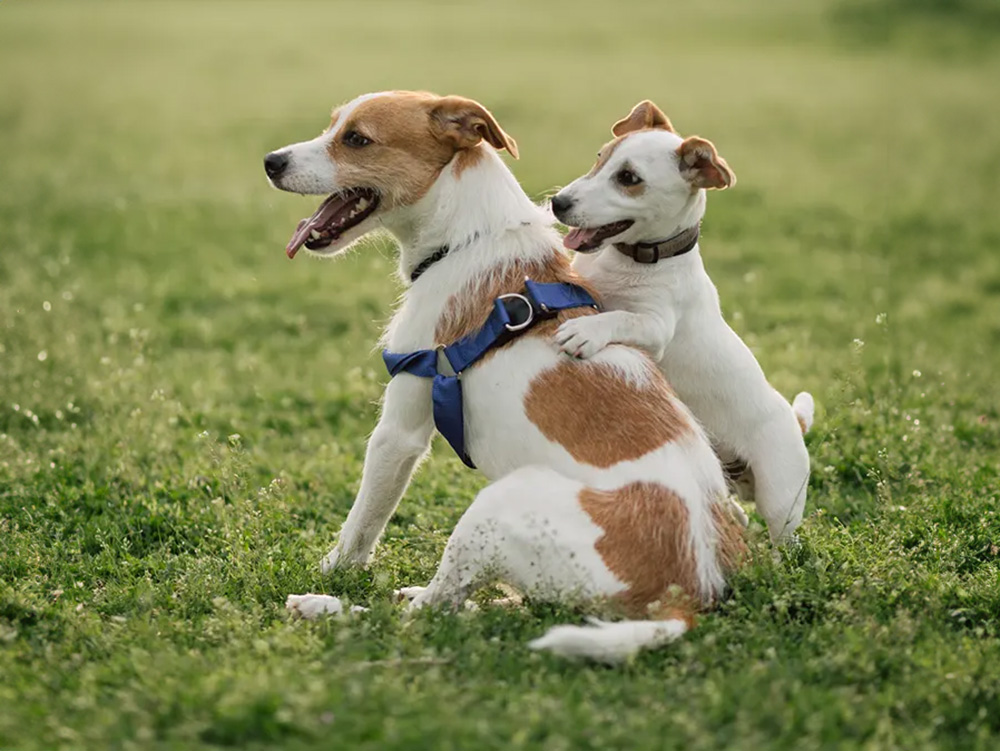
Alterations In Social Interactions
Neutered dogs may become friendlier with other animals and people. They often show less fear or anxiety.
Some dogs become more social and enjoy group play more after neutering.
- Improved tolerance of other dogs
- Less competitive behavior during play
- More affectionate toward owners and family
Credit: www.adoptapet.com
Common Myths About Neutered Dogs
Many people believe myths about neutered dogs. These myths can affect decisions about pet care.
Understanding the truth helps in making informed choices for your dog’s health and behavior.
Neutering And Weight Gain
Some think neutering causes dogs to become overweight. This is not always true.
- Overfeeding and lack of exercise are main causes of weight gain.
- Proper diet and activity level maintain healthy weight.
- Consult vets for balanced meal plans.
Impact On Training And Obedience
Neutering does not make dogs less trainable. It can sometimes improve focus.
| Behavior | Neutered Dog | Non-neutered Dog |
| Focus | Often better | Varies |
| Obedience | Consistent | Varies |
| Aggression | Reduced | Possible increase |
Effect On Playfulness
Another myth is that neutered dogs become less playful. Neutering does not change a dog’s natural play drive.
Hormonal Influences On Behavior
Neutering a dog changes its hormone levels. These hormonal shifts affect the dog’s behavior in many ways.
Understanding how hormones influence behavior helps owners manage their neutered dogs better.
Role Of Testosterone
Testosterone is the main male hormone. It affects aggression, dominance, and sexual behavior in dogs.
Neutering lowers testosterone levels, which often reduces aggressive and dominant behaviors.
- Less marking territory with urine
- Lower chance of fights with other dogs
- Decrease in mounting and roaming
Mood And Emotional Changes
Hormones influence a dog’s mood and emotions. Neutering can make dogs calmer and less anxious.
Some dogs may feel less confident or appear quieter after neutering due to hormonal changes.
- Reduced anxiety and stress levels
- Less restless behavior
- More relaxed around people and other dogs
Long-term Behavioral Effects
Long-term hormone changes from neutering affect behavior over time. Some effects may take months to show.
Most dogs show calmer behavior and fewer hormone-driven actions as they age after neutering.
- Lower risk of aggression later in life
- Less desire to roam away from home
- Improved focus during training

Credit: askavet.com
Managing Behavior Post-neutering
Neutering changes a dog’s hormones, which affects behavior. Some dogs become calmer, while others may act differently.
Owners should adjust routines to help their dog stay happy and healthy after neutering.
Adjusting Exercise Routines
Neutered dogs may have less energy than before. Exercise needs can change after surgery.
Keep your dog active but avoid too much running or jumping at first. Short walks and gentle play are good.
- Start with 10-15 minute walks daily
- Gradually increase exercise as your dog recovers
- Watch for signs of tiredness or discomfort
- Include mental games to keep your dog engaged
Dietary Considerations
Neutering can slow a dog’s metabolism. They may need fewer calories to avoid weight gain.
Talk to your vet about adjusting your dog’s diet. Feeding smaller portions or low-calorie food helps maintain a healthy weight.
- Measure food to control portions
- Feed high-quality, balanced dog food
- Limit treats and table scraps
- Monitor your dog’s weight regularly
Training Tips For New Behaviors
Neutered dogs can show new behaviors, like being less aggressive or more anxious. Training helps manage these changes.
Use positive reinforcement to encourage good behavior. Be patient and consistent with your training routines.
- Reward calm and friendly behavior with treats
- Practice basic commands daily
- Avoid punishment; it can increase stress
- Use toys and play to redirect unwanted behavior
When To Consult A Veterinarian
Neutered dogs can show changes in behavior. Some changes are normal, but others need a vet’s help. Knowing when to get advice keeps your dog healthy.
Watch your dog closely. If you see signs that worry you, do not wait. Early help can stop bigger problems.
Recognizing Unusual Behavior
Unusual behavior may mean your dog is sick or stressed. Look for changes in how your dog acts daily.
- Sudden aggression or fear
- Loss of interest in walks or play
- Excessive licking or biting
- Changes in eating or sleeping habits
- New anxiety or hiding
Health Issues Affecting Behavior
Health problems can cause behavior changes in neutered dogs. Some are linked to the surgery, others to illness.
| Health Issue | Possible Behavior Change |
| Hormone imbalance | Weight gain, low energy |
| Urinary tract problems | Frequent licking, discomfort |
| Pain or injury | Aggression, hiding |
| Infections | Lethargy, irritability |
Behavioral Therapy Options
Some behaviors improve with therapy. A vet can suggest the best ways to help your dog feel calm and happy.
- Training to reduce fear and aggression
- Using calming aids or supplements
- Regular exercise and social time
- Professional behaviorist consultations
Frequently Asked Questions
How Does Neutering Affect Dog Aggression?
Neutering often reduces aggression linked to hormones. It can calm territorial or dominant behaviors. However, individual temperament and training also influence aggression levels.
Will A Neutered Dog Become Less Active?
Neutered dogs may show slight decreases in activity. Hormonal changes can lower energy, but regular exercise keeps them fit and healthy.
Can Neutering Change A Dog’s Personality?
Neutering typically doesn’t alter core personality traits. It mainly affects hormone-driven behaviors like marking or roaming. Training and socialization remain key for behavior.
When Is The Best Age To Neuter A Dog?
Most vets recommend neutering between 6 to 9 months. Early neutering can prevent unwanted behaviors and health issues. Consult your vet for breed-specific advice.
Conclusion
Neutering can change a dog's behavior in many ways. It often reduces aggression and roaming. Dogs may become calmer and more focused. Still, each dog reacts differently to neutering. Training and attention remain important after surgery. Watch your dog closely for any changes.
Speak with your vet for advice and support. Understanding your dog's behavior helps build a stronger bond. Neutering is just one part of good care. Keep loving and caring for your pet every day.

Emily Barker is the founder of ChillDogLife.com, a space dedicated to helping pup parents discover the best dog products, lifestyle tips, and cozy ideas for happier homes.
A lifelong dog lover, Emily combines her passion for pets with a knack for research to share trusted recommendations on everything from toys and furniture to health and everyday care.
Her goal is simple: to make life easier, stylish, and more joyful for dogs and the people who love them.




