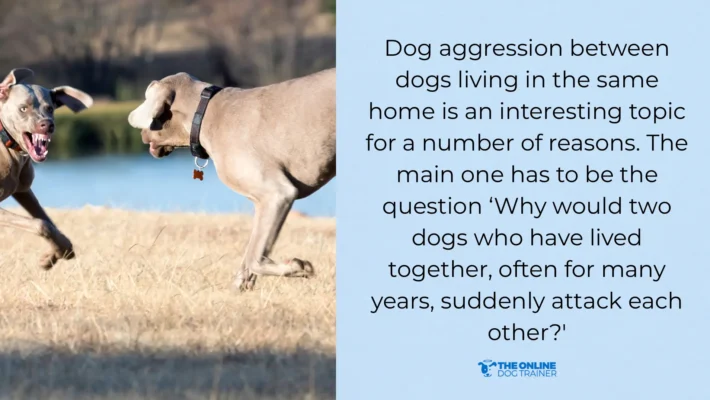
Is your dog showing aggressive behavior towards other dogs? This can be stressful for you and dangerous for your furry friend.
But don’t worry—understanding why your dog acts this way is the first step to fixing it. You’ll discover simple, effective ways to calm your dog and help them get along better with others. Keep reading, because the solution to a happier, safer walk is closer than you think.
Reasons For Dog Aggression
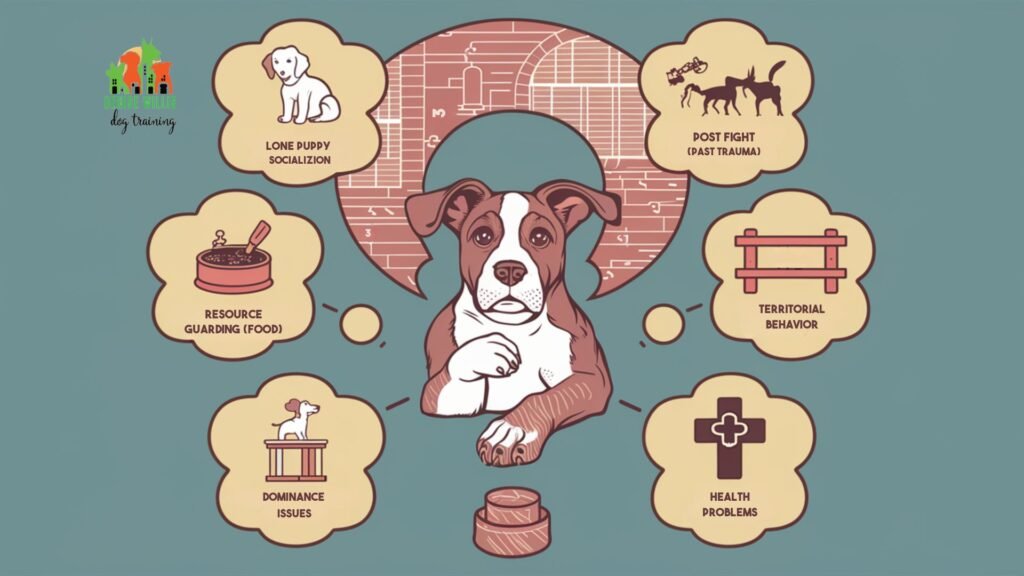
Aggressive behavior in dogs can be confusing and dangerous. Understanding the reasons helps owners manage it better.
Dogs may show aggression for many reasons. Knowing these reasons helps stop fights with other dogs.
Common Triggers
Many things can trigger aggression in dogs. Some triggers happen often during dog interactions.
- Protecting their food or toys
- Feeling threatened by another dog
- Sudden loud noises or fast movements
- Being in a new or crowded place
- Protecting their owner or space
Breed Tendencies
Some dog breeds are more likely to show aggression. This is because of their history and traits.
Breeds used for guarding or hunting often have stronger protective instincts. This can lead to more aggression with other dogs.
- Guard dogs may defend their territory
- Hunting breeds may chase or attack
- Some small breeds act tough to protect themselves
- Socialization helps reduce breed-related aggression
Fear And Anxiety
Fear is a strong cause of aggression in dogs. Dogs may attack if they feel scared or trapped.
Anxiety can also make dogs nervous around others. This nervousness can turn into aggressive behavior.
- Fear of unfamiliar dogs or places
- Pain or illness can increase anxiety
- Lack of early social experiences
- Stress from loud noises or sudden changes
Credit: www.dwdogtraining.com
Early Signs Of Aggression
Dogs show early signs of aggression before they act out. Spotting these signs helps prevent fights.
Understanding the signals your dog gives can keep other dogs safe. Watch your dog closely during interactions.
Body Language Cues
Body language shows how a dog feels. Aggressive dogs use stiff, tense movements.
Look for signs like stiff legs and raised fur. These signs warn of possible aggression.
- Stiff, straight legs and body
- Raised hackles (fur along the back)
- Direct, hard stare
- Tail held high and still or wagging slowly
- Ears pinned back or standing tall
- Lip lifting or snarling
Vocalizations To Watch
Sounds your dog makes can show aggression early. Growling or snarling often means discomfort.
Listen for changes in your dog’s voice. These sounds warn other dogs to keep away.
- Low growls or rumbling sounds
- Snarling with teeth showing
- Sharp, quick barks
- Deep, threatening howls
- Whining mixed with tense breathing
Training Techniques To Reduce Aggression
Aggressive behavior in dogs toward other dogs can be dangerous. Training helps reduce this aggression safely.
Using the right training methods can improve your dog’s behavior and make walks more enjoyable.
Positive Reinforcement
Positive reinforcement rewards good behavior. This helps your dog learn what you want.
Give treats, praise, or toys when your dog stays calm near other dogs.
- Reward calm behavior immediately
- Use high-value treats to motivate
- Keep training sessions short and fun
Desensitization And Counterconditioning
Desensitization means exposing your dog slowly to other dogs. Start at a distance where your dog feels safe.
Counterconditioning changes your dog’s feelings from fear or anger to calm and happy.
- Begin at a distance with no reaction
- Give treats and praise to create positive feelings
- Gradually decrease the distance over time
Consistency And Patience
Training needs to be consistent every day. Use the same commands and rewards to avoid confusion.
Be patient. Changing aggressive behavior takes time. Stay calm and keep training steady.
- Train in short, regular sessions
- Keep calm during setbacks
- Celebrate small improvements
Socialization Strategies
Stopping aggressive dog behavior starts with good socialization. Dogs that meet other dogs calmly learn to behave better. Socializing helps them feel safe and less anxious.
Using careful socialization methods can reduce fights and fear. Here are two key strategies to try.
Controlled Dog Interactions
Controlled interactions let dogs meet in a safe way. Keep dogs on leash and choose quiet places. Watch their body language closely for signs of stress.
- Start with calm, friendly dogs
- Keep meetings short and positive
- Reward good behavior with treats
- Gradually increase time spent together
- End sessions before dogs get tired or upset
Controlled interactions build trust. They help dogs learn to share space without fear.
Group Training Classes
Group classes offer social time with guidance. Trainers watch dogs closely and give advice. These classes teach dogs manners around others.
| Benefit | Details |
| Supervised Socialization | Trainer controls interactions to avoid fights |
| Consistent Commands | Dogs learn to obey in distracting settings |
| Positive Reinforcement | Trainers reward calm, friendly behavior |
| Owner Education | Owners learn how to manage aggression |
Group classes help dogs feel relaxed around many dogs. They also teach owners how to prevent aggression.
Managing Aggression During Walks
Walking your dog should be a pleasant experience. Sometimes, dogs show aggression towards other dogs during walks. This behavior can be stressful for both you and your pet.
Learning how to manage this aggression is important. It helps ensure safety for you, your dog, and other animals.
Using Proper Leashes And Harnesses
Choosing the right leash and harness is key. A strong leash gives you more control over your dog. Harnesses can also help distribute pressure, making it easier to manage your pet.
Consider using a short leash. It helps maintain control and prevents your dog from lunging at others.
- Choose a non-retractable leash for better control
- Opt for a harness that fits comfortably
- Check the strength of the leash regularly
Redirecting Attention
Redirecting your dog's attention can prevent aggressive behavior. Carry treats or toys to distract your dog when another dog approaches.
Practice commands like “sit” or “look at me”. These commands help shift your dog’s focus away from potential triggers.
- Use treats to grab attention
- Teach and practice basic commands
- Keep interactions positive and rewarding
Avoiding High-stress Situations
High-stress situations can trigger aggression. Avoid busy areas where many dogs are present. Choose quieter paths for your walks.
If your dog shows signs of stress, consider changing routes. It’s important to keep walks calm and stress-free for your pet.
- Pick less crowded paths
- Observe your dog’s body language
- Adjust walking routes if needed
When To Seek Professional Help
Understanding when your dog’s aggression is beyond control is important. It helps in deciding if you need a trainer or behaviorist. Early intervention can prevent dangerous situations.
Professional help ensures your dog learns to interact safely. Experts can guide you in managing aggressive behavior effectively.
Signs Aggression Is Unmanageable
Some signs indicate that your dog’s aggression is hard to handle. Recognizing these signs helps in taking timely action.
- Constant growling or barking at other dogs
- Attempts to bite or lunge at other animals
- Inability to calm down after encounters with other dogs
- Owner feels unsafe or unable to control the dog
Choosing A Qualified Trainer Or Behaviorist
When selecting a trainer, look for those with experience in handling aggressive dogs. A qualified professional can make a big difference in behavior management.
Make sure they have certifications or credentials from reputable organizations.
- Check their reviews or ask for references
- Ensure they use positive reinforcement techniques
- Ask about their experience with similar cases
| Trainer/Behaviorist | Experience Level | Specialization |
| John Doe | 10 Years | Aggression Management |
| Jane Smith | 8 Years | Positive Reinforcement |
Lifestyle Adjustments To Support Calm Behavior
Aggressive behavior in dogs can often be managed with changes in daily habits. Making lifestyle adjustments helps your dog stay calm and relaxed around other dogs.
Simple routines and activities reduce stress and improve your dog’s mood. These changes create a safer environment for everyone.
Regular Exercise
Exercise helps your dog burn off energy that might otherwise turn into aggression. Daily walks and playtime are important.
- Take your dog for at least 30 minutes of walking each day
- Include fetch or tug games to keep your dog active
- Use dog parks carefully to avoid stressful interactions
- Try swimming or running if your dog enjoys these activities
Mental Stimulation
Keeping your dog’s mind busy reduces anxiety and aggressive tendencies. Mental exercises can be just as tiring as physical ones.
| Activity | Description |
|---|---|
| Puzzle Toys | Toys that hide treats and require problem-solving |
| Training Sessions | Short, daily commands practice to improve focus |
| Scent Games | Hide treats around the house to encourage sniffing |
| Interactive Play | Engage your dog with new toys or games |
Consistent Routine
Dogs feel safer and calmer with a steady daily schedule. Predictable times for meals, walks, and rest reduce stress.
- Feed your dog at the same time every day
- Walk and play at regular hours
- Set a quiet time for rest each afternoon
- Keep training sessions consistent in length and timing
Credit: theonlinedogtrainer.com

Credit: www.dwdogtraining.com
Frequently Asked Questions
What Causes Aggressive Dog Behavior Towards Other Dogs?
Aggression often stems from fear, territorial instincts, or poor socialization. Dogs may also react due to pain or anxiety. Identifying the root cause helps tailor effective behavior modification strategies.
How Can I Safely Introduce My Aggressive Dog To Others?
Start with controlled, calm introductions on neutral ground. Use leashes and keep distance initially. Reward calm behavior and gradually decrease space as comfort grows.
What Training Methods Reduce Dog Aggression Towards Other Dogs?
Positive reinforcement, desensitization, and counter-conditioning are effective. Reward non-aggressive behavior consistently. Avoid punishment, as it can increase aggression and fear.
When Should I Seek Professional Help For Aggressive Dogs?
If aggression persists despite training or causes safety concerns, consult a certified dog behaviorist. Early intervention improves outcomes and ensures safety for all involved.
Conclusion
Stopping aggressive dog behavior takes patience and clear training steps. Consistency helps your dog learn good manners around other dogs. Keep practicing calm greetings and rewarding positive actions. Avoid situations that make your dog nervous or upset. Small progress is still progress.
Over time, your dog can behave better with friends. Stay calm and confident during every encounter. Your efforts will make walks and playtime more peaceful. Helping your dog feel safe leads to happier moments together. Keep trying; change happens one step at a time.

Emily Barker is the founder of ChillDogLife.com, a space dedicated to helping pup parents discover the best dog products, lifestyle tips, and cozy ideas for happier homes.
A lifelong dog lover, Emily combines her passion for pets with a knack for research to share trusted recommendations on everything from toys and furniture to health and everyday care.
Her goal is simple: to make life easier, stylish, and more joyful for dogs and the people who love them.




