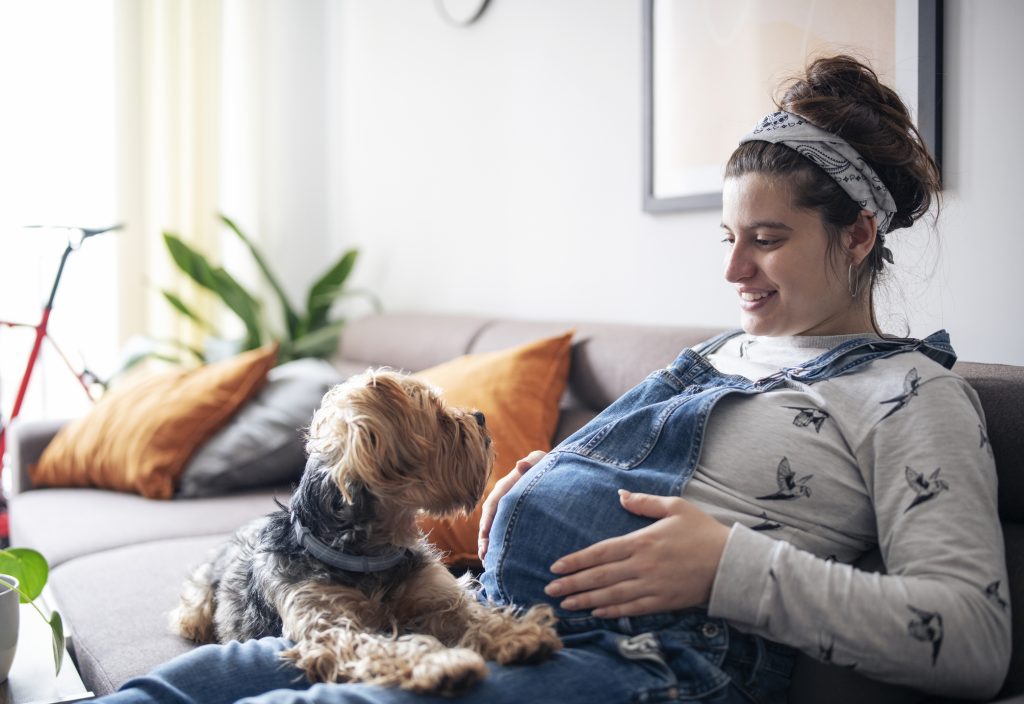
Are you expecting a baby and wondering how your dog will react? Pregnancy brings big changes—not just for you, but for your furry friend too.
You might notice your dog acting differently, and it can be confusing or even worrying. Understanding your dog’s behavior during this time is key to keeping both of you happy and safe. You’ll discover what to expect from your dog, how to prepare them for your new arrival, and simple tips to help your pet adjust smoothly.
Keep reading to create a peaceful and loving environment for your whole family.

Credit: www.yahoo.com
Pregnancy Effects On Dog Behavior
Pregnancy can change how dogs act around their owners. Dogs may sense changes and react in different ways.
Understanding these behavior changes helps owners support their dogs during this time. Dogs show changes in hormones, feelings, and energy.
Hormonal Influences
Pregnancy causes hormone levels to rise in women. Dogs can notice these changes through smell and behavior.
These hormones may make dogs more protective or anxious. Some dogs become calmer while others act restless.
Sensitivity To Environment
Dogs become more aware of their surroundings during pregnancy. Loud noises or new people may upset them more easily.
They may seek comfort from their owners or hide when feeling stressed. This shows their sensitivity to changes in the home.
Changes In Energy Levels
Dogs often change how active they are when their owner is pregnant. Some dogs rest more and move less.
Other dogs may become more playful to help cheer up their owner. These changes depend on the dog’s personality.
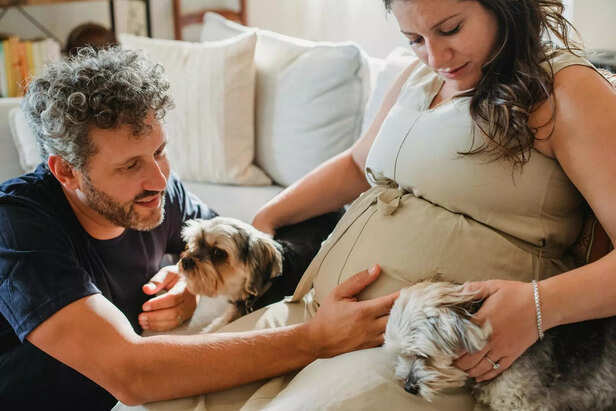
Credit: timespets.com
Common Behavioral Changes
Dogs often change their behavior when a family member is pregnant. These changes show how dogs react to new scents and emotions.
Understanding these behaviors helps owners care for their pets and prepare for the new baby.
Increased Affection Or Clinginess
Many dogs become more loving and want to stay close to their pregnant owner. They may follow her around the house more than usual.
- Seeking extra petting and attention
- Resting near the owner often
- Showing gentle behavior and calmness
- Increased licking or nudging
Anxiety And Restlessness
Some dogs feel anxious or restless as they sense change. They may pace, whine, or have trouble settling down.
| Behavior | Description |
| Pacing | Walking back and forth repeatedly |
| Whining | Making soft, high-pitched sounds |
| Restlessness | Difficulty staying still or calm |
| Loss of appetite | Eating less than usual |
Protectiveness And Territoriality
Dogs may become more protective of their owner and home. They can watch strangers more closely and guard their space.
Signs of protectiveness include:
- Standing between the owner and visitors
- Barking at unknown people or animals
- Showing alert body posture
- Following the owner closely in new places
Preparing Your Dog For A New Baby
Bringing a new baby home changes your family life. Your dog will notice these changes too. It is important to prepare your dog before the baby arrives.
Helping your dog adjust early can reduce stress. It can also keep everyone safe and happy.
Introducing Baby Sounds And Scents
Babies make many new sounds your dog has not heard. Some noises might scare or confuse your dog. Let your dog hear these sounds before the baby comes home.
- Play recordings of baby crying or laughing for short times.
- Use baby lotions or powders on a cloth and let your dog smell it.
- Bring home some baby clothes for your dog to sniff.
- Watch your dog’s reaction closely and comfort them if needed.
Adjusting Daily Routines
Your dog’s routine will change with a new baby in the house. Start adjusting your dog’s schedule early. This helps your dog get used to new times for walks, feeding, and play.
| Activity | Before Baby | After Baby |
|---|---|---|
| Walks | Twice a day, 30 minutes each | Once in the morning, once in the evening, 20 minutes each |
| Feeding | Same time every day | Feed before baby’s meal times |
| Attention | Uninterrupted playtime | Shorter play sessions with breaks |
Training For Boundaries
Your dog must learn where it can and cannot go once the baby arrives. Clear boundaries keep your baby safe. Teach your dog to stay off furniture or out of the nursery.
- Use baby gates to block off rooms.
- Practice commands like “stay” and “leave it.”
- Reward your dog when it follows the rules.
- Keep toys and baby items out of your dog’s reach.
:quality(75))
Credit: manypets.com
Safety Tips During Pregnancy
Pregnancy is a special time that needs extra care, especially around dogs. Dogs can sense changes in their owner. They may act differently or get more protective.
Keeping both mom and dog safe is important. Follow simple rules to avoid accidents and keep everyone healthy.
Managing Interactions With The Dog
Teach your dog to be gentle with your belly. Let your dog get used to the new baby smell early. Always watch how your dog behaves around you.
Do not let your dog jump on your belly or get too close without supervision. Use calm voices and pet your dog softly to keep them relaxed.
- Keep training sessions short and positive
- Use commands like “sit” and “stay” often
- Give your dog space if it seems nervous
Hygiene And Health Precautions
Wash your hands after touching your dog. This helps stop the spread of germs that may harm you or your baby.
Keep your dog clean by bathing and grooming regularly. Make sure your dog is up to date on vaccines and flea control.
- Wash hands with soap and water after petting
- Clean your dog’s bedding and toys often
- Visit the vet for regular health check-ups
Supervising Playtime
Never leave your dog alone with your baby or pregnant belly. Watch playtime closely to avoid rough behavior or accidents.
Use toys to keep your dog busy and distracted. This helps your dog stay calm and less focused on the pregnancy changes.
- Always stay near when your dog and baby interact
- Stop play if your dog gets too excited or rough
- Give your dog quiet time away from the baby area
Postpartum Dog Behavior
After a baby is born, dogs often change their behavior. They may feel confused or stressed by the new family member.
Understanding these changes helps keep your dog calm and happy. This makes it easier to live with a new baby.
Adapting To The Baby’s Arrival
Dogs need time to get used to the new sounds and smells of a baby. They may be curious or cautious at first.
Keep your dog’s routine steady. Let them see and smell the baby in a safe way.
- Allow your dog to explore the baby’s room slowly
- Use treats to create positive feelings around the baby
- Spend time with your dog to reduce stress
Handling Jealousy Or Attention-seeking
Dogs may act out to get attention from parents. This can include barking, whining, or pushing near the baby.
Give your dog love and playtime. Praise good behavior to help them feel included.
- Set aside daily play sessions with your dog
- Ignore bad behavior to avoid rewarding it
- Use calm commands to guide your dog
Maintaining Consistent Training
Keep training your dog even after the baby arrives. Consistency helps your dog know what is expected.
Use simple commands and reward good actions. Avoid harsh punishments to keep trust strong.
- Practice basic commands like sit and stay daily
- Reward calm behavior around the baby
- Keep rules the same to avoid confusion
When To Seek Professional Help
Dogs can act differently when a family member is pregnant. Sometimes, these changes in behavior need professional attention. It’s important to know when to seek help.
Understanding your dog's behavior can help keep both the dog and the family safe. Let’s explore some key areas to watch for.
Recognizing Stress Signals
Stress in dogs can show in many ways. Watch for signs like barking, hiding, or showing aggression. These signals mean your dog might be stressed.
Other signs include changes in appetite and sleeping patterns. Knowing these signals can help you decide if your dog needs extra help.
Consulting A Veterinarian Or Trainer
If your dog shows stress, consult a veterinarian. They can check for health issues that may cause stress. A professional trainer can help with behavior problems.
These experts can provide advice tailored to your dog’s needs. They can guide you on how to create a calm environment for your pet.
Behavioral Therapy Options
Behavioral therapy can help stressed dogs. It includes techniques to manage and reduce stress. These methods are designed to help your dog adapt to changes.
Some common therapy options include positive reinforcement and desensitization. These can help in improving your dog’s behavior over time.
- Positive reinforcement encourages good behavior.
- Desensitization helps with fear and anxiety.
- Consistency in training is key to success.
Frequently Asked Questions
How Does Pregnancy Affect A Dog’s Behavior?
Pregnancy can make dogs more protective and affectionate. They may become calmer or more anxious. Changes in hormones influence their mood and energy levels.
Can Dogs Sense Pregnancy In Humans?
Yes, dogs can detect pregnancy through smell and behavior changes. They notice hormonal shifts and may react differently to their owners.
Should I Change My Dog’s Routine During Pregnancy?
Yes, adjust your dog’s routine to reduce stress. Maintain regular exercise and feeding times but avoid rough play around pregnant owners.
How To Prepare Dogs For A New Baby Arrival?
Introduce baby sounds and smells early. Create safe spaces and reinforce positive behavior. Gradual exposure helps dogs adjust calmly to the baby.
Conclusion
Pregnancy can change how dogs act around their owners. Dogs may become more protective or gentle. Some might feel confused or anxious. It helps to keep routines steady and show extra love. Talking to a vet can guide you through changes.
Understanding your dog’s behavior makes the experience easier. Both mom and dog can adjust well with care. This bond can grow stronger during pregnancy. Keep watching and learning about your dog’s needs. Together, you create a safe and happy home.

Emily Barker is the founder of ChillDogLife.com, a space dedicated to helping pup parents discover the best dog products, lifestyle tips, and cozy ideas for happier homes.
A lifelong dog lover, Emily combines her passion for pets with a knack for research to share trusted recommendations on everything from toys and furniture to health and everyday care.
Her goal is simple: to make life easier, stylish, and more joyful for dogs and the people who love them.




