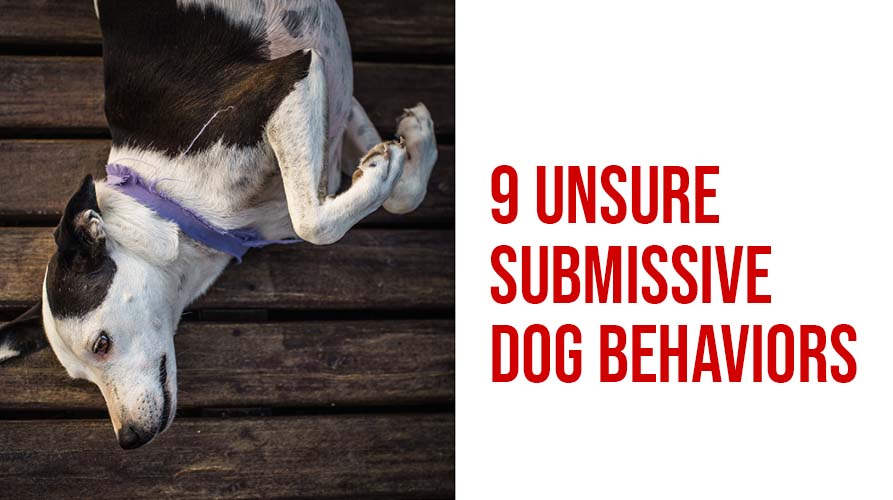
Have you ever wondered why your dog suddenly lowers its head, avoids eye contact, or rolls onto its back when you approach? These actions aren’t random—they’re signs of submissive behavior.
Understanding this behavior is key to building a stronger bond with your furry friend. You’ll discover what submissive behavior really means, why your dog shows it, and how you can respond in ways that make your relationship healthier and happier.
Keep reading to unlock the secrets behind your dog’s body language and connect with them on a deeper level.

Credit: pupford.com
Signs Of Submissive Behavior
Submissive behavior in dogs shows respect or fear toward others. It helps avoid conflict with other dogs or people.
Recognizing these signs helps owners understand their dog’s feelings and reactions better.
Body Language Cues
Dogs use their body to show submission. They may lower their head or body to look smaller and less threatening.
- Lowering the head or entire body
- Avoiding direct eye contact
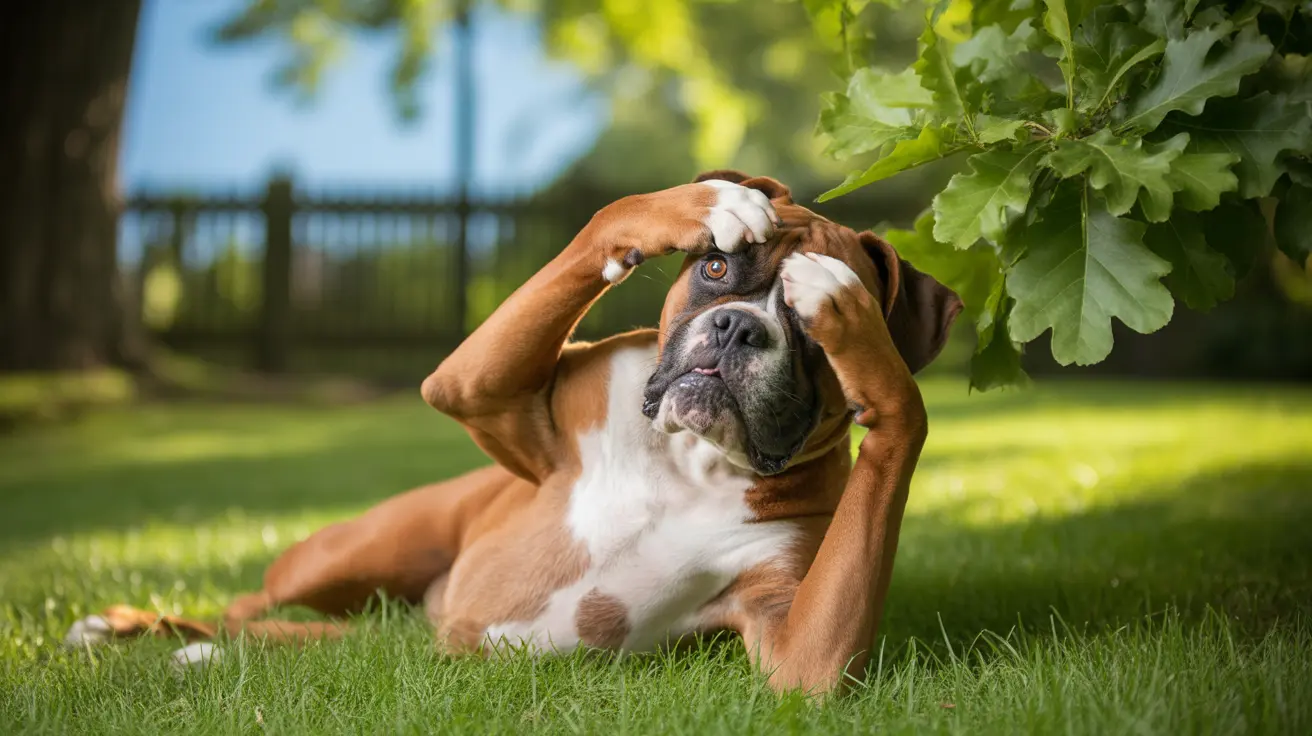
- Exposing the belly or lying down
- Tucking the tail between the legs
- Flattening ears back against the head
Vocalizations And Sounds
Submissive dogs use soft sounds to show their feelings. These can include quiet whines or gentle whimpers.
- Soft whining or whimpering
- Low, quiet growls that do not sound aggressive
- High-pitched yelps if startled or scared
- Quiet, calm barking to avoid attention
Common Behavioral Patterns
Submissive dogs often follow certain actions to avoid conflict. These patterns help show they mean no harm.
| Behavior | Description |
| Rolling over | Shows belly to signal trust or submission |
| Following closely | Stays near owner or dominant dog to show respect |
| Urinating slightly | Submissive urination to show no threat |
| Slow movements | Moves carefully to avoid startling others |
| Licking lips or nose | Calming signal to reduce tension |
Reasons Behind Submissive Behavior
Submissive behavior in dogs shows respect or fear. Dogs use it to avoid fights or trouble.
Understanding why dogs act submissive helps owners respond kindly and train well.
Genetic And Breed Influences
Some dog breeds are more likely to show submissive behavior. Genetics can affect how shy or bold a dog is.
Breeds bred for working with humans often listen well and show respect in their body language.
- Herding breeds may be more alert and responsive
- Companion breeds often seek approval and show submission
- Genetic makeup shapes personality traits
Early Life Experiences
Puppies learn social skills from their mother and littermates. Early play teaches when to be gentle or submissive.
Dogs that faced fear or harsh treatment as puppies may act more submissive to avoid harm.
- Positive early socialization builds confidence
- Lack of social experience can cause fear
- Early fear leads to more submissive actions
Impact Of Environment And Training
A dog’s home and training style affect its behavior. Calm and kind training lowers fear and builds trust.
Harsh or inconsistent training can cause anxiety, making dogs act more submissive to avoid punishment.
- Positive reinforcement helps dogs feel safe
- Stressful environments increase submissive behavior
- Clear rules and gentle training create confident dogs
Recognizing Healthy Vs. Excessive Submission
Dogs show submission to communicate respect and avoid conflict. This behavior helps dogs live peacefully with others.
Some submission is normal and healthy. Too much submission can cause problems for dogs and owners.
Balanced Submissive Traits
Healthy submission means your dog shows respect without fear. They stay calm but confident around people and other dogs.
Examples of balanced submission include lowering the body, avoiding direct eye contact, or lying down calmly.
- Calmly lowering the head or body
- Soft eyes and relaxed ears
- Rolling over to show belly when relaxed
- Gentle licking of another dog’s face
- Quickly recovering and playing after submission
When Submission Becomes Problematic
Excessive submission happens when a dog is too fearful or anxious. This can make them stressed or avoid social interaction.
Signs of problematic submission include trembling, hiding, or refusing to eat. These behaviors may hurt your dog’s well-being.
- Constant cowering or hiding
- Shaking or trembling around people
- Excessive licking or chewing themselves
- Refusing food or treats
- Avoiding eye contact with all dogs and people

Credit: spcawake.org
Effective Training Strategies
Submissive behavior in dogs shows they feel unsure or scared. Training can help them feel safe and confident.
Using kind and clear methods helps dogs learn better. This guide explains ways to build confidence and good habits.
Building Confidence In Dogs
Confidence grows when dogs face small challenges and succeed. Praise them for brave actions, even tiny ones.
Give your dog chances to explore new places safely. This helps reduce fear and builds trust in you.
Positive Reinforcement Techniques
Reward your dog with treats, toys, or praise when they show good behavior. This makes them want to repeat it.
Ignore unwanted behavior but reward calm and confident actions. Positive reinforcement helps dogs learn fast.
- Use small, tasty treats as rewards
- Give gentle praise with a happy voice
- Offer a favorite toy for good actions
- Be consistent with rewards
Setting Clear Boundaries
Dogs feel safer when they know limits. Clear rules help them understand what is okay and what is not.
Use simple commands and be firm but kind. Avoid yelling or harsh punishments as they increase fear.
- Teach basic commands like “sit” and “stay”
- Use the same words for commands every time
- Practice short training sessions daily
- Reward good choices and ignore bad ones
Handling Aggression Linked To Submission
Some dogs show submissive behavior that can turn into aggression. This aggression is a way to protect themselves. Understanding this helps you handle it safely.
Handling aggression linked to submission needs care and patience. You must know the signs and use safe ways to intervene.
Triggers And Warning Signs
Submission-related aggression often starts with certain triggers. Dogs may feel scared or threatened. Watch for signs before aggression begins.
Common triggers include sudden movements, loud noises, or direct eye contact. These can make a submissive dog feel unsafe.
- Lowered body posture or crouching
- Avoiding eye contact or looking away
- Growling or showing teeth
- Yawning or licking lips nervously
- Tail tucked between legs
Safe Intervention Methods
Intervene calmly and carefully when you see warning signs. Do not punish or shout at the dog. This may increase fear and aggression.
Use these safe methods to help your dog feel secure and reduce aggressive behavior linked to submission.
- Speak softly and move slowly around the dog
- Avoid direct eye contact to reduce stress
- Give the dog space to retreat or calm down
- Use treats to reward calm and confident behavior
- Seek help from a professional trainer if aggression continues
Role Of Socialization
Socialization plays a crucial role in shaping a dog's behavior. It helps them learn how to interact with other animals and humans.
Proper socialization can reduce submissive behavior in dogs. It builds their confidence and helps them adapt to different environments.
Early Social Exposure
Early social exposure is important for puppies. It should start when they are young, ideally between 3 to 14 weeks of age.
This exposure helps puppies learn to be comfortable with new experiences. They should meet different people, animals, and explore various places.
- Introduce them to different sounds and sights
- Let them play with other puppies
- Encourage gentle handling by humans
Ongoing Social Skills Development
Social skills development should continue throughout a dog’s life. Regular interactions help maintain their social abilities.
Dogs should be exposed to various social situations. This prevents them from becoming overly submissive or fearful.
- Join dog training classes
- Arrange playdates with other dogs
- Visit dog-friendly parks regularly
When To Seek Professional Help
Submissive behavior in dogs can be a concern for owners. Sometimes, it is hard to know when to seek professional help. Understanding the signs helps make the decision easier.
Professional guidance can improve your dog’s behavior and your relationship. Seeking help at the right time is key to solving these issues effectively.
Identifying Behavioral Issues
Knowing the signs of submissive behavior is important. It includes excessive cowering or urination when approached. These behaviors indicate that your dog might need help.
- Frequent submissive urination
- Excessive cowering or hiding
- Constantly avoiding eye contact
- Repeated tail tucking
Choosing The Right Trainer Or Behaviorist
Finding the right professional is crucial for addressing submissive behavior. Look for someone with experience and a good reputation in dog behavior modification.
Consider these factors when choosing a trainer:
- Certification from a recognized organization
- Positive reviews from other dog owners
- Experience with similar behavioral issues
| Qualification | Importance |
| Certification | High |
| Experience | Medium |
| Client Reviews | High |
Credit: www.petscare.com
Frequently Asked Questions
What Is Submissive Behavior In Dogs?
Submissive behavior in dogs shows respect and acknowledgment of social hierarchy. It includes gestures like lowering the body, avoiding eye contact, and exposing the belly. This behavior prevents conflict and promotes peaceful interactions within the pack or family.
Why Do Dogs Show Submissive Behavior?
Dogs show submissive behavior to avoid aggression and maintain harmony. It helps them communicate their non-threatening intentions. Submissive dogs seek reassurance and acceptance from their owners or other dogs. This behavior is natural and essential for social bonding.
How Can I Identify Submissive Behavior In My Dog?
Look for signs like crouching, tail tucking, licking lips, and avoiding direct eye contact. Submissive dogs may also roll over and expose their bellies. These signals indicate your dog respects you and feels safe in your presence.
Does Submissive Behavior Indicate Fear Or Anxiety?
Submissive behavior can signal mild fear or anxiety but is mostly a peaceful communication tool. It shows your dog wants to avoid conflict. Understanding this helps you respond calmly and build trust with your dog.
Conclusion
Submissive behavior in dogs shows their respect and trust. It helps avoid fights and keeps peace. Knowing these signs improves your bond with your dog. Be patient and gentle to build confidence in them. Training with kindness helps your dog feel safe and loved.
Understanding your dog’s feelings makes your relationship stronger. Every dog is unique, so watch their cues closely. Caring for your dog means learning how they communicate. This knowledge leads to a happy and healthy friendship.

Emily Barker is the founder of ChillDogLife.com, a space dedicated to helping pup parents discover the best dog products, lifestyle tips, and cozy ideas for happier homes.
A lifelong dog lover, Emily combines her passion for pets with a knack for research to share trusted recommendations on everything from toys and furniture to health and everyday care.
Her goal is simple: to make life easier, stylish, and more joyful for dogs and the people who love them.




