Is your dog chewing up your favorite shoes or scratching the furniture? Destructive behavior can be frustrating and stressful for any dog owner.
But the good news is, you can change this. With the right dog training techniques, you’ll help your furry friend learn better habits and bring peace back to your home. Keep reading to discover simple, effective ways to stop destructive behavior and enjoy a happier relationship with your dog.
Causes Of Destructive Behavior
Destructive behavior in dogs can be frustrating for owners. Understanding the causes helps manage it better. Dogs act out for different reasons that affect their behavior.
Knowing why a dog destroys items is the first step to stopping this habit. Here are common causes of destructive behavior in dogs.
Boredom And Lack Of Exercise
Dogs need mental and physical activity every day. Without enough playtime or walks, they get bored. This boredom leads to chewing furniture, digging, and other damage.
- Less energy release causes frustration.
- Chewing helps relieve boredom and stress.
- Regular exercise reduces destructive acts.
Separation Anxiety
Some dogs feel anxious when left alone. They may chew or destroy things to cope with fear. This behavior shows their stress and need for comfort.
Signs of separation anxiety include:
- Excessive barking or whining
- Chewing doors or windows
- Attempting to escape from the house
Teething And Age Factors
Puppies chew more when they have new teeth coming in. This helps ease pain and discomfort. Older dogs may also chew due to health or boredom issues.
| Age | Common Cause | Reason |
| Puppy | Teething | Relieves gum pain |
| Adult | Boredom | Needs more activity |
| Senior | Health Issues | Comfort or anxiety |
Attention-seeking Habits
Dogs learn to get attention by their actions. If destruction brings a reaction, they repeat it. This behavior shows their need to be noticed.
- Destruction gets owner’s focus
- Positive attention teaches better habits
- Ignore bad behavior to reduce it
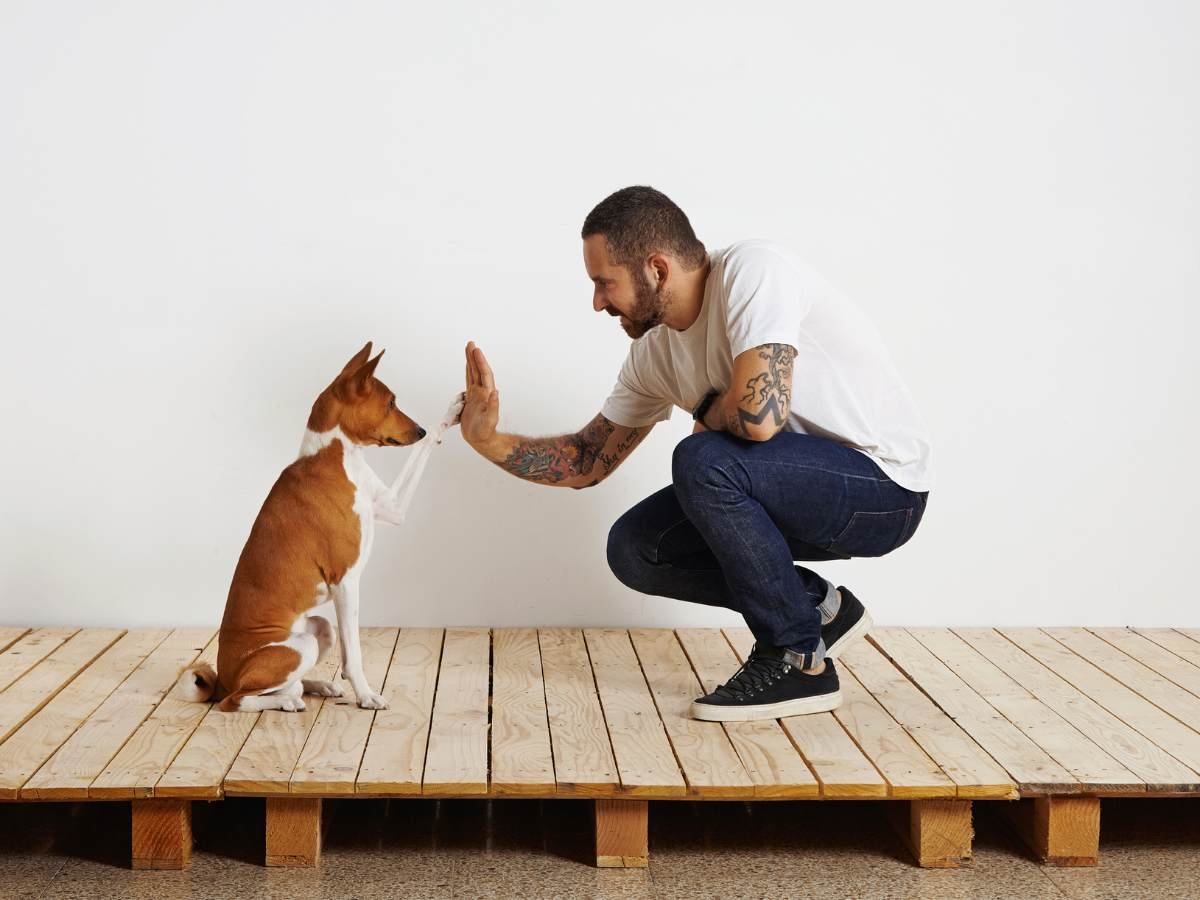
Credit: hellopetsinc.com
Recognizing Destructive Patterns
Destructive behavior in dogs can be challenging. It is crucial to recognize early signs. Understanding these patterns helps in managing the behavior effectively.
Watch for specific behaviors that indicate your dog may need guidance. Identifying these patterns early can prevent future issues.
Common Signs To Watch For
Dogs show different signs of destructive behavior. Knowing these signs can help you act promptly.
- Chewing on furniture or shoes
- Digging holes in the yard
- Scratching doors and walls
- Excessive barking or whining
- Urinating indoors despite being house-trained
Identifying Triggers
Understanding what triggers destructive behavior is key. Triggers can vary from dog to dog.
| Trigger | Description |
| Separation Anxiety | Occurs when left alone |
| Lack of Exercise | Not enough physical activity |
| Boredom | No mental stimulation |
| Fear | Response to loud noises |
Timing And Frequency
Timing and frequency of destructive actions provide insights. This helps in pinpointing the underlying issues.
Observe if the behavior occurs at specific times. Frequent occurrences may indicate a persistent problem.
- Note the time of day when behavior happens
- Record how often it occurs
- Compare patterns over weeks
Effective Training Strategies
Destructive behavior in dogs can be hard to manage. Training helps stop bad habits and builds good ones.
Using clear strategies makes training easier for both you and your dog. Consistency and patience are key.
Positive Reinforcement Techniques
Reward your dog when it shows good behavior. This helps your dog learn what you want.
Use treats, praise, or toys as rewards. Give them right after the good action.
- Offer treats for chewing toys, not furniture
- Praise your dog when it listens
- Use a happy voice to encourage
Using Commands And Boundaries
Teach simple commands like “no” and “leave it.” These help control unwanted actions.
Set clear boundaries in your home. Use gates or closed doors to limit access to problem areas.
- Say “no” firmly when dog chews wrong items
- Redirect your dog to allowed areas
- Keep tempting objects out of reach
Redirecting Chewing Behavior
Give your dog safe toys to chew on. This keeps them busy and saves your belongings.
When your dog starts chewing wrong things, gently move them to a toy. Praise when they chew it.
- Provide a variety of chew toys
- Rotate toys to keep interest high
- Supervise your dog during playtime
Crate Training Benefits
Crate training gives your dog a safe space. It helps reduce anxiety and destructive behavior.
Use the crate for short times at first. Make it comfortable with bedding and toys inside.
- Prevents chewing when unsupervised
- Teaches your dog to relax alone
- Helps with house training
Environmental Adjustments
Dogs with destructive behavior need a safe and engaging environment. Changes to their surroundings help reduce damage and stress.
These adjustments guide your dog to chew and play in healthy ways. They also protect your home from harm.
Safe Toys And Chew Alternatives
Provide toys that are strong and safe to chew on. These keep your dog busy and stop them from chewing furniture.
Choose chew items made for dogs. Avoid anything that can break into small pieces or cause choking.
- Rubber chew toys that are durable
- Rope toys for tugging and chewing
- Edible chews made from natural ingredients
- Puzzle toys that release treats
Dog-proofing Your Home
Keep items your dog might chew out of reach. This protects both your belongings and your pet.
Block access to rooms or areas where damage often happens. Use gates or barriers to limit your dog’s movement.
- Store shoes and clothing in closets
- Hide electrical cords and cables
- Use baby gates to close off rooms
- Put trash cans inside cabinets
Creating A Stimulating Space
Make a special area where your dog can play and relax. This helps reduce boredom and anxiety.
Include toys, comfortable bedding, and space to move. Change toys often to keep your dog interested.
- Soft bed or crate with blankets
- Variety of toys rotated weekly
- Safe space for rest and play
- Interactive feeders to slow eating
Exercise And Mental Stimulation
Dogs with destructive behavior need both physical exercise and mental stimulation. This helps them use energy in a good way and reduces boredom. A tired dog is less likely to chew or dig in the wrong places.
Giving your dog regular activities and challenges keeps their mind sharp. It also builds a strong bond between you and your pet. Below are ways to keep your dog active and engaged every day.
Daily Physical Activities
Daily exercise helps your dog burn off energy. This lowers the chance of destructive acts caused by restlessness. Walking, running, and playing outside are great ways to keep your dog moving.
- Take your dog for a brisk walk twice a day
- Play fetch in a safe, open area
- Let your dog run in a fenced yard or dog park
- Use a treadmill made for dogs if weather is bad
Interactive Games And Puzzles
Interactive games and puzzles challenge your dog’s brain. These activities keep your dog busy and reduce stress. You can buy puzzle toys or make your own at home.
| Type of Puzzle | How It Helps |
| Treat-Dispensing Toys | Keeps dog focused and rewards effort |
| Hide-and-Seek Games | Sharpens scent and problem-solving skills |
| Interactive Ball Launchers | Combines play with thinking |
Training Sessions As Mental Workouts
Training is a great way to give your dog mental exercise. Short, frequent sessions keep your dog interested. Use positive reinforcement to teach new commands or tricks.
- Start with simple commands like sit and stay
- Use treats or praise as rewards
- Add new tricks as your dog learns
- Keep sessions short, about 10 to 15 minutes
- Practice daily to build good habits

Credit: www.youtube.com
Managing Separation Anxiety
Separation anxiety can cause dogs to act destructively when left alone. This behavior worries many dog owners. Understanding how to manage this anxiety helps keep your dog calm and safe.
Training your dog to feel comfortable alone takes time and patience. Using calm tools and seeking help from experts can also ease your dog’s stress.
Gradual Alone Time Training
Start by leaving your dog alone for short periods. Slowly increase the time you are away. This helps your dog get used to being alone without feeling scared.
Keep departures and returns low-key. Avoid making a big fuss when you leave or come back. This teaches your dog that being alone is normal and not a problem.
- Begin with just a few minutes apart
- Increase alone time by a few minutes daily
- Use a safe, comfortable space for your dog
- Avoid long goodbyes and excited greetings
Comfort Items And Calming Aids
Comfort items like favorite toys or blankets can help your dog feel secure. These items remind your dog of your presence when you are gone.
Calming aids like pheromone sprays or anxiety wraps may reduce stress. These tools support your dog’s relaxation during alone time.
- Soft blankets with your scent
- Chew toys to keep busy
- Pheromone diffusers or sprays
- Anxiety wraps for gentle pressure
Professional Support Options
If anxiety is severe, a trainer or vet can help. Professionals can suggest behavior plans or medication to support your dog.
Working with an expert gives you tools and guidance. This support improves your dog’s comfort and reduces destructive behavior.
- Certified dog trainers for behavior advice
- Veterinarians for medical evaluation
- Animal behaviorists for tailored plans
- Support groups for dog owners
When To Seek Professional Help
Dealing with destructive behavior in dogs can be tough. Sometimes, the problem goes beyond simple training. Knowing when to get professional help is important for your dog’s safety and happiness.
Early action can stop bad habits from getting worse. This guide explains signs to watch for, how to pick the right expert, and what therapy or medication might help.
Signs Of Severe Behavior Issues
Some signs mean your dog needs more than basic training. Look for these serious behavior problems:
- Constant chewing that destroys furniture or belongings
- Excessive barking or growling without clear cause
- Aggression toward people or other animals
- Self-harm, like biting or scratching skin
- Severe anxiety, shown by trembling or hiding
Choosing A Trainer Or Behaviorist
Selecting the right expert matters. Trainers and behaviorists have different skills and roles. Here is a simple table to help you understand who to choose:
| Professional | Main Focus | Best For |
| Dog Trainer | Teaching obedience and commands | Basic behavior problems |
| Behaviorist | Diagnosing and treating serious behavior issues | Severe anxiety, aggression |
| Veterinarian | Health checks and medication | Medical causes of behavior |
Therapy And Medication Considerations
Some dogs need therapy or medication to improve behavior. This can help with anxiety, aggression, or other serious problems. Talk to your vet or behaviorist about options.
- Behavior therapy to change harmful habits
- Anti-anxiety or mood-stabilizing medications
- Regular follow-ups to track progress
- Combining training with therapy for best results

Credit: k9connoisseur.com
Frequently Asked Questions
What Causes Destructive Behavior In Dogs?
Destructive behavior often stems from boredom, anxiety, or lack of exercise. Dogs may chew or dig to relieve stress. Identifying the root cause helps in effective training and preventing damage.
How Can I Stop My Dog From Chewing Furniture?
Provide plenty of chew toys and regular exercise. Use positive reinforcement when your dog chews appropriate items. Redirect chewing behavior and avoid punishment for better results.
Is Crate Training Effective For Destructive Dogs?
Yes, crate training can reduce destructive behavior by providing a safe space. It limits access to household items and helps manage anxiety. Introduce the crate gradually and positively.
How Long Does Dog Training For Destructive Habits Take?
Training duration varies based on the dog’s age and behavior severity. Consistent daily sessions over weeks usually show improvement. Patience and persistence are key to success.
Conclusion
Training your dog to stop destructive behavior takes time and patience. Consistency helps your dog learn what is right. Reward good actions and gently correct bad ones. Provide enough exercise and mental play to reduce boredom. Understand your dog’s needs and feelings.
Small steps lead to big changes. Stay calm and keep trying every day. Your bond with your dog will grow stronger. Peace at home becomes possible with good training. Keep hope alive; change can happen.

Emily Barker is the founder of ChillDogLife.com, a space dedicated to helping pup parents discover the best dog products, lifestyle tips, and cozy ideas for happier homes.
A lifelong dog lover, Emily combines her passion for pets with a knack for research to share trusted recommendations on everything from toys and furniture to health and everyday care.
Her goal is simple: to make life easier, stylish, and more joyful for dogs and the people who love them.




