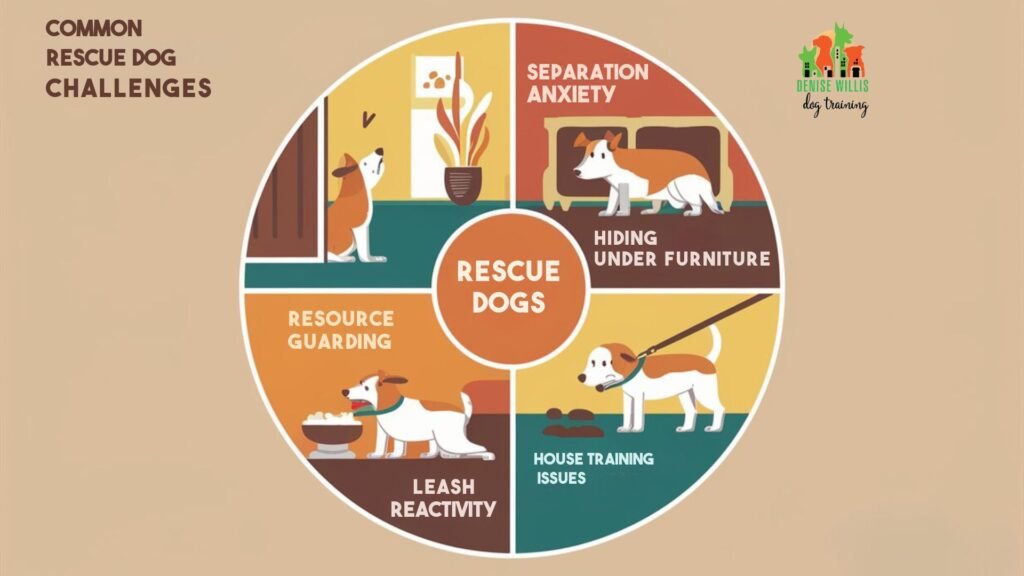
Bringing a rescue dog into your home can be one of the most rewarding experiences. But you might quickly notice some behavior issues that challenge your patience and understanding.
These problems aren’t a reflection of your dog’s character—they often come from past trauma or uncertainty. If you want to build a strong, loving bond and help your dog feel safe, it’s crucial to understand these behaviors and know how to address them.
Keep reading, and you’ll discover practical tips that can transform your rescue dog’s behavior and strengthen your connection like never before.
Credit: www.kimmyssafehavenrescue.com
Common Behavior Issues
Rescue dogs often face behavior challenges due to their past experiences. Understanding these issues helps owners provide better care.
Many common behavior problems come from fear, anxiety, or learned habits. Addressing them early improves the dog’s well-being.
Separation Anxiety
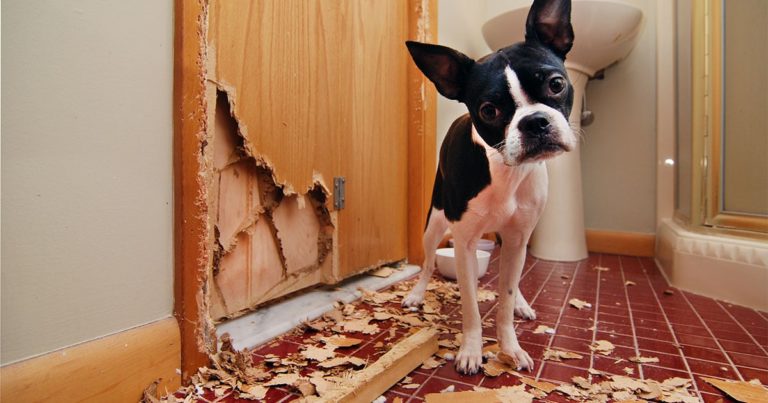
Separation anxiety happens when a dog feels stressed being alone. They may bark, whine, or destroy things.
This issue is common in rescue dogs who lost their previous homes or owners suddenly.
- Whining or barking when left alone
- Trying to escape from the crate or house
- Chewing furniture or personal items
- Pacing or drooling excessively
Aggression Triggers
Some rescue dogs show aggression because of fear or past abuse. They may growl, snap, or bite.
Triggers vary but often include sudden movements, strangers, or other dogs.
- Fear of new people or animals
- Protective behavior over toys or food
- Startling noises or quick actions
- Feeling cornered or trapped
Fear And Phobias
Many rescue dogs have fears from bad past experiences. Loud noises or certain places can scare them.
Fear can cause shaking, hiding, or trying to run away.
- Thunderstorms or fireworks
- Vacuum cleaners or loud machines
- Strangers or unfamiliar environments
- Other animals or children
Excessive Barking
Rescue dogs may bark a lot due to stress, boredom, or alerting their owners.
Excessive barking can disturb family members and neighbors.
- Barking at passing people or animals
- Calling for attention or help
- Responding to noises outside
- Boredom or lack of exercise
Chewing And Destructiveness
Chewing is natural but can become destructive. Rescue dogs may chew due to anxiety or boredom.
Damage to furniture or shoes is common without proper toys or training.
- Chewing on furniture and household items
- Destroying shoes or clothing
- Digging in the yard or garden
- Looking for ways to relieve stress
Root Causes Of Behavior Problems
Rescue dogs often come with behavior issues that can confuse new owners. These problems usually have deep reasons behind them. Understanding these causes helps in giving better care and training.
Each dog’s story is unique, but many behavior problems share common roots. Knowing these can guide how to help rescue dogs adjust and thrive in their new homes.
Past Trauma And Abuse
Many rescue dogs have faced trauma or abuse before they were adopted. This can cause fear, anxiety, or aggression. They might react strongly to certain sounds, people, or places.
Trauma makes it hard for dogs to trust humans. They may hide, growl, or snap when they feel threatened. Patience and gentle care are needed to help them heal over time.
Lack Of Socialization
Dogs that did not meet many people or animals as puppies may fear new experiences. This fear can cause barking, biting, or avoiding others. Socialization helps dogs feel safe around new things.
Without social skills, dogs may not know how to behave with others. They can become shy or aggressive. Early and ongoing socialization is key for good behavior.
- Meeting different people and animals
- Exploring new places
- Trying new sounds and sights
Inconsistent Training
When training is not clear or consistent, dogs get confused. Mixed signals make it hard for them to learn good behavior. This can lead to bad habits or disobedience.
Consistent commands and rules help dogs know what is expected. Training should be calm and regular. This builds trust and good manners.
Health-related Issues
Sometimes behavior problems come from health issues. Pain or illness can cause dogs to act out. They may growl or hide if they feel unwell.
Regular vet visits check for problems that affect behavior. Treating health issues can improve how a dog acts and feels.
- Pain from injury or arthritis
- Dental problems causing discomfort
- Neurological disorders affecting mood
- Hormonal imbalances
Assessment And Identification
Rescue dogs often come with behavior challenges. Understanding their behavior is important for a smooth transition.
Assessment helps identify issues early. It guides proper care and training for each dog.
Recognizing Warning Signs
Warning signs show if a rescue dog feels scared or stressed. Watch for changes in behavior or mood.
Common signs include growling, hiding, or refusing to eat. These signs need attention to prevent problems.
- Avoidance of people or other pets
- Excessive barking or whining
- Destructive chewing or digging
- Unusual aggression or fearfulness
- Changes in bathroom habits
Behavioral Evaluations
Behavioral evaluations check how a dog acts in different situations. They help find the root of problems.
Evaluations may include testing reactions to sounds, people, or new places. This helps build a care plan.
- Assess social skills with humans and other dogs
- Observe responses to new environments
- Check how the dog handles stress
- Identify triggers for fear or aggression
- Note positive behaviors to encourage
When To Seek Professional Help
Some behavior issues need expert help. Trainers or vets can provide the right support for rescue dogs.
Seek help if the dog shows severe aggression or fear. Professionals can offer training or medical advice.
- Dog bites or shows dangerous aggression
- Constant anxiety or panic attacks
- Destructive behavior that harms the dog or home
- Persistent problems that do not improve
- Need advice on training or medication
Training Techniques
Rescue dogs often face behavior challenges. Training helps them adjust to new homes.
Using clear methods makes learning easier for these dogs. Good techniques build trust and safety.
Positive Reinforcement
Reward good behavior to encourage dogs to repeat it. Treats, praise, or play work well.
- Give a treat right after a good action
- Use happy voices and petting as rewards
- Avoid punishing mistakes to keep trust
- Keep training sessions short and fun
Consistency And Routine
Dogs learn faster with regular schedules. Daily routines help reduce anxiety and confusion.
| Time | Activity |
| Morning | Walk and basic commands |
| Afternoon | Playtime and socialization |
| Evening | Quiet time and training review |
Desensitization And Counter-conditioning
Help dogs face fears by slowly exposing them to triggers. Pair exposure with positive experiences.
Steps for desensitization:
- Identify the fear or trigger
- Start with low-level exposure
- Use treats and praise during exposure
- Gradually increase exposure over time
- Stop if the dog shows stress and try again later
Creating A Safe Environment
Rescue dogs often face behavior challenges because of past trauma. Building a safe space helps them feel calm and secure.
A safe environment reduces stress and supports healing. It is key to helping rescue dogs adjust well.
Safe Spaces And Crate Training
Safe spaces give rescue dogs a quiet place to relax. These spots help dogs feel protected and less anxious.
Crate training creates a personal den for dogs. It can reduce fear and provide a routine.
- Choose a quiet corner for the crate or bed.
- Use soft bedding to make it cozy.
- Keep the space free from loud noises.
- Introduce the crate slowly with treats and praise.
Managing Triggers At Home
Rescue dogs may react to certain sounds or actions. Identify what scares or stresses your dog.
Remove or reduce exposure to these triggers to keep your dog calm. Watching body language helps spot stress early.
- Keep loud noises low or use white noise.
- Avoid sudden movements near the dog.
- Use calm voices and slow actions.
- Give the dog space if signs of fear appear.
Exercise And Mental Stimulation
Exercise helps rescue dogs burn off nervous energy. Physical activity also improves their mood.
Mental games keep dogs focused and less anxious. Training sessions give them a sense of purpose.
- Daily walks at a calm pace.
- Simple obedience training with treats.
- Puzzle toys that hide treats.
- Short play sessions with favorite toys.
Credit: www.diamondpet.com
Building Trust And Bonding
Building trust with a rescue dog is essential. It creates a safe environment for them.
This bond is key to their happiness and behavioral improvement. It requires time and effort.
Patience And Understanding
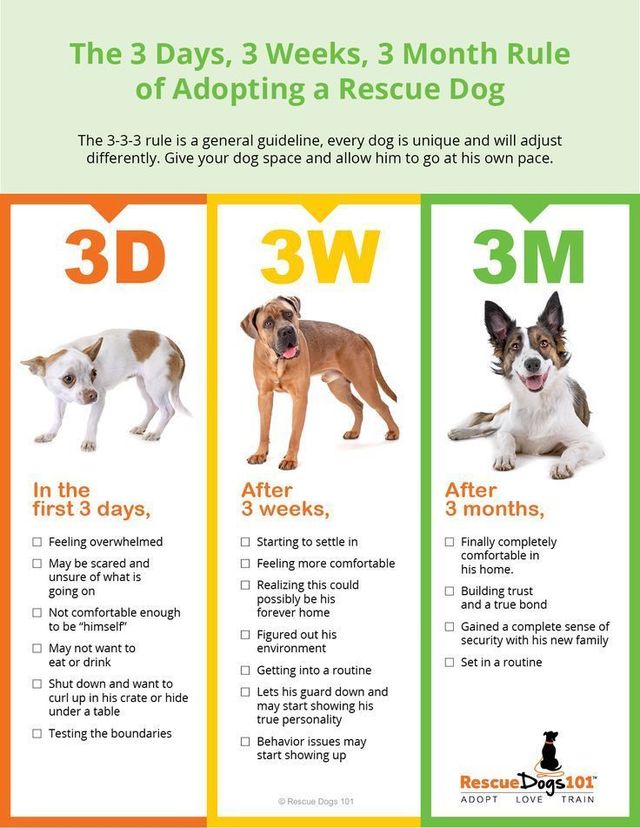
Rescue dogs may have had difficult pasts. They need patience and understanding from their new owners.
- Allow them to explore their new home at their pace
- Respect their space and boundaries
- Give them time to adjust to new surroundings
Effective Communication
Communication with your dog is vital. Use body language and tone to convey messages.
Consistency is key. Use the same words for commands.
Observe their reactions to understand their needs.
Rewarding Good Behavior
Positive reinforcement helps dogs learn what is expected. Rewards can be treats or praise.
| Behavior | Reward Type |
| Sitting on command | Treat |
| Staying calm during a walk | Praise |
| Returning when called | Treat and praise |
Support Resources
Rescue dogs may face behavior issues that need attention. Getting the right support can help owners manage these challenges effectively.
Here are some resources that can offer valuable assistance to you and your furry friend.
Professional Trainers And Behaviorists
Professional trainers and behaviorists can guide you in understanding your dog’s needs. They offer tailored programs to address specific behavior problems.
- Certified trainers often provide one-on-one sessions.
- Behaviorists can help with anxiety and aggression issues.
- Look for professionals with positive reinforcement techniques.
Support Groups For Owners
Joining a support group can be very beneficial for dog owners. You can share experiences and learn from others facing similar issues.
Useful Tools And Products
There are many tools and products designed to help manage dog behavior. These can make training easier and more effective.
| Tool/Product | Purpose |
| Clicker | Positive reinforcement training |
| Calming collar | Reduce anxiety |
| Treat pouch | Convenient reward dispensing |

Credit: www.dogingtonpost.com
Frequently Asked Questions
What Are Common Behavior Issues In Rescue Dogs?
Rescue dogs often show anxiety, fear, and aggression due to past trauma. They may also exhibit separation anxiety and house training problems. Understanding these issues helps provide proper care and training to improve their well-being and adapt to new homes successfully.
How Can I Help A Rescue Dog With Anxiety?
Create a calm environment and establish a consistent routine. Use positive reinforcement and avoid punishment. Gradually introduce socialization and provide mental stimulation. Consulting a professional trainer or behaviorist can also offer tailored strategies to reduce anxiety in rescue dogs effectively.
Why Do Rescue Dogs Show Aggression Sometimes?
Aggression in rescue dogs often stems from fear, pain, or past abuse. It is a defense mechanism to protect themselves. Proper training, patience, and behavior modification techniques can help reduce aggression and build trust with their new owners over time.
How Long Does It Take Rescue Dogs To Adjust?
Adjustment time varies but typically ranges from weeks to months. Factors include the dog’s past experiences and the new home environment. Consistent care, patience, and positive interactions speed up the transition, helping rescue dogs feel safe and loved.
Conclusion
Rescue dogs may face behavior challenges at first. Patience and care help them feel safe and loved. Training with kindness builds trust and confidence. Small steps lead to big improvements over time. Each dog is unique, needing gentle guidance. Helping rescue dogs heal brings joy to all.
Remember, love and understanding change lives for the better.

Emily Barker is the founder of ChillDogLife.com, a space dedicated to helping pup parents discover the best dog products, lifestyle tips, and cozy ideas for happier homes.
A lifelong dog lover, Emily combines her passion for pets with a knack for research to share trusted recommendations on everything from toys and furniture to health and everyday care.
Her goal is simple: to make life easier, stylish, and more joyful for dogs and the people who love them.




