
If you have a female dog, you’ve probably noticed some puzzling changes when she’s in heat. These shifts in behavior can be confusing and sometimes frustrating.
You might wonder why she’s suddenly more restless, clingy, or even a bit grumpy. Understanding these changes is key to helping your dog feel comfortable and keeping your home calm. You’ll discover exactly what to expect and how to handle your dog’s behavior during this special time.
Keep reading to make this phase easier for both you and your furry friend.
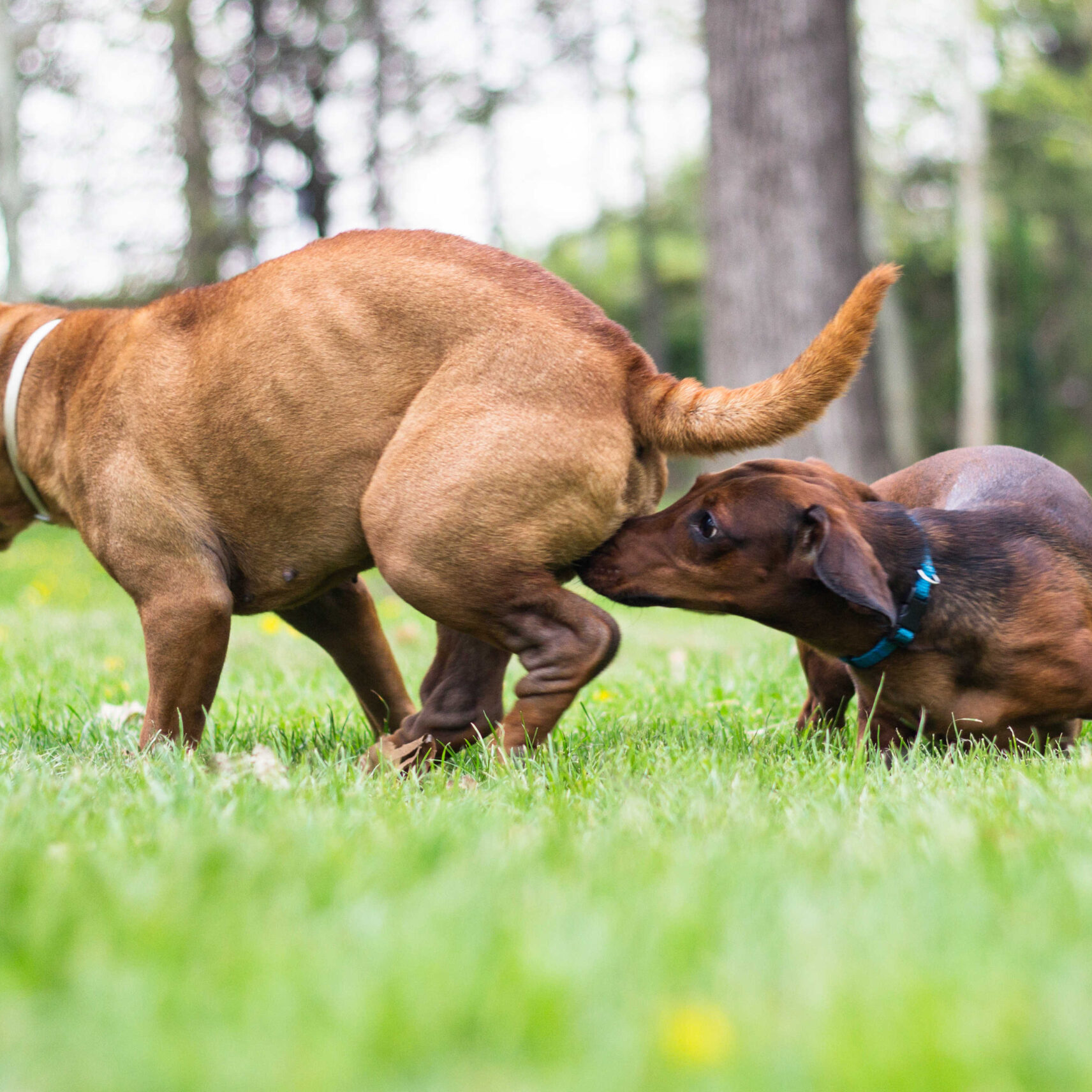
Credit: seniortailwaggers.com
Signs Of Heat In Dogs
Female dogs go through a heat cycle that causes many changes. These changes help them get ready to mate.
Knowing the signs of heat helps owners care for their dogs better. It also prevents unwanted pregnancies.
Physical Changes
Physical signs are the first things you may notice when your dog is in heat. These changes show that her body is ready to mate.
One common change is swelling of the vulva. You may also see a bloody discharge from her vagina. This discharge can last for several days.
- Swollen vulva
- Bloody or pink vaginal discharge
- Increased urination
- Changes in nipple size or color
Behavioral Shifts
Dogs in heat act differently than usual. These behavior changes help them attract male dogs and show they are ready to mate.
Your dog may become more restless or agitated. She might also lick her genital area more often. Some dogs become more affectionate or seek more attention.
- Restlessness or pacing
- Increased licking of genital area
- More affectionate or clingy behavior
- Trying to escape or roam
- Flagging tail to one side
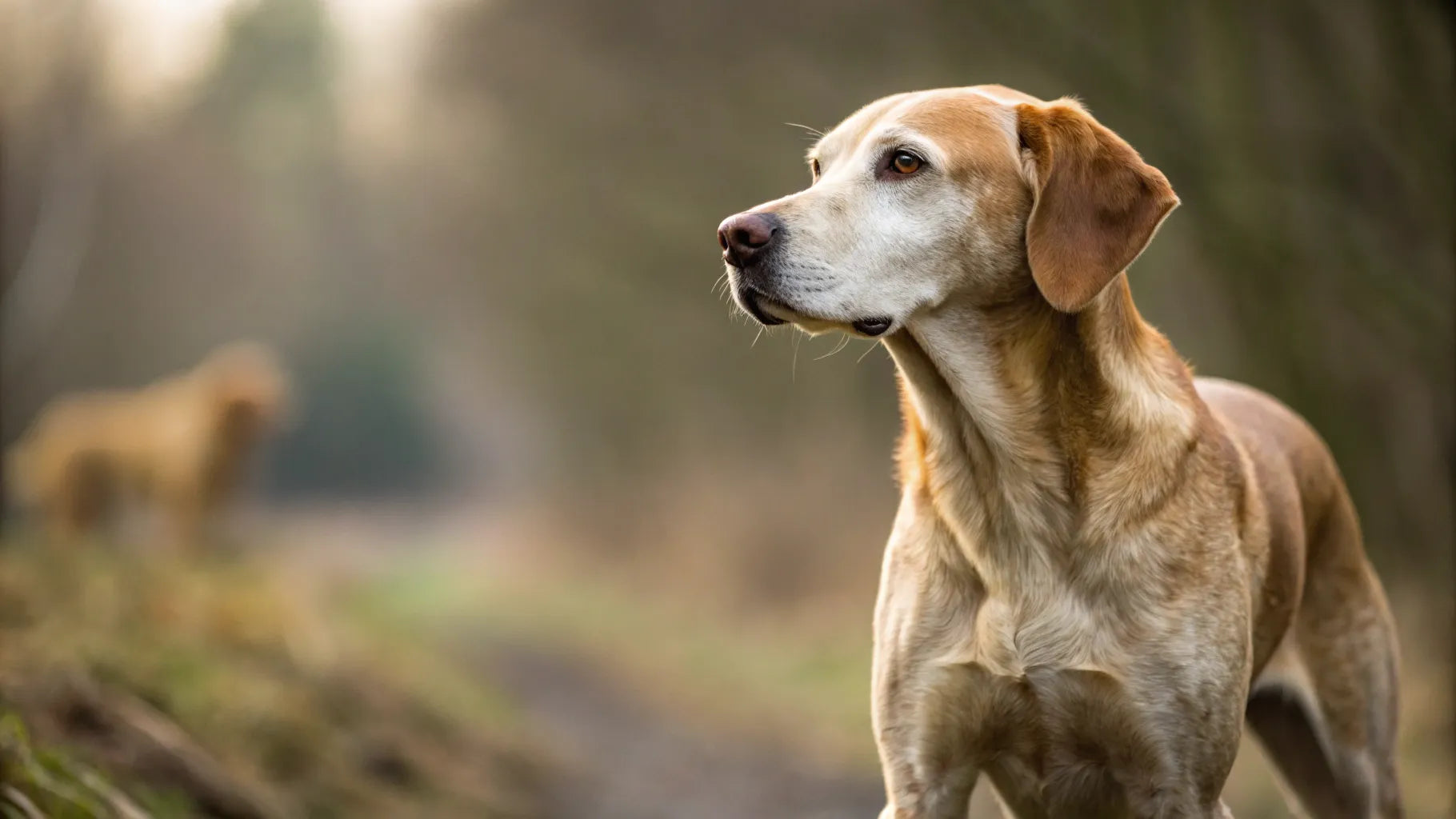
Credit: www.houndsy.com
Common Behavior Changes
When a dog is in heat, her behavior changes in many ways. These changes help her communicate her condition.
Understanding these behaviors can help owners provide better care during this time.
Increased Affection
Dogs in heat often seek more attention from their owners. They may want to be petted or held more often than usual. This behavior shows their need for comfort and care.
Restlessness And Anxiety
During heat, dogs can feel uneasy and restless. This may lead to pacing or difficulty sleeping. Anxiety can also cause them to act nervous or shy.
- Pacing around the house
- Whining or barking without clear cause
- Hiding or seeking quiet places
- Increased clinginess with family members
Marking And Urination
Dogs in heat often mark their territory more. They may urinate in small amounts around the home or yard. This behavior helps signal their availability to other dogs.
| Behavior | Description |
| Frequent urination | More trips outside or inside accidents |
| Spraying urine | Small amounts left on objects to mark territory |
| Raised leg posture | Used by some females when marking |
Vocalization Patterns
Dogs in heat may vocalize more than usual. They use sounds to express their feelings and attract mates.
Common vocal changes include:
- Whining or whimpering
- Howling or prolonged barking
- Increased attention-seeking sounds
Managing Your Dog’s Heat Cycle
Dogs in heat go through many behavior changes. These changes can affect your daily routine. Managing your dog’s heat cycle helps keep her calm and safe.
Knowing how to care for your dog during this time makes the process easier. You can help her stay comfortable and healthy.
Creating A Comfortable Space
Your dog needs a quiet, cozy place to rest during her heat cycle. A calm space helps reduce stress and anxiety.
Use soft bedding and keep the area clean. Make sure she can easily access water and food nearby.
- Choose a low-traffic room
- Provide soft blankets or a dog bed
- Keep the space warm but well-ventilated
- Place water and food close by
- Limit loud noises and disruptions
Exercise And Activity Adjustments
During her heat cycle, your dog’s energy may change. She might feel restless or tired at times.
Adjust her exercise to suit her mood. Short, gentle walks can help her relax without causing stress.
- Take shorter walks on a leash
- Avoid dog parks or places with many dogs
- Play calm indoor games
- Watch for signs of fatigue or discomfort
- Give her time to rest when needed
Hygiene And Cleanliness Tips
Keeping your dog clean is important during her heat cycle. She may have discharge that needs attention.
Use gentle wipes or a damp cloth to clean her daily. Change any pads or bedding often to keep things fresh.
- Check for discharge and clean regularly
- Use unscented, pet-safe wipes or cloths
- Change bedding and pads daily
- Keep the area dry to prevent infections
- Wash your hands after cleaning
Safety Precautions During Heat
Dogs in heat show many behavior changes. These changes need careful attention. Safety is very important during this time.
Owners must take steps to protect their dogs from harm and stress. This helps the dog stay healthy and calm.
Preventing Unwanted Pregnancies
Dogs in heat can get pregnant easily. Keep your dog away from male dogs to stop this. Close supervision is needed at all times.
Using dog diapers or special heat pants can help. These act as a barrier and reduce the chance of mating.
- Keep your dog indoors when possible
- Use secure fencing around outdoor areas
- Consider spaying to prevent heat cycles
- Do not leave your dog unattended outside
Avoiding Aggression And Stress
Dogs may show more aggression or stress during heat. This happens because of hormones. Stay calm and patient with your dog.
Give your dog a quiet space to relax. Avoid loud noises and rough play. This helps reduce tension and fear.
- Provide extra attention and comfort
- Use toys to distract and calm your dog
- Avoid introducing new dogs or pets
- Watch for signs of anxiety or aggression
Keeping Your Dog Secure Outdoors
Dogs in heat can try to escape to find mates. Secure your yard with high fences. Check gates and locks often.
Do not take your dog for walks in busy dog areas. Use a leash at all times outdoors. This prevents unwanted contact with other dogs.
- Inspect fences for gaps or weak spots
- Use a strong leash and collar or harness
- Walk your dog in quiet, controlled areas
- Supervise all outdoor activities carefully
When To Consult A Veterinarian
Dogs in heat show many normal behavior changes. Some changes need a vet’s attention. Knowing when to see a vet helps keep your dog healthy.
This guide explains unusual symptoms, behavior concerns, and health monitoring during your dog’s heat cycle.
Unusual Symptoms
Most dogs have mild symptoms during heat. Watch for signs that are not normal or last too long.
These unusual symptoms may mean your dog needs medical help.
- Very heavy bleeding or bleeding that lasts more than three weeks
- Fever or signs of pain like whining or limping
- Swelling that gets worse or does not go down
- Foul smell from the genital area
- Loss of appetite or vomiting
Behavioral Concerns
Heat can make dogs act differently. Most changes are normal, but some behaviors need a vet’s help.
Contact your vet if your dog shows these troubling behaviors.
- Extreme aggression toward people or other animals
- Severe anxiety or constant pacing
- Refusing to eat or drink for more than 24 hours
- Repeated attempts to escape or hide
- Excessive licking or biting of the genital area causing injury
Health Monitoring
Keep track of your dog’s health during heat. Regular checks can catch problems early.
See a vet if your dog shows signs of infection or illness.
- Check for unusual discharge or smells
- Monitor appetite and energy levels daily
- Watch for swelling or lumps around the belly and genital area
- Keep track of your dog’s temperature if possible
- Note any sudden changes in behavior or health
Credit: www.seeworldgps.com
Frequently Asked Questions
What Are Common Behavior Changes In Dogs During Heat?
Dogs in heat may become restless, clingy, or more vocal. They often seek extra attention and may display mood swings. Some dogs mark territory more frequently and show increased licking of their genital area.
How Long Does A Dog’s Heat Cycle Behavior Last?
A dog’s heat cycle behavior typically lasts 2 to 4 weeks. The most noticeable changes occur during the first two weeks. After this period, the behavior usually returns to normal.
Can Dogs In Heat Show Aggression Or Irritability?
Yes, dogs in heat can become more aggressive or irritable. Hormonal changes cause mood swings, making some dogs more defensive or easily startled during this time.
How Can Owners Manage Their Dog’s Behavior During Heat?
Owners should provide extra comfort, avoid stressful situations, and use calming techniques. Regular exercise and distraction help reduce anxiety. Keeping the dog indoors limits unwanted mating and marks.
Conclusion
Understanding dog in heat behavior changes helps pet owners care better. Expect mood swings, restlessness, and changes in appetite. These signs are normal but need attention. Provide comfort and patience during this time. Keep your dog safe and avoid unwanted mating.
Watch for any unusual symptoms and consult a vet if needed. Knowing what to expect makes this phase easier for both. Your dog will soon return to normal behavior. Caring well strengthens your bond and trust. Stay calm and supportive throughout her cycle.

Emily Barker is the founder of ChillDogLife.com, a space dedicated to helping pup parents discover the best dog products, lifestyle tips, and cozy ideas for happier homes.
A lifelong dog lover, Emily combines her passion for pets with a knack for research to share trusted recommendations on everything from toys and furniture to health and everyday care.
Her goal is simple: to make life easier, stylish, and more joyful for dogs and the people who love them.




