
Have you ever wondered what your dog is really trying to tell you? Those tail wags, barks, or even the way they tilt their head hold clues to their feelings and needs.
Understanding your dog’s behavior can deepen your bond and help you respond in the best way. This article will unlock the secrets behind common dog actions and show you what they truly mean. Keep reading—you’ll discover insights that can make your time with your furry friend even more rewarding.

Credit: www.dwdogtraining.com
Common Dog Body Language
Dogs use their bodies to tell us how they feel. Watching their movements helps us understand them better.
Body language is important for safe and happy interaction with dogs. Knowing these signs improves communication.
Tail Movements
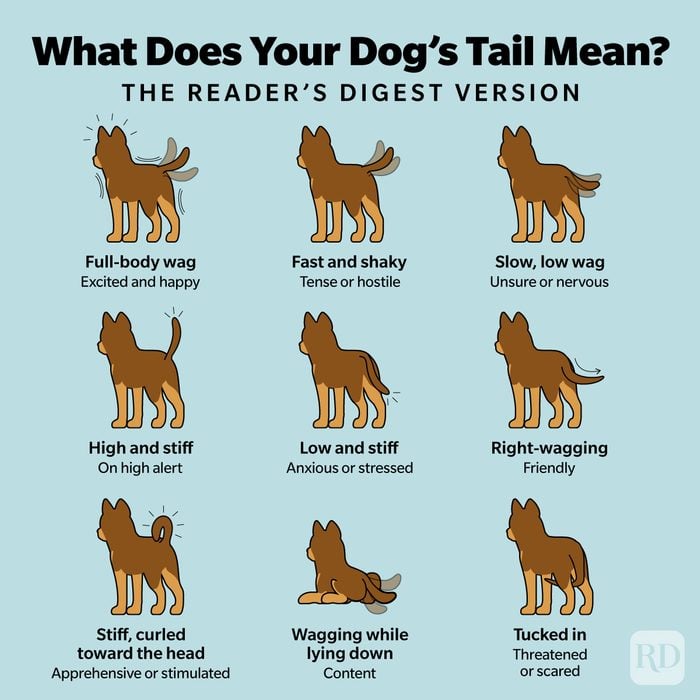
A dog’s tail shows many feelings. The speed and position tell if the dog is happy, scared, or alert.
A wagging tail can mean excitement or friendliness. A still tail may mean the dog is unsure or calm.
- High wagging tail: happy and confident
- Low wagging tail: nervous or submissive
- Tucked tail: scared or anxious
- Slow wagging tail: cautious or unsure
Ear Positions
Dogs move their ears to listen and show feelings. The position of the ears can tell you what the dog is thinking.
Forward ears show interest or alertness. Ears pulled back often mean fear or submission.
- Ears up and forward: alert and curious
- Ears relaxed: calm and comfortable
- Ears flat back: scared or nervous
- One ear up, one ear down: unsure or listening
Eye Contact
Dogs use their eyes to communicate. The way a dog looks at you can show trust, fear, or aggression.
Soft eyes mean the dog is relaxed. Hard staring can be a warning or challenge.
- Direct eye contact: confident or challenging
- Avoiding eye contact: shy or submissive
- Soft blinking: relaxed and friendly
- Wide eyes with whites showing: scared or tense
Posture And Stance
How a dog stands or moves shows its mood. Posture can tell if the dog feels safe, threatened, or playful.
A relaxed stance shows comfort. A stiff body can mean the dog is ready to act or scared.
- Loose and relaxed body: happy and calm
- Stiff and upright: alert or aggressive
- Crouched or lowered body: scared or submissive
- Play bow (front down, rear up): wants to play
Credit: www.rd.com
Vocalizations And Their Meanings
Dogs use different sounds to talk and show how they feel. Listening to these sounds helps us understand their needs and emotions.
Each sound means something special. Learning these sounds can improve the bond between you and your dog.
Barking Types
Barking is the most common way dogs communicate. They bark for many reasons like warning, excitement, or to get attention.
- Alert Bark:Short, sharp barks to warn of danger.
- Play Bark:High-pitched and happy, used during playtime.
- Demand Bark:Persistent barks to ask for something.
- Fear Bark:Quick and nervous, showing fear or stress.
Whining And Whimpering
Whining and whimpering are soft sounds dogs make when they feel sad, scared, or want attention. Puppies often use these sounds to call their mother.
These sounds can also mean your dog is in pain or uncomfortable. Paying attention helps you know when your dog needs help.
Growling
Growling is a warning sound. Dogs growl to show they feel threatened or want to protect something.
| Type of Growl | Meaning |
| Low and Deep | Warning to stay away |
| Short and Sharp | Feeling scared or nervous |
| Playful Growl | Part of play, not a threat |
Howling
Howling is a long, loud sound dogs make to call others or express loneliness.
Dogs howl for several reasons:
- To find other dogs or family members
- To respond to sounds like sirens or music
- To express anxiety or boredom
Signs Of Stress And Anxiety
Dogs show stress and anxiety in many ways. Watching their behavior helps us understand their feelings.
Knowing these signs can help you support your dog and keep them calm.
Yawning And Lip Licking
Yawning and lip licking are common signs of stress in dogs. They often do these when they feel nervous or unsure.
These actions help dogs calm themselves and show they are not a threat.
Pacing And Restlessness
Pacing means walking back and forth repeatedly. Restlessness shows when a dog cannot settle down.
Both signs mean the dog feels anxious or uncomfortable in the current situation.
Avoidance Behaviors
Avoidance behaviors include turning away, hiding, or moving far from a person or object. Dogs do this to escape stress.
These actions tell us the dog wants to feel safe and calm by avoiding what scares them.
Excessive Shedding
Dogs shed more when stressed. This extra shedding happens because of anxiety or fear.
If your dog sheds a lot suddenly, check for signs of stress or changes in their environment.
Playful Behaviors To Watch For
Dogs use many playful actions to show they want fun and attention. Understanding these behaviors helps you connect with your dog better.
Watch your dog closely to see when they want to play. These signs can guide your interactions and keep playtime safe and happy.
Play Bows
A play bow is when a dog lowers its front legs and raises its back end. This pose means the dog wants to play and is friendly.
Dogs often use this gesture to invite others to join their fun. It is a clear sign that they feel relaxed and happy.
Chasing And Fetching
Chasing and fetching are common ways dogs enjoy play. They chase balls, sticks, or each other to burn energy and have fun.
- Chasing shows excitement and alertness.
- Fetching helps build trust between dog and owner.
- Both activities encourage exercise and mental focus.
Mouth Play
Mouth play includes gentle biting, mouthing, or licking. Dogs use their mouths to explore and express affection.
It is important to know the difference between playful mouthing and aggressive biting. Playful mouthing is soft and controlled.
| Behavior | Meaning | Signs |
|---|---|---|
| Gentle Mouthing | Play and affection | Soft touch, no harm |
| Hard Biting | Fear or aggression | Growling, snapping |
| Licking | Calmness and love | Repeated tongue movement |
Tail Wagging Variations
Tail wagging can show many emotions. The speed and position of the tail tell what your dog feels.
- Fast wagging usually means excitement.
- Slow wagging can show caution or uncertainty.
- A high tail with wagging means confidence.
- A low tail wag may indicate submission or calmness.
Aggression Signals And Triggers
Dogs show different signs when they feel aggressive. Understanding these signs helps keep everyone safe.
This guide explains common aggression signals and what can cause them.
Raised Hackles
Raised hackles mean the hair on a dog’s back stands up. It shows the dog feels threatened or alert.
This signal warns others to stay away or be careful. Raised hackles do not always mean the dog will attack.
Snarling And Showing Teeth
Snarling means the dog pulls back its lips to show teeth. It is a clear warning sign of aggression.
This behavior tells others the dog feels angry or scared and may bite if pushed.
Stiff Body Language
A stiff body means the dog is tense and ready to react. The dog may stand very still or freeze.
Stiffness shows the dog is uncomfortable and may attack if the situation does not change.
Identifying Common Triggers
Certain things can trigger a dog’s aggression. Knowing these helps avoid problems.
- Strangers or unfamiliar people
- Other dogs or animals
- Protecting food or toys
- Loud noises or sudden movements
- Feeling cornered or trapped
Affection And Bonding Actions
Dogs show affection and bond with their owners through various behaviors. Understanding these actions helps strengthen the relationship between dog and owner.
Nuzzling And Licking
Nuzzling and licking are common ways dogs show affection. They may nuzzle their head against their owner’s hand or face, and lick their face or hands as a sign of love.
- Nuzzling is a way dogs mark their owner with their scent
- Licking is a way dogs groom and show affection
Leaning And Sitting Close
When a dog leans against their owner or sits close by, it’s a sign of affection and trust. This behavior indicates the dog feels comfortable and secure in their owner’s presence.
Dogs may also lean against their owner’s leg or sit beside them, indicating they want to be close and feel protected.
Following You Around
When a dog follows their owner around the house or yard, it’s a sign of loyalty and attachment. This behavior indicates the dog wants to be near their owner and be involved in their activities.
- Dogs may follow their owner to ensure their safety
- Dogs may follow their owner to play or have fun
Bringing Toys Or Gifts
When a dog brings their owner a toy or gift, it’s a sign of affection and thoughtfulness. This behavior indicates the dog has been thinking about their owner and wants to show their love.
Dogs may bring their owner a favorite toy or a new one they’ve found, indicating they want to share their joy and excitement with their owner.
Training Tips Based On Behavior
Understanding your dog's behavior helps improve training. You can guide your dog to learn good habits faster.
Training is easier when you know why your dog acts a certain way. Use these tips to help your dog grow.
Reinforcing Positive Actions
Reward good behavior to encourage your dog to repeat it. Use treats, praise, or play as rewards.
- Give a treat right after your dog follows a command.
- Praise your dog with a happy voice and petting.
- Play your dog’s favorite game as a reward.
- Be consistent with rewards to build good habits.
Addressing Unwanted Behaviors
Stop bad habits by redirecting your dog’s attention. Avoid yelling or harsh punishments.
| Unwanted Behavior | How to Address |
| Barking too much | Distract with a toy or command |
| Jumping on people | Turn away and ignore, then reward calm |
| Chewing furniture | Provide chew toys and remove access |
Using Body Language In Commands
Dogs read your body language better than words. Use clear gestures with your commands.
Examples of body language for training:
- Pointing down to sit
- Open palm to stop or stay
- Hand wave to come
- Leaning forward to encourage movement
Consistency And Patience
Train your dog every day. Use the same words and signals for commands.
- Set a daily training time.
- Keep training sessions short but regular.
- Be patient; dogs learn at their own pace.
- Avoid changing commands or signals often.

Credit: www.yahoo.com
Frequently Asked Questions
What Does A Wagging Tail Really Mean In Dogs?
A wagging tail often indicates happiness or excitement. However, the speed and position matter. Slow wagging may show caution, while a high wag means alertness or confidence.
Why Do Dogs Bark Excessively At Times?
Dogs bark to communicate. Excessive barking can signal boredom, fear, or alertness. Training and socialization help manage this behavior effectively.
How To Interpret A Dog’s Growl Properly?
Growling usually signals discomfort or a warning. It’s a dog’s way of setting boundaries. Respect this sign to avoid aggression or stress.
What Causes Dogs To Lick People Frequently?
Dogs lick to show affection or submission. It may also be a way to explore and gather sensory information.
Conclusion
Understanding dog behaviors helps build a strong bond with your pet. Dogs speak through actions, not words. Watching their body language reveals how they feel inside. Recognizing signs of happiness, fear, or stress keeps them safe and calm. Every behavior has a meaning worth learning.
This knowledge improves communication and trust. Enjoy your time together by paying close attention. Your dog will feel loved and understood. Simple steps bring great rewards in pet care. Keep observing, learning, and loving your furry friend daily.

Emily Barker is the founder of ChillDogLife.com, a space dedicated to helping pup parents discover the best dog products, lifestyle tips, and cozy ideas for happier homes.
A lifelong dog lover, Emily combines her passion for pets with a knack for research to share trusted recommendations on everything from toys and furniture to health and everyday care.
Her goal is simple: to make life easier, stylish, and more joyful for dogs and the people who love them.




