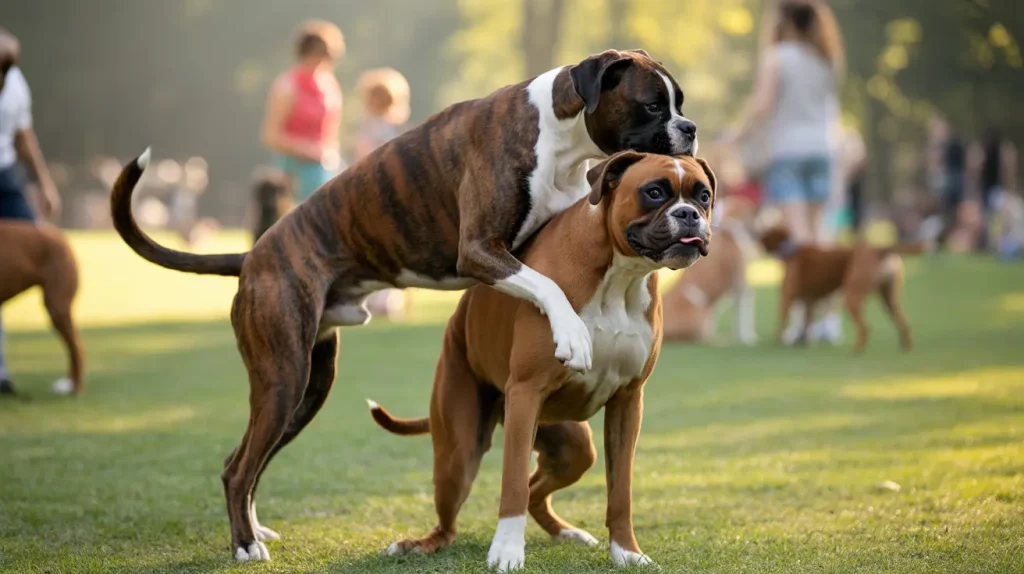
Have you ever seen your dog suddenly start mounting furniture, other pets, or even you, and wondered why? It can feel confusing or even embarrassing, but understanding this behavior is key to managing it.
You’re not alone—many dog owners face this puzzling habit and want clear answers. You’ll discover the real reasons behind dog mounting behavior, what it means for your pet, and simple steps you can take to handle it effectively. Keep reading to unlock the secrets your dog’s actions are trying to tell you.

Credit: nativepet.com
Reasons Behind Mounting
Dogs show mounting behavior for different reasons. It is a natural action but can confuse owners.
Understanding why dogs mount helps in managing the behavior better.
Hormonal Influences
Hormones can make dogs mount more often. Intact males and females may mount due to mating instincts.
Spaying or neutering often reduces this behavior by lowering hormone levels.
Social And Play Behavior
Dogs use mounting during play to show dominance or excitement. It is a way to communicate with other dogs.
- Showing social rank
- Expressing excitement
- Inviting play
- Testing boundaries
Stress And Anxiety
Mounting can also happen when a dog feels stressed or anxious. It works as a comfort or coping behavior.
Signs of stress-related mounting:
- Mounting after loud noises
- Mounting when left alone
- Mounting during new situations
Medical Causes
| Medical Issue | Possible Effect |
|---|---|
| Urinary tract infection | Discomfort leading to mounting |
| Skin allergies | Itching causing mounting |
| Hormonal imbalances | Increased sexual behaviors |
| Neurological disorders | Unusual mounting actions |
Impact On Dogs And Owners
Dog mounting behavior is common but can confuse owners. It affects both dogs and their human families in many ways.
This behavior can cause issues in the home and with other pets. Understanding its impact helps owners manage it better.
Behavioral Consequences
Mounting can show excitement, stress, or dominance in dogs. It might lead to unwanted habits if not addressed early.
- Increased anxiety during social settings
- Possible aggression toward other dogs
- Disruption of training routines
- Difficulty in calming down after play
Owner Concerns
Owners often feel embarrassed or frustrated by mounting. They worry about damage or improper behavior in public.
| Concern | Impact |
| Damage to furniture | Costly repairs and inconvenience |
| Social embarrassment | Stress during walks or visits |
| Training challenges | Extra time and effort required |
| Health worries | Possible infections or injuries |
Interactions With Other Pets
Mounting can cause tension between pets. It may lead to fights or fear if one pet feels threatened.
Tips to manage mounting in multi-pet homes:
- Supervise pets during playtime
- Redirect attention to toys or commands
- Provide separate resting areas
- Use positive reinforcement for good behavior
Training Techniques
Training your dog to reduce mounting behavior takes time and care. Using clear methods helps your dog learn better habits.
Focus on teaching your dog what to do instead of what not to do. This approach creates a positive learning experience.
Redirection Methods
When your dog starts mounting, redirect their attention to a different activity. This stops the behavior before it becomes a habit.
- Offer a toy to your dog to play with
- Call your dog to sit or lie down
- Take your dog for a short walk
- Engage your dog in a training game
Positive Reinforcement
Reward your dog when they stop mounting or follow your command. This teaches them good behavior is worth repeating.
| Action | Reward Type |
| Stops mounting on command | Treat or praise |
| Redirects to toy | Playtime or petting |
| Follows sit or stay | Verbal praise or treat |
Consistency And Patience
Stay consistent with rules and training sessions. Patience helps your dog learn slowly without stress or confusion.
Tips for consistency:
- Use the same commands every time
- Train at regular times each day
- Avoid confusing your dog with mixed signals
- Keep training sessions short but frequent

Credit: www.zoivanepets.com
When To Seek Veterinary Help
Dog mounting behavior can sometimes signal health or behavior problems. Knowing when to get veterinary advice helps your dog stay healthy.
This guide explains signs that need medical checks and when to ask for behavioral help.
Identifying Medical Issues
Mounting may result from medical problems. Watch for sudden changes in this behavior. Your dog might have pain or infections.
- Frequent mounting that lasts long
- Signs of pain or discomfort
- Swelling or redness in genital area
- Difficulty urinating or defecating
- Loss of appetite or energy
These symptoms may need a vet exam and tests. Early care prevents serious health issues.
Behavioral Consultations
Mounting also relates to stress, anxiety, or dominance. A trained behaviorist can help.
| Behavior Sign | Possible Cause | When to Consult |
|---|---|---|
| Mounting during play | Normal social behavior | Usually no need |
| Mounting causing aggression | Dominance or anxiety | If frequent or intense |
| Mounting with destruction | Stress or boredom | If it damages items or hurts others |
| Excessive mounting despite neutering | Behavioral imbalance | Consult behaviorist |
Behavior experts suggest training and environment changes. They teach how to reduce unwanted mounting safely.
Preventive Measures
Dog mounting can be a common behavior but it may cause problems. Preventing this behavior helps keep your dog calm and happy.
There are simple ways to reduce mounting through care and training. These methods improve your dog’s behavior and comfort.
Spaying And Neutering
Spaying and neutering help lower hormone levels that cause mounting. This surgery can reduce sexual and dominance behaviors.
Talk to your vet about the best time for this surgery. It also helps prevent unwanted puppies and some health issues.
Exercise And Mental Stimulation
Dogs with lots of energy may mount to release stress or boredom. Daily exercise helps keep them calm and tired.
Mental games and training also use your dog’s brain. This reduces unwanted behaviors and builds good habits.
- Take walks or runs regularly
- Play fetch or tug-of-war
- Use puzzle toys to challenge your dog
- Teach new tricks or commands
Socialization Strategies
Socializing your dog helps them learn proper ways to behave with others. This lowers mounting caused by excitement or stress.
Expose your dog to different dogs and people in calm settings. Reward calm behavior and gently stop mounting attempts.
- Arrange playdates with friendly dogs
- Visit dog parks to meet new dogs
- Practice calm greetings with people
- Use positive reinforcement to guide behavior

Credit: drloudon.com
Frequently Asked Questions
Why Do Dogs Exhibit Mounting Behavior?
Dogs mount to show dominance, relieve stress, or express excitement. It can also be a form of play or sexual behavior. Understanding the context helps determine the cause and address it appropriately.
Is Dog Mounting Normal Or A Behavioral Issue?
Mounting is normal dog behavior but can become problematic if excessive. It may indicate stress, anxiety, or social dominance challenges. Training and socialization usually reduce unwanted mounting.
How Can I Stop My Dog From Mounting Others?
Redirect your dog’s attention with commands or toys. Consistent training and socialization help reduce mounting. Avoid punishing, as it may increase anxiety and worsen the behavior.
Does Neutering Reduce Dog Mounting Behavior?
Neutering often decreases mounting driven by sexual urges. However, it may not stop mounting caused by stress or dominance. Consult your vet for personalized advice.
Conclusion
Dog mounting behavior can mean many things. It may show excitement, stress, or social play. Watch your dog’s body language closely. This helps you understand why they mount. Training and patience can reduce unwanted mounting. Always stay calm and consistent with your dog.
Remember, mounting is normal but needs guidance. Knowing this helps you build a better bond. Keep learning and caring for your dog every day.

Emily Barker is the founder of ChillDogLife.com, a space dedicated to helping pup parents discover the best dog products, lifestyle tips, and cozy ideas for happier homes.
A lifelong dog lover, Emily combines her passion for pets with a knack for research to share trusted recommendations on everything from toys and furniture to health and everyday care.
Her goal is simple: to make life easier, stylish, and more joyful for dogs and the people who love them.




