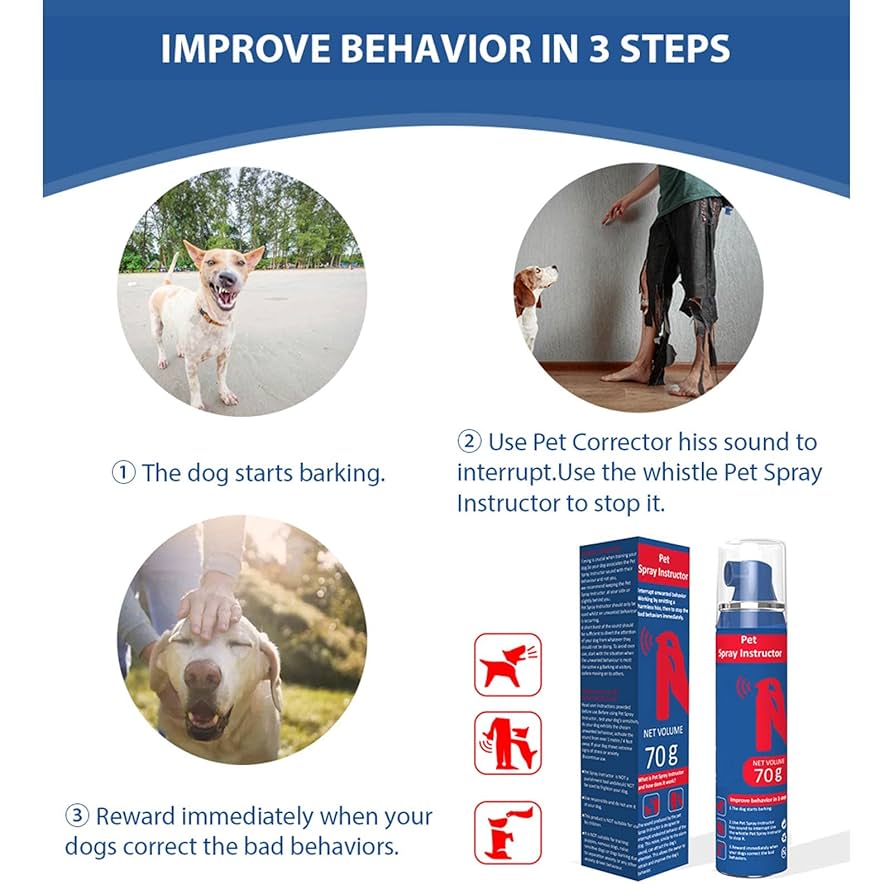
Is your dog acting out in ways that frustrate you? Maybe they chew on your favorite shoes, bark nonstop, or jump on guests.
You’re not alone, and the good news is that you can change this behavior. Imagine having a calm, well-behaved dog that listens to you and makes your life easier. This guide will show you simple, effective steps to stop bad dog behavior for good.
Keep reading, and you’ll discover how to build a stronger bond with your furry friend while turning those annoying habits into positive ones.

Credit: www.amazon.com
Common Bad Dog Behaviors
Dogs can show behaviors that make life harder for their owners. These actions often need attention and training. Understanding these behaviors helps in stopping them.
Here are some common bad dog behaviors and ways to recognize them. This can help you address the problems early and keep your dog happy.
Excessive Barking
Dogs bark to communicate, but too much barking can be a problem. It can annoy neighbors and cause stress at home. Barking often happens when a dog is bored or anxious.
Signs of excessive barking include loud, repeated sounds without clear reasons. Dogs may bark at noises, strangers, or other animals.
Chewing And Destruction
Chewing is normal for dogs, but it becomes bad when they destroy furniture or shoes. This behavior shows boredom, stress, or teething in puppies.
Look for chewed items around the house. Dogs may also dig or tear things apart when left alone for long times.
Aggression
Aggression means a dog shows anger or tries to hurt others. This can be toward people, other dogs, or animals. Aggression can be a serious issue.
Signs include growling, snapping, or biting. Aggressive dogs may stiffen their bodies or stare fixedly at a target.
Jumping On People
Dogs jump on people to greet them or get attention. While it may seem friendly, it can be annoying or unsafe, especially with children.
Watch for dogs jumping up when someone comes in or when they want to play. This behavior often shows excitement or lack of manners.
Pulling On Leash
Pulling on the leash makes walks hard and unsafe. Dogs pull to explore or reach something fast. This can cause injury to both dog and owner.
Look for dogs lunging forward or dragging their owner. Pulling shows a lack of leash training and control.

Credit: theonlinedogtrainer.com
Root Causes Of Bad Behavior
Bad behavior in dogs often comes from hidden problems. Understanding these causes helps fix the issues.
Each dog is different. Knowing what makes your dog act out is the first step to stopping bad habits.
Lack Of Exercise
Dogs need daily exercise to stay happy and healthy. Without enough movement, they get bored and restless.
Restlessness can turn into destructive behavior like chewing or barking. Exercise helps release energy in a good way.
Inadequate Training
Training teaches dogs how to behave. Without clear rules, dogs may not know what is right or wrong.
- Set simple rules your dog can follow.
- Use positive rewards to encourage good behavior.
- Be consistent with commands and routines.
- Train in short, regular sessions to keep attention.
Anxiety And Stress
Stress makes dogs nervous and fearful. This can cause barking, chewing, or hiding.
Common causes of anxiety are loud noises, changes in routine, or separation from owners.
Attention-seeking
Dogs want love and attention. Some act out to get noticed by their owners.
| Behavior | What It Means |
|---|---|
| Barking loudly | Wants you to look or play |
| Jumping on people | Seeks your attention |
| Chewing furniture | Needs interaction or toys |
Health Issues
Sometimes bad behavior comes from pain or sickness. Dogs may bite or hide if they feel unwell.
Check for signs like limping, changes in eating, or unusual tiredness. A vet visit can find hidden problems.
Effective Training Techniques
Training your dog helps stop bad behaviors and builds trust. Using the right techniques makes learning easier for your pet.
Here are some effective ways to train your dog and improve its behavior.
Positive Reinforcement
Reward your dog when it behaves well. This encourages good habits to grow stronger.
- Give treats for obeying commands
- Use praise and petting
- Offer toys or playtime as a reward
- Avoid punishing mistakes harshly
Consistency And Patience
Train your dog the same way every day. Be patient; learning takes time and effort.
Dogs need clear rules and steady routines to understand what is expected.
Using Commands
Teach your dog simple commands like “sit” or “stay.” Use the same words and tone each time.
- Choose easy-to-understand commands
- Say the command clearly once
- Wait for your dog to respond
- Reward immediately after correct action
- Repeat regularly for practice
Redirecting Behavior
If your dog acts badly, guide it to a better activity. This helps change unwanted habits.
| Bad Behavior | Redirect To |
|---|---|
| Barking too much | Give a chew toy |
| Chewing furniture | Provide safe chew items |
| Jumping on people | Teach to sit calmly |
| Pulling on leash | Stop and wait |
Crate Training
Use a crate to give your dog a safe space. It can reduce anxiety and prevent bad behavior.
- Make the crate comfortable
- Never use the crate as punishment
- Let your dog enter and exit freely at first
- Feed meals in the crate to create positive feelings
- Gradually increase time spent inside
Behavior Modification Strategies
Bad dog behavior can be frustrating for owners. Understanding and applying the right strategies can help manage and modify these behaviors effectively.
Let’s explore some key strategies to change bad dog behavior using behavior modification techniques.
Desensitization
Desensitization involves exposing your dog to a trigger gradually. It helps them get used to situations they find stressful or scary.
- Identify the trigger your dog reacts to.
- Start with a low-intensity exposure.
- Gradually increase exposure over time.
Counter-conditioning
Counter-conditioning aims to change your dog’s response to a trigger. It involves associating the trigger with something positive.
Example: If your dog barks at strangers, offer a treat when a stranger appears. This helps them associate strangers with positive experiences.
Timeouts
Timeouts are useful for discouraging unwanted behavior. They involve removing the dog from a situation where they misbehave.
Use a calm, firm approach when placing your dog in a timeout. This helps them understand that their actions have consequences.
Managing Triggers
Managing triggers involves controlling the environment to avoid unnecessary exposure to triggers. This reduces stress and unwanted behavior.
| Trigger | Management Strategy |
| Visitors | Provide a quiet space for your dog |
| Loud Noises | Use soundproofing techniques |
| Other Dogs | Walk in less crowded areas |
Preventing Bad Behavior
Stopping bad dog behavior starts with prevention. Good habits form when dogs get what they need daily.
Focus on four key areas to keep your dog happy and well-behaved. These areas help avoid problems before they start.
Regular Exercise
Exercise helps dogs burn off energy that could cause trouble. Active dogs are calmer and less likely to act out.
- Take daily walks to give your dog fresh air and movement.
- Play fetch or tug-of-war to keep your dog active and engaged.
- Provide safe places for running, like fenced yards or parks.
- Use exercise to build a strong bond and trust with your dog.
Mental Stimulation
Mental exercises tire your dog’s brain and reduce boredom. Bored dogs often make their own fun, which can be bad.
Try these ideas to stimulate your dog’s mind:
- Use puzzle toys that hide treats.
- Teach new commands and tricks.
- Change your walking route to explore new smells.
- Hide toys for your dog to find.
Proper Socialization
Socializing your dog helps it learn good manners around people and animals. This prevents fear and aggression.
| Socialization Activity | Purpose |
| Meet other dogs | Learn polite play and dog signals |
| Visit busy places | Get used to noise and crowds |
| Handle grooming | Stay calm during care routines |
| Meet new people | Build trust and reduce fear |
Routine And Structure
Dogs feel safe when they know what to expect. A daily routine helps reduce anxiety and bad behavior.
- Feed your dog at the same times each day.
- Set regular times for walks and play.
- Use consistent commands and rules.
- Create a quiet place for rest and sleep.

Credit: www.amazon.com
When To Seek Professional Help
Bad dog behavior can be frustrating. Sometimes, it gets worse or is hard to fix.
Knowing when to get professional help can keep your dog safe and happy.
Signs Of Serious Behavior Issues
Watch for behaviors that are dangerous or very hard to control. These need expert help.
- Aggression toward people or other animals
- Repeated biting or snapping
- Extreme fear that causes panic
- Destructive behavior that harms the home
- Constant barking or howling without cause
- Inability to follow basic commands
If your dog shows these signs often, a trainer or behaviorist can help.
Choosing A Trainer Or Behaviorist
Pick someone with good experience and positive training methods.
Ask about their certifications and how they handle serious behavior problems.
- Look for trainers certified by recognized organizations
- Choose trainers who use reward-based methods
- Check reviews or ask for references
- Make sure they understand your dog’s breed and needs
Meeting the trainer first helps you see if they are a good fit.
What To Expect From Professional Help
Professionals will assess your dog's behavior carefully before training.
They create a plan that fits your dog’s needs and your lifestyle.
- Clear steps to improve behavior
- Guidance for you on training at home
- Tools to manage triggers or stress
- Regular check-ins to track progress
- Advice on safety for everyone
Working with a professional can help your dog become calm and well-behaved.
Frequently Asked Questions
How Can I Stop My Dog From Barking Excessively?
Consistent training and positive reinforcement reduce excessive barking. Identify triggers and redirect attention. Regular exercise helps release energy and calm your dog. Avoid yelling, as it may increase barking. Use commands like “quiet” paired with rewards for good behavior.
What Are Effective Ways To Correct Destructive Chewing?
Provide plenty of chew toys to satisfy chewing needs. Use deterrent sprays on furniture or items. Redirect chewing to appropriate objects. Ensure your dog gets enough physical and mental stimulation. Consistent training and supervision prevent destructive habits.
How Do I Prevent My Dog From Jumping On People?
Teach the “sit” command and reward calm behavior. Ignore jumping by turning away, giving attention only when calm. Consistency from all family members is key. Practice greeting protocols with visitors to reinforce good manners.
Why Does My Dog Display Aggressive Behavior?
Aggression often stems from fear, pain, or territorial instincts. Early socialization and training help reduce aggression risks. Consult a professional trainer or veterinarian for severe cases. Avoid punishment, which may worsen aggression. Understanding triggers improves management and safety.
Conclusion
Stopping bad dog behavior takes patience and clear rules. Consistent training helps your dog learn what is okay. Praise good actions often to encourage good habits. Avoid punishment that scares or confuses your dog. Remember, changes do not happen overnight.
Keep training sessions short and fun. Stay calm and firm in your approach. Your dog will respond with better behavior over time. Enjoy the process and build a stronger bond. Good behavior makes life easier for both of you. Keep practicing, and success will follow.

Emily Barker is the founder of ChillDogLife.com, a space dedicated to helping pup parents discover the best dog products, lifestyle tips, and cozy ideas for happier homes.
A lifelong dog lover, Emily combines her passion for pets with a knack for research to share trusted recommendations on everything from toys and furniture to health and everyday care.
Her goal is simple: to make life easier, stylish, and more joyful for dogs and the people who love them.




