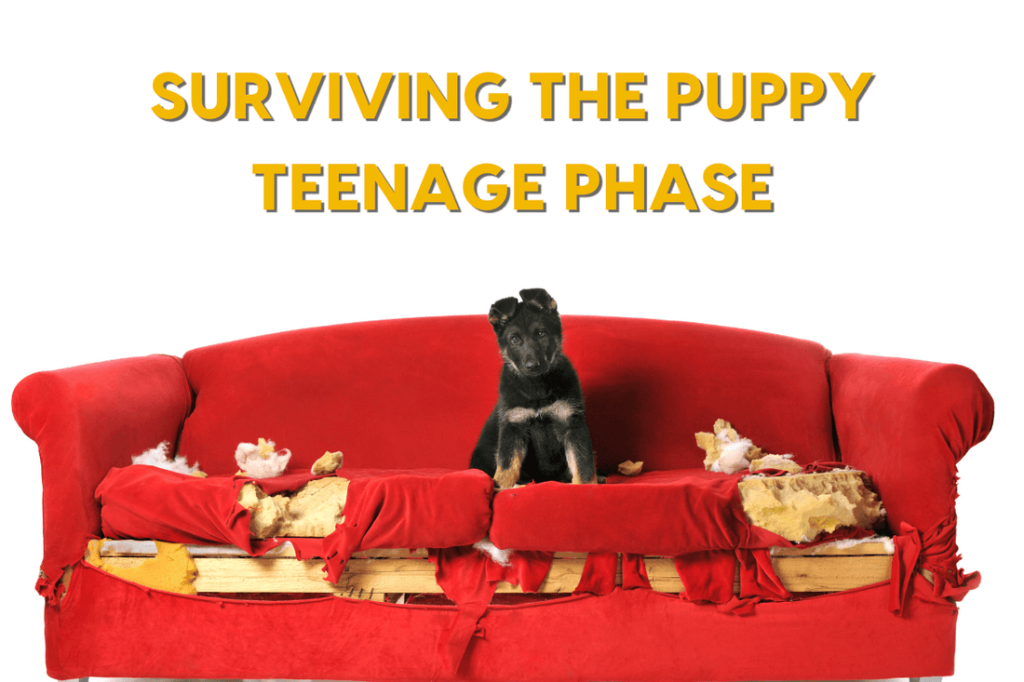
If you have a young male dog, you might be noticing some changes in his behavior that leave you puzzled or even frustrated. Suddenly, he seems more energetic, stubborn, or even a bit aggressive.
These shifts aren’t random—they’re signs of puberty kicking in. Understanding what’s happening during this phase can help you guide your dog through it smoothly and strengthen your bond. Keep reading to discover why your male dog acts this way and what you can do to support him during this important stage.
Signs Of Male Dog Puberty
Male dogs go through puberty just like humans. This time brings many changes in their body and behavior. Understanding these signs helps you care for your dog better.
Puberty usually starts between six and twelve months of age. Each dog may show different signs, but some are common in most males.
Physical Changes
During puberty, a male dog’s body starts to mature. You will notice changes in size and appearance.
- The testicles grow larger and become more noticeable.
- The penis may become more prominent.
- Muscle mass increases, making the dog look stronger.
- The coat may change in texture or color.
- Some dogs start to develop a stronger odor.
Behavioral Shifts
Male dogs show clear behavior changes during puberty. These shifts can affect how they act at home and with other dogs.
| Behavior | Description |
| Marking territory | Spraying urine on furniture or walls to show dominance. |
| Mounting | Attempting to mount other dogs, objects, or even people. |
| Increased aggression | Showing more protectiveness or territorial behavior. |
| Restlessness | Having difficulty staying calm or sitting still. |
| Seeking attention | Trying harder to get noticed by owners or other dogs. |
Increased Energy Levels
Puberty causes a rise in energy for male dogs. They often want to play and run more than before.
Signs of increased energy include:
- Longer play sessions
- More frequent barking
- Chasing after moving objects
- Exploring new areas with excitement
- Difficulty settling down for rest
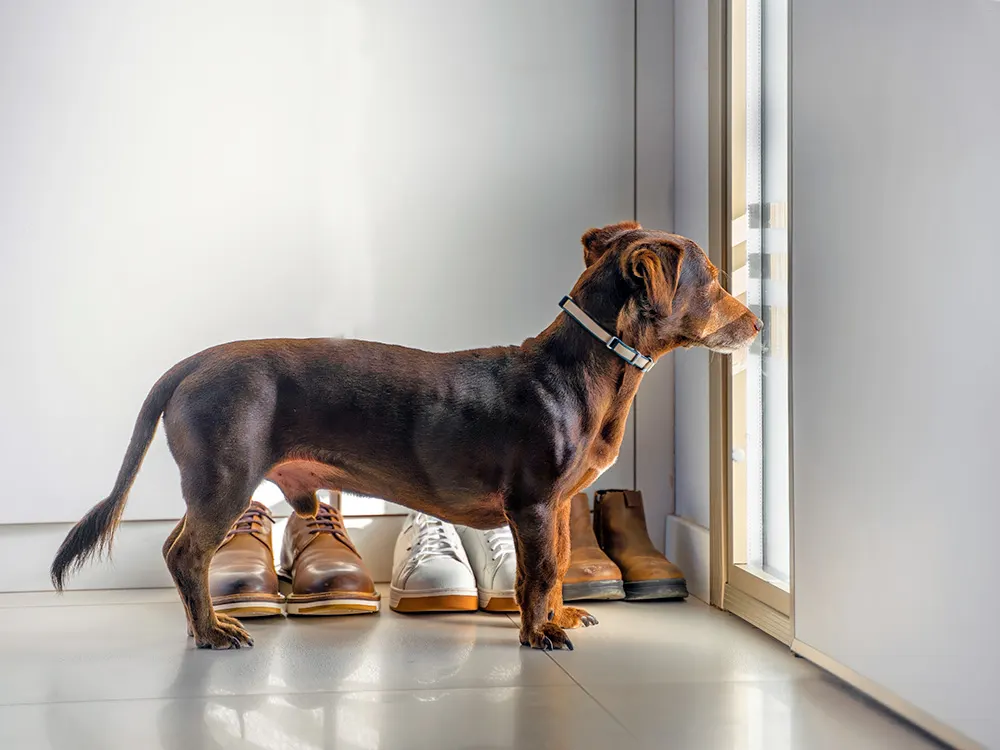
Credit: www.adoptapet.com
Common Behavioral Challenges
Male dogs go through puberty that causes many behavior changes. These changes can be hard for owners to manage. It is important to understand what to expect.
This stage brings challenges like marking, aggression, and mounting. Knowing these behaviors helps owners train their dogs better.
Marking And Territorial Behavior
Male dogs start marking to show their territory. They use urine to leave their scent on objects and places. This behavior is normal but can be annoying indoors.
Territorial behavior means the dog may guard his space from other dogs or people. This can cause barking and growling to protect what they see as theirs.
- Marking is more common in unneutered males
- Dogs mark to communicate with other dogs
- Territorial behavior helps dogs feel safe
- Training and neutering can reduce marking
Aggression And Dominance
Puberty can cause male dogs to show more aggression. They may try to dominate other dogs or even people. This is part of their natural instinct to find their place.
Signs of aggression include growling, snapping, or biting. It is important to correct this behavior early to keep everyone safe.
- Aggression can be fear-based or territorial
- Dominance shows when dogs want control
- Calm, consistent training reduces aggression
- Seek help from a trainer if needed
Mounting And Humping
Mounting is a common behavior during male dog puberty. Dogs hump objects, people, or other dogs. This is not always sexual; it can be play or stress relief.
This behavior can be embarrassing but it is normal. Training your dog to stop on command helps control mounting.
- Mounting is a way to show excitement
- It can also be a sign of anxiety
- Redirect your dog to toys or commands
- Regular exercise reduces mounting behavior
Training Strategies During Puberty
Male dogs go through many changes during puberty. Their behavior may become more challenging. Training helps guide them through this phase.
Using clear training strategies makes it easier to handle new habits. Consistency and patience are key to success.
Consistent Commands
Use the same words for commands every time. This helps your dog understand what you want. Changing commands can confuse him.
Keep your tone firm but calm. Consistency builds trust and respect during training sessions.
Positive Reinforcement
Reward good behavior with treats, praise, or play. This encourages your dog to repeat good actions. Avoid punishing mistakes harshly.
Positive reinforcement helps your dog learn faster and stay motivated. It builds a strong bond between you and your pet.
- Give treats right after good behavior
- Use cheerful praise and petting
- Keep training sessions short and fun
Redirecting Unwanted Behavior
When your dog acts out, guide him to better actions. For example, replace chewing on shoes with a chew toy. Redirecting stops bad habits early.
Stay calm and patient. Avoid yelling or harsh punishments, which can make problems worse.
- Offer a toy instead of something forbidden
- Use a firm “no” and then give a command
- Reward your dog when he chooses the right action
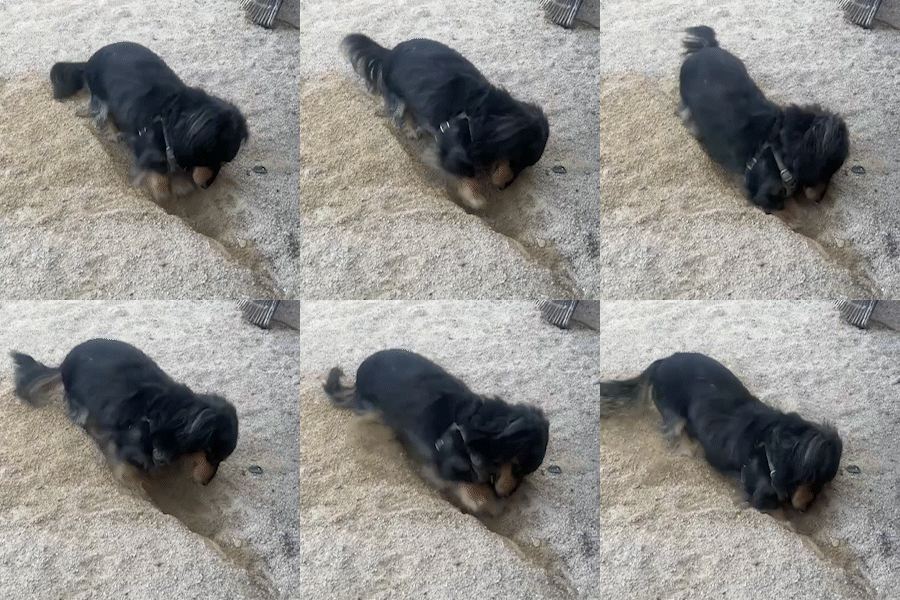
Credit: www.thefarmersdog.com
Managing Social Interactions
Male dogs go through many changes during puberty. Their social behavior can shift quickly. Managing their social interactions helps them grow into well-behaved adults.
Proper guidance reduces stress and unwanted behavior. It also makes meeting other dogs a positive experience for your dog and others.
Introducing Other Dogs
Introduce your dog to new dogs slowly and in a calm place. Watch their body language for signs of stress or aggression. Keep first meetings short and positive.
- Choose neutral places like parks or open fields
- Keep your dog on a leash but loose
- Allow dogs to sniff and greet at their own pace
- Separate dogs if play gets too rough or tense
- Reward calm and friendly behavior with treats
Handling Excitement And Anxiety
Puberty can make dogs more excited or anxious during social events. Recognize signs early to keep control and keep your dog calm.
| Sign | What to Do |
| Excessive barking | Use calm commands and ignore attention-seeking |
| Pacing or whining | Give breaks and quiet space |
| Stiff body or growling | Separate from other dogs immediately |
| Jumping on people | Redirect to sit or stay commands |
Supervised Playtime
Always watch your male dog during playtime with others. Supervision prevents fights and teaches good manners.
Here are key tips for supervised playtime:
- Stay close and observe body language
- Stop play if it gets too rough or stressful
- Use toys to focus energy positively
- Give time-outs if your dog becomes too excited
- Praise gentle and friendly play
Health And Nutrition Tips
Male dogs go through many changes during puberty. Good health and nutrition help them grow strong and happy. Feeding the right food and keeping a healthy routine makes a big difference.
Understanding their needs helps owners support their dogs well. This guide covers key tips for diet, vet visits, and exercise.
Balanced Diet For Growth
A balanced diet gives your dog the energy and nutrients needed for growth. Protein, fats, vitamins, and minerals all play a role.
- Include high-quality protein like chicken or fish
- Add healthy fats for skin and coat health
- Provide fresh water at all times
- Feed puppy-specific food formulated for growth
- Avoid feeding too many treats or table scraps
Regular Vet Checkups
Vet visits help catch health issues early. Regular checkups ensure vaccinations and parasite control are up to date.
| Checkup Item | Purpose |
| Vaccinations | Protect from common diseases |
| Physical Exam | Monitor growth and detect problems |
| Parasite Control | Prevent fleas, ticks, and worms |
| Dental Check | Keep teeth and gums healthy |
Exercise Recommendations
Exercise helps build strong muscles and keeps your dog calm. It also supports healthy weight and good behavior.
- Give daily walks of 20 to 30 minutes
- Play fetch or other active games
- Use toys to stimulate the mind and body
- Allow rest after exercise to avoid tiredness
- Adjust activity based on your dog’s breed and size
When To Consider Neutering
Male dogs experience puberty between six and twelve months. During this time, their behavior can change. Owners may notice aggression, roaming, or marking territory. Deciding when to neuter is important for health and behavior.
Neutering can influence a male dog's behavior and health. It is important to understand the benefits and risks before making a decision.
Benefits And Risks
Neutering can reduce aggressive behavior and prevent some health issues. It lowers the risk of testicular cancer and prostate problems. However, there are potential risks to consider.
Neutering may lead to weight gain and some behavioral changes. It’s important to weigh these benefits and risks for your dog’s well-being.
- Reduces aggressive behavior
- Prevents testicular cancer
- May lead to weight gain
Timing And Recovery
The best time to neuter depends on the dog’s size and breed. Many vets suggest neutering around six to twelve months. Recovery is usually quick, but follow vet’s advice for a smooth process.
Monitoring your dog post-surgery is crucial. Ensure they rest and avoid licking the surgery site to promote healing.
- Consult with your vet for timing
- Follow post-surgery care instructions
- Prevent licking of the surgery site
Behavioral Impact
Neutering can affect a male dog’s behavior. It may reduce aggression and roaming. It can also decrease the urge to mark territory.
While many dogs become calmer, each dog is unique. Observe changes in behavior and consult your vet if concerns arise.
- Less aggression and roaming
- Reduced marking behavior
- Observe for any negative changes

Credit: www.dwdogtraining.com
Frequently Asked Questions
What Behavioral Changes Occur During Male Dog Puberty?
Male dogs may show increased marking, mounting, and restlessness. Hormonal shifts often cause mood swings and heightened territorial behavior. Training consistency helps manage these changes effectively.
At What Age Does Male Dog Puberty Start?
Male dogs typically enter puberty between 6 to 12 months old. Larger breeds may mature slower, sometimes starting closer to 18 months. This phase marks the onset of sexual maturity and related behaviors.
How To Manage Aggression In Pubescent Male Dogs?
Consistent training and socialization reduce aggression during puberty. Avoid harsh punishments; use positive reinforcement instead. Regular exercise helps release energy and decreases frustration-linked aggression.
Does Neutering Affect Male Dog Puberty Behavior?
Neutering can reduce hormone-driven behaviors like marking and mounting. Early neutering may delay or lessen puberty signs. However, some behaviors might persist; training remains important.
Conclusion
Male dog puberty brings many changes in behavior and mood. Expect some challenges as your dog grows. Patience and clear rules help your dog learn good habits. Watch for signs like marking and increased energy. Training and love guide your dog through this phase.
Remember, this stage does not last forever. Understanding your dog’s needs makes life easier for both of you. Stay calm and consistent every day. Your dog will become a well-behaved adult with time.

Emily Barker is the founder of ChillDogLife.com, a space dedicated to helping pup parents discover the best dog products, lifestyle tips, and cozy ideas for happier homes.
A lifelong dog lover, Emily combines her passion for pets with a knack for research to share trusted recommendations on everything from toys and furniture to health and everyday care.
Her goal is simple: to make life easier, stylish, and more joyful for dogs and the people who love them.




