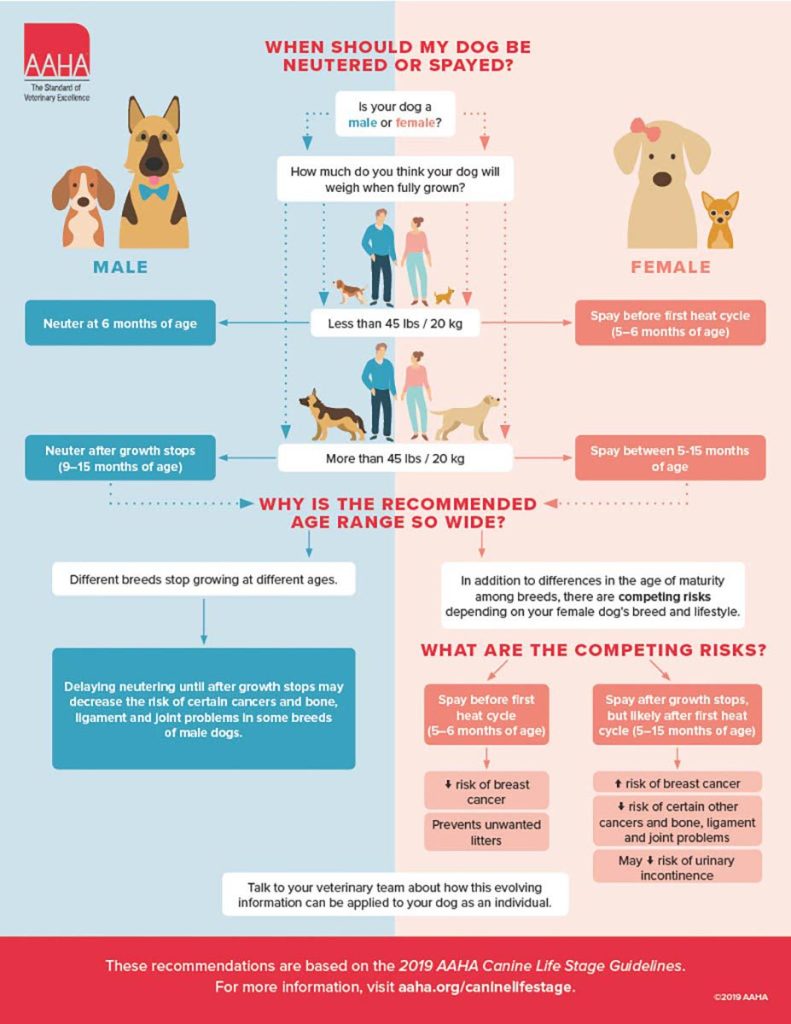
Are you wondering if spaying your dog will change how she acts? It’s a common question many pet owners have before making this important decision.
You want to know what to expect—will your dog become calmer, more relaxed, or maybe even behave differently around other pets and people? Understanding how spaying affects your dog’s behavior can help you feel confident about what’s best for her health and happiness.
Keep reading to discover the real changes you might see and how to prepare for them.

Credit: www.reddit.com
How Spaying Affects Hormones
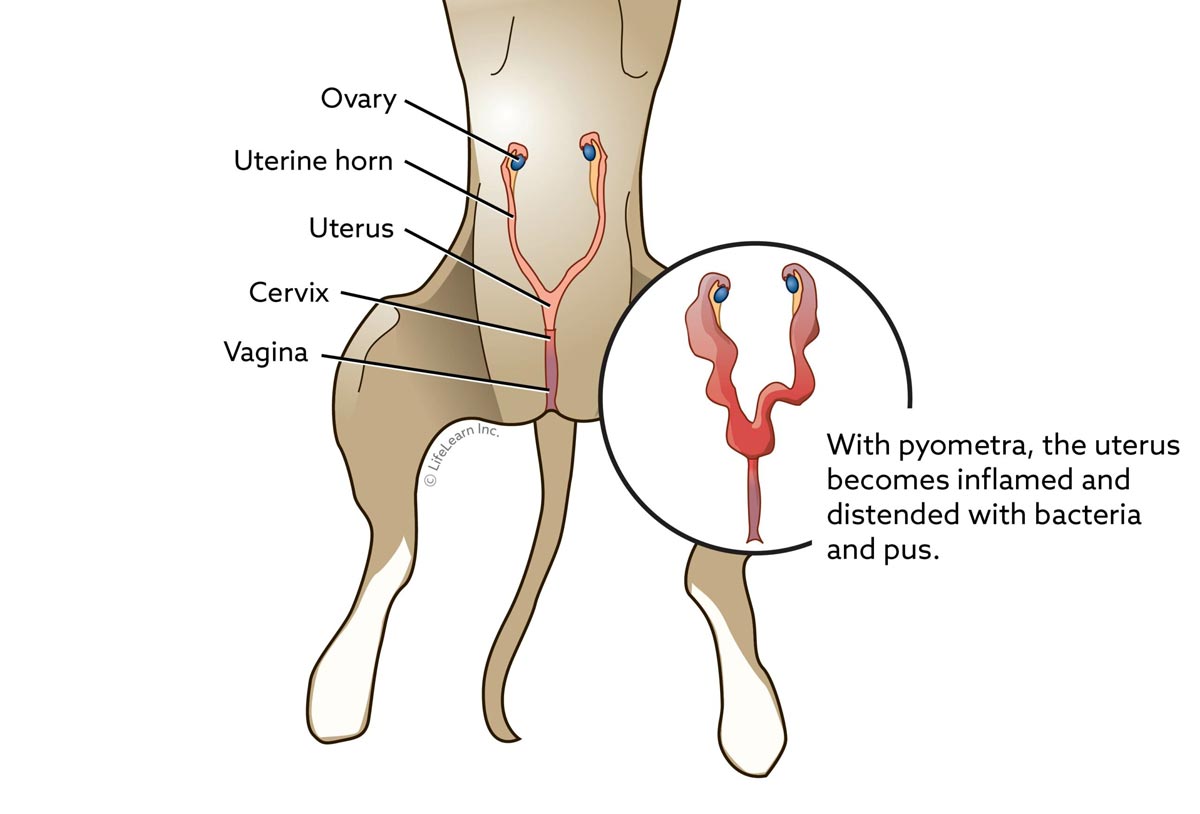
Spaying a dog removes her ovaries and uterus. This stops the production of key hormones. These hormones control many behaviors and physical changes.
Understanding how spaying affects hormones helps explain behavior changes. It all starts with two main hormones: estrogen and progesterone.
Role Of Estrogen And Progesterone
Estrogen and progesterone regulate a dog’s heat cycle. They also influence mood and actions. Estrogen helps keep calm and social behavior. Progesterone can make dogs more protective or sleepy.
- Estrogen:Controls heat cycles and social behavior.
- Progesterone:Supports pregnancy and affects mood.
- Both hormones:Work together to balance energy and calmness.
Hormonal Changes After Spaying
Spaying removes ovaries, which stop estrogen and progesterone. This causes changes in the dog’s body and mind.
| Hormone | Effect Before Spaying | Effect After Spaying |
|---|---|---|
| Estrogen | Regulates heat and calm behavior | Levels drop, may reduce mood swings |
| Progesterone | Supports pregnancy, affects sleepiness | Levels drop, may increase activity |
Common Behavioral Changes
Spaying can affect a dog’s behavior in several ways. These changes come from hormonal shifts after the surgery.
Understanding these changes helps owners care better for their pets. Below are common behaviors that often change after spaying.
Reduced Aggression And Dominance
Spaying usually lowers aggressive behavior in dogs. This happens because the hormones that cause dominance reduce.
Dogs tend to be calmer and less likely to fight with other dogs or people. This makes them easier to train and live with.
Decreased Roaming And Marking
Female dogs often roam to find mates before spaying. After spaying, this behavior often stops or drops greatly.
- Less chance of getting lost or hurt outside
- Reduced spraying or marking indoors
- More focused on home and family
These changes help keep dogs safer and homes cleaner.
Impact On Anxiety And Fearfulness
| Behavior | Effect After Spaying |
| Anxiety | May decrease, dogs feel more relaxed |
| Fearfulness | Some dogs become less fearful |
| Shyness | Varies; some dogs stay shy, others improve |
Spaying can reduce stress levels in some dogs. This helps them cope better in new or loud environments.
Myths About Spaying And Behavior
Many people worry that spaying a dog will change her behavior. They fear she will gain weight, lose energy, or act differently with other dogs and people.
It is important to understand what spaying really does and what it does not do. Some common beliefs about behavior after spaying are myths.
Spaying And Weight Gain
Some owners think that spaying causes dogs to gain too much weight. Spaying can slow metabolism a bit, but it does not make dogs gain weight by itself.
- Dogs may eat more if they are less active.
- Weight gain usually happens if food portions are not controlled.
- Regular exercise helps keep weight down after spaying.
Effect On Energy Levels
Some think spayed dogs lose energy or become lazy. Spaying does not cause a big drop in energy. Most dogs stay playful and active.
| Before Spaying | After Spaying |
| Normal energy | Normal to slightly lower energy |
| Active play | Active play remains |
| Exercise needs | Exercise needs stay similar |
Changes In Affection And Social Behavior
Some owners worry their dog will become less loving or less social. Spaying does not reduce affection or friendliness toward humans and other pets.
Spaying can even improve behavior in some cases:
- Less aggression caused by hormones
- Fewer mood swings
- Reduced urge to roam and find mates
Credit: southeastoakvillevet.ca
Factors Influencing Behavior Post-spaying
Spaying a dog can change its behavior. Several factors influence how a dog behaves after spaying. Understanding these factors helps owners make informed decisions.
Each dog is unique, so responses to spaying vary. Knowing the impact of age, breed, and environment is essential.
Age At Spaying
The age at which a dog is spayed can affect behavior. Young dogs may adapt more easily than older dogs.
Spaying before six months can lead to calmer behavior. Older dogs might take longer to adjust.
Breed And Individual Temperament
Different breeds react differently to spaying. Some breeds are naturally more energetic or calm.
Individual temperament plays a role too. Some dogs may be more sensitive to changes in their routine.
- Energetic breeds may remain playful
- Calm breeds might become more relaxed
- Temperament can influence recovery time
Training And Environment
A dog’s environment affects its behavior after spaying. Training helps maintain good habits.
Consistent routines and positive reinforcement are important. A supportive environment aids in a smooth transition.
- Regular exercise helps reduce stress
- Positive reinforcement encourages good behavior
- A stable home environment supports recovery
Long-term Behavioral Outcomes
Spaying a dog can influence her behavior over time. Many owners wonder if this surgery leads to lasting changes. It is important to look at the long-term effects on a dog’s behavior after spaying.
We will explore how behavior stays stable or shifts and how health benefits may affect behavior in the long run.
Behavioral Stability Over Time
After spaying, many dogs show steady behavior with few changes as they age. Some behaviors linked to heat cycles stop, like roaming or aggression toward other dogs. Most dogs keep their basic personality traits.
- Reduced hormone-driven behaviors such as marking territory
- Less desire to roam in search of mates
- Calmer mood in many dogs
- Stable social interactions with other pets
Potential Health Benefits Impacting Behavior
Spaying lowers the risk of some diseases. This can lead to better overall health and behavior. Dogs that feel well tend to act more balanced and happy.
| Health Benefit | Behavior Effect |
| Lower risk of uterine infections | Less pain and discomfort, leading to calm behavior |
| Reduced chance of mammary tumors | Improved long-term well-being and mood |
| Prevention of unwanted pregnancies | Less stress and anxiety during heat cycles |
Credit: hfu.hollywoodfeed.com
Tips For Managing Behavior After Spaying
Spaying can bring changes to your dog's behavior. Managing these changes well helps your pet stay happy and calm. Simple actions at home make a big difference.
This guide covers ways to adjust diet and exercise, use positive reinforcement, and get help from experts.
Adjusting Diet And Exercise
Spaying may lower your dog’s energy needs. You should adjust food and activities to avoid weight gain and keep your dog fit.
- Feed smaller portions to match lower calorie needs
- Choose healthy, balanced dog food recommended by vets
- Keep daily walks moderate but consistent
- Include gentle play and mental activities to keep your dog engaged
- Avoid sudden intense exercise right after surgery
Positive Reinforcement Techniques
Use rewards to encourage good behavior after spaying. This helps your dog feel safe and confident while adjusting.
| Behavior | Reward Type | Why It Works |
| Calm resting | Soft treats | Promotes relaxation |
| Following commands | Praise and petting | Builds trust and focus |
| Gentle play | Favorite toy | Encourages positive activity |
| Ignoring unwanted behavior | Ignore or redirect | Teaches limits without stress |
Consulting With Veterinarians And Trainers
Experts help monitor behavior changes and give advice tailored to your dog. Regular checkups catch any health or behavior issues early.
- Talk with your vet about diet and activity plans
- Ask about pain management and medication effects
- Hire a trainer to work on obedience and social skills
- Report any sudden mood or behavior shifts promptly
- Follow expert advice closely for best results
Frequently Asked Questions
Does Spaying Make Dogs Less Aggressive?
Spaying often reduces aggression caused by hormonal changes. It lowers irritability linked to heat cycles. However, behavior also depends on training and environment.
How Soon After Spaying Does Behavior Change?
Behavioral changes may appear within weeks after surgery. Hormone levels stabilize, reducing mood swings. Full adjustment can take a few months.
Can Spaying Affect A Dog’s Energy Levels?
Spaying may slightly decrease activity due to hormone shifts. Most dogs remain playful and active with regular exercise. Energy changes vary individually.
Will Spaying Stop A Dog From Marking Territory?
Spaying often reduces urine marking, especially in females. It lowers territorial instincts linked to reproductive hormones. Training also plays a key role.
Conclusion
Spaying can affect a dog’s behavior in several ways. Many dogs become calmer and less aggressive. Some may gain weight if their diet isn’t adjusted. It often reduces behaviors related to heat cycles. Every dog reacts differently, so results vary.
Talk to your vet to understand what to expect. Spaying also helps prevent some health problems. Overall, it supports a happier, healthier life for your pet. Think about all these points when deciding to spay your dog.

Emily Barker is the founder of ChillDogLife.com, a space dedicated to helping pup parents discover the best dog products, lifestyle tips, and cozy ideas for happier homes.
A lifelong dog lover, Emily combines her passion for pets with a knack for research to share trusted recommendations on everything from toys and furniture to health and everyday care.
Her goal is simple: to make life easier, stylish, and more joyful for dogs and the people who love them.




