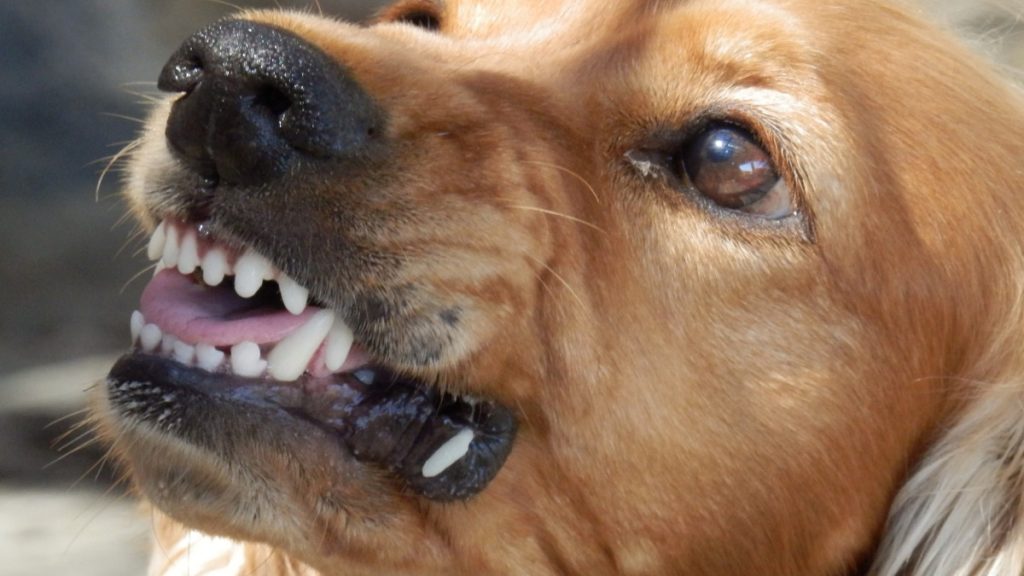
If you’ve recently neutered your dog or are planning to, you might be wondering how this will change your pet’s behavior. You’re not alone—many dog owners want to understand what to expect after neutering.
Will your dog become calmer? Will certain habits disappear? This article will clear up those questions and help you prepare for the changes ahead. Keep reading to discover how neutering can affect your dog’s behavior and what you can do to support your furry friend through this important transition.
Credit: www.dwdogtraining.com
Behavior Changes After Neutering
Neutering a dog can lead to many changes in its behavior. These changes happen because of shifts in hormones.
Understanding these changes helps owners care for their pets better after the surgery.
Common Behavioral Shifts
After neutering, dogs often show changes in how they act. Some behaviors may decrease while others stay the same.
- Reduced aggression toward other dogs
- Less marking of territory with urine
- Lower levels of roaming or escaping
- Calmer and less dominant behavior
- Possible increase in appetite and weight gain
Hormonal Impact On Actions
Neutering lowers testosterone, a key hormone in male dogs. This change affects many behaviors.
| Behavior | Before Neutering | After Neutering |
| Aggression | Often high | Usually reduced |
| Marking | Frequent | Less frequent |
| Roaming | Common | Less common |
| Energy Levels | High | Moderate |
| Appetite | Normal | May increase |
Variations By Age And Breed
Age and breed influence how a dog’s behavior changes after neutering. Younger dogs often adapt faster.
- Small breeds may show fewer behavior changes
- Large breeds often have stronger hormonal behaviors
- Neutering puppies can prevent some unwanted behaviors
- Older dogs may keep some habits even after neutering
Managing Aggression And Anxiety
Neutering can change a dog's behavior. Some dogs show less aggression after surgery. Others may feel anxious or stressed.
It is important to watch your dog closely. Managing these behaviors helps your dog feel safe and happy.
Recognizing Signs
Aggression and anxiety show in many ways. Look for growling, snapping, or biting. These are clear signs of aggression.
Anxiety can cause pacing, shaking, or hiding. Your dog might also bark more or refuse to eat.
- Growling or snapping
- Excessive barking or whining
- Shaking or trembling
- Pacing or restlessness
- Hiding or avoiding people
- Refusing food or treats
Techniques To Calm Your Dog
Keep your dog’s routine steady. Regular walks and playtime reduce stress. Give your dog a quiet space to relax.
Use calm tones and gentle petting to soothe your dog. Avoid loud noises or sudden moves that scare them.
- Stick to daily routines
- Provide a safe, quiet area
- Use calm, soft voices
- Offer gentle petting and comfort
- Keep away from loud sounds
When To Seek Professional Help
If aggression or anxiety lasts more than a few weeks, get advice. A vet or trainer can help find solutions.
Seek help if your dog hurts others or shows fear all the time. Early action improves your dog’s quality of life.
- Persistent aggression after neutering
- Severe anxiety or fear
- Harm to people or other pets
- Refusal to eat or drink
- Destructive behavior in the home
Energy Levels And Activity
Neutering a dog can change its energy and activity levels. Many owners notice differences in how their dog plays and moves.
Understanding these changes helps you care for your dog better after surgery.
Expected Changes In Energy
After neutering, dogs often have lower energy levels. This happens because hormones that affect activity decrease.
Some dogs become calmer and less restless. Others may still be playful but with less intensity.
Adjusting Exercise Routines
Exercise routines should match your dog’s new energy level. Start with shorter walks and playtime after surgery.
Gradually increase activity as your dog heals and adapts. Watch for signs of tiredness or discomfort.
- Begin with gentle walks of 5-10 minutes
- Increase time by 5 minutes each week
- Avoid high-impact activities until fully healed
- Keep exercise consistent to prevent weight gain
Encouraging Healthy Play
Healthy play helps keep your dog active and happy. Choose toys and games that match their energy level.
Encourage short play sessions and praise calm behavior. Avoid overly rough play that can cause stress.
- Use soft toys for gentle play
- Play fetch with slow, easy throws
- Practice training games to engage the mind
- Give breaks to prevent overexertion
Training After Neutering
Neutering can change a dog's behavior and energy levels. Training helps your dog adjust to these changes.
Consistent training supports good habits and builds a stronger bond with your pet.
Refining Obedience Skills
After neutering, dogs may feel calmer but still need practice with commands. Keep training sessions short and clear.
Focus on basic commands like sit, stay, and come. This helps maintain good behavior and safety.
Addressing New Challenges
Neutering can bring new behaviors like less excitement or confusion. Watch your dog closely for changes.
Be patient and adjust your training to meet your dog’s new needs. Use gentle guidance to help them learn.
Positive Reinforcement Methods
Reward good behavior with treats, praise, or playtime. This encourages your dog to repeat positive actions.
Use rewards immediately after the desired behavior. This helps your dog connect the action with the reward.
- Praise softly and clearly
- Give small, tasty treats
- Offer favorite toys or games
- Keep training fun and stress-free
Diet And Weight Management
Neutering changes a dog’s metabolism and energy needs. Careful diet and weight control help keep your dog healthy after surgery.
Watching food intake and choosing the right diet will support your dog’s well-being and prevent health issues.
Nutritional Needs Post-neutering
After neutering, dogs often need fewer calories but still require balanced nutrients. Protein is important for muscle health. Fat intake should be moderate to avoid excess weight.
Fiber helps digestion and keeps your dog feeling full. Vitamins and minerals support overall health and immune function during recovery.
Preventing Weight Gain
Weight gain is common after neutering. Lower activity and slower metabolism cause extra calories to turn into fat.
- Measure food portions carefully each day
- Feed your dog at set times instead of free feeding
- Limit treats and choose healthy snacks
- Encourage regular exercise to burn calories
- Monitor your dog’s weight weekly and adjust food as needed
Recommended Feeding Practices
| Feeding Method | Description | Benefit |
| Scheduled Meals | Feed set portions at fixed times daily | Prevents overeating and helps weight control |
| Low-Calorie Diet | Use food with fewer calories but complete nutrition | Supports healthy weight without hunger |
| High Fiber | Include fiber-rich foods or supplements | Increases fullness and improves digestion |
| Regular Monitoring | Weigh your dog and adjust food if needed | Ensures diet matches current energy needs |
Credit: www.adoptapet.com
Emotional Bonding And Socialization
After neutering, dogs may experience changes in their behavior. It’s important to focus on emotional bonding and socialization to help them adjust. These changes can strengthen your relationship and improve social behavior.
Understanding how neutering affects your dog’s emotions and social interactions is key. This knowledge helps you support their well-being during this transition.
Strengthening Your Relationship
Spending quality time with your dog is crucial after neutering. This helps reinforce trust and companionship. Engage in activities like playing fetch or taking walks together.
Consistent routines provide stability and comfort. Regular feeding and playtimes strengthen the bond and provide a sense of security.
- Play games to engage your dog mentally
- Use positive reinforcement for good behavior
- Share quiet moments to build trust
Social Behavior Adjustments
Neutered dogs may show different social behaviors. Some become calmer, others more playful. Observe your dog and adjust socialization activities to fit their new behavior.
Introduce them to social settings gradually. This helps them feel comfortable and confident around other dogs and people.
- Visit dog parks for controlled social interactions
- Enroll in socialization classes if needed
- Monitor interactions for signs of discomfort
Introducing To Other Pets
Introducing a neutered dog to other pets requires patience. Start with supervised meetings in neutral spaces. This approach reduces territorial behavior.
Watch for positive body language, like wagging tails and relaxed postures. These signs indicate a successful introduction.
- Keep initial meetings short and positive
- Reward calm behavior with treats and praise
- Separate pets if tension arises, and try again later
Monitoring Health And Recovery
After neutering, your dog’s health and recovery are important. Keeping a close eye on your pet helps ensure a smooth healing process.
By following proper care tips, you can help your dog recover well. Pay attention to any unusual signs and consult with your vet if needed.
Post-surgery Care Tips
Taking care of your dog after surgery involves several steps. Ensure your pet has a comfortable place to rest and avoid strenuous activities.
- Keep the incision site clean and dry
- Prevent your dog from licking the wound
- Follow vet-prescribed medication schedules
Signs Of Complications
Watch for any signs that might indicate complications. Recognizing these early can help in getting timely medical attention.
| Sign | Action |
| Swelling | Contact your vet |
| Redness | Check the wound |
| Loss of appetite | Monitor closely |
Regular Vet Checkups
Regular vet visits are essential in ensuring your dog is recovering well. These checkups allow your vet to assess your dog’s health and make necessary adjustments to care routines.

Credit: www.dwdogtraining.com
Frequently Asked Questions
How Does Neutering Affect Dog Aggression?
Neutering often reduces aggression by lowering testosterone levels. It can calm territorial and dominant behaviors. However, changes vary by individual dogs and breed. Early neutering usually leads to better behavior outcomes. It is not a guaranteed solution for all aggression issues.
Will My Dog’s Energy Level Change After Neutering?
Yes, neutered dogs often have lower energy levels. They may become calmer and less hyperactive. This change helps reduce unwanted behaviors like excessive barking or jumping. Regular exercise remains important to maintain a healthy weight and mental stimulation.
Does Neutering Impact A Dog’s Social Behavior?
Neutering can improve social interactions by reducing aggression and dominance. Dogs may become more friendly and less anxious. It helps in better adaptation to other pets and humans. Socialization training alongside neutering enhances positive behavior changes.
How Soon After Neutering Will Behavior Changes Appear?
Behavior changes typically begin within a few weeks post-surgery. Some effects, like reduced marking or aggression, may take months. Patience and consistent training are essential during this period. Every dog responds differently based on age and temperament.
Conclusion
Neutering often helps calm your dog and reduce some unwanted behaviors. It can lower aggression and roaming instincts. Changes may take time, so be patient and consistent. Keep giving your dog love and training each day. Watch for positive signs like better focus and friendliness.
Remember, every dog reacts in its own way. Stay observant and adjust care as needed. Neutering is just one part of a happy, healthy dog life.

Emily Barker is the founder of ChillDogLife.com, a space dedicated to helping pup parents discover the best dog products, lifestyle tips, and cozy ideas for happier homes.
A lifelong dog lover, Emily combines her passion for pets with a knack for research to share trusted recommendations on everything from toys and furniture to health and everyday care.
Her goal is simple: to make life easier, stylish, and more joyful for dogs and the people who love them.




