
Have you ever wondered why your dog acts the way it does around other dogs? Understanding dog pack behavior can change how you see your furry friend and improve your relationship.
When you learn the secrets behind their social habits, you’ll know how to help your dog feel safe, confident, and happy. Keep reading to discover the simple signs of pack behavior and how they affect your dog’s daily life. This knowledge will make every walk, playtime, and training session smoother and more enjoyable for both of you.
Pack Structure
Dog packs follow a clear social order. This order helps keep peace and balance. Every dog knows its place in the group.
Understanding pack structure helps us see how dogs interact. Each dog has a role that affects behavior and relationships.
Hierarchy Roles
In a dog pack, the hierarchy shows who leads and who follows. This system stops fights and confusion. Dogs respect the order to live well together.
- Leader: guides the pack and makes decisions
- Supporters: help the leader and keep order
- Followers: obey the leader and support group unity
- Subordinates: lower rank dogs that accept their role
Alpha And Beta Dogs
The alpha dog is the pack leader. It controls resources and protects the group. The beta dog is second in command. It helps the alpha keep control.
| Role | Main Duties | Behavior Traits |
| Alpha | Lead pack, decide on actions | Confident, assertive, protective |
| Beta | Support alpha, manage conflicts | Obedient, strong, diplomatic |
Role Of Omega
The omega dog is at the bottom of the pack. It often acts as a peacekeeper. This dog helps reduce tension in the group.
The omega’s role includes:
- Absorbing stress from other dogs
- Allowing higher-ranking dogs to show dominance
- Keeping the pack calm and balanced
Communication Signals
Dogs in a pack use many ways to talk to each other. They send signals to share feelings and plans.
These signals help keep the pack safe and working well together.
Body Language
Dogs use their bodies to show how they feel. Their posture, tail, and ears tell other dogs what they mean.
A dog may lower its body to show it is not a threat. A raised tail can show confidence or alertness.
- Tail wagging signals friendliness or excitement
- Raised hackles show alert or fear
- Direct eye contact can be a challenge
- Play bows invite fun and play
- Raised ears show attention or curiosity
Vocalizations
Dogs make sounds to communicate different messages. Barking, growling, and whining tell others how they feel.
Each sound has a special meaning in the pack. Dogs listen closely to these vocal signals.
- Barking can warn or call attention
- Growling means threat or warning
- Whining shows stress or need
- Howling helps locate pack members
- Yipping shows excitement or play
Scent Marking
Dogs use smell to mark their territory and share information. They leave scent marks with urine or glands.
Scent marks tell who lives in the area and their mood. Other dogs can learn a lot from these smells.
- Urine marks show territory boundaries
- Gland secretions share social status
- Scent helps dogs recognize pack members
- Scent marking reduces fights and confusion
Social Bonds
Dogs live in groups called packs. These packs help dogs feel safe and happy. Social bonds keep the pack strong.
Strong social bonds help dogs work together. They share food, care for each other, and protect the pack.
Play And Grooming
Play helps dogs build trust and learn social skills. It also lets them have fun and stay active.
Grooming is when dogs clean each other. This action shows care and helps keep the pack close.
- Play teaches dogs how to share and take turns
- Grooming reduces stress and strengthens friendships
- Both activities support healthy pack life
Cooperation In Hunting
Dogs work together when they hunt. They use different roles to catch food more easily.
Cooperation lets the pack catch bigger prey. This teamwork helps all dogs get enough food.
- Some dogs chase the prey
- Others block escape paths
- They share the food after hunting
Conflict Resolution
Conflicts happen when dogs disagree. Packs use signals to stop fights quickly.
Calm behavior and submission signs help dogs stay friends. This keeps the pack peaceful.
- Barking or growling warns others
- Showing belly means giving up
- Quick peace keeps the pack united

Credit: www.cherryhoggs.com
Leadership Dynamics
Dogs live in packs with clear leadership roles. Leadership affects how dogs act and work together. Understanding these dynamics helps explain pack behavior.
Leadership in dog packs shows through decision making, styles of leading, and the role of experience. Each part shapes pack harmony and survival.
Decision Making
In dog packs, the leader usually makes key decisions. These include when to hunt, where to rest, and how to protect the group. The leader’s choices guide the pack’s actions.
Pack members often follow the leader without question. This helps the pack stay united and act quickly in danger or when food is found.
Leadership Styles
- Authoritative: The leader gives clear commands and expects obedience.
- Democratic: The leader listens to others before deciding.
- Passive: The leader takes a back seat and lets others lead.
Most dog pack leaders use an authoritative style. This style keeps the pack safe and organized. Leaders show strength but also protect weaker members.
Influence Of Experience
| Experience Level | Effect on Leadership |
| High | Better decisions, respect from pack |
| Medium | Good guidance, learning from others |
| Low | Less influence, may follow stronger leaders |
Older, experienced dogs often become leaders. They know the best ways to find food and stay safe. Younger dogs learn by watching these leaders.
Pack Behavior In Domestic Dogs
Dogs are social animals that come from wild ancestors who lived in packs. These pack behaviors still show in domestic dogs today.
Understanding how dogs act in packs helps us care for them better in our homes and communities.
Impact Of Human Interaction
Humans play a big role in shaping how dogs act in their pack. Dogs see their human family as part of their pack.
Positive interaction builds trust and respect. This helps dogs feel safe and follow rules more easily.
Adapting Pack Instincts
Domestic dogs still use pack instincts like following a leader and protecting the group. They adapt these behaviors to fit home life.
Training and routines help dogs know their place in the family pack. This reduces anxiety and confusion.
- Clear rules make dogs feel secure
- Consistent leadership helps dogs trust humans
- Social time with humans and dogs meets their pack needs
Managing Multi-dog Households
When living with many dogs, pack behavior becomes more obvious. Dogs may compete for attention and resources.
Owners must guide dogs to share space and follow rules. This keeps peace and balance in the home.
- Feed dogs separately to avoid fights
- Give each dog attention and playtime
- Watch for signs of stress or aggression
- Train dogs to respect each other’s space

Credit: www.dwdogtraining.com
Training And Behavior
Dogs are social animals that thrive in packs. Understanding pack behavior helps in training them. It builds a peaceful environment for humans and dogs.
Good training uses pack principles. It addresses dominance issues and builds trust. Respect between dogs and humans is key.
Using Pack Principles
Dogs naturally follow a leader. Be a calm and assertive leader for them. This helps your dog feel secure and relaxed.
Set clear rules for your dog. Consistency is important. Reward good behavior and correct mistakes gently.
- Use simple commands like sit and stay
- Walk your dog regularly
- Feed them at the same time daily
Correcting Dominance Issues
Some dogs try to dominate. It’s vital to address this early. Use calm and firm commands to show leadership.
Never use force or anger. Instead, redirect their focus. Provide tasks that engage their minds positively.
- Teach your dog to wait for food
- Practice leash training
- Use positive reinforcement techniques
Building Trust And Respect
Trust is essential in any relationship. Spend quality time with your dog. Play, walk, and train together.
Respect your dog’s space and needs. Understand their body language. This helps you respond to their needs better.
| Activity | Benefit |
| Daily walks | Improves trust |
| Consistent training | Builds respect |
| Playtime | Strengthens bond |
Wild Vs. Domestic Pack Life
Dogs are social animals and naturally form packs. In the wild, they rely on each other to survive. Domestic dogs also show pack behavior, but it differs from their wild relatives.
Understanding these differences helps us provide better care for our pets. Let’s explore the social structures, survival strategies, and lessons for pet owners.
Differences In Social Structure
In the wild, dog packs have a clear hierarchy. There is usually a leader who makes decisions for the group. Domestic dogs often see their human family as their pack.
Unlike wild packs, domestic dogs may not have a strict leader. They rely on humans to guide them.
- Wild packs have a strong leader
- Domestic dogs look to humans for leadership
- Pack roles can change over time
Survival Strategies
Wild dogs hunt together and protect each other from danger. They communicate through body language and sounds. Domestic dogs do not need to hunt, but they still use these skills.
They bark to alert us of strangers and use body language to express feelings.
- Wild dogs hunt in groups
- Domestic dogs alert us to danger
- Both use body language to communicate
Lessons For Pet Owners
Understanding pack behavior helps pet owners meet their dog's needs. Dogs need social time and a sense of belonging. Consistent rules and routines make them feel secure.
Regular playtime and exercise keep them healthy and happy. Knowing these lessons improves the bond between dogs and their owners.
- Provide social interaction
- Set clear rules and routines
- Ensure regular exercise and playtime
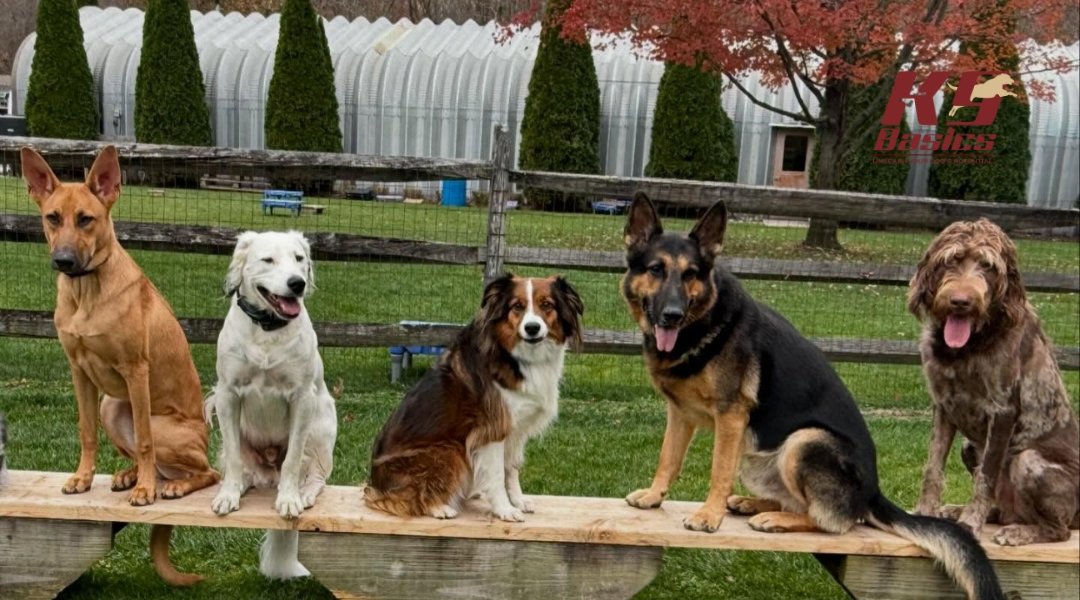
Credit: k9basics.com
Frequently Asked Questions
What Is Dog Pack Behavior?
Dog pack behavior refers to the social structure dogs naturally follow. It includes hierarchy, roles, and communication within a group. Understanding this helps in training and managing dogs effectively. It mimics wild canines’ way of living and cooperating in packs.
How Does Pack Hierarchy Affect Dogs?
Pack hierarchy establishes order and reduces conflicts. Dogs follow dominant and submissive roles to maintain peace. This structure influences behavior, obedience, and social interactions. Recognizing hierarchy helps owners guide their dogs’ behavior properly.
Why Do Dogs Follow A Pack Leader?
Dogs follow a pack leader for guidance and security. The leader ensures group safety and resource management. This instinct stems from wild ancestors. Owners can become leaders by showing consistent, calm, and confident behavior.
Can Pack Behavior Improve Dog Training?
Yes, pack behavior improves dog training by leveraging natural instincts. Using leadership and social cues enhances learning and cooperation. Training that respects pack dynamics results in better obedience and reduced aggression.
Conclusion
Dogs live naturally in groups called packs. These packs help dogs feel safe and happy. Understanding pack behavior helps us care for dogs better. Dogs show respect and love through their pack roles. Watching their body language reveals what they want to say.
Treating dogs like part of a family pack builds trust. This knowledge helps improve training and daily life. Dogs need clear rules and gentle guidance. Embrace their pack nature for a strong bond. Caring for dogs this way makes life joyful for all.

Emily Barker is the founder of ChillDogLife.com, a space dedicated to helping pup parents discover the best dog products, lifestyle tips, and cozy ideas for happier homes.
A lifelong dog lover, Emily combines her passion for pets with a knack for research to share trusted recommendations on everything from toys and furniture to health and everyday care.
Her goal is simple: to make life easier, stylish, and more joyful for dogs and the people who love them.




