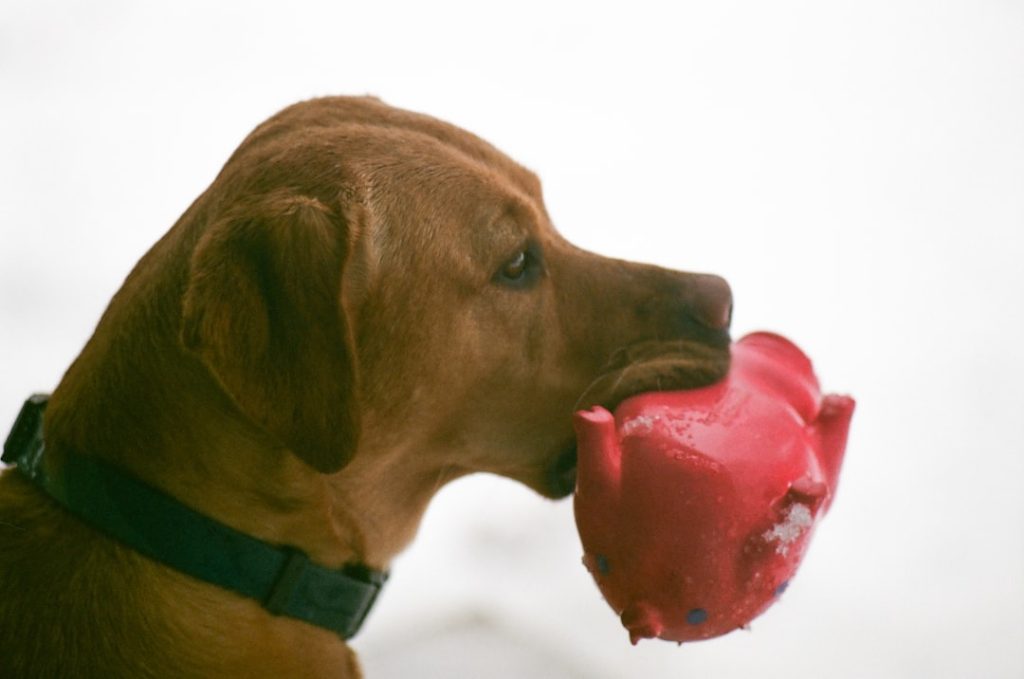
If you have a Boxer dog or are thinking about bringing one into your home, understanding their behavior is key to building a strong bond. Boxers are known for their energy, loyalty, and playful spirit, but sometimes their actions can leave you wondering what they’re trying to tell you.
By learning how your Boxer communicates and behaves, you can better meet their needs and enjoy a happier, healthier relationship. Ready to discover the secrets behind your Boxer’s unique personality? Let’s dive in and explore everything you need to know about Boxer dog behavior.
Boxer Temperament
Boxers are known for their strong and friendly personality. They are lively dogs that love spending time with people.
This breed is loyal and often shows a mix of energy and affection. Understanding their temperament helps owners care for them well.
Energy Levels
Boxers have high energy and need daily exercise. They enjoy running, playing, and exploring outdoors.
Without enough activity, they may become bored and act restless or destructive.
- Require at least one hour of exercise each day
- Enjoy activities like fetch and jogging
- Good for active families or individuals
Social Nature
Boxers are very social dogs and love being around people. They usually get along well with children and other pets.
They thrive on attention and feel happiest when included in family activities.
- Friendly with family members
- Usually good with other dogs
- May need early socialization with strangers
Protective Instincts
Boxers have strong protective instincts. They watch over their home and family carefully.
They are alert and will bark to warn of strangers or unusual events.
- Natural watchdog behavior
- Alert and quick to respond
- Protective but usually not aggressive without cause
Playfulness
Boxers love to play and have fun. They enjoy games that keep them busy and happy.
This playful nature makes them great companions for kids and adults alike.
- Enjoy interactive games like tug-of-war
- Playful even as they grow older
- Need toys and activities to stay entertained

Credit: spiritdogtraining.com
Common Behavioral Traits
Boxer dogs are known for their unique and engaging behavior. Understanding these traits helps owners care for them better.
Their personality can vary, but some behaviors are common across most Boxers. These traits show their true nature.
Affectionate Behavior
Boxers are very loving and enjoy close contact with their family. They often seek attention and like to cuddle.
They are loyal and show affection through gentle nudges and playful gestures.
Intelligence And Curiosity
Boxers are smart dogs that learn quickly. They like to explore and understand their surroundings.
- Enjoy problem-solving games
- Remember commands easily
- Show interest in new objects and places
- Often use their nose to investigate
Stubbornness Challenges
Boxers can be strong-willed and may resist commands sometimes. Patience is key when training them.
| Behavior | Training Tip |
| Ignoring commands | Use firm, consistent voice |
| Testing limits | Set clear boundaries early |
| Delaying obedience | Reward good behavior immediately |
Sensitivity To Environment
Boxers react strongly to their surroundings. Loud noises or sudden changes can upset them.
Tips to help Boxers stay calm:
- Keep a quiet space for rest
- Introduce new situations slowly
- Use soothing tones when comforting
Training Foundations
Training a Boxer dog builds a strong bond and good behavior. Start early to shape your dog’s habits well.
Focus on clear methods and patience. This helps your Boxer learn faster and stay happy.
Positive Reinforcement
Use treats and praise to reward good behavior. This encourages your dog to repeat those actions.
- Give a treat when your dog follows a command
- Use a happy tone to praise your dog
- Avoid punishment to keep trust strong
- Reward immediately after the right action
Consistency And Patience
Train every day with the same commands and rules. This helps your Boxer understand expectations.
Be patient if your dog does not get it right away. Learning takes time and calm guidance.
Early Socialization
Introduce your Boxer to people and other animals early. This reduces fear and aggression later on.
| Age | Socialization Activity | Goal |
| 8-12 weeks | Meet family members | Build trust with people |
| 3-4 months | Play with other dogs | Learn social cues |
| 5-6 months | Visit new places | Adapt to different environments |
Basic Commands
Teach your Boxer simple commands like sit, stay, and come. These keep your dog safe and well-behaved.
Try this training order for each command:
- Say the command clearly
- Show the action or guide your dog
- Reward when your dog obeys
- Repeat daily in short sessions
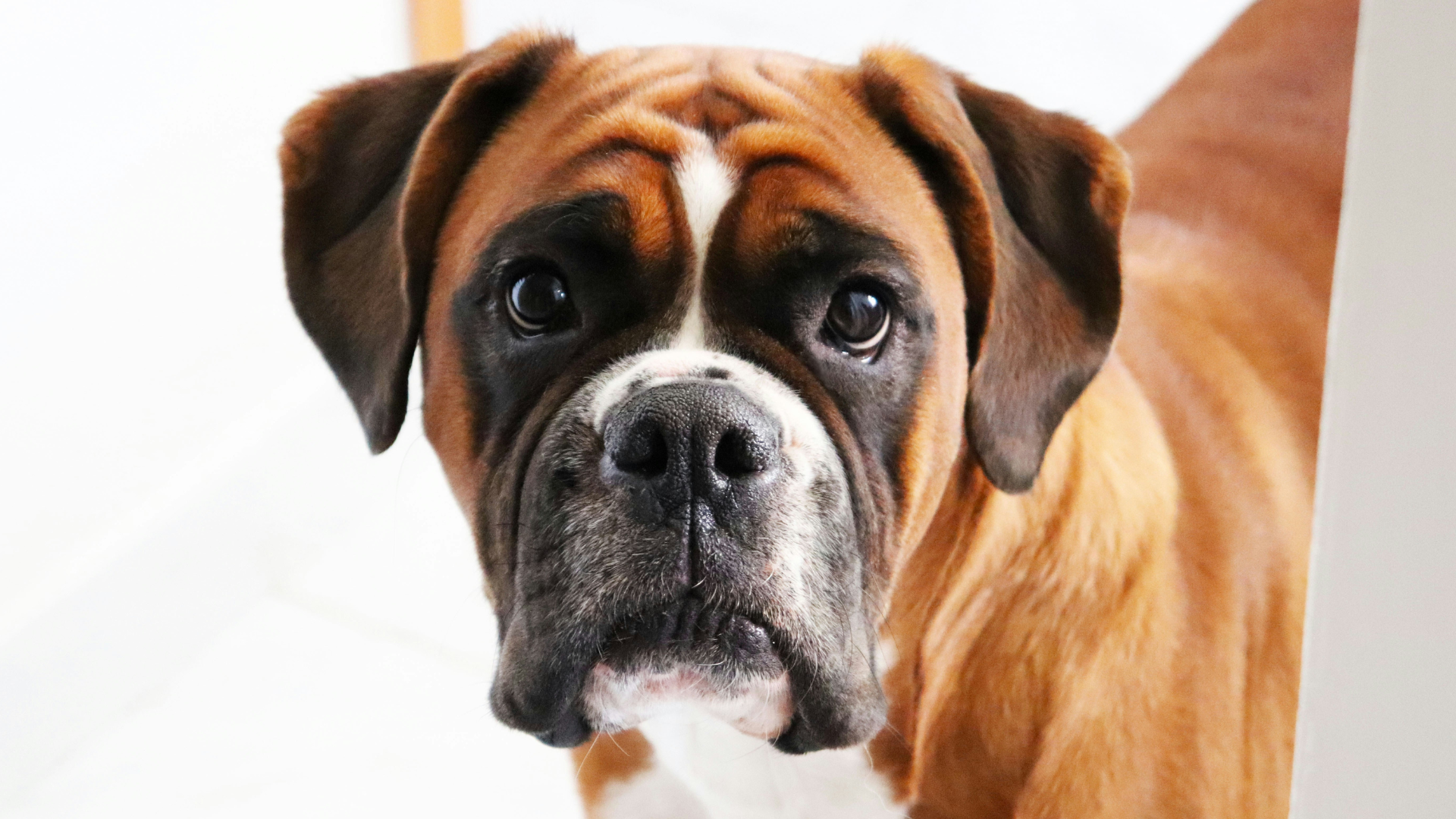
Credit: pethelpful.com
Addressing Behavioral Issues
Boxer dogs are lively and smart. Sometimes, they show behaviors that need attention. Understanding these behaviors helps keep your dog happy and safe.
This guide covers common problems like excess energy, separation anxiety, aggression, and chewing. Each has simple ways to manage or prevent issues.
Dealing With Excess Energy
Boxers have lots of energy. Without enough exercise, they may act restless or destructive. Daily walks and playtime help burn this energy.
- Take your dog for two 30-minute walks every day.
- Play fetch or tug-of-war to keep them active.
- Use puzzle toys to challenge their mind.
- Set up a safe area for running and jumping.
Managing Separation Anxiety
Boxers can feel sad when left alone. Signs include barking, chewing, or trying to escape. Training helps them feel safe when you are away.
- Practice short absences and increase time slowly.
- Give a favorite toy or treat before leaving.
- Create a calm space with your scent.
- Keep arrivals and departures low-key.
Handling Aggression
Aggression in Boxers can be due to fear or protection. Watch for growling or snapping. Calm training and socialization reduce aggressive acts.
| Cause | Signs | Solution |
| Fear | Growling, hiding | Gentle exposure to new things |
| Territorial | Barking, lunging | Training to obey commands |
| Play aggression | Rough biting | Redirect to toys |
Preventing Destructive Chewing
Chewing is normal but can damage things. Boxers need chew toys and clear rules to stop biting furniture or shoes.
Tips to prevent chewing:
- Provide plenty of chew toys.
- Remove items you don’t want chewed.
- Use bitter sprays on furniture.
- Praise your dog when chewing toys.
Exercise And Mental Stimulation
Boxer dogs are active and smart dogs. They need exercise and mental work daily. This helps keep them happy and healthy.
Without enough activity, boxers can get bored and restless. This may lead to bad habits. Good exercise and fun games are important.
Daily Physical Activities
Boxers need daily walks to burn energy. Running in a safe place also helps. Play fetch or tug to keep them moving. These activities build strong muscles and good health.
- Walk for 30 to 60 minutes
- Play fetch with a ball or toy
- Run in a fenced yard
- Practice simple agility exercises
Interactive Toys And Games
Toys that challenge a boxer’s mind are very useful. Puzzle toys hide treats to find. Chew toys keep their jaws strong. These toys stop boredom and give fun challenges.
- Puzzle feeders with hidden treats
- Chew toys made of durable rubber
- Tug ropes for interactive play
- Toys that make sounds or move
Training As Mental Exercise
Training sessions teach new skills and commands. This keeps the boxer’s mind sharp. Short and fun lessons work best. Reward with praise or treats to motivate your dog.
| Training Activity | Benefit |
| Basic commands (sit, stay) | Builds focus and control |
| Trick training | Improves problem-solving |
| Agility practice | Enhances coordination |
| Recall games | Strengthens obedience |
Outdoor Adventures
Exploring new places excites a boxer’s senses. Hiking, trips to the park, or beach visits are great. These outings provide new sights, smells, and sounds.
Tips for safe outdoor adventures:
- Use a secure leash or harness
- Bring fresh water and a bowl
- Check weather and terrain
- Watch for signs of tiredness
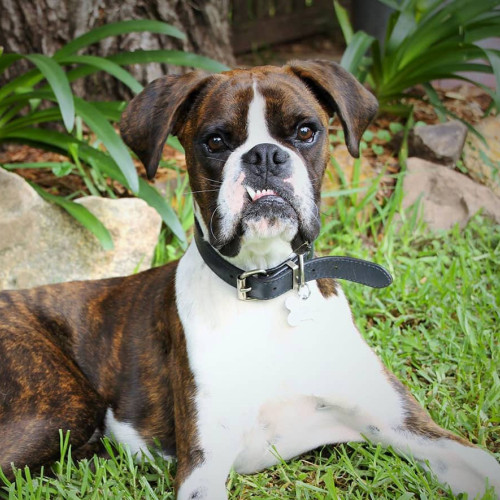
Credit: www.barkbusters.com
Health And Behavior Connection
Boxer dogs have a unique connection between their health and behavior. Understanding this link helps in raising a happy and healthy Boxer.
Owners can better care for their Boxers by focusing on diet, stress, vet visits, and rest. These factors are key to a Boxer’s well-being.
Impact Of Diet
Diet plays a huge role in a Boxer’s behavior. A balanced diet supports good health and energy levels.
Feed your Boxer high-quality dog food. Avoid foods with artificial additives and too much fat.
- Fresh vegetables are great for vitamins
- Lean meats provide protein
- Whole grains offer energy
Recognizing Stress Signals
Boxers can show stress in many ways. Recognizing these signals is important for their mental health.
Common stress signs include excessive barking, chewing, and restlessness. Watch for changes in behavior.
- Pacing back and forth
- Yawning frequently
- Hiding or avoiding people
Regular Vet Checkups
Regular vet visits are crucial for a Boxer’s health. They help catch issues before they become serious.
During checkups, vets can check for common Boxer problems like heart and joint issues. Early detection is key.
Importance Of Rest
Rest is very important for Boxers. It helps them recover energy and stay healthy.
Ensure your Boxer has a comfortable place to sleep. Dogs need quiet time to relax and recharge.
- Provide a soft bed
- Keep noise levels low
- Establish a bedtime routine
Frequently Asked Questions
What Are Common Traits Of Boxer Dog Behavior?
Boxers are energetic, playful, and loyal dogs. They are intelligent and protective, making them great family pets. They need regular exercise and mental stimulation to stay happy and healthy.
How Do Boxers Behave Around Children?
Boxers are generally gentle and affectionate with children. They are patient and protective, but supervision is important to ensure safe interactions. Proper training helps Boxers behave well around kids.
Why Do Boxers Exhibit Playful Behavior?
Boxers have a high energy level and love to play. Playfulness helps them release energy and stay mentally engaged. Regular playtime prevents boredom and destructive behavior.
How Do Boxers Show Affection To Their Owners?
Boxers show affection through licking, cuddling, and following their owners. They thrive on attention and enjoy being close to family members. Their affectionate nature strengthens the human-dog bond.
Conclusion
Boxer dogs have lively and loving personalities. They need regular exercise and attention. Training helps them behave well with people and pets. Understanding their moods makes your bond stronger. Patience and care bring out their best traits. These dogs are loyal and enjoy being part of families.
Knowing their behavior helps you give better care. A happy Boxer means a happy home.

Emily Barker is the founder of ChillDogLife.com, a space dedicated to helping pup parents discover the best dog products, lifestyle tips, and cozy ideas for happier homes.
A lifelong dog lover, Emily combines her passion for pets with a knack for research to share trusted recommendations on everything from toys and furniture to health and everyday care.
Her goal is simple: to make life easier, stylish, and more joyful for dogs and the people who love them.




