
Training your puppy can feel overwhelming, but it doesn’t have to be. With the right tips, you can turn your little furball into a well-behaved companion faster than you think.
Imagine having a dog that listens, behaves, and brings joy instead of stress. In this post, you’ll discover simple, effective puppy training tips that anyone can use. Ready to make your life easier and your puppy happier? Keep reading—your best friend is counting on you.
Choosing The Right Training Method
Training your puppy is important for good behavior and a strong bond. Picking the right method helps your puppy learn faster and enjoy the process.
Each puppy is different, so find a training style that fits your dog’s personality and your lifestyle.
Positive Reinforcement Techniques
Positive reinforcement means rewarding your puppy for good behavior. This helps your puppy want to repeat those actions.
- Use treats or toys as rewards
- Give praise with a happy voice
- Reward immediately after good behavior
- Keep training sessions short and fun
- Be clear about what you want your puppy to do
Avoiding Punishment-based Methods
Harsh punishments can scare your puppy and cause trust issues. Avoid yelling, hitting, or using shock collars.
Why Avoid Punishment?
- It can make your puppy afraid of you.
- It may cause aggressive behavior.
- It does not teach what you want.
- Positive methods build better habits.
Consistency And Patience
Training takes time. You must be consistent and patient to help your puppy learn well.
| Tip | Explanation |
|---|---|
| Use the same commands | Helps puppy understand what you want |
| Train daily | Short sessions keep your puppy focused |
| Stay calm | Puppies respond better to gentle guidance |
| Repeat often | Reinforces learning and builds habits |
Credit: www.petco.com
Basic Commands Every Puppy Should Learn
Training your puppy with basic commands helps build good habits. These commands keep your puppy safe and well-behaved.
Start training early and practice often. Use clear words and reward your puppy with praise or treats.
Sit And Stay
The “Sit” command teaches your puppy to stop and sit calmly. “Stay” helps your puppy wait until you say it is okay to move.
- Hold a treat above your puppy’s nose.
- Move the treat back over the head to make the puppy sit.
- Say “Sit” as the puppy sits down.
- Give the treat and praise your puppy.
- For “Stay,” show your open palm and say “Stay.”
- Take a few steps back. If the puppy stays, give a treat.
- Increase the distance slowly over time.
Come When Called
Teaching your puppy to come when called keeps them safe. It also helps you control your puppy in busy places.
Use a happy tone and say your puppy’s name followed by “Come.” Reward your puppy every time they come to you.
| Command | How to Practice | Reward |
|---|---|---|
| Call Puppy | Say “Come” in a happy voice from a short distance. | Give treat and praise. |
| Increase Distance | Call puppy from farther away in a safe area. | Use bigger treats or more praise. |
| Use Leash | Practice “Come” with a leash on for control. | Reward immediately upon arrival. |
Leave It And Drop It
The “Leave It” command stops your puppy from picking up dangerous or unwanted items. “Drop It” tells your puppy to release something from their mouth.
- Hold a treat in your closed hand and say “Leave It.”
- Wait for the puppy to stop trying to get the treat.
- Give a different treat with the other hand as a reward.
- For “Drop It,” offer a toy and then a treat.
- Say “Drop It” and show the treat.
- When the puppy drops the toy, give the treat immediately.
- Practice often to keep your puppy responsive.
House Training Essentials
Training a puppy to live inside your home is important. It helps keep your house clean and your puppy happy.
Good house training takes time and patience. Using simple steps can make the process easier for you and your puppy.
Establishing A Routine
Puppies learn best with a consistent schedule. Set specific times for feeding and bathroom breaks every day.
A routine helps your puppy know when to expect going outside. This reduces accidents inside the house.
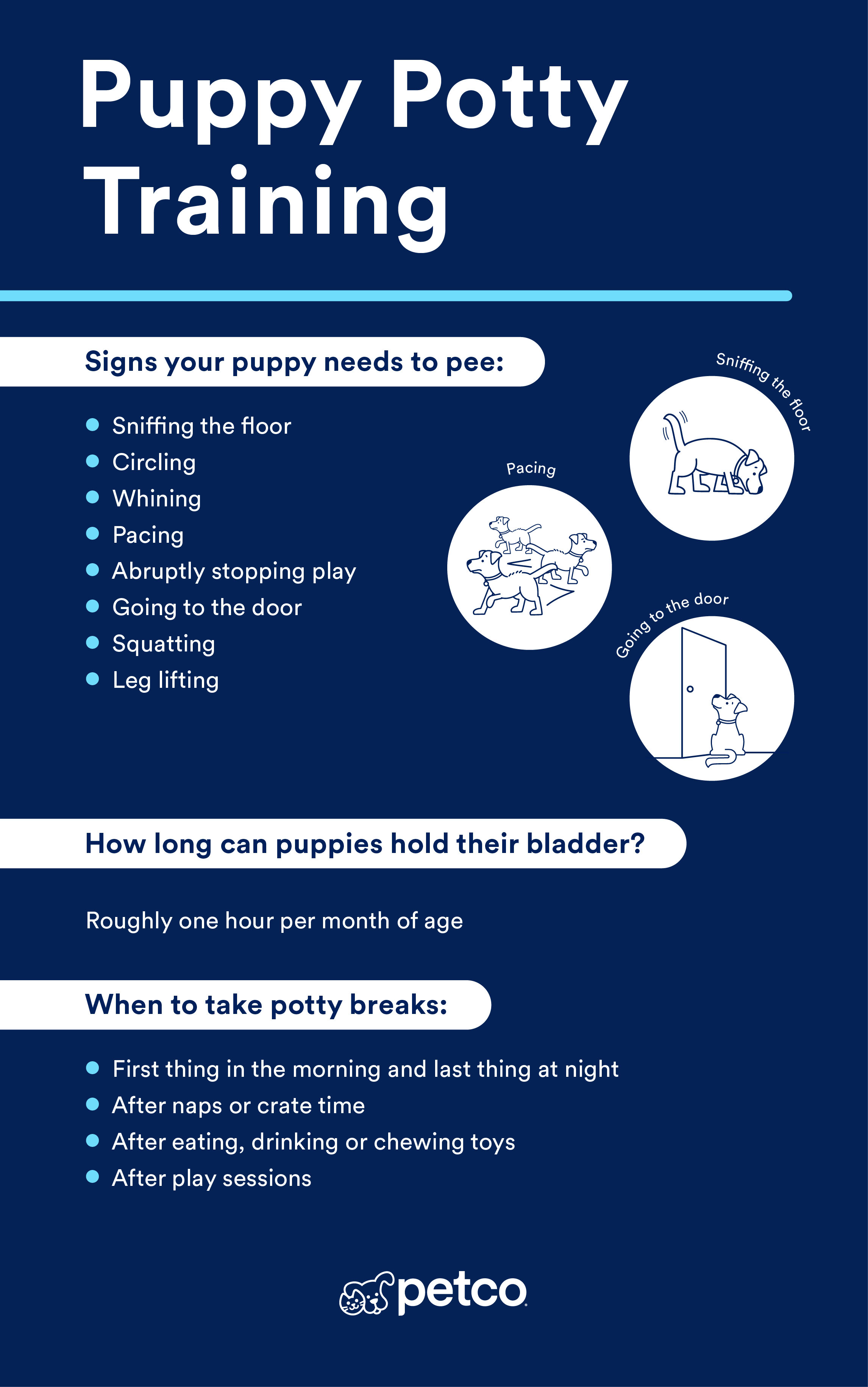
- Take your puppy out first thing in the morning.
- Offer bathroom breaks after meals and naps.
- Keep feeding times regular to aid digestion.
- Watch for signs your puppy needs to go out.
Crate Training Benefits
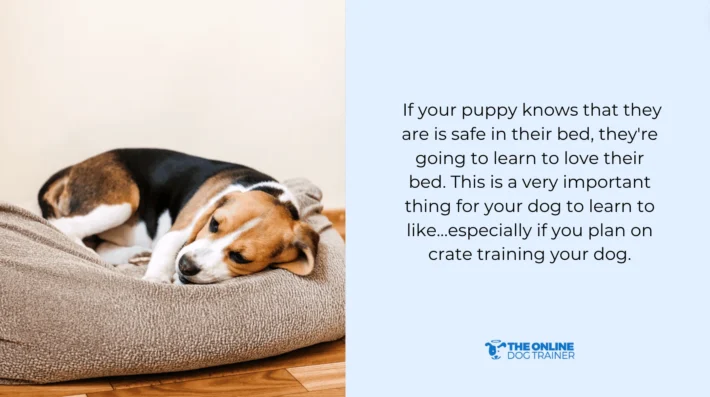
Using a crate helps teach your puppy to hold their bladder. It also gives them a safe, quiet space.
Crates can prevent accidents when you cannot watch your puppy. It also helps with travel and vet visits.
- Choose a crate that fits your puppy comfortably.
- Never use the crate for punishment.
- Make the crate cozy with a soft blanket.
- Gradually increase crate time to build comfort.
Handling Accidents Calmly
Accidents are normal during house training. Stay calm and do not punish your puppy for mistakes.
Clean accidents with a pet-safe cleaner to remove smells. This helps prevent your puppy from returning to the spot.
- Ignore the accident at the moment it happens.
- Take your puppy outside right after an accident.
- Reward your puppy when they go outside.
- Be patient and consistent in your training.
Socializing Your Puppy
Socializing your puppy helps them grow into a confident adult dog. It teaches them how to behave around people and other pets.
Early socialization reduces fear and makes your puppy happy in new situations.
Introducing New People And Pets
Let your puppy meet different people gently and calmly. Start with quiet, friendly adults before children or strangers.
- Allow your puppy to sniff and greet new people on their own terms.
- Keep meetings short and positive.
- Introduce other calm pets slowly and watch their reactions.
- Use treats to reward good behavior during introductions.
Exposure To Different Environments
Take your puppy to many places to build their confidence. Different sights, sounds, and smells teach them about the world.
| Environment | How to Introduce |
| Park | Walk on leash, watch for distractions |
| Car | Short rides with treats |
| Store | Quiet visits, keep your puppy close |
| Other Homes | Meet new people and pets calmly |
Managing Fear And Anxiety
Some puppies feel scared in new places or around new people. Help them stay calm and safe.
Try these tips to reduce fear:
- Stay calm and use a soft voice.
- Give treats to create good memories.
- Do not force your puppy into scary situations.
- Give them a safe space to retreat to.
- Practice short and positive sessions.
Addressing Common Behavioral Issues
Training your puppy helps build good habits. Some behaviors can be tricky to manage. Focus on common issues for better results.
Understanding why puppies act certain ways helps you teach them better manners. Consistency and patience are key.
Chewing And Biting
Puppies explore the world with their mouths. Chewing and biting are normal but need limits. Teach them what is okay to chew.
Offer safe chew toys and replace items you don’t want chewed. Redirect biting onto toys, not hands or clothes.
- Provide plenty of chew toys
- Say “no” firmly when biting occurs
- Reward gentle play with praise
- Keep hands away from puppy’s mouth
Excessive Barking
Dogs bark to communicate. Too much barking can annoy people. Find out what triggers your puppy’s barking.
Teach your puppy to be quiet on command. Use calm praise when they stop barking. Avoid yelling, it can make barking worse.
- Notice when your puppy barks most
- Distract with a toy or treat
- Use “quiet” command and reward silence
- Ignore barking for attention
Jumping Up
Puppies jump to greet people. This can be scary or annoying. Teach your puppy to greet politely with all four paws on the ground.
Turn away when your puppy jumps. Give attention only when they stay calm and sit. Consistent practice helps stop jumping.
- Ignore puppy when it jumps
- Reward calm, sitting behavior
- Ask guests to do the same
- Practice greeting without jumping
Using Toys And Rewards Effectively
Training your puppy with toys and rewards can be fun and successful. It helps build a good bond between you and your furry friend.
Using the right toys and timing treats well makes training more effective. Puppies learn best when they are excited and happy.
Choosing The Right Toys
The right toys make training enjoyable for your puppy. Different toys serve different purposes in training.
- Chew toys help with teething and keep your puppy busy.
- Fetch toys improve your puppy’s agility and speed.
- Puzzle toys stimulate your puppy’s mind.
Timing Treats For Maximum Impact
Giving treats at the right time makes training effective. Puppies understand actions better when rewarded immediately.
Use a simple command, then reward your puppy right after they obey. This helps them connect the action with the treat.
Balancing Play And Training
Balancing play and training keeps your puppy engaged. It prevents boredom and makes learning a fun experience.
| Activity | Time Spent |
| Play | 15 minutes |
| Training | 10 minutes |
| Rest | 5 minutes |
Maintaining Long-term Training Success
Training a puppy is an ongoing process. It requires patience and consistency. To achieve long-term success, regular practice and adapting to your puppy’s needs are key.
Here are some tips to help maintain your puppy's training over time. These methods will ensure your puppy grows into a well-behaved dog.
Regular Practice Sessions
Short, frequent training sessions are effective. They help reinforce good behavior. Puppies have short attention spans, so keep sessions around 10 minutes.
Consistency is crucial. Practice commands daily and mix in fun activities. This keeps your puppy engaged and eager to learn.
- Practice commands like sit, stay, and come
- Use positive reinforcement with treats and praise
- Make training part of your daily routine
Adapting Training As Your Puppy Grows
As your puppy matures, its needs change. Adjust training techniques to suit its growth. Be aware of new challenges like teething and increased energy.
Increase the complexity of commands as your puppy learns. This keeps training interesting and promotes mental growth.
- Introduce advanced commands slowly
- Adjust rewards based on your puppy’s preferences
- Be patient with setbacks
Seeking Professional Help When Needed
Sometimes, professional help can be beneficial. Trainers offer guidance and tips for specific issues. They can help with aggression or anxiety problems.
Consult a trainer if you feel overwhelmed. They bring experience and can tailor training to your puppy’s needs.
- Look for certified trainers in your area
- Attend group classes for socialization
- Consider one-on-one sessions for specific issues
Credit: theonlinedogtrainer.com

Credit: theonlinedogtrainer.com
Frequently Asked Questions
How Often Should I Train My Puppy Daily?
Training sessions should be short and frequent, about 5-10 minutes, 2-3 times a day. This keeps your puppy engaged without overwhelming them.
What Is The Best Age To Start Puppy Training?
Start training as early as 7-8 weeks old. Early training helps develop good habits and social skills effectively.
How Can I Stop My Puppy From Biting?
Redirect biting to toys, use firm “no,” and reward gentle behavior. Consistency and patience are key to success.
What Are Essential Commands Every Puppy Should Learn?
Basic commands like sit, stay, come, and leave it are vital. They ensure safety and good behavior.
Conclusion
Training your puppy takes patience and kindness every day. Small steps build good habits fast. Praise and consistency help your puppy learn best. Keep training sessions short and fun to hold attention. Remember, mistakes happen; stay calm and guide gently.
A well-trained puppy grows into a happy, confident dog. Enjoy the journey together and watch your bond grow strong. Good training creates a lifetime of trust and joy.

Emily Barker is the founder of ChillDogLife.com, a space dedicated to helping pup parents discover the best dog products, lifestyle tips, and cozy ideas for happier homes.
A lifelong dog lover, Emily combines her passion for pets with a knack for research to share trusted recommendations on everything from toys and furniture to health and everyday care.
Her goal is simple: to make life easier, stylish, and more joyful for dogs and the people who love them.




