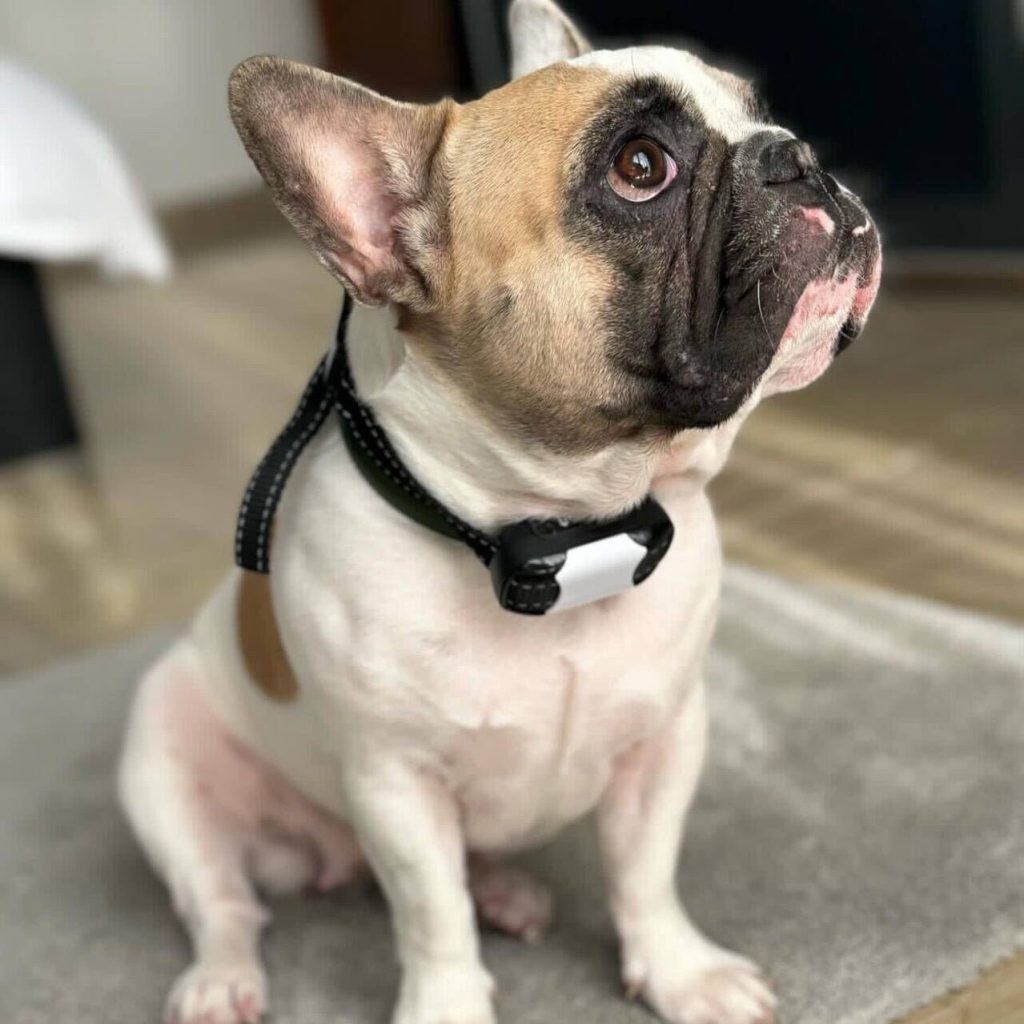
Training your dog can be challenging, especially when you want quick and effective results. You might have heard about shock collars but feel unsure if they’re the right choice for your furry friend.
What if you could use this tool the right way to shape your dog’s behavior without causing harm or stress? In this guide, you’ll discover clear, simple steps to train your dog with a shock collar safely and confidently. Keep reading to learn how to turn your collar into a powerful training ally that brings out the best in your dog.

Credit: www.calmshops.co.uk
Choosing The Right Shock Collar
Choosing the right shock collar is crucial for effective dog training. The collar must fit your dog’s size and personality. It should offer control without causing harm or distress. Understanding different types and key features helps you pick the best option. Safety should always be the top priority.
Types Of Shock Collars
- Static Shock Collars:Deliver a mild electric pulse to get your dog’s attention.
- Vibration Shock Collars:Use vibrations as a gentler alternative to static shocks.
- Remote-Controlled Collars:Allow you to control the intensity and timing of the shock.
- Automatic Shock Collars:Trigger shocks based on specific behaviors like barking.
Features To Consider
- Adjustable Intensity:Set the shock level according to your dog’s sensitivity.
- Fit and Comfort:Collar should be snug but not too tight.
- Battery Life:Look for collars with long-lasting and rechargeable batteries.
- Range:Ensure the remote works at a distance suitable for your training area.
- Water Resistance:Useful for dogs that spend time outdoors or in wet conditions.
Safety Standards
- Choose collars that meet recognized safety certifications.
- Check for collars with automatic shut-off to prevent overuse.
- Ensure the collar has padding to protect your dog’s skin.
- Read reviews and research the brand’s reputation for safety.
Preparing Your Dog For Training
Begin by letting your dog get used to wearing the shock collar without activating it. Stay calm and patient to build trust before starting any training. Make sure the collar fits well and check the settings to keep your dog comfortable.
Preparing your dog for training with a shock collar is a crucial step in ensuring the process is smooth and effective. Without the right preparation, you may find your efforts less successful and your dog more resistant. Let’s break down how to get your dog ready for this training adventure.Assessing Your Dog’s Temperament
Before you begin, it’s essential to understand your dog's unique personality. Is your dog naturally anxious or more laid-back? A nervous dog might need a gentler approach, while a confident dog may respond well to firmer guidance. Consider your dog’s reactions in various situations. Does your dog shy away from new experiences or embrace them? This understanding will guide you in setting up a training plan that suits their needs.Introducing The Collar Gradually
Start by letting your dog get accustomed to the collar without any training involved. Allow them to sniff and explore the collar, making it a familiar object. Attach the collar without turning it on for the first few days. This helps your dog associate the collar with comfort and normalcy. Observe how your dog reacts to wearing the collar. Are they comfortable or trying to remove it? Patience is key here; rushing can lead to unnecessary stress.Setting Realistic Training Goals
Setting achievable goals is vital to maintaining motivation for both you and your dog. What specific behaviors are you aiming to correct or instill? Break these down into small, manageable steps. For instance, if your goal is to reduce barking, start by targeting specific triggers. Celebrate small victories to keep the process positive. Have you considered how you will measure success? Consistent progress, rather than perfection, is the goal. Regularly reviewing and adjusting your objectives ensures that training remains effective and engaging.Setting Up The Collar Properly
Setting up the shock collar correctly is crucial for safe and effective training. A collar that fits well and uses the right stimulation level helps your dog learn without stress. Taking time to test the device ensures it works as intended. Follow these steps to prepare the collar before training.
Adjusting The Fit
The collar should sit snugly but not too tight around your dog’s neck. Place it high, just below the ears, where the skin is thinner. Check that you can fit two fingers comfortably between the collar and the neck. Avoid loose collars that can slip or cause uneven stimulation.
Selecting Stimulation Levels
Start with the lowest stimulation level on the collar. Observe your dog’s reaction carefully. Increase the level slowly only if your dog does not respond. The goal is to use the least amount of stimulation needed to get attention. Never use high levels that cause pain or fear.
Testing The Device
Test the collar away from your dog first. Activate the stimulation to hear the beep or feel the vibration. Next, try it briefly on your dog while watching their comfort. Stop immediately if your dog shows signs of distress. Proper testing ensures the collar works and is safe for training.

Credit: edog.co.nz
Basic Training Techniques
Mastering the basic training techniques is essential for using a shock collar effectively and humanely. These techniques help your dog understand what you expect, making the training process smoother and less stressful for both of you. Let’s break down some key approaches that bring clarity and consistency to your training sessions.
Using Positive Reinforcement
Positive reinforcement is about rewarding your dog for good behavior, not just punishing the bad. Every time your dog responds correctly to a command, immediately offer a treat, praise, or affection. This creates a strong connection between the desired behavior and a positive outcome.
For example, if your dog stops barking when you use the shock collar’s mild stimulation, follow up with a tasty treat. This shows your dog that obeying leads to rewards, not just discomfort. Have you noticed how your dog’s eagerness to learn grows when you celebrate small wins?
Combining Commands With Stimulation
Pairing verbal commands with the collar’s stimulation helps your dog associate the two signals. Start by giving a clear command like “sit” or “stay” just before the stimulation activates. This approach teaches your dog that the stimulation is a cue to focus, not a random punishment.
Keep the stimulation level low enough to get your dog’s attention without causing fear. Over time, your dog will respond to the command alone, needing less stimulation. Have you ever noticed how clear signals make your dog feel more secure during training?
Timing And Consistency
Timing is everything when using a shock collar. Apply the stimulation immediately after the undesired behavior to help your dog link the two clearly. If the timing is off, your dog might get confused and not understand why they are being corrected.
Consistency in commands and responses builds trust and predictability. Use the same words, tone, and collar settings every time. This steady approach reduces anxiety and speeds up learning. How consistent are you with your dog’s training routine?
Common Training Challenges
Training a dog with a shock collar comes with its own set of challenges. Understanding these hurdles can help you navigate the process more smoothly. Here are some common issues you might face and how to handle them effectively.
Avoiding Overuse
Using a shock collar too often can confuse and frustrate your dog. It’s important to limit the corrections to moments when your dog truly needs guidance. Overusing the collar can make your dog less responsive and damage your bond.
Try to pair the collar’s stimulus with clear commands and positive reinforcement. This way, your dog learns what behavior is expected without feeling punished all the time. Have you noticed your dog tuning out after repeated corrections? That’s a sign to slow down and adjust your approach.
Managing Fear And Anxiety
Some dogs might react to the shock collar with fear or anxiety, which can make training harder. Watch your dog’s body language closely—signs like cowering, trembling, or avoidance mean you need to change tactics. Your goal is to teach, not to scare.
Start with the lowest effective level of stimulation and always reward calm behavior. Building trust is key to overcoming anxiety. Have you tried combining collar training with calm, reassuring commands to ease your dog’s stress?
Handling Distractions
Distractions can pull your dog’s attention away from training, especially in busy environments. Shock collars can help regain focus, but only if used correctly. Make sure your dog understands the commands in a quiet place before adding distractions.
Practice in short sessions and gradually increase the difficulty by introducing more distractions. You might find it helpful to use treats or toys alongside the collar to keep your dog motivated. What distractions challenge your dog the most during training?
Advanced Training Tips
Advanced training with a shock collar requires patience and clear communication. It moves beyond basic commands to refine your dog’s behavior. This stage helps your dog respond well in different settings and situations. It also builds trust and respect between you and your dog.
Teaching Complex Commands
Use the collar to reinforce commands like “stay,” “heel,” and “come.” Break these commands into small steps. Reward your dog after each correct action. Keep training sessions short but frequent. Use clear and consistent signals with the collar. Avoid overusing the shock to prevent fear or confusion.
Using The Collar Off-leash
Off-leash training improves your dog’s freedom and safety. Start in a secure, fenced area. Use a low stimulation level on the collar. Give commands from a distance to test recall and obedience. Be ready to intervene calmly if your dog ignores commands. Gradually increase the challenge by adding distractions or longer distances.
Monitoring Progress
Track your dog’s response to commands and collar signals. Note improvements and areas needing more work. Keep a training journal to record sessions and results. Adjust collar settings if your dog shows signs of stress. Celebrate small victories to stay motivated. Consistent monitoring ensures steady progress and a happy dog.
Safety And Ethical Considerations
Training a dog with a shock collar requires careful attention to safety and ethics. The collar should never cause pain or fear. Respect for the dog’s well-being is essential for positive results. Understanding the dog’s reactions helps prevent harm and builds trust.
Recognizing Signs Of Distress
Watch your dog closely during training sessions. Look for signs like:
- Whining or yelping
- Excessive panting
- Attempting to escape
- Shaking or trembling
- Refusing to obey commands
These signals show the dog may feel scared or hurt. Stop using the collar immediately if you see any.
Alternatives To Shock Collars
Consider other training tools that avoid discomfort. Options include:
- Clicker training
- Positive reinforcement with treats
- Voice commands and hand signals
- Gentle leash corrections
These methods encourage good behavior without causing stress.
Consulting Professionals
Seek advice from experienced trainers or veterinarians. They can guide you on safe training practices. Professional help ensures you use the collar correctly or choose better options. Training should always focus on the dog’s health and happiness.

Credit: www.calmshops.co.uk
Frequently Asked Questions
What Is The Best Way To Start Shock Collar Training?
Begin with the lowest shock setting to avoid distress. Pair the collar with positive reinforcement. Start in a distraction-free environment for better focus.
How Often Should I Use A Shock Collar On My Dog?
Use the shock collar sparingly and only when necessary. Consistent training sessions with positive rewards work best. Avoid overuse to prevent fear or anxiety.
Are Shock Collars Safe For All Dog Breeds?
Shock collars can be safe if used correctly. Small or sensitive breeds may need extra caution. Always consult a vet before starting training.
Can Shock Collars Replace Traditional Dog Training Methods?
Shock collars are a tool, not a replacement. They work best combined with positive reinforcement techniques. Traditional training remains essential for a well-rounded dog.
Conclusion
Training a dog with a shock collar takes patience and care. Always use the collar responsibly and kindly. Watch your dog’s reactions and adjust as needed. Combine collar training with praise and treats. This helps your dog learn better and faster.
Remember, the goal is a happy, well-behaved pet. Keep training sessions short and consistent. Trust and love build a strong bond. Use the collar as a tool, not a punishment. Your dog will respond best to gentle guidance. Training can be simple and effective with the right approach.

Emily Barker is the founder of ChillDogLife.com, a space dedicated to helping pup parents discover the best dog products, lifestyle tips, and cozy ideas for happier homes.
A lifelong dog lover, Emily combines her passion for pets with a knack for research to share trusted recommendations on everything from toys and furniture to health and everyday care.
Her goal is simple: to make life easier, stylish, and more joyful for dogs and the people who love them.




