Carrying a large dog might seem tricky at first, but with the right approach, you can do it safely and comfortably for both you and your furry friend. Whether you need to lift your dog over a fence, help them into the car, or carry them during a walk, knowing how to handle their size and weight is key.
In this guide, you’ll discover simple tips and techniques that make carrying your big dog easier than you ever thought. Keep reading—you’ll learn how to protect your dog’s health and your own, while strengthening the bond you share.

Credit: www.amazon.com
Choosing The Right Technique
Choosing the right technique to carry a large dog is key for safety and comfort. Not all dogs are the same size or shape. Different methods suit different situations. Picking the best way helps protect your dog and yourself.
Assessing Your Dog’s Size And Weight
Start by knowing your dog’s exact weight. Measure length and height too. This helps decide if you can carry your dog safely. Consider your own strength and health. Large dogs may need special care.
Common Carrying Methods
There are several ways to carry a large dog. Some work better for short distances. Others help during emergencies or vet visits. Here are popular methods:
- Under the chest lift: Support chest and rear legs.
- Cradle hold: Hold dog close like a baby.
- Backpack style: Use a dog carrier backpack.
- Two-person lift: Two people share the weight.
Choose a method that feels secure and steady. Avoid straining your back or hurting your dog.
When To Use A Carrying Harness
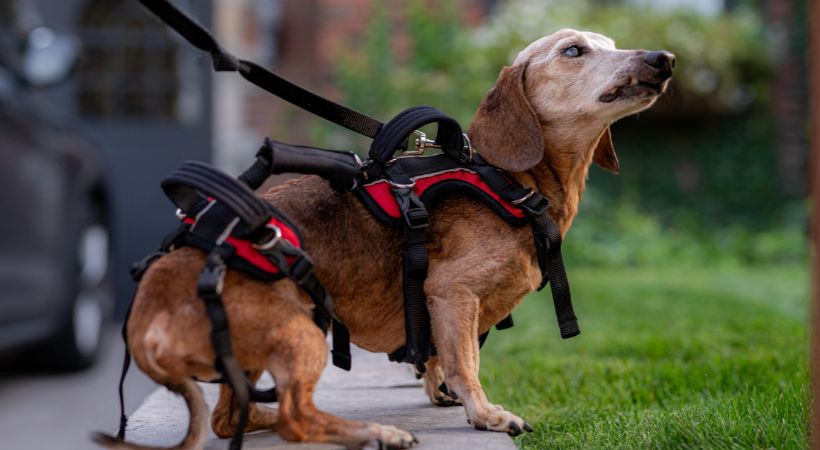
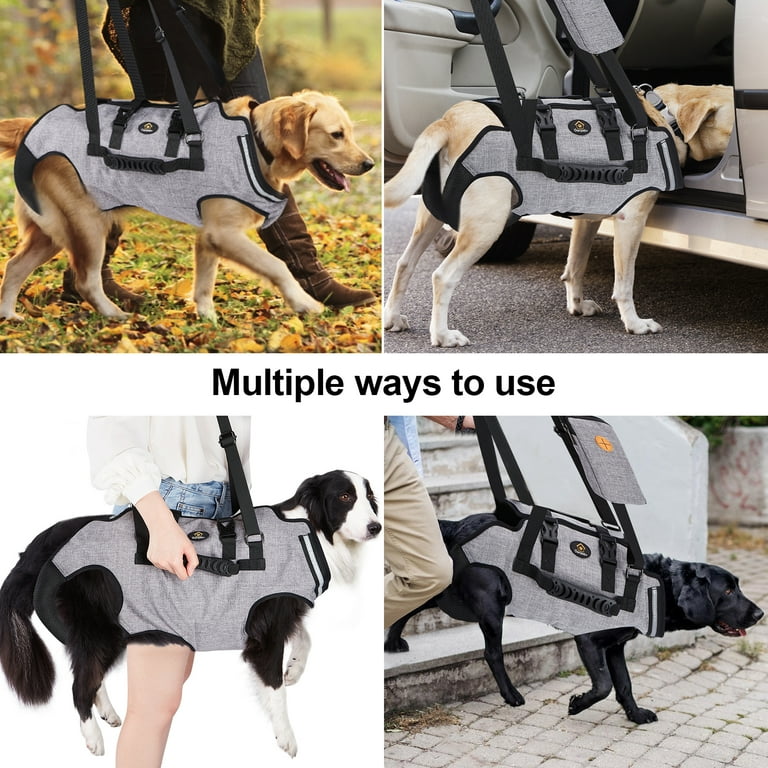
A carrying harness is useful for large dogs. It spreads weight evenly across the body. Harnesses reduce pressure on your arms. They often have handles for better grip.
Use a harness during:
- Long walks with tired dogs.
- Helping injured or weak dogs.
- Transporting dogs in crowded areas.
Pick a harness that fits well and supports your dog’s weight. Check straps and padding for comfort.

Credit: www.amazon.com
Preparing Your Dog For Lifting
Prepare your dog by calming them and gaining their trust before lifting. Support their body carefully to keep them comfortable and secure. Practice gentle lifts to help your dog feel safe during the process.
Preparing to lift a large dog requires thoughtful planning. Ensuring your dog feels safe and secure is key. This preparation will make the lifting process smoother and stress-free.Calming Your Dog
Start by creating a peaceful environment. Speak in a soft, soothing voice to ease your dog’s nerves. Gently pet your dog, focusing on areas they enjoy. This helps them relax and reduces anxiety. Play calming music if possible, as it can soothe both you and your dog.Checking For Injuries
Examine your dog for any signs of pain or discomfort. Look for limping, swelling, or tenderness. If your dog shows any signs of injury, consult a veterinarian before lifting. Ensure your dog is healthy and strong enough for lifting.Getting Your Dog Comfortable
Familiarize your dog with the lifting process. Practice gentle lifts while on the ground. Use treats and positive reinforcement to build trust. Ensure your dog feels secure in your arms. This step helps your dog associate lifting with positive experiences.Step-by-step Lifting Guide
Lifting a large dog safely requires careful steps. This guide helps you carry your dog without hurting yourself or your pet. Follow these clear instructions to make the process smooth and secure.
Positioning Yourself Correctly
Stand close to your dog to reduce strain on your back. Face your dog squarely to keep balance. Bend your knees, not your waist, to prepare for the lift. Keep your feet shoulder-width apart for a strong base.
Supporting The Dog’s Chest And Hindquarters
Slide one arm under your dog’s chest. Use the other arm to support the hindquarters. Hold firmly but gently to avoid discomfort. This distributes weight evenly and keeps your dog stable.
Maintaining Proper Posture
Keep your back straight throughout the lift. Lift with your legs, not your back. Hold the dog close to your body to reduce pressure. Avoid twisting your torso while carrying your dog. Take slow, steady steps to keep balance.
Safety Tips For You And Your Dog
Carrying a large dog requires care to keep both safe. Using the right techniques reduces risks of injury. Your dog should feel secure and calm during the lift. Your body must be protected from strain and sudden pulls.
Avoiding Common Mistakes
Never lift your dog by the legs or tail. This causes pain and possible injury. Avoid twisting your back while holding your dog. Keep your back straight and bend your knees instead. Do not carry your dog too far if it struggles. Stop and try again calmly to avoid accidents.
Using Assistive Tools
Use a dog harness designed for lifting heavy dogs. Harnesses distribute weight evenly and improve grip. A sturdy dog carrier can help for short trips. Use straps or handles that fit your hand well. Pads or blankets inside carriers protect your dog’s comfort.
Handling Sudden Movements
Large dogs can panic or move suddenly during lifts. Hold your dog firmly but gently to reduce stress. Speak softly to calm your dog and keep it relaxed. Keep your body balanced to avoid falling. Have a helper nearby to assist if needed.
Alternatives To Carrying
Carrying a large dog can be challenging and sometimes unsafe for both you and your pet. Luckily, there are smart alternatives that make transporting your furry friend easier without the strain of lifting. These options can also offer more comfort and security for your dog during trips.
Using Dog Strollers
Dog strollers are a fantastic alternative if your dog tires easily or has mobility issues. They come in various sizes and designs, allowing you to choose one that fits your dog’s weight and personality.
Imagine taking your dog on a walk through a busy park without worrying about their paws or legs. Strollers provide protection from rough terrain and keep your dog safe in crowded areas. Plus, many models have storage space, so you can bring treats and toys along.
Transporting With Crates Or Carriers
Crates and carriers offer secure spaces that help your dog feel calm while traveling. They are especially useful for car rides, providing a familiar, cozy spot that reduces anxiety.
Choose a crate or carrier with enough room for your dog to stand, turn around, and lie down comfortably. This keeps your pet relaxed and prevents injuries. Have you considered how a properly sized crate might reduce stress for your dog during long trips?
Seeking Professional Help
If carrying or transporting your dog yourself feels overwhelming, professional pet transportation services can be a great solution. Experts know how to handle large dogs safely and can tailor travel plans to your dog’s needs.
Using professionals can save you time and reduce stress, especially during moves or vet visits. Would trusting a trained handler give you peace of mind knowing your dog is in safe hands?
Credit: www.walmart.com
Frequently Asked Questions
How Can I Safely Lift A Large Dog?
To safely lift a large dog, crouch close, support their chest and hind legs firmly. Use your legs to lift, not your back. Always ask for help if the dog is heavy or resists.
What Equipment Helps Carry A Large Dog Easily?
Using a sturdy dog sling, harness, or pet carrier designed for large breeds ensures comfort. These tools distribute weight evenly and reduce strain on your back.
When Should I Carry My Large Dog?
Carry your large dog during emergencies, injuries, or when terrain is unsafe. Avoid carrying them for long periods to prevent discomfort.
How To Train A Large Dog To Be Carried?
Start with short lifting sessions paired with treats. Gradually increase duration while keeping your dog calm. Positive reinforcement helps them accept being carried.
Conclusion
Carrying a large dog can be safe and comfortable with practice. Use the right technique and stay calm. Support your dog’s body well to avoid strain. Take breaks if needed to rest yourself and your dog. Always watch your dog’s reactions and adjust your hold.
This helps build trust and keeps both safe. Remember, patience and care make the process easier. Try different methods to find what works best. Your dog will feel secure and loved every step. Keep these tips in mind for happy, safe carrying.

Emily Barker is the founder of ChillDogLife.com, a space dedicated to helping pup parents discover the best dog products, lifestyle tips, and cozy ideas for happier homes.
A lifelong dog lover, Emily combines her passion for pets with a knack for research to share trusted recommendations on everything from toys and furniture to health and everyday care.
Her goal is simple: to make life easier, stylish, and more joyful for dogs and the people who love them.




