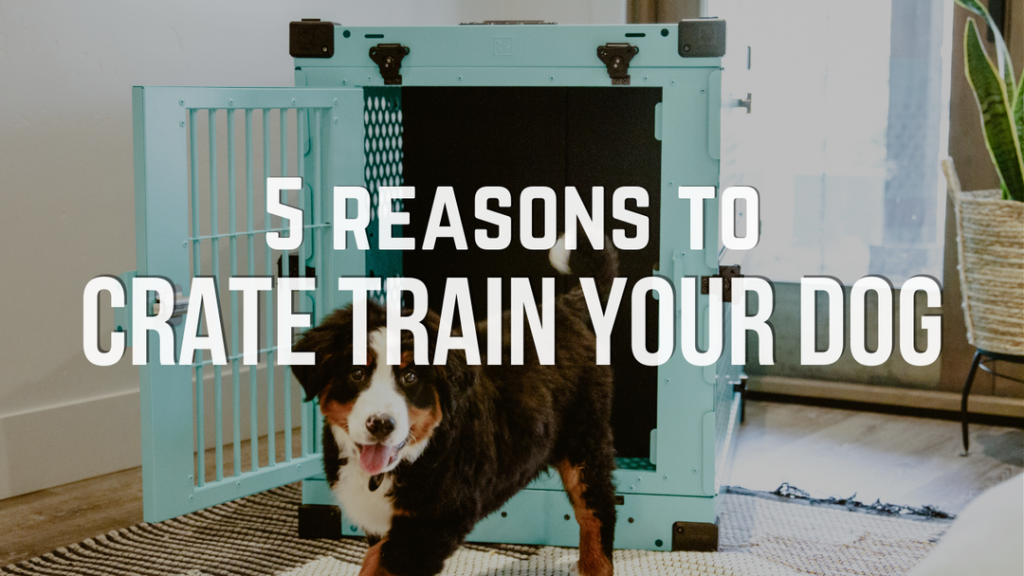
If you want your dog to feel safe and comfortable at home, crate training is a great place to start. It’s not just about teaching your pet to stay in a crate—it’s about creating a cozy space where your dog can relax and feel secure.
You might wonder how to begin or worry if your dog will like it. Don’t worry, this guide will walk you through simple, effective steps to make crate training easy and stress-free for both you and your furry friend. Keep reading to discover how to turn a crate into your dog’s favorite spot.

Credit: www.monsterk9.com
Benefits Of Crate Training
Crate training offers more than just a cozy spot for your dog. It creates a sense of order and calm that benefits both you and your pet daily. Understanding its key advantages can help you see why this training method works so well.
Safety And Security
Your dog’s crate becomes their personal safe zone. It’s a place where they can retreat and feel protected from loud noises or stressful situations. This sense of security can reduce anxiety and help your dog relax, especially during thunderstorms or when guests visit.
Think about how a quiet corner helps you unwind after a busy day. Your dog experiences the same comfort in their crate. Have you noticed your dog seeking out small, enclosed spaces when they need a break? That’s their instinct at work.
House Training Aid
Crate training is a powerful tool for teaching your dog where and when to go potty. Dogs naturally avoid soiling their sleeping area, so a crate encourages them to hold it until they’re let outside. This can speed up the house training process significantly.
Consistency is key here—you’ll need to take your dog out regularly and praise them for going outside. How often do you think your dog needs bathroom breaks? Adjust your schedule to meet their needs and watch progress happen faster.
Preventing Destructive Behavior
Leaving your dog unsupervised can sometimes lead to chewed furniture or scattered belongings. A crate limits access to tempting items while still giving your dog a comfy space to rest. This helps prevent bad habits before they start.
Many owners share how crate time stops their dog from getting into trouble when they’re not around. Have you ever wondered if your dog might be bored or anxious when left alone? A crate can help manage those feelings by providing structure and routine.

Credit: www.skipperspetproducts.com
Choosing The Right Crate
Choose a crate that fits your dog comfortably, allowing room to stand and turn around. Ensure it has good ventilation and is made from safe, durable materials. A proper crate helps your dog feel secure and supports effective training.
Choosing the Right Crate Selecting the perfect crate for your dog is a crucial step in successful crate training. The right crate ensures your dog feels safe, secure, and comfortable. It’s not just about picking any box; it’s about choosing a space that your dog will love and consider their own cozy den.Size And Comfort
A crate should be large enough for your dog to stand, turn around, and lie down comfortably. If your dog is still a puppy, consider their adult size to avoid buying multiple crates. Remember, a crate that’s too big can make your dog feel insecure, while one that’s too small will be uncomfortable. Use a soft mat or blanket at the bottom of the crate for added comfort. This simple addition can make the crate more inviting and help your dog settle in quicker. Have you ever noticed how we love to curl up with a warm blanket? Your dog feels the same way!Material Options
Crates come in a variety of materials like wire, plastic, and fabric. Wire crates offer good ventilation and visibility, making them ideal for homes with good airflow. Plastic crates provide a den-like atmosphere and are perfect for travel due to their sturdy build. Fabric crates are lightweight and easy to fold away, but they might not withstand a chewer. Consider your dog’s behavior and lifestyle when choosing the material. Does your dog enjoy chewing or do they prefer a cozy, enclosed space?Portability Features
If you travel frequently, portability is an essential feature to consider. Look for crates with easy collapsible designs and handles for convenience. A portable crate ensures your dog has a familiar place wherever you go, reducing their stress. A friend once mentioned how a portable crate transformed her travel experiences with her dog. It became their dog’s home away from home, making trips less daunting for everyone involved. Isn’t it amazing how a simple choice can enhance both your and your dog’s life?Preparing The Crate
Preparing the crate sets the foundation for a positive crate training experience. Your dog needs to see the crate as a safe, inviting space—not a place of punishment. Creating comfort and interest around the crate helps your dog approach it willingly and feel secure inside.
Adding Comfortable Bedding
Start by placing soft bedding inside the crate. A cozy blanket or a dog bed designed for crate use makes the space inviting. Avoid thick beds that take up too much room; your dog should have enough space to move comfortably.
Think about your dog’s preferences. Does your dog like a firmer surface or something plush? Testing different options can make a big difference in how fast your dog settles in.
Introducing Toys And Treats
Adding toys and treats turns the crate into a fun place. Use safe chew toys or puzzle toys that keep your dog entertained. You can also toss in high-value treats to encourage your dog to enter willingly.
Try hiding treats inside toys or at the back of the crate. This encourages your dog to explore the space positively. Have you noticed how a favorite toy can change your dog’s attitude toward new places?
Positioning The Crate
Where you place the crate matters more than many realize. Choose a spot where your dog can see family activities but also have quiet time. A corner in the living room or bedroom often works well.
Avoid placing the crate in direct sunlight or drafty areas. Your dog should feel comfortable temperature-wise. Could the crate’s location affect how often your dog chooses to use it?
Introducing Your Dog To The Crate
Introducing your dog to the crate is a crucial part of crate training. It sets the foundation for your dog to see the crate as a safe and comfortable space rather than a place of confinement. How you start this introduction can make a huge difference in your dog’s willingness to accept the crate.
Encouraging Voluntary Entry
Allow your dog to explore the crate at their own pace. Place the crate in a common area where your dog likes to hang out. Leave the door open and toss in a few treats or favorite toys inside to spark curiosity.
Have you noticed how your dog’s interest peaks when treats or toys are involved? Use that natural motivation to encourage them to step inside without force. Your calm patience here builds trust and makes the crate inviting.
Using Positive Reinforcement
Reward every small step your dog takes towards the crate. Praise them with gentle words or offer a treat immediately after they enter or even sniff the crate. This positive association helps your dog link the crate to good experiences.
Try to keep your tone upbeat and your rewards consistent. Your dog quickly learns that good things happen around the crate, which reduces anxiety and resistance over time. Have you tried making the crate a cozy den by adding soft bedding? That extra comfort can boost positive feelings too.
Short Initial Sessions
Start with brief crate sessions to avoid overwhelming your dog. Close the door for just a few seconds initially, then gradually increase the time as your dog grows comfortable. Always stay nearby so they don’t feel abandoned.
Think about your own experience—how do you feel when left alone in an unfamiliar space? Your dog likely feels the same. Short, supervised sessions help them adjust without stress. Are you ready to observe your dog’s cues and adjust timing accordingly?
Building Crate Time Gradually
Building crate time gradually is important for your dog’s comfort and trust. It helps your dog see the crate as a safe space. Start with short periods and slowly increase the time spent inside. This approach prevents stress and makes crate training more effective.
Increasing Duration Slowly
Begin with just a few minutes in the crate. Let your dog explore the crate without closing the door at first. Then, close the door for short periods while you stay nearby. Gradually add more time each day. Watch your dog’s behavior to avoid signs of anxiety.
Staying Calm During Crate Time
Your calm energy helps your dog feel secure. Speak softly and avoid rushing when placing your dog in the crate. Use a gentle tone to reassure them. Avoid sudden movements or loud noises that could startle your dog. Calm moments make the crate a peaceful place.
Avoiding Negative Associations
Never use the crate as punishment. It should be a positive space for your dog. Offer treats, toys, or comfort items inside the crate. Praise your dog for going in willingly. Keep the crate area clean and cozy. Positive experiences build trust and willingness to stay inside.

Credit: pupford.com
Handling Common Challenges
Crate training a dog can present some challenges. Patience and consistency help solve most problems. Understanding common issues prepares you to handle them calmly. This way, your dog learns faster and feels safe.
Managing Whining And Barking
Dogs often whine or bark in the crate to get attention. Ignoring these sounds teaches them that noise won’t open the door. Only let your dog out when they are quiet. Use a calm voice to praise silence. Giving treats for calm behavior helps, too.
Dealing With Accidents
Accidents in the crate happen, especially with puppies. Clean the crate thoroughly to remove odors. Avoid scolding your dog for accidents inside. Make sure your dog has enough bathroom breaks. A crate size that fits well can reduce accidents.
Adjusting For Separation Anxiety
Some dogs feel anxious when left alone in a crate. Start with short crate times and slowly increase them. Leave a special toy or blanket for comfort. Use soft music or white noise to calm your dog. Seek advice from a vet if anxiety is severe.
Maintaining Crate Training Success
Maintaining crate training success takes more than just initial effort. It requires ongoing attention to your dog’s needs and a commitment to keeping the crate a safe, positive space. The way you manage the routine, breaks, and adjustments as your dog grows can make all the difference in lasting good behavior.
Consistent Routine
Dogs thrive on predictability. Setting a consistent daily schedule for crate time helps your dog understand when to expect rest and when to be active. Try to crate your dog at similar times each day, such as after meals or during quiet hours.
Consistency also means sticking to the same commands and rewards around crate use. Have you noticed how your dog reacts differently when the routine changes unexpectedly? That’s a clear sign they rely on structure.
Regular Crate Breaks
Crates are not meant for long-term confinement. Make sure your dog gets regular breaks to stretch, play, and relieve themselves. This keeps them comfortable and prevents frustration or anxiety.
Plan breaks based on your dog’s age and energy level. Puppies need more frequent breaks than adult dogs. How often do you check in on your dog during crate time?
Adapting As Your Dog Grows
As your dog matures, their crate needs will change. A small puppy crate might become cramped, so upgrading to a larger one is important. Also, your dog’s tolerance for crate time will likely increase, allowing longer sessions.
Watch for signs your dog needs a change—restlessness or avoidance can mean the crate isn’t meeting their needs anymore. Are you ready to adjust your approach as your dog grows?
Frequently Asked Questions
How Long Does Crate Training Take For A Dog?
Crate training usually takes 1 to 2 weeks with consistent effort. Each dog learns at a different pace. Regular short sessions help dogs adjust comfortably to their crate.
What Size Crate Is Best For My Dog?
Choose a crate that fits your dog standing, turning, and lying down comfortably. Avoid crates that are too large to encourage better training.
How Often Should I Crate Train My Dog Daily?
Crate training sessions should last 15 to 30 minutes several times a day. Gradually increase duration as your dog becomes comfortable and relaxed inside the crate.
Can Crate Training Prevent Destructive Behavior?
Yes, crate training can reduce destructive behavior by providing a safe, secure space. It helps dogs learn self-control and reduces anxiety when used properly.
Conclusion
Crate training helps your dog feel safe and calm. It builds good habits and makes house training easier. Stay patient and consistent every day. Praise your dog for small successes. Keep sessions short and fun to avoid stress. Your dog will learn to enjoy the crate.
A happy dog means a happy home. Keep practicing, and you’ll see great results soon.

Emily Barker is the founder of ChillDogLife.com, a space dedicated to helping pup parents discover the best dog products, lifestyle tips, and cozy ideas for happier homes.
A lifelong dog lover, Emily combines her passion for pets with a knack for research to share trusted recommendations on everything from toys and furniture to health and everyday care.
Her goal is simple: to make life easier, stylish, and more joyful for dogs and the people who love them.




