Finding the perfect dog collar starts with one simple step: measuring your dog the right way. If you get it wrong, the collar could be too tight, causing discomfort, or too loose, making it easy for your dog to slip out.
You want a collar that fits just right—safe, comfortable, and secure. In this guide, you’ll learn exactly how to measure your dog’s neck quickly and accurately. By the time you’re done, you’ll feel confident choosing a collar that your furry friend will love to wear every day.
Keep reading to make sure you never guess collar size again!
Choosing The Right Collar Type
Choosing the right collar type is key for your dog’s comfort and safety. Different collars serve different purposes and suit various dog behaviors. Picking the right one helps avoid discomfort and injury. It also makes walks more enjoyable for both you and your dog.
Flat Collars
Flat collars are the most common and simple type. They fit around the dog’s neck like a belt. These collars are good for holding ID tags and basic control. They come in many colors and materials. Make sure the collar fits snugly but not too tight. You should be able to fit two fingers between the collar and your dog’s neck.
Martingale Collars
Martingale collars tighten slightly when the dog pulls. They prevent dogs from slipping out of the collar. These collars are popular for dogs with narrow heads, like Greyhounds. They offer more control without choking the dog. Always check that the collar loosens again when your dog stops pulling.
Harness Alternatives
Harnesses wrap around the dog’s chest and shoulders. They reduce strain on the neck and throat. Harnesses are great for dogs that pull or have respiratory issues. They provide better control on walks. Choose a harness that fits well and does not rub the skin.
Tools Needed For Measurement
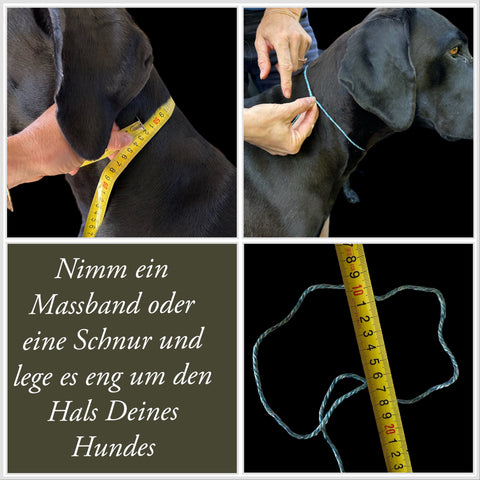
A soft measuring tape or a piece of string works best for measuring a dog collar. A ruler or a flexible tape helps check the exact length needed. Keeping tools handy makes measuring simple and accurate.
When it comes to measuring your dog’s collar, having the right tools can make all the difference. You want to ensure a comfortable fit that keeps your furry friend safe and stylish. Before you start, gather a few essential items that will make the process smooth and accurate. Let’s dive into the tools you’ll need to measure your dog’s collar properly.Measuring Tape Or String
A measuring tape is your best friend for an accurate collar measurement. It’s flexible and can easily wrap around your dog’s neck without causing discomfort. If you don’t have a measuring tape handy, a piece of string can do the trick. Simply wrap the string around your dog’s neck, mark where it overlaps, and measure it with a ruler. This makeshift method is a lifesaver when you’re in a pinch but still want precision.Pen And Paper
Once you have your measurement, jot it down immediately. A pen and paper are perfect for this task. They ensure you won’t forget the size, especially if you’re shopping online or visiting a pet store later. Writing it down also helps if you’re comparing different sizes or brands. Plus, keeping a record means you can track any changes as your dog grows or if you just want a new look for your pup. By preparing with these simple tools, you’re setting yourself up for success in finding the perfect collar. Not only will your dog thank you for the comfort, but you’ll have peace of mind knowing it’s a perfect fit. How do you ensure your pet’s collar fits just right?Measuring Your Dog’s Neck
Measuring your dog’s neck is the first step to finding the right collar size. A well-fitted collar keeps your dog safe and comfortable. Use a soft measuring tape to get accurate results. Avoid pulling the tape too tight or leaving it too loose.
Finding The Neck Spot
Locate the spot where your dog’s collar usually sits. This is just below the throat and above the shoulders. It may be easier to feel this area with your hand. Make sure your dog is standing or sitting calmly for a precise measure.
Ensuring Comfort And Space
Wrap the measuring tape around the neck spot gently. Leave enough room to fit two fingers between the tape and your dog’s skin. This space allows your dog to breathe and move freely. Too tight or too loose collars can cause discomfort or slipping.
Adjusting For Collar Width
Adjusting the collar width is a key factor in choosing the right collar for your dog. The collar should fit well without causing discomfort or slipping off. Paying attention to the collar width helps ensure your dog’s safety and comfort during walks and playtime.
Matching Collar Width To Dog Size
Smaller dogs need narrower collars. Thin collars suit small breeds like Chihuahuas or Dachshunds. Larger dogs require wider collars. Wide collars provide better support for strong necks in breeds like Labradors or German Shepherds.
Use this simple guide:
- Small dogs: ½ to ¾ inch wide collar
- Medium dogs: 1 inch wide collar
- Large dogs: 1½ inches or wider collar
Choosing the right width helps balance weight and control.
Impact On Comfort And Security
A collar too narrow can dig into your dog’s neck. This causes pain and skin irritation. A collar too wide might feel bulky and heavy. It can also slip off easily if loose.
Proper collar width spreads pressure evenly. This reduces strain on your dog’s neck. It also improves control during walks or training. Comfort leads to better behavior and less stress.
Check the collar fit by sliding two fingers under it. This ensures it is snug but not tight. Adjust collar width for both comfort and safety every time you measure.
Checking The Fit
Checking the fit of your dog’s collar is essential for their comfort and safety. A collar that fits well ensures your dog can move freely without slipping out or feeling choked. A proper fit helps avoid skin irritation and prevents accidents during walks or playtime.
The Two-finger Rule
Use your index and middle fingers to check the collar fit. Slide your fingers between the collar and your dog’s neck. There should be just enough space to fit two fingers comfortably. This rule helps confirm the collar is snug but not tight. Too loose, and the collar may slip off. Too tight, and it can cause discomfort or breathing problems.
Signs Of A Too Tight Or Loose Collar
- Too Tight:Red marks on the neck, difficulty breathing, or constant scratching.
- Too Loose:The collar slides over the head or shifts too much when your dog moves.
- Watch for hair loss or bald spots under the collar.
- Your dog may try to bite or paw at the collar if it feels uncomfortable.
Always adjust the collar to avoid these signs. Check the fit regularly as your dog grows or gains weight.

Credit: starkandco.pet
Tips For Puppies And Growing Dogs
Puppies and young dogs grow quickly. Their neck size changes often. Measuring their collar size needs care. Choosing the right collar size keeps them safe and comfortable. Here are some helpful tips for puppies and growing dogs.
Allowing Room For Growth
Always add extra space when measuring a puppy’s neck. Leave about 1 to 2 inches for growth. This prevents the collar from becoming too tight fast. A collar that fits too snug can hurt or irritate. It also allows room for a small coat or fur.
Regular Re-measurement
Measure your puppy’s neck every few weeks. Their size can change quickly during growth stages. Check the fit by sliding two fingers under the collar. If you cannot slide fingers easily, the collar is too tight. Adjust or replace the collar to keep it comfortable and safe.
Special Considerations For Different Breeds
Measuring your dog’s collar size isn’t a one-size-fits-all task. Different breeds have unique neck shapes and fur types that can affect how a collar fits and feels. Paying attention to these special considerations helps you pick a collar that’s comfortable, safe, and functional for your furry friend.
Short Necks And Thick Fur
Dogs with short necks and thick fur, like Bulldogs or Chow Chows, need collars that won’t get lost in their fur or feel too tight. Measure your dog’s neck by gently pressing your fingers into the fur to find the actual neck size beneath the thick coat.
Adding an extra inch or two to the measurement ensures the collar won’t pinch or irritate the skin. Think about collars with adjustable straps and wider bands—they distribute pressure better and avoid digging into the skin.
Have you noticed your dog scratching at their collar? It might be because the collar is too tight or the fur is getting caught. Always check for signs of discomfort and adjust accordingly.
Long Necks And Slim Build
Breeds like Greyhounds or Whippets have long, slim necks that require a different approach. Measure close to the base of the neck where the collar will sit, making sure not to add too much extra length.
Thin collars with minimal bulk work best here to avoid slipping off or causing imbalance. Also, lightweight materials reduce strain on delicate necks and keep your dog comfortable during walks.
Have you ever struggled to keep a collar from sliding off your dog’s neck? Choosing the right size and style can solve this common problem. Pay close attention to fit and material for these slender breeds to keep their collar secure and comfortable.

Credit: www.amazon.ca
Maintaining Collar Fit Over Time
Keeping your dog's collar fitting just right over time takes a bit of attention. Dogs grow, seasons change, and collars face daily wear. Checking and adjusting the fit regularly helps avoid discomfort or escape risks.
Seasonal Changes
Have you noticed your dog’s neck size shifting with the seasons? Dogs often gain a little weight in winter or shed a bit in summer, affecting collar fit. Plus, thicker fur in colder months can make a collar feel tighter.
Try measuring your dog’s neck every few months to catch these changes early. Loosen or tighten the collar accordingly to keep it snug but comfortable. This small step prevents irritation and ensures safety during all seasons.
Wear And Tear Checks
Inspecting your dog’s collar regularly can save you from unexpected problems. Look for signs like fraying, cracks, or stretched holes that reduce the collar’s effectiveness.
Even the strongest collars weaken over time. If you spot damage, replace the collar promptly to avoid it breaking during a walk or playtime.
Have you checked your dog’s collar lately? Making this a habit can protect your furry friend and give you peace of mind every day.

Credit: lewisandclarkcollarco.com
Frequently Asked Questions
How Do I Measure My Dog’s Neck For A Collar?
Use a flexible tape measure around the dog’s neck base. Ensure it’s snug but not tight. Add two inches for comfort and adjustability.
What Collar Size Fits My Dog Perfectly?
Measure your dog’s neck circumference. Choose a collar size matching this length plus extra space for comfort. Check size charts from collar brands.
How Tight Should A Dog Collar Be?
The collar should fit snugly but allow two fingers between collar and neck. This ensures comfort and safety during wear.
Can I Use A Regular Tape Measure For Collar Size?
Yes, a flexible cloth or tailor’s tape measure works best. Avoid rigid rulers for accuracy on curved necks.
Conclusion
Measuring your dog’s collar is simple and important. It helps keep your pet safe and comfortable. Use a soft tape measure or string to find the neck size. Leave space for breathing and movement. Check the fit often as your dog grows or gains weight.
A properly measured collar prevents slipping or choking. Taking a few minutes to measure saves trouble later. Your dog will thank you with happy walks and playtime. Keep these tips in mind for a perfect collar fit every time.

Emily Barker is the founder of ChillDogLife.com, a space dedicated to helping pup parents discover the best dog products, lifestyle tips, and cozy ideas for happier homes.
A lifelong dog lover, Emily combines her passion for pets with a knack for research to share trusted recommendations on everything from toys and furniture to health and everyday care.
Her goal is simple: to make life easier, stylish, and more joyful for dogs and the people who love them.




