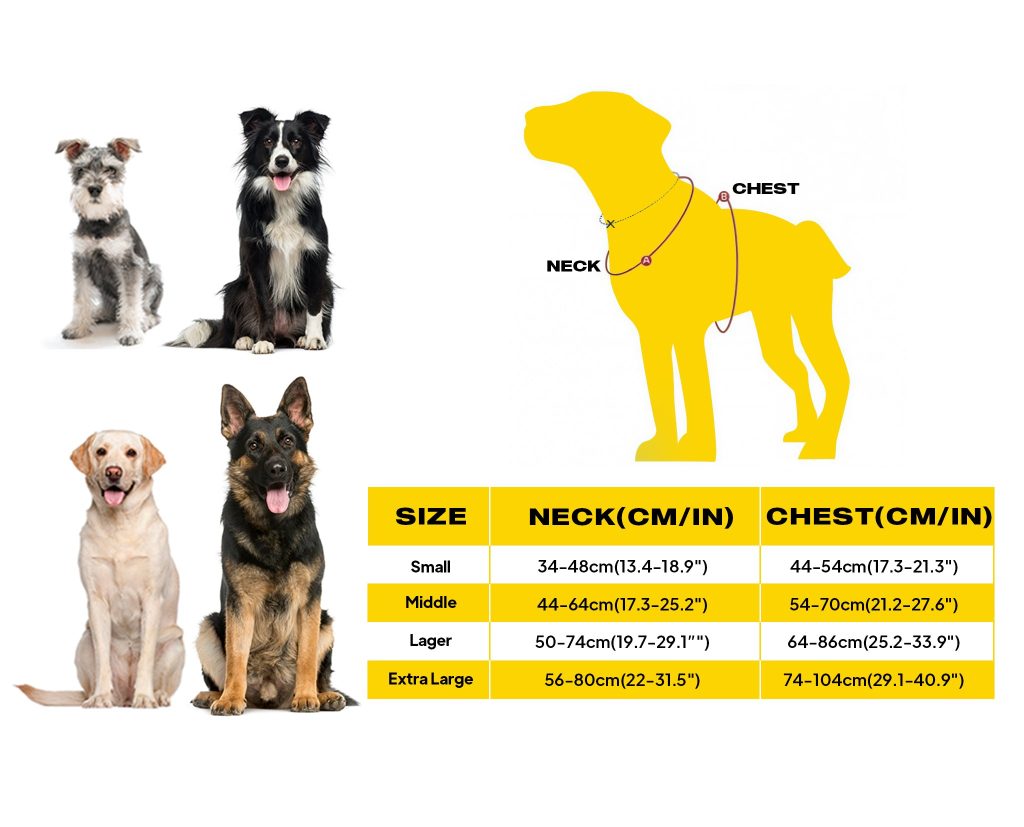
Choosing the right size for your no pull dog collar is more important than you might think. If the collar is too tight, it can make your dog uncomfortable.
Too loose, and it won’t work properly to stop pulling. You want a collar that fits just right—safe, effective, and comfortable for your furry friend. You’ll learn simple, step-by-step ways to measure your dog’s neck accurately. By the end, you’ll feel confident picking the perfect no pull collar that keeps walks enjoyable for both you and your dog.
Keep reading to find out how easy it is!
Credit: pethero.co.za
Choosing The Right Collar Type
Choosing the right no pull dog collar is key to effective training and your dog’s comfort. Different collars suit different dogs and behaviors. Knowing the types helps you pick one that fits your dog's needs and size perfectly.
Types Of No Pull Collars
- Front-Clip Collars:Attach leash at front. They guide dogs gently to walk straight.
- Head Halters:Fit around the dog’s muzzle and neck. They control head movement to reduce pulling.
- Martingale Collars:Tighten slightly when the dog pulls. Prevent slipping without choking.
- Body Harnesses:Fit around chest and back. Distribute pressure evenly to stop pulling.
Benefits Of Proper Fit
- Prevents chafing and discomfort during walks.
- Ensures effective control without hurting the dog.
- Improves safety by keeping the collar secure.
- Helps the dog learn better walking habits faster.
Credit: www.renspets.com
Tools Needed For Measuring
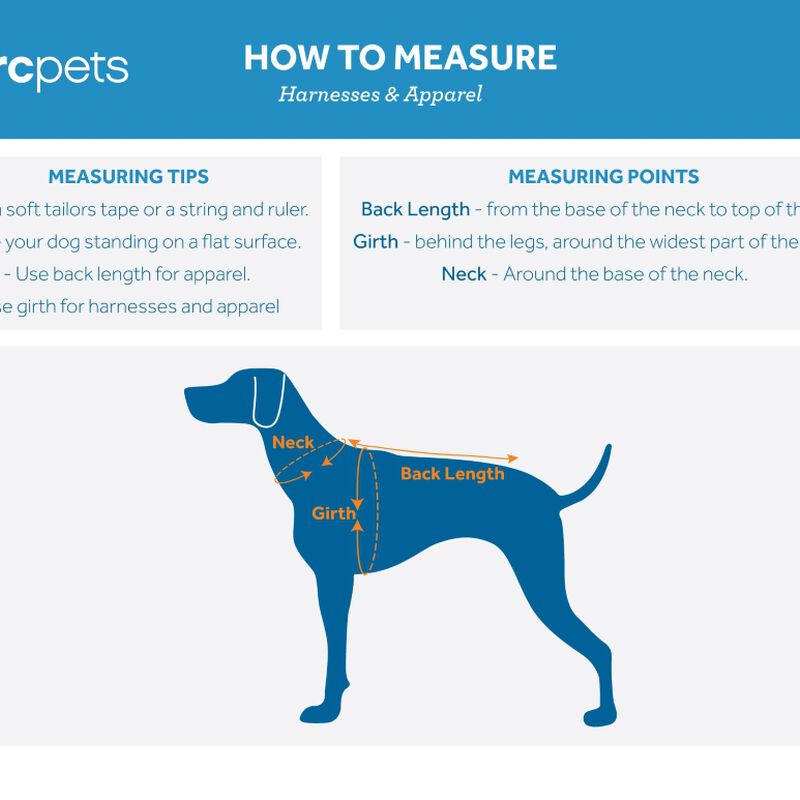
A soft measuring tape works best to find your dog’s neck size for a no pull collar. If unavailable, a piece of string and a ruler can do the job. Make sure to measure snugly but comfortably around the neck.
To ensure the perfect fit for your no pull dog collar, proper measurement is crucial. The right tools make this process easy and precise. Here, we discuss essential tools needed for measuring.Measuring Tape Options
A measuring tape is a must-have tool. Choose a flexible fabric or tailor’s measuring tape. This type wraps easily around your dog’s neck. Avoid stiff metal measuring tapes. They can be difficult to maneuver and may scare your dog. If you don’t have a fabric tape, borrow one or buy it at a local craft store.Alternative Tools
No measuring tape? No problem. Use a string or shoelace. Gently wrap it around your dog’s neck. Mark or hold the point where it meets. Then, measure the string using a ruler or standard tape measure. This method works well in a pinch. Remember, accuracy matters for your dog’s comfort and safety.Measuring Your Dog’s Neck
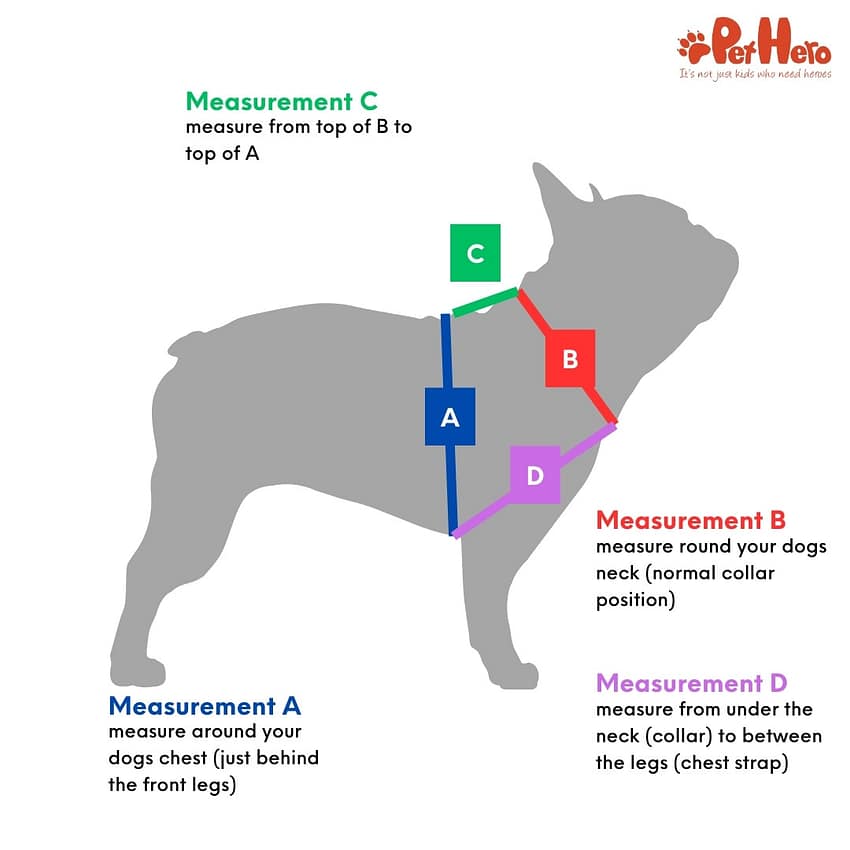
Measuring your dog’s neck is the first step to find the perfect no-pull collar. A well-fitted collar prevents discomfort and slipping. Accurate measurements help keep your dog safe during walks. Use a soft measuring tape or string for best results. Take your time to get the size right.
Positioning The Tape
Place the tape around the base of your dog’s neck. This is where the collar usually sits. Make sure the tape is snug but not tight. Avoid placing the tape too high or too low. Keep it parallel to the ground for accuracy. Hold your dog steady to prevent movement.
Ensuring Comfort
Leave space for two fingers between the tape and neck. This space ensures your dog can breathe and move comfortably. Check that the tape is not too loose either. A collar that is too tight can cause irritation. Adjust the measurement if your dog has thick fur. Always prioritize your dog’s comfort and safety.
Checking Collar Width And Length
Choosing the right collar width and length is key for a no pull dog collar. The correct width ensures comfort and control during walks. Proper length guarantees the collar fits securely without being too tight or loose.
Both measurements affect how well the collar works and how your dog feels wearing it. Take time to check these details before buying or adjusting the collar.
Width Guidelines
Pick a collar width based on your dog’s size and strength. Small dogs need narrower collars, usually 3/8 to 1/2 inch wide. Medium dogs do well with 3/4 inch collars. Large dogs require wider collars, about 1 inch or more. A wider collar spreads pressure better. It prevents discomfort and protects your dog’s neck.
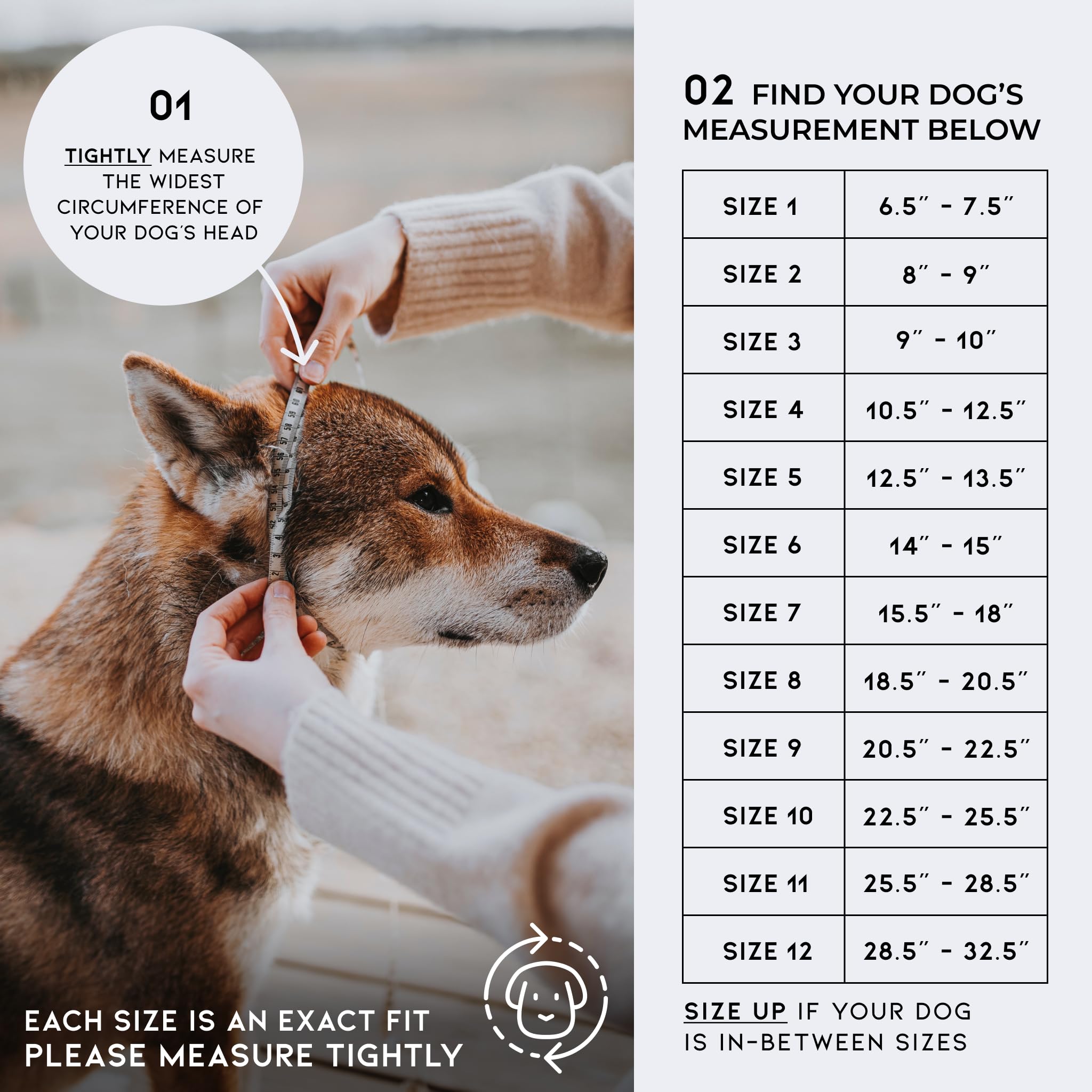
Check your dog’s neck thickness. Measure around the thickest part using a soft tape. Match this measurement with collar width charts from brands. Avoid collars that are too wide, as they might be heavy or bulky for small dogs.
Adjusting Length
Measure your dog’s neck with a flexible tape measure. Wrap it snugly but not tight, about two fingers’ space from the skin. This space allows breathing room and avoids choking.
Collar length should cover this neck measurement plus extra length for adjustment. Most collars offer adjustable straps to fit different neck sizes. Adjust the collar so it sits high on the neck, behind the ears.
Test the fit by slipping two fingers under the collar. It should feel secure but comfortable. A collar too loose risks slipping off. Too tight causes discomfort and breathing issues.
Testing The Fit
Testing the fit of a no-pull dog collar is essential for your dog's comfort and safety. A collar that fits well prevents slipping and avoids choking. Checking the fit involves simple steps to ensure the collar is neither too tight nor too loose. This process helps your dog enjoy walks without discomfort.
Two-finger Rule
The two-finger rule is a quick way to check collar tightness. Slide two fingers between the collar and your dog’s neck. You should feel a snug fit but not tight. If you cannot fit two fingers, the collar is too tight. If you can fit more than two, the collar is too loose. This method keeps your dog safe and comfortable.
Signs Of Tightness Or Looseness
Watch your dog for signs the collar is too tight or loose. A tight collar may cause red marks or hair loss around the neck. Your dog might scratch or paw at the collar often. A loose collar may slip over the dog’s head or hang low. Check for these signs to adjust the collar size correctly.
Credit: www.amazon.com
Adjusting For Growth Or Weight Changes
Adjusting your dog’s no pull collar for growth or weight changes is crucial to keep your furry friend comfortable and safe. Dogs, especially puppies, can grow quickly or fluctuate in weight due to diet or activity changes. Regularly checking and adjusting the collar ensures it neither squeezes too tight nor slips off during walks.
Regular Measurements
Measure your dog’s neck size every few weeks if they are still growing or if you notice weight changes. Use a soft measuring tape and place it around the base of the neck, where the collar usually sits.
Leave enough room to fit two fingers between the tape and your dog’s neck. This helps avoid discomfort and allows some breathing space.
Track these measurements in a notebook or on your phone. This way, you’ll spot trends early and adjust the collar size before problems arise.
When To Replace The Collar
Even if you adjust the collar, some situations call for a replacement. If the collar material becomes worn out, frayed, or loses its ability to tighten properly, it’s time to buy a new one.
Also, if your dog’s neck size changes drastically beyond the collar’s adjustable range, a different size or style will be a better fit.
Think about your dog’s safety and comfort first. Would you rather risk a collar that’s too loose or one that’s too tight? Choosing the right time to replace the collar prevents accidents and keeps your walks enjoyable.
Common Mistakes To Avoid
Measuring your dog’s collar size might seem simple, but there are common mistakes that can cause discomfort or even safety issues. Avoiding these errors ensures your no-pull collar fits perfectly and works effectively. Let’s look at some pitfalls to watch out for.
Overtightening
It’s tempting to tighten the collar so it feels secure, but too tight can hurt your dog. A collar that digs into the skin causes pain and can lead to injuries. You should be able to fit two fingers comfortably between the collar and your dog’s neck.
Think about how you feel wearing a too-tight necklace—unpleasant, right? Your dog feels the same. If the collar leaves marks or irritates the skin, loosen it immediately.
Ignoring Dog’s Comfort
Comfort isn’t just about tightness; the collar’s material and fit matter too. Some collars can chafe or cause hair loss if not suited to your dog’s coat type or skin sensitivity.
Pay attention to your dog’s behavior after putting on the collar. Are they scratching more? Acting restless? These signs mean the collar might need adjustment or a different style.
Have you noticed your dog pulling away when you put on the collar? That’s a red flag you shouldn’t ignore. A well-fitted collar should feel natural, not restrictive or annoying.
Frequently Asked Questions
How Do I Measure My Dog’s Neck For A No Pull Collar?
Use a soft measuring tape to wrap around your dog’s neck. Measure where the collar will sit, usually below the ears. Leave enough space to fit two fingers between the tape and the neck for comfort.
What Size No Pull Collar Fits A Medium Dog?
Measure your dog’s neck circumference first. Medium dogs typically need collars between 14 to 20 inches. Always refer to the collar brand’s size chart for the best fit.
Can I Use A Regular Collar Measurement For A No Pull Collar?
No, no pull collars often require a snug but comfortable fit. Measuring specifically for no pull collars ensures proper control and comfort. Always measure your dog’s neck carefully.
How Tight Should A No Pull Dog Collar Be?
The collar should be snug but not tight. You should fit two fingers comfortably between the collar and your dog’s neck. This prevents chafing and allows room for breathing.
Conclusion
Measuring your dog’s neck size helps find the right no pull collar. A proper fit keeps your dog comfortable and safe. Too tight or loose collars cause problems during walks. Use a soft tape measure and leave space for breathing.
Check the size often as your dog grows or changes weight. The right collar makes walks easier and more enjoyable. Take your time to measure carefully for the best results. Good fitting collars help your dog learn better leash behavior.
Simple steps lead to better walks and happy dogs.

Emily Barker is the founder of ChillDogLife.com, a space dedicated to helping pup parents discover the best dog products, lifestyle tips, and cozy ideas for happier homes.
A lifelong dog lover, Emily combines her passion for pets with a knack for research to share trusted recommendations on everything from toys and furniture to health and everyday care.
Her goal is simple: to make life easier, stylish, and more joyful for dogs and the people who love them.




