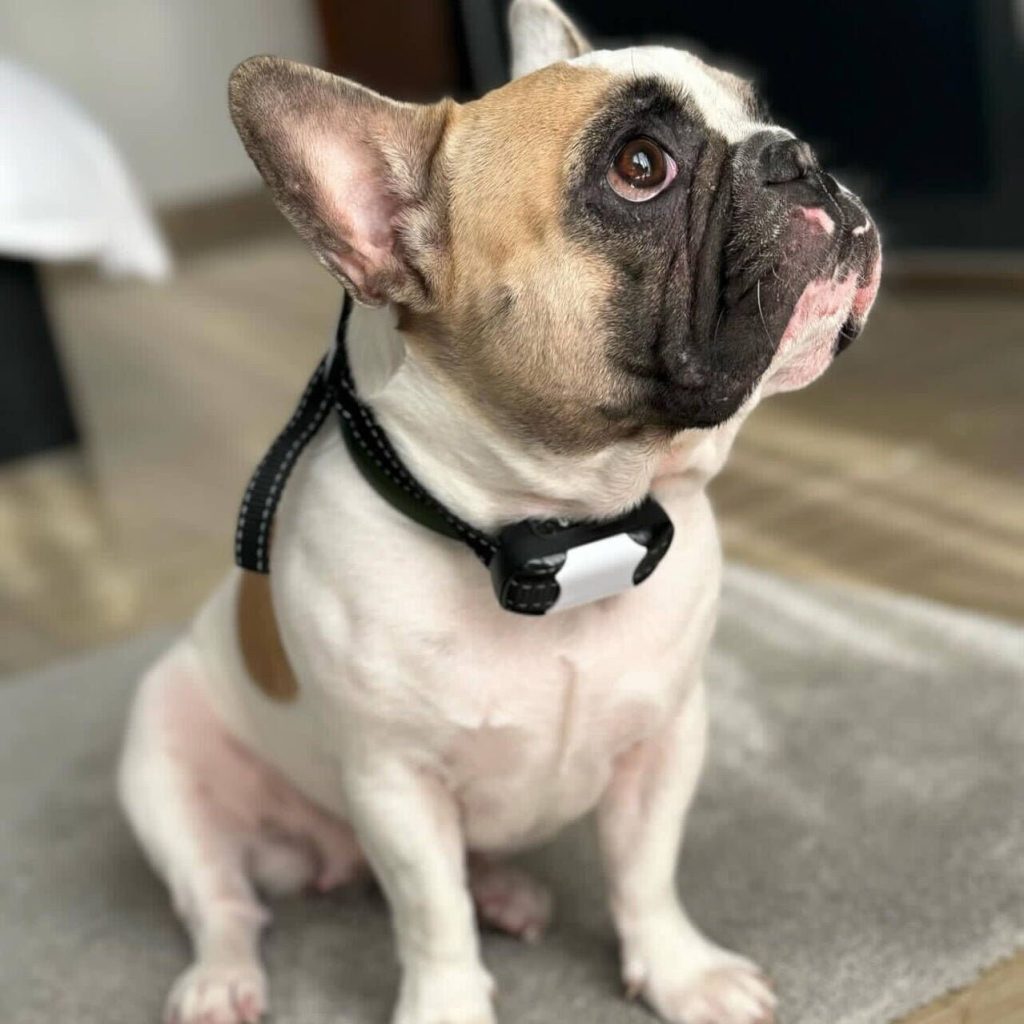
Training your dog with a shock collar can feel tricky and even a bit overwhelming. You want your furry friend to listen, behave, and stay safe—but how do you use this tool the right way?
If you’re wondering how to make shock collar training effective without causing harm or stress, you’re in the right place. This guide will walk you through simple, step-by-step methods to help your dog learn better and faster. Keep reading to discover how you can turn this training tool into a positive experience for both you and your dog.

Credit: www.calmshops.co.uk
Choosing The Right Shock Collar
Choosing the right shock collar is crucial for effective dog training. It helps ensure the collar fits your dog's size and temperament. The right collar makes training safer and more comfortable for your pet. Understanding the types, features, and safety standards can guide your choice.
Types Of Shock Collars
- Static Shock Collars:Deliver a mild electric pulse to get your dog’s attention.
- Vibration Collars:Use vibrations instead of shocks for sensitive dogs.
- Beep and Tone Collars:Emit sounds as warnings before any shock.
- Remote-Controlled Collars:Allow manual adjustment of shock levels during training.
Key Features To Consider
- Adjustable Intensity:Customize shock levels to suit your dog’s size and behavior.
- Range:Check how far the remote can control the collar effectively.
- Battery Life:Look for long-lasting batteries to avoid interruptions.
- Waterproof Design:Useful for dogs that love water or outdoor activities.
- Comfort:Choose collars with soft, adjustable straps for a good fit.
Safety Standards
- Ensure the collar meets international safety certifications.
- Look for collars with automatic shut-off features.
- Choose collars that avoid excessive shock intensity.
- Check for materials safe for your dog’s skin.
- Read user reviews on safety and effectiveness.

Credit: www.pupcarely.com
Preparing Your Dog For Training
Start by letting your dog wear the shock collar for short times to get used to it. Stay calm and patient to help your dog feel safe and focused during training.
Preparing your dog for training with a shock collar requires patience, understanding, and a careful approach. It’s not just about placing the collar on your dog and starting the training. There are key steps you need to take to ensure your dog is comfortable and ready for this new experience. By preparing properly, you can make the training process smoother and more effective for both you and your furry friend.Assessing Your Dog’s Temperament
Not all dogs respond to training in the same way. Some may be more sensitive or anxious, while others may be more resilient and adaptable. Understanding your dog’s temperament is crucial in determining how they might react to a shock collar. Consider how your dog reacts to new environments or commands. Does your dog seem eager to please, or do they require more encouragement? This insight can guide you in customizing a training approach that suits their personality.Introducing The Collar Gradually
A sudden introduction to a shock collar can be overwhelming for your dog. Start by allowing your dog to wear the collar without activating it. Let them get used to the feel of the collar around their neck. This can be done during playtime or walks, when your dog is in a familiar and relaxed environment. Gradually, your dog will associate the collar with positive experiences, making them more receptive to the training sessions ahead.Setting Realistic Expectations
Training your dog with a shock collar doesn’t yield instant results. It’s important to set realistic expectations for both you and your dog. Progress may be slow at first, but consistency is key. Celebrate small victories, like your dog responding to a command, to keep both of you motivated. Ask yourself: What specific behaviors do I want to improve? By focusing on clear goals, you can track progress and adjust your approach as needed, ensuring a positive and rewarding training experience.Starting Basic Commands
Starting basic commands with a shock collar sets the foundation for good behavior. Begin with simple commands like “sit” and “stay.” These commands help your dog focus and respond to your cues. Patience and consistency are key. The collar should support training, not replace your voice and gestures.
Using The Collar With Sit And Stay
Put the collar on your dog with the right fit—snug but comfortable. Ask your dog to sit using a clear, calm voice. If the dog does not sit, use the lowest shock level briefly. The brief correction helps the dog link the command with the action. Praise your dog when it sits. Repeat the process for the “stay” command, increasing time gradually.
Timing The Corrections
Timing is crucial for effective training. Apply the shock immediately after the dog fails to follow the command. Delay can confuse the dog and weaken learning. Use the correction only once per command to avoid stress. Watch your dog’s reactions closely. Adjust the shock level to the minimum that gets attention without causing fear.
Reinforcing Positive Behavior
Positive reinforcement helps your dog learn faster. Give treats or verbal praise when your dog obeys commands without correction. Use the collar as a training tool, not a punishment device. Gradually reduce the use of the shock collar as your dog improves. Consistent rewards encourage your dog to repeat good behavior.
Adjusting Intensity Levels
Adjusting the intensity levels on a shock collar is crucial for effective training and your dog’s well-being. Too little stimulation might not get your dog’s attention, while too much can cause fear or stress. Finding the right balance helps your dog learn commands without discomfort.
Finding The Right Stimulation
Start with the lowest intensity setting on the collar. Observe if your dog notices the stimulus—sometimes a gentle vibration or mild static is enough. Increase the level gradually until your dog responds without showing signs of distress.
Remember, every dog reacts differently. A small Chihuahua may need a much lower setting than a large Labrador. Pay close attention to your dog’s behavior to find that “just right” level.
Avoiding Overcorrection
Overcorrecting with a high-intensity shock can damage your dog’s trust and slow down training progress. Use the collar as a guide, not a punishment tool. If your dog flinches, yelps, or tries to escape, the intensity is too high.
Instead, focus on timing and consistency. Pair corrections with positive reinforcement like treats or praise. This approach keeps your dog motivated and willing to learn.
Monitoring Your Dog’s Response
Watch for subtle signs that your dog is uncomfortable or stressed, such as lip licking, yawning, or avoiding eye contact. If you notice these, reduce the intensity immediately. Training should be a dialogue, not a one-sided command.
Ask yourself: Is your dog learning or just reacting out of fear? Adjust accordingly, and don’t hesitate to pause and reassess your technique. Your dog’s comfort is key to long-term success.
Common Training Mistakes
Training a dog with a shock collar can be effective when done correctly. Avoiding common mistakes improves your dog’s learning and comfort. Many dog owners make errors that slow progress or cause stress. Recognizing these mistakes helps create a positive training experience.
Overusing The Shock Collar
Using the shock collar too often can harm your dog’s trust. The collar should only be a gentle reminder, not a punishment tool. Constant shocks can cause fear and anxiety. Use the collar sparingly and combine it with positive rewards for better results.
Ignoring Signs Of Stress
Dogs often show signs of stress during training. Look for pacing, whining, or avoiding eye contact. Ignoring these signs can damage your dog’s well-being. Stop training if your dog seems scared or uncomfortable. Always prioritize your dog’s emotional health.
Inconsistent Commands
Inconsistent commands confuse your dog and slow learning. Use the same words and tone every time. Mixed signals make it hard for dogs to understand what you want. Clear, steady commands build trust and speed up training success.
Combining Shock Collar With Other Methods
Combining a shock collar with other training methods creates a balanced approach. It helps your dog learn faster and reduces stress. Using gentle techniques alongside the collar builds trust and good habits. Training becomes more effective and humane this way.
Positive Reinforcement Techniques
Positive reinforcement means rewarding good behavior to encourage it. This method focuses on kindness, not punishment. Use treats, praise, or play as rewards. When your dog obeys, give a reward immediately. This helps your dog connect actions with positive results. Pairing this with a shock collar lessens the need for corrections.
Using Treats And Praise
Treats motivate dogs to follow commands eagerly. Choose small, tasty snacks your dog loves. Give a treat right after a correct action. Use a happy voice to praise your dog too. Saying “good dog” or “well done” builds confidence. Treats and praise make training fun and rewarding. This positive vibe lowers fear from the shock collar.
Incorporating Clicker Training
Clicker training uses a small device that makes a clicking sound. The click marks the exact moment your dog does something right. Follow the click with a reward like a treat or praise. This clear signal helps dogs understand commands quickly. Adding clicker training with a shock collar guides your dog gently. It sharpens focus and speeds up learning.
Maintaining Long-term Success
Maintaining long-term success with a shock collar requires consistent effort and attention. Training is not a one-time event but an ongoing process. Keeping your dog’s good behavior means reinforcing lessons regularly and adjusting your approach as needed.
Regular Practice Sessions
Set aside time daily or weekly for training. Short, focused sessions work best. Consistency helps your dog remember commands and rules. Practice in different locations to strengthen learning. Use the collar as a prompt, not a punishment. Reward good behavior with praise or treats.
Gradual Reduction Of Stimulation
Slowly reduce the intensity of the shock collar. Start with the lowest effective setting. As your dog learns, lessen the stimulation over time. This helps avoid dependence on the collar. The goal is to encourage self-control and good habits. Always watch your dog’s reaction closely.
Ongoing Behavior Monitoring
Keep a close eye on your dog’s behavior daily. Note any changes or signs of stress. Address new or unwanted behaviors quickly. Adjust training methods to fit your dog’s needs. Regular check-ins prevent bad habits from forming. Stay patient and positive throughout the process.

Credit: edog.co.nz
Frequently Asked Questions
What Is The Correct Way To Use A Shock Collar?
Use the shock collar as a training aid, not punishment. Start with the lowest setting. Pair shocks with commands and rewards. Monitor your dog’s reactions to avoid stress or fear.
Can Shock Collars Harm My Dog?
When used properly, shock collars are safe. Misuse or high levels can cause pain or anxiety. Always follow instructions and consult a trainer if unsure.
How Long Should Training Sessions With Shock Collars Last?
Keep sessions short, about 10-15 minutes. Frequent, brief training prevents stress and keeps your dog focused. Stop if your dog shows signs of discomfort.
Are Shock Collars Effective For All Dog Breeds?
Shock collars can work on most breeds but effectiveness varies. Some dogs respond better to positive reinforcement. Tailor training to your dog’s temperament.
Conclusion
Training a dog with a shock collar needs care and patience. Always start with low settings to avoid stress. Use the collar as a guide, not punishment. Reward good behavior with treats and praise. Watch your dog's reactions closely every time.
Consistency helps your dog learn faster and better. Remember, kindness builds trust and good habits. Training takes time, so stay calm and steady. Your dog will respond well with gentle, clear signals. This method can help improve behavior when used correctly.

Emily Barker is the founder of ChillDogLife.com, a space dedicated to helping pup parents discover the best dog products, lifestyle tips, and cozy ideas for happier homes.
A lifelong dog lover, Emily combines her passion for pets with a knack for research to share trusted recommendations on everything from toys and furniture to health and everyday care.
Her goal is simple: to make life easier, stylish, and more joyful for dogs and the people who love them.




