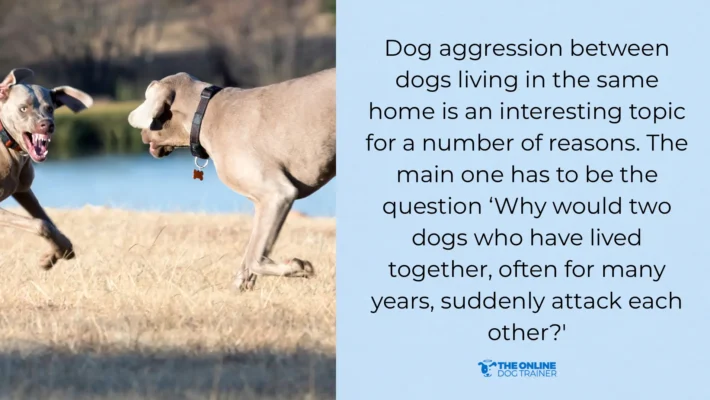
Is your dog showing signs of aggression? It can be scary and frustrating to deal with biting, growling, or lunging.
But you don’t have to feel helpless. Understanding why your dog acts this way is the first step to fixing the problem. You’ll discover simple and effective ways to calm your dog’s aggressive behavior. By the end, you’ll feel more confident and ready to bring peace back to your home.
Keep reading—your dog’s happier, safer future starts here.
Signs Of Aggressive Behavior
Aggressive behavior in dogs can be dangerous if not addressed. It is important to recognize the signs early.
These signs help owners understand when their dog feels threatened or stressed.
Common Aggression Triggers
Dogs may become aggressive due to many triggers. Knowing these triggers helps prevent problems.
- Fear of strangers or other animals
- Protecting food, toys, or territory
- Feeling pain or discomfort
- Surprise or sudden loud noises
- Frustration from being restrained
- Lack of socialization with people or pets
Body Language To Watch
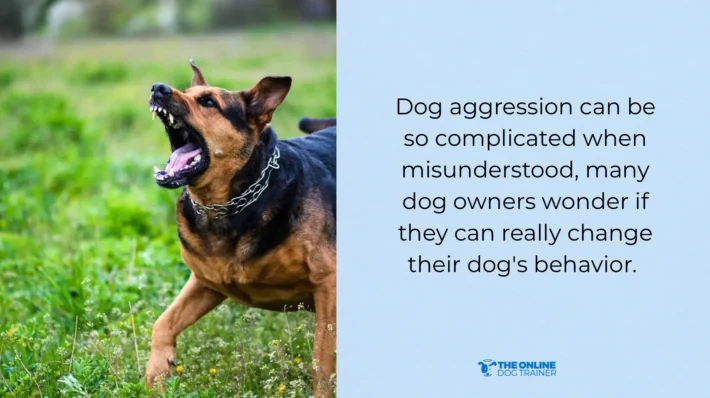
Dogs use body language to show how they feel. Watch these signals to spot aggression early.
- Growling or snarling
- Baring teeth or snapping
- Stiff, tense body posture
- Raised hackles (fur on back)
- Intense staring or avoiding eye contact
- Tail held high or rigid
- Ears pinned back or forward
- Raised lips or wrinkled nose
Credit: theonlinedogtrainer.com
Causes Behind Aggression
Dog aggression can be scary and hard to understand. It is important to know why dogs show aggressive behavior.
Several causes lead to aggression. Knowing these helps owners manage and reduce it.
Genetic Factors
Some dogs inherit aggressive traits from their parents. Genetics can affect a dog’s temperament.
Certain breeds may show more aggressive behavior due to their genes. Early training can help control this.
Environmental Influences
A dog’s surroundings shape its behavior. Stressful or unsafe environments can cause fear and aggression.
Neglect, abuse, or lack of socialization often lead to aggressive actions. Positive experiences build trust and calmness.
- Poor socialization with people and animals
- Loud noises or chaotic homes
- Being threatened or attacked
- Inconsistent training or punishment
Health Issues
Pain and illness often cause dogs to act aggressively. They may growl or bite when hurt.
Medical problems like infections or injuries can change a dog’s mood. A vet check is important for aggressive dogs.
- Arthritis or joint pain
- Dental problems
- Neurological disorders
- Hormonal imbalances
Immediate Safety Measures
Dealing with a dog showing aggressive behavior needs quick action. Safety for everyone is the top priority. Use clear steps to manage risky moments.
Proper tools and calm handling help prevent harm. Keep control of the dog while reducing stress for all involved.
Managing Dangerous Situations
Stay calm and avoid sudden moves around an aggressive dog. Move slowly and speak softly to reduce tension.
- Remove other pets and people from the area.
- Create a barrier with furniture or a gate if needed.
- Do not try to touch or hold the dog during an outburst.
- Use distractions like toys or treats to shift the dog’s focus.
- Call for professional help if the situation worsens.
Using Muzzles And Leashes
Use muzzles and leashes to keep control safely. These tools protect others and help you manage the dog better.
| Tool | Purpose | Key Tips |
| Muzzle | Prevents biting | Fit properly; introduce calmly |
| Leash | Keeps dog close | Use a strong leash; hold firmly |
| Harness | Better control without choking | Choose correct size; check comfort |

Credit: theonlinedogtrainer.com
Training Techniques To Reduce Aggression
Dog aggression can be a serious issue for owners. Training helps reduce aggressive behavior safely.
Using proper methods builds trust and encourages calm responses in dogs.
Positive Reinforcement Methods
Positive reinforcement rewards good behavior with treats or praise. This motivates dogs to repeat calm actions.
- Give a treat when the dog stays calm around triggers.
- Use a calm voice to praise gentle behavior.
- Ignore aggressive actions to avoid giving attention.
- Reward small steps toward better behavior consistently.
Desensitization And Counter-conditioning
This technique changes how a dog feels about things that cause aggression. It starts with very low exposure and increases slowly.
| Step | Description |
| 1 | Expose dog to trigger at a distance without reaction. |
| 2 | Pair exposure with treats or toys. |
| 3 | Gradually decrease distance over time. |
| 4 | Stop if the dog shows stress and try again later. |
Basic Obedience Commands
Teaching simple commands helps control a dog during tense moments. Commands give clear guidance to the dog.
- Teach “sit” to keep the dog still.
- Use “leave it” to stop unwanted focus.
- Practice “come” to regain control quickly.
- Reward obedience with praise or treats.
Behavioral Modification Tools
Fixing dog aggressive behavior needs patience and the right tools. Behavioral modification helps change how dogs react.
Using proper techniques can calm your dog and improve its behavior over time.
Clicker Training
Clicker training uses a small device that makes a clicking sound. It marks good behavior instantly.
This method helps dogs learn which actions please their owners. It rewards positive choices and reduces aggression.
- Use the clicker right when the dog behaves well.
- Give a treat after the click to reward the dog.
- Repeat often to build good habits.
- Keep training sessions short and fun.
Professional Behaviorist Help
A professional dog behaviorist can identify why your dog acts aggressively. They create a plan to manage and reduce aggression.
They use special techniques based on your dog’s needs. Their guidance helps keep training safe and effective.
| Service | Benefit | When to Use |
|---|---|---|
| Behavior Assessment | Find causes of aggression | Early stages of behavior issues |
| Customized Training Plan | Targeted behavior change | After assessment |
| Ongoing Support | Helps maintain progress | During training |
Use Of Calming Aids
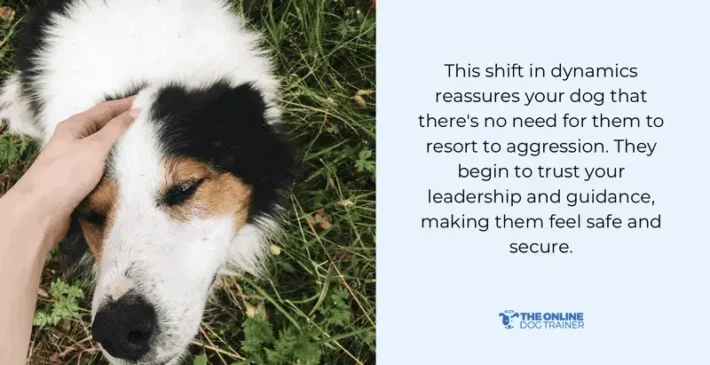
Calming aids help reduce stress in aggressive dogs. They create a peaceful environment that lowers tension.
Common calming aids include:
- Calming collars with pheromones
- Soothing music or white noise
- Thundershirts that apply gentle pressure
- Natural supplements like chamomile
Credit: theonlinedogtrainer.com
Lifestyle Changes To Support Calmness
Changing your dog’s lifestyle can help reduce aggressive behavior. Focus on creating a calm environment for your pet.
These changes can improve your dog’s well-being and decrease aggression. Consistent efforts are key to success.
Exercise And Mental Stimulation
Regular exercise helps to burn off excess energy. A tired dog is often a calmer dog.
Mental stimulation is important too. Puzzle toys and training sessions engage the mind.
- Daily walks of at least 30 minutes
- Interactive toys to challenge the brain
- Simple obedience training at home
Consistent Routine
Dogs thrive on routine. A consistent schedule reduces anxiety and promotes calmness.
Feeding, walking, and playtime should happen at the same times daily. This predictability helps your dog feel secure.
- Set fixed meal times
- Regular walk schedule
- Daily play sessions
Proper Socialization
Socialization teaches your dog how to behave around others. It reduces fear and aggression.
Expose your dog to different environments and people. Ensure these interactions are positive and controlled.
- Introduce new experiences gradually
- Use positive reinforcement
- Attend obedience classes
When To Seek Veterinary Advice
Dog aggression can be concerning for pet owners. Understanding when to seek veterinary advice is crucial. Some behaviors might be linked to underlying health issues.
A veterinarian can help identify medical causes and suggest treatment options. This ensures your dog receives the right care and improves its behavior.
Identifying Medical Causes
Medical issues can lead to sudden aggression in dogs. Identifying these causes early is important for effective treatment.
- Pain from injuries or arthritis
- Thyroid imbalances affecting mood
- Neurological disorders impacting behavior
- Vision or hearing loss leading to fear
Medication Options
Medication can be a part of the solution for aggressive behavior. A vet may prescribe treatments to help manage symptoms effectively.
| Medication Type | Purpose |
| Anti-anxiety drugs | Reduce fear-based aggression |
| Pain relievers | Ease discomfort from injuries |
| Hormone therapies | Address imbalances |
Frequently Asked Questions
What Causes Dog Aggressive Behavior?
Dog aggression often stems from fear, territorial instincts, pain, or lack of socialization. Identifying the cause is key to effective treatment and management. Consulting a vet or behaviorist can help determine specific triggers and develop a tailored intervention plan.
How Can I Safely Manage Aggressive Dogs?
Manage aggressive dogs by using muzzles, leashes, and controlled environments. Avoid sudden movements or loud noises that may provoke aggression. Professional training and gradual exposure to social situations also help improve behavior safely.
Can Training Reduce Dog Aggression?
Yes, consistent positive reinforcement training can reduce aggression. Reward calm behavior and avoid punishment, which may worsen aggression. Training helps dogs learn acceptable social interactions and builds trust with their owner.
When Should I Seek Professional Help For Aggression?
Seek professional help if aggression is frequent, severe, or causes injury. Behaviorists or trainers specialize in aggression and can create effective behavior modification plans. Early intervention often leads to better outcomes.
Conclusion
Fixing dog aggressive behavior takes time and patience. Stay calm and consistent with training. Reward good behavior to encourage positive changes. Avoid punishment; it can make aggression worse. Seek help from a professional trainer when needed. Remember, every dog learns at its own pace.
Safe and happy pets make happy homes. Keep working daily for the best results. You can help your dog become friendly and calm.

Emily Barker is the founder of ChillDogLife.com, a space dedicated to helping pup parents discover the best dog products, lifestyle tips, and cozy ideas for happier homes.
A lifelong dog lover, Emily combines her passion for pets with a knack for research to share trusted recommendations on everything from toys and furniture to health and everyday care.
Her goal is simple: to make life easier, stylish, and more joyful for dogs and the people who love them.




