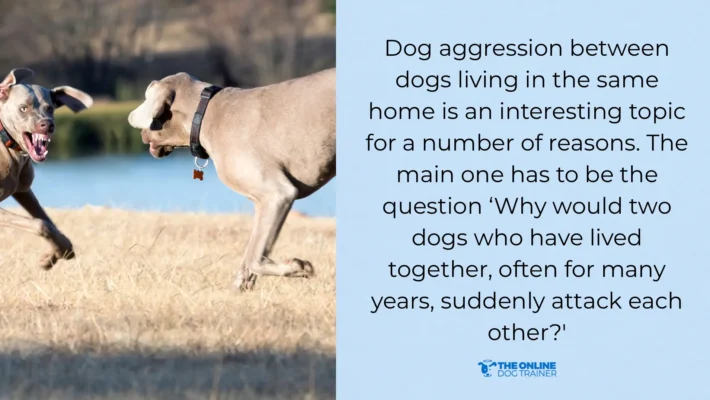
Is your dog showing signs of aggressive behavior? It can be stressful and even scary when your furry friend suddenly acts out in ways you don’t expect.
But don’t worry—you’re not alone, and there are clear steps you can take to help your dog calm down and behave better. You’ll discover simple, effective methods to understand why your dog is aggressive and how you can fix it.
Keep reading, because the peace and happiness of your home depend on what you do next.
Credit: theonlinedogtrainer.com
Causes Of Aggression
Dogs can show aggressive behavior for many reasons. Understanding these causes helps owners manage and fix the problem.
Some causes come from inside the dog, while others come from the outside world or health problems.
Genetic Factors
Some dogs inherit aggressive traits from their parents. Certain breeds may have a higher chance of aggression.
Genetics can affect how a dog reacts to threats or new situations.
Environmental Triggers
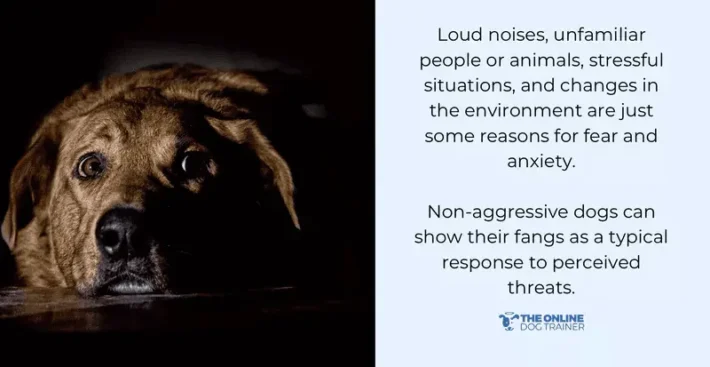
Things around a dog can trigger aggression. Loud noises, strange people, or other animals can cause a dog to react.
A dog may also become aggressive if it feels its space is being invaded or if it is not trained well.
- Loud sounds like fireworks or thunderstorms
- New or unfamiliar people or animals
- Stressful or crowded places
- Poor socialization in early life
Health Issues
Pain or illness can make a dog aggressive. A sick dog may growl or snap to protect itself.
Dental problems, injuries, or conditions like arthritis can cause discomfort and change behavior.
- Infections or wounds
- Chronic pain from arthritis
- Neurological problems
- Hormonal imbalances
Fear And Anxiety
Dogs often act aggressively because they feel scared or anxious. Fear makes them protect themselves.
Changes in environment or routine can increase anxiety and cause aggressive responses.
- Fear of strangers or loud noises
- Separation anxiety
- Past trauma or abuse
- Unfamiliar surroundings
Recognizing Aggressive Behavior
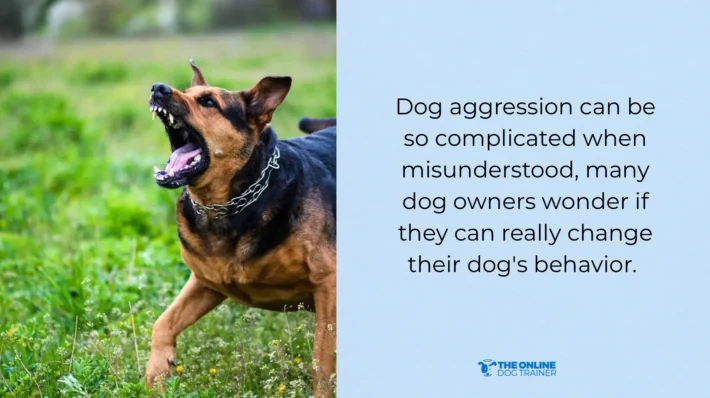
Understanding aggressive behavior in dogs helps keep everyone safe. Dogs show aggression in different ways. Recognizing these signs early is important.
This guide focuses on reading dog body language, knowing types of aggression, and when to get professional help.
Body Language Signs
Dogs use body language to express how they feel. Aggressive dogs show clear signs through their posture and movements.
- Raised hackles (fur on the back stands up)
- Stiff body stance with weight forward
- Bared teeth or growling
- Direct, hard stare without blinking
- Snapping or lunging motions
- Tail held high and stiff or tucked tightly
- Ears pinned back or standing straight up
Types Of Aggression
Different causes create different types of aggression. Each type needs a different approach to fix the behavior.
| Type | Description |
| Fear Aggression | Dog acts to protect itself from a threat. |
| Territorial Aggression | Dog defends its space or home. |
| Possessive Aggression | Dog guards food, toys, or other items. |
| Redirected Aggression | Dog attacks a nearby person or animal when frustrated. |
| Social Aggression | Dog fights with other dogs to show dominance. |
When To Seek Help
Some aggressive behaviors are hard to manage alone. Experts can offer safety and training advice.
- If aggression happens suddenly or gets worse
- If the dog bites or causes injury
- If the dog growls or snaps without clear cause
- If aggression stops the dog from socializing
- If you feel unsafe handling the dog
Preventing Aggression Early
Aggressive behavior in dogs can cause serious problems. Stopping it early helps keep your dog calm. It also makes your home safer.
Using good methods like socialization, rewards, and training helps avoid aggression. These methods work best when done from puppyhood.
Socialization Techniques
Socialization teaches dogs to be comfortable with new people and animals. It lowers fear and stress that cause aggression.
- Introduce your dog to many people of all ages.
- Let your dog meet other dogs in safe places.
- Expose your dog to different sounds and environments.
- Use calm and friendly actions during introductions.
- Watch your dog’s body language to avoid stress.
Positive Reinforcement
Rewarding good behavior helps your dog learn fast. It makes the dog want to repeat calm actions instead of aggression.
- Use treats or toys your dog likes.
- Praise your dog with kind words and petting.
- Give rewards right after good behavior.
- Ignore bad behavior to avoid giving it attention.
- Be patient and consistent every day.
Consistent Training
Training your dog regularly creates clear rules. Dogs feel safe when they know what is allowed.
| Training Aspect | What to Do |
| Commands | Teach simple commands like sit, stay, and come. |
| Routine | Train at the same time daily for best results. |
| Rules | Set clear limits for behavior indoors and outdoors. |
| Owner Role | Stay calm and firm but never harsh. |
| Progress | Increase difficulty slowly to build confidence. |
Behavior Modification Strategies
Fixing aggressive behavior in dogs takes time and patience. You must use clear methods to change their reactions.
Behavior modification involves teaching your dog new ways to respond. This helps reduce aggressive actions safely.
Desensitization And Counter-conditioning
Desensitization helps your dog face triggers slowly. Counter-conditioning changes your dog’s feelings about those triggers.
- Start with low-level exposure to the trigger
- Reward calm behavior with treats or praise
- Increase exposure gradually over several sessions
- Watch your dog’s body language for stress signs
- Repeat until the dog stays calm near the trigger
Impulse Control Exercises
Impulse control exercises teach your dog to wait and think before acting. These exercises build patience and reduce sudden aggression.
| Exercise | Purpose | How to Do It |
| Stay | Build self-control | Ask dog to stay, increase time gradually |
| Wait at Door | Prevent rushing out | Make dog wait before leaving rooms |
| Leave It | Avoid unwanted items | Teach dog to ignore objects on command |
| Wait for Food | Delay gratification | Hold food until dog stays calm |
Redirecting Aggressive Responses
Redirecting changes your dog’s focus from aggression to a positive activity. This helps calm the dog quickly.
Use these tips to redirect your dog:
- Offer a favorite toy to chew
- Ask for a command your dog knows well
- Take a short walk to change the environment
- Use calm voice tones to soothe your dog
Managing Aggression Safely
Aggressive behavior in dogs can be challenging. It’s important to manage it safely. This guide will help you understand how to create a safer environment for everyone.
By using the right tools and techniques, you can reduce risks. Let’s explore some effective methods to handle aggression in dogs.
Using Muzzles And Leashes
Muzzles can prevent bites and keep others safe. They are useful when visiting crowded places. Always choose a comfortable muzzle for your dog.
Leashes give you control over your dog’s movements. A sturdy leash is essential for walking an aggressive dog. Use it to guide and correct your dog’s behavior.
- Choose a basket muzzle for better breathing
- Use a short leash for better control
- Practice using muzzles and leashes at home
Creating Safe Spaces
Safe spaces help dogs feel secure. Create a quiet area where your dog can relax. This space should be free from stress and distractions.
Use barriers to separate your dog from potential triggers. This can be a baby gate or a pet pen. Safe spaces are essential for managing aggression.
- Provide comfortable bedding
- Ensure the area is free of hazards
- Use calming scents and sounds
Supervision And Avoidance
Always supervise your dog when around others. This helps prevent aggressive incidents. Stay alert and watch for signs of stress or aggression.
Avoid situations that trigger aggression. If your dog reacts to certain stimuli, keep them away from those triggers. Prevention is key to managing aggression.
- Watch for signs of anxiety
- Keep interactions short and positive
- Remove your dog from stressful situations quickly
When To Consult Professionals
Aggressive behavior in dogs can be dangerous for the dog and people. Some cases need help from experts.
Knowing when to ask for professional help keeps everyone safe and improves your dog’s behavior faster.
Choosing A Behaviorist
A dog behaviorist studies animal actions and helps fix problems. They use training and behavior plans.
Pick a certified behaviorist with experience in aggression cases. They should use positive methods only.
- Check their credentials and reviews
- Ask about their experience with aggressive dogs
- Make sure they avoid punishment-based training
- Find someone who explains plans clearly
Veterinary Intervention
A vet can find health problems that cause aggression. Pain or illness may make a dog act out.
Get a full health check if your dog’s behavior changes suddenly. The vet can suggest treatments or tests.
- Rule out pain or injury
- Check for neurological issues
- Look for hormone or thyroid problems
- Discuss diet and nutrition effects
Medication Options
Sometimes, medicine helps calm aggressive dogs. Medication works best with training and behavior changes.
Only a vet or behaviorist should prescribe drugs. They will choose the right type and dose for your dog.
- Anti-anxiety drugs to reduce stress
- Antidepressants to improve mood
- Medications to control impulsive actions
- Regular check-ups to adjust treatments
Maintaining Long-term Progress
Fixing aggressive behavior in dogs takes time and patience. Keeping progress steady helps your dog stay calm and happy.
Daily care and attention after training keep the good habits strong. This guide covers ways to maintain long-term progress.
Regular Training Updates
Dogs need ongoing training to keep skills sharp. Regular updates prevent old bad habits from returning.
- Practice commands daily in short sessions
- Introduce new challenges to keep your dog engaged
- Reward calm and friendly behavior often
- Work with a trainer if needed for new techniques
Monitoring Behavior Changes
Watch your dog’s actions closely. Changes can show if the training works or if help is needed.
| Behavior | What to Look For | Action to Take |
| Increased barking | Signs of stress or fear | Check environment and calm your dog |
| Avoidance | Not responding to commands | Repeat training and reward progress |
| Physical aggression | Growling or biting attempts | Seek professional help immediately |
Supporting Emotional Health
Emotional health impacts behavior. A calm dog is less likely to be aggressive.
Ways to support your dog’s emotional health:
- Provide a safe and quiet space for rest
- Keep a consistent daily routine
- Give plenty of physical exercise
- Use positive reinforcement, not punishment
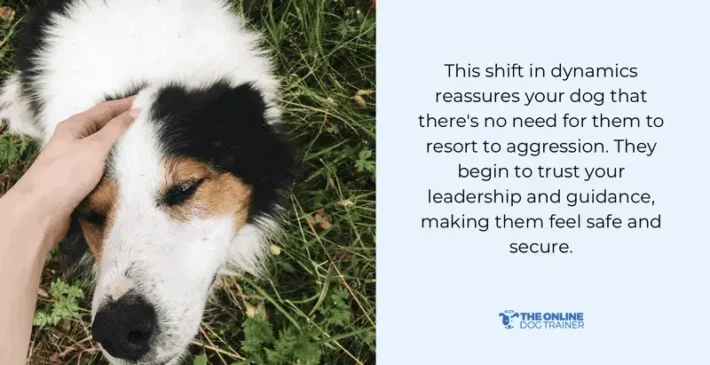
- Spend quality time to build trust
Credit: theonlinedogtrainer.com
Credit: theonlinedogtrainer.com
Frequently Asked Questions
What Causes Aggressive Behavior In Dogs?
Aggression in dogs can stem from fear, pain, territorial instincts, or lack of socialization. Genetics and past trauma also play roles. Identifying the cause helps tailor effective behavior modification and training techniques.
How Can I Safely Approach An Aggressive Dog?
Approach calmly without direct eye contact. Avoid sudden movements or loud noises. Use a soothing voice and let the dog sniff your hand before petting to build trust gradually.
What Training Methods Reduce Dog Aggression Effectively?
Positive reinforcement, consistent commands, and gradual desensitization work best. Avoid punishment, which may increase aggression. Professional trainers can provide tailored behavior modification plans for lasting results.
When Should I Seek Professional Help For Dog Aggression?
Seek help if aggression is severe, sudden, or worsening. Professionals assess underlying issues and guide safe management. Early intervention prevents injuries and improves your dog’s behavior and quality of life.
Conclusion
Fixing aggressive behavior in dogs takes time and patience. Consistent training helps your dog feel safe and calm. Use positive rewards to encourage good actions. Avoid harsh punishments that can make aggression worse. Watch your dog’s body language to prevent problems early.
Seek help from a professional trainer if needed. Remember, a calm dog makes a happy home. Keep practicing daily for lasting results. Your effort can build trust and peace with your pet. Small steps lead to big changes over time.

Emily Barker is the founder of ChillDogLife.com, a space dedicated to helping pup parents discover the best dog products, lifestyle tips, and cozy ideas for happier homes.
A lifelong dog lover, Emily combines her passion for pets with a knack for research to share trusted recommendations on everything from toys and furniture to health and everyday care.
Her goal is simple: to make life easier, stylish, and more joyful for dogs and the people who love them.




