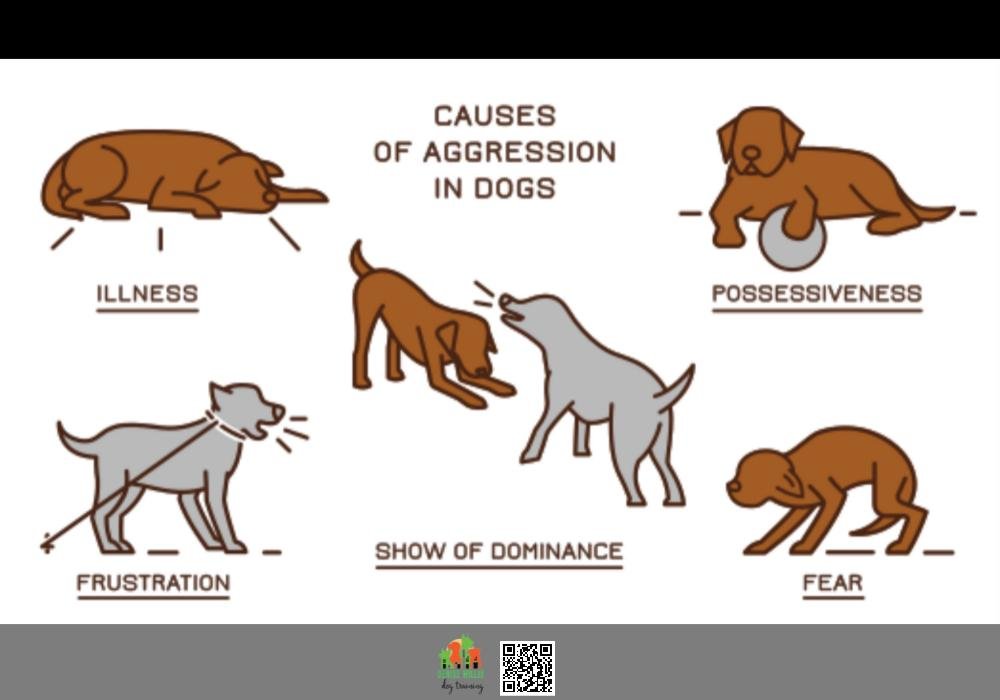
Have you noticed your dog growling or snapping when someone comes near their food or toys? This is known as possessive dog behavior, and it can be both confusing and worrying for you as a pet owner.
Understanding why your dog acts this way is the first step to keeping everyone safe and happy. You’ll discover the real reasons behind possessiveness, how it affects your dog’s mindset, and simple steps you can take to calm these behaviors.
Keep reading, because what you learn here could transform your relationship with your furry friend.

Credit: www.dwdogtraining.com
Signs Of Possessive Behavior
Possessive behavior in dogs means they guard things like toys, food, or people. This can cause problems if not noticed early. Understanding the signs helps keep everyone safe.
Dogs show possessive behavior in different ways. These signs can be subtle or strong. Watching your dog closely helps you spot these behaviors.
Common Triggers
Some things make dogs act possessive. These triggers include food, favorite toys, or a person they like. Dogs may feel the need to protect these items or people.
- Food bowls or treats
- Chew toys or bones
- Owner’s attention or lap
- Sleeping spots or beds
- New people or animals near their items
Body Language Cues
Dogs use body language to show possessiveness. Watch for stiff posture or fixed staring. These signals warn others to keep away.
| Body Language | Meaning |
| Stiff body | Alert and ready to defend |
| Growling or snarling | Warning to stop |
| Direct eye contact | Showing control over item |
| Lip licking or yawning | Stress or discomfort |
| Raised hackles | Excitement or threat |
Typical Aggressive Actions
When dogs feel possessive, they may act aggressively. These actions warn others to stay away or stop touching their items.
- Growling or barking loudly
- Snapping or biting
- Blocking access with their body
- Snarling with teeth showing
- Lunging or charging
Credit: suburban-k9.com
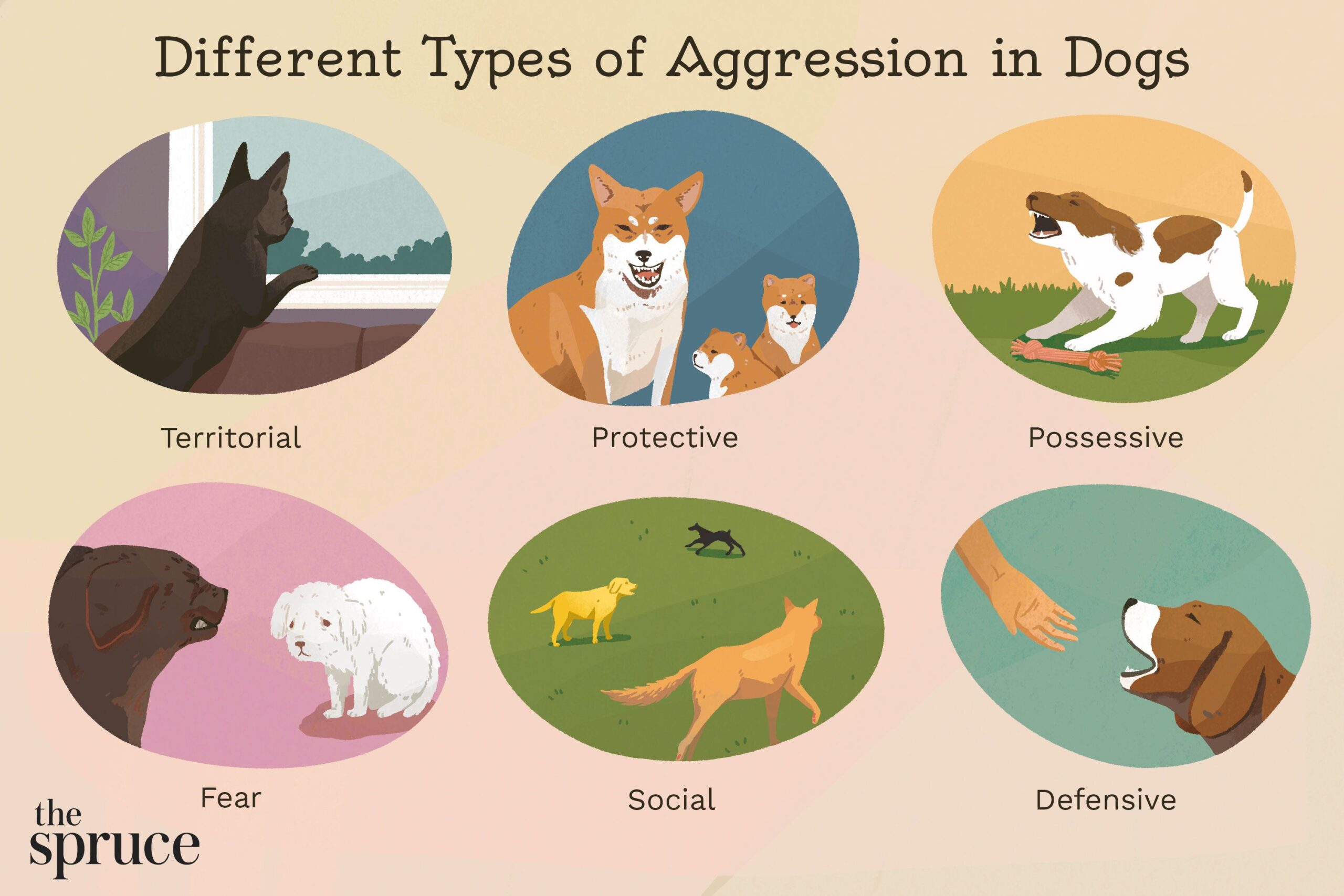
Causes Of Possessive Aggression
Possessive aggression in dogs is a common issue. It occurs when a dog becomes overly protective of objects, people, or spaces. Understanding the root causes can help in managing this behavior.
There are several reasons why a dog might show possessive aggression. Knowing these can aid in finding effective solutions.
Resource Guarding Instincts
Dogs may guard food, toys, or other items. This behavior is natural in many animals. They see these resources as valuable and want to protect them.
This instinct can lead to aggressive behaviors. Dogs might growl, snap, or bite to keep others away from their treasures.
Past Trauma Or Neglect
Some dogs have faced neglect or trauma. These experiences can make them fearful and more prone to aggression.
They might feel the need to guard themselves or their belongings. This is because they fear losing them again.
Lack Of Socialization
Dogs that lack socialization may not know how to behave with others. They might not understand how to share or interact calmly.
This can lead to possessive aggression. They feel threatened when others approach their space or items.
Risks And Consequences
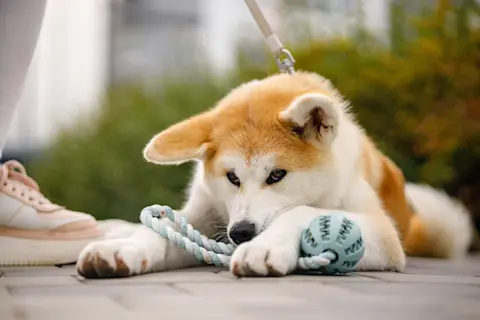
Possessive dog behavior can cause many problems. Dogs may guard toys, food, or people.
This behavior can lead to fights, fear, and safety risks for everyone at home.
Impact On Family Members
Possessive dogs may growl or snap at family members. This causes stress and fear.
Children might feel unsafe around the dog. Adults may avoid certain rooms or items.
- Increased stress at home
- Broken trust between dog and family
- Possible injuries from bites or scratches
Interactions With Other Pets
Possessive dogs can be aggressive toward other pets. They may guard toys or food.
This can cause fights and hurt feelings between pets. It disrupts peace in the home.
- Fights over toys or space
- Injuries between pets
- Increased anxiety for all animals
Safety Concerns
Possessive dogs may bite to protect their items. This is dangerous for everyone.
Visitors or family members may be hurt by surprise attacks. This creates a risky home.
- Bites and scratches
- Damage to property
- Risk of legal issues from injuries
Credit: www.discovermagazine.com
Behavioral Management Techniques
Possessive dog behavior can cause problems for owners. Dogs may guard toys, food, or spaces. Managing this behavior helps keep peace in your home.
Using proper techniques, you can teach your dog to feel safe and share. These strategies reduce possessive actions and build trust.
Positive Reinforcement Training
Positive reinforcement rewards good behavior to encourage it. Use treats, praise, or toys when your dog shares or stays calm.
This training helps your dog learn that sharing is safe. Avoid punishment because it may increase possessiveness and fear.
- Give a treat when your dog lets you take a toy
- Praise calmly when your dog stays relaxed around food
- Reward sharing with other dogs or people
Desensitization Strategies
Desensitization slowly exposes your dog to triggers. Start with low stress and increase exposure over time.
This helps your dog get used to people or animals near prized items. It lowers anxiety and possessive reactions.
- Stand at a distance while your dog has a toy
- Reward calm behavior as you move closer
- Repeat sessions often but keep them short
Establishing Boundaries
Clear rules help your dog understand what is allowed. Set limits on areas, toys, and food access.
Consistent boundaries reduce confusion and possessive behavior. Use commands and routines to enforce these limits.
- Teach commands like “leave it” and “drop it”
- Remove items calmly when needed
- Keep feeding times regular and controlled
Professional Help And Tools
Possessive dog behavior can cause stress for dogs and owners. It requires careful handling to keep everyone safe.
Professional help and specific tools can guide you through managing this behavior well. They support training and safety.
When To Consult A Trainer
Consult a trainer if your dog shows strong guarding or aggressive actions over objects. This may be hard to control alone.
A professional can assess your dog's behavior and create a safe training plan. Early help prevents problems from getting worse.
Use Of Muzzles And Leashes
Muzzles and leashes keep your dog and others safe during training or stressful moments. They control biting risks.
Use a muzzle that fits well and is comfortable. Leashes help manage your dog in public or near other pets.
- Muzzles prevent biting but do not fix behavior
- Leashes give control and prevent sudden lunges
- Use tools as part of a training plan, not alone
Behavioral Therapy Options
Behavioral therapy helps change possessive habits with gentle techniques. It focuses on teaching trust and sharing.
Therapies may include reward-based training, desensitization, and counter-conditioning. These reduce guarding and fear.
- Reward good behavior with treats or praise
- Slowly expose dogs to triggers in a safe way
- Replace negative reactions with calm responses
Preventing Possessive Aggression
Possessive aggression happens when a dog guards toys, food, or space. It can cause problems in your home and with other pets. You can stop this behavior by teaching your dog good habits early.
Preventing possessive aggression helps your dog feel safe and relaxed. It also keeps people and other pets safe from bites or fights.
Early Socialization Tips
Socialize your dog with many people and animals early in life. This reduces fear and possessiveness. Let your dog meet others in calm places to build trust.
Expose your dog to new sounds, sights, and situations. This helps your dog stay calm and less likely to guard objects.
- Introduce your dog to different people gently
- Allow safe playtime with other dogs
- Give treats when your dog stays calm around others
- Practice handling your dog’s toys and food
Consistent Routine And Rules
Dogs feel safe when they know what to expect. Use the same rules every day about toys, food, and space. This reduces confusion and guarding behavior.
Feed your dog in the same place and time daily. Decide who can touch the dog’s items and stick to it. Consistency builds trust and respect.
- Feed your dog on a regular schedule
- Use clear commands for sharing and waiting
- Do not allow growling or snapping
- Reward calm behavior around valued items
Encouraging Sharing Behavior
Teach your dog that sharing toys or space is good. Use treats and praise when your dog shares or lets go of an item. This lowers possessiveness.
Practice trading games where your dog gives an item and gets a treat. This builds positive feelings about giving up objects.
- Offer treats for dropping toys on command
- Play fetch to encourage giving and taking
- Allow gentle petting near toys and food
- Stay calm and patient during sharing exercises
Frequently Asked Questions
What Causes Possessive Dog Behavior?
Possessive dog behavior often stems from insecurity or fear of losing resources. Dogs guard toys, food, or spaces to feel safe. Early socialization and training can reduce this behavior. Understanding triggers helps manage possessiveness effectively.
How Can I Stop My Dog’s Possessive Behavior?
Use positive reinforcement to reward sharing and calm behavior. Avoid punishing, as it may worsen possessiveness. Consistently teach commands like “leave it” and “drop. ” Gradual desensitization to triggers helps your dog feel secure and less possessive.
Is Possessive Behavior In Dogs Dangerous?
Possessive behavior can lead to aggression if ignored. Dogs may growl, snap, or bite to protect valued items. Early intervention and training prevent escalation. Always supervise interactions to keep everyone safe.
Can Possessive Behavior Be A Sign Of Anxiety?
Yes, possessiveness may indicate anxiety or stress in dogs. Dogs guard items to cope with uncertainty or fear. Addressing underlying anxiety through training and environment changes reduces possessiveness.
Conclusion
Possessive dog behavior can cause stress for both pets and owners. Learning to recognize signs early helps manage it well. Consistent training and patience build trust and calmness. Give your dog clear rules and lots of love. Small steps every day lead to big improvements.
A happy dog is one who feels safe and understood. Stay calm and keep working toward better behavior. Your efforts will make a positive difference soon.

Emily Barker is the founder of ChillDogLife.com, a space dedicated to helping pup parents discover the best dog products, lifestyle tips, and cozy ideas for happier homes.
A lifelong dog lover, Emily combines her passion for pets with a knack for research to share trusted recommendations on everything from toys and furniture to health and everyday care.
Her goal is simple: to make life easier, stylish, and more joyful for dogs and the people who love them.




