
Understanding Your Dog’s Licking Behavior: Why Your Furry Friend is Licking So Much Are you tired of wondering why your dog is constantly licking its paws, face, or even your hands? Have you ever caught your furry friend in the act, only to be left with more questions than answers?
You’re not alone. As a dog owner, it’s natural to be concerned about your pet’s behavior, especially when it seems unusual or excessive. We’ll delve into the world of dog licking behavior, exploring the possible reasons behind this common canine habit and what it might mean for your dog’s health and happiness.
By the end of this article, you’ll have a better understanding of your dog's licking behavior and be able to take steps to address any underlying issues. So, let’s get started and uncover the truth behind your dog’s licking habits.

Credit: www.trupanion.com
Common Reasons Dogs Lick
Dogs lick for many reasons. It is a natural behavior they use to communicate and learn.
Understanding why your dog licks helps you care for them better. Each lick can tell a story.
Showing Affection
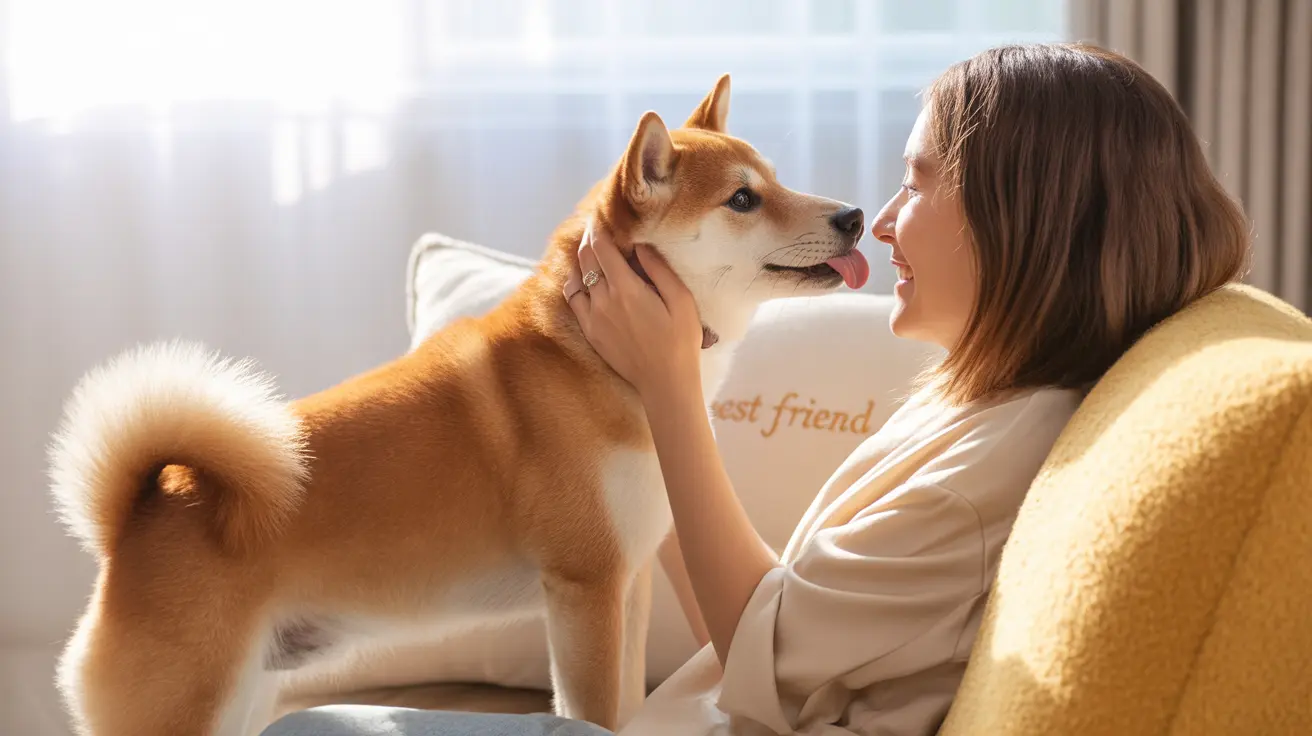
Dogs often lick to show love and trust. It is their way to bond with you and other dogs.
Seeking Attention
Sometimes dogs lick to get your attention. They want you to play or pet them.
- They may lick your hands or face.
- Licking can mean they want food or water.
- It can signal they need to go outside.
Exploring Their Environment
Dogs use their tongue to learn about the world. Licking helps them taste and smell things.
| Reason | Explanation |
| Tasting | Dogs lick objects to understand flavors. |
| Smelling | Licking enhances their sense of smell. |
| Feeling | Licking helps them touch and explore. |
Grooming Habits
Dogs lick themselves to stay clean. Grooming removes dirt and helps heal wounds.
Grooming licking benefits:
- Keeps fur smooth and shiny
- Reduces risk of infection
- Calms nerves and reduces stress

Credit: petnpet.us
Health-related Causes
Dogs lick themselves for many reasons. Sometimes, licking shows health problems. Understanding these causes helps you care for your dog better.
This section covers health-related causes like allergies, oral pain, and stomach issues. Each can make dogs lick more than usual.
Allergies And Skin Irritations
Allergies cause itching and redness on a dog’s skin. Dogs lick the irritated areas to soothe the itch. This licking can make the problem worse.
Common allergens include pollen, dust, food, and fleas. Skin infections can also cause discomfort that leads to licking.
- Red, inflamed skin
- Hair loss in spots
- Frequent scratching and licking
- Scabs or sores from licking
Oral Discomfort
Pain in the mouth causes dogs to lick their lips or paws. Tooth decay, gum disease, or injuries may be the cause. Licking helps them feel some relief.
Watch for bad breath, drooling, or trouble eating. These signs show your dog may have oral health problems.
- Chewing on one side
- Swollen or bleeding gums
- Loose or broken teeth
- Excessive licking around the mouth
Nausea And Digestive Issues
Nausea makes dogs lick their lips or swallow often. Digestive problems like upset stomach or acid reflux cause this feeling. Licking helps calm their discomfort.
Dogs may also vomit or have diarrhea with digestive troubles. Keep an eye on their eating and bathroom habits.
- Excessive lip licking
- Drooling more than usual
- Vomiting or gagging
- Loss of appetite
Emotional Triggers
Dogs use licking as a way to communicate their feelings. This behavior often shows their emotional state. Understanding why dogs lick helps us care for them better.
Several emotional triggers can cause a dog to lick more than usual. These triggers include stress, boredom, and a need for comfort.
Stress And Anxiety
Stress makes dogs lick to calm themselves down. Licking releases endorphins that help reduce anxiety. Dogs may lick their paws, owners, or objects.
- New environments can cause stress licking.
- Loud noises like thunder or fireworks trigger licking.
- Separation from owners often leads to anxious licking.
Boredom And Habit Formation
When dogs feel bored, they lick out of habit. This licking can become a repeated action over time. It fills time and gives them a sense of activity.
| Cause | Effect on Licking |
| Too much alone time | Increased licking to pass time |
| Lack of exercise | Licking as a self-entertainment |
| No toys or stimulation | Habitual licking develops |
Comfort And Security
Licking can bring comfort and a feeling of safety. Dogs lick to soothe themselves and others. It is a way to bond with their owners and pack members.
Signs that licking provides comfort:
- Dog licks owner’s hand gently.
- Licking slows down when the dog feels safe.
- Licking helps dogs relax before sleep.
Communication Through Licking
Dogs use licking as a way to talk without words. It helps them show feelings and send messages.
Licking is a natural behavior that means different things depending on the situation and the dog.
Submission And Respect
Dogs lick others to show they respect them. It is a sign of submission to avoid fights.
- Lower-ranking dogs lick higher-ranking dogs
- Licking signals they accept the other dog’s power
- This helps keep peace in dog groups
Bonding With Owners
Licking strengthens the bond between dogs and their owners. It is a way to show love and trust.
| Reason for Licking | Meaning |
| Face licking | Affection and care |
| Hand licking | Seeking attention |
| Body licking | Comfort and closeness |
Social Signals To Other Dogs
Licking sends messages to other dogs about feelings and intentions. It helps dogs understand each other.
Common social signals through licking include:
- Greeting a friend
- Showing submission
- Asking for play
- Expressing stress or discomfort
When Licking Becomes A Problem
Dogs lick for many reasons like grooming and showing affection. But licking can become a concern if it happens too much. Excessive licking may show health or behavior issues.
Knowing when licking is a problem helps you care for your dog better. Watch for signs that show licking is no longer normal.
Excessive Licking Signs
Too much licking can cause skin problems and discomfort. Look for these signs that licking is excessive:
- Red, raw, or irritated skin
- Bald patches where hair is missing
- Swelling or sores on the skin
- Licking lasts for hours each day
- Dog seems anxious or restless while licking
Potential Behavioral Disorders
Excessive licking may point to behavioral issues. Dogs might lick to cope with stress or boredom. Some common disorders linked to licking include:
- Obsessive-Compulsive Disorder (OCD)
- Anxiety and stress responses
- Compulsive licking caused by boredom
- Attention-seeking behavior
When To Seek Veterinary Help
It is important to see a vet if licking causes harm or lasts too long. Use this table to decide when to get help:
| Condition | Signs to Watch | Action |
| Skin Infection | Redness, sores, bad smell | Visit vet quickly |
| Allergies | Itchy skin, swelling | Consult vet for treatment |
| Behavior Issues | Constant licking, anxiety | Seek vet or behaviorist advice |
| Self-Harm | Bald spots, bleeding | Get immediate veterinary care |
Credit: www.petscare.com
Ways To Manage Licking Behavior
Dogs often lick to communicate or explore. It is common behavior but can be managed.
Understanding why your dog licks helps in addressing the behavior. Here are some ways to manage it.
Training Techniques
Training your dog can help in reducing excessive licking. Consistency and patience are key.
- Use positive reinforcement to reward non-licking behavior.
- Teach the “leave it” command to redirect attention.
- Provide chew toys as alternatives to licking.
Providing Mental Stimulation
Mental stimulation keeps your dog engaged and reduces licking. Engage them with activities.
Puzzle toys and interactive games are excellent for mental exercise.
Addressing Medical Issues
Sometimes, licking is due to medical issues. Identifying these is important.
| Issue | Action |
| Allergies | Consult a vet for allergy tests |
| Infections | Get appropriate treatment from a vet |
| Pain | Check for injuries and seek medical advice |
Frequently Asked Questions
Why Do Dogs Lick People Frequently?
Dogs lick people to show affection, seek attention, or communicate. It’s a natural behavior rooted in bonding and social interaction.
Is Excessive Dog Licking A Sign Of Health Issues?
Yes, excessive licking may indicate allergies, anxiety, or pain. Consult a vet if licking seems obsessive or unusual.
Can Dog Licking Spread Diseases To Humans?
Dog licking can spread bacteria, but infections are rare. Maintain hygiene by washing hands after licking to reduce risks.
How Can I Stop My Dog From Licking Constantly?
Redirect licking with toys or commands. Consistent training and positive reinforcement help reduce unwanted licking behavior effectively.
Conclusion
Dogs lick for many reasons. They show love, ask for attention, or explore the world. Sometimes, licking means stress or health issues. Watch your dog’s behavior closely. Knowing why your dog licks helps build a stronger bond. Always respond with kindness and care.
Understanding this habit makes your time together better. Keep learning about your dog’s needs every day. This simple act tells a bigger story. Dogs speak with their tongues, and we must listen.

Emily Barker is the founder of ChillDogLife.com, a space dedicated to helping pup parents discover the best dog products, lifestyle tips, and cozy ideas for happier homes.
A lifelong dog lover, Emily combines her passion for pets with a knack for research to share trusted recommendations on everything from toys and furniture to health and everyday care.
Her goal is simple: to make life easier, stylish, and more joyful for dogs and the people who love them.




