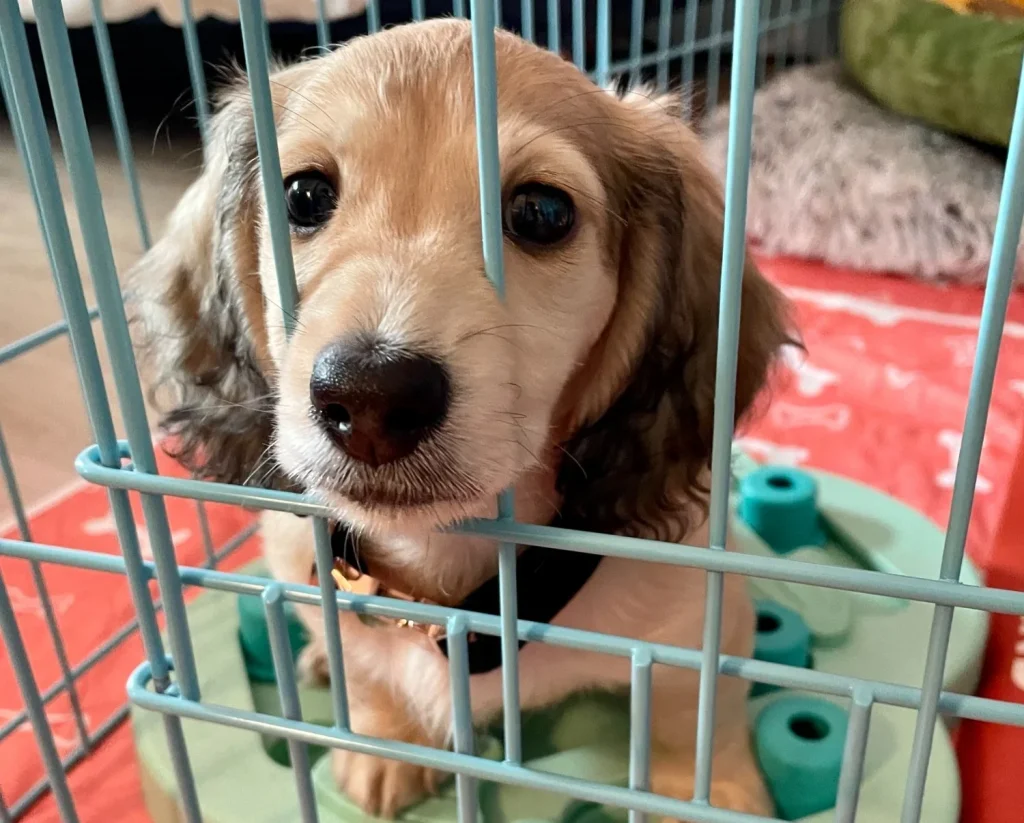
If your dog whines every time they’re in their crate, you know how frustrating it can be. You want your furry friend to feel safe and calm, but instead, the whining just won’t stop.
What if you could change that? Imagine your dog settling quietly, enjoying their crate as a cozy space. You’ll discover simple, effective ways to help your dog stop whining in the crate—methods that respect your dog’s feelings and make crate time peaceful for both of you.
Keep reading to find out how to turn crate time into a happy time.

Credit: zigzag.dog
Reasons Dogs Whine In Crates
Understanding why your dog whines in their crate is key to addressing the behavior effectively. Whining is a form of communication, and your dog is trying to tell you something important. Identifying the root cause helps you respond in a way that makes your dog feel safe and comfortable, reducing stress for both of you.
Separation Anxiety
Many dogs whine in their crate because they feel anxious being alone. Separation anxiety can cause intense distress when your dog is away from you. They might pace, bark, or whine to express their discomfort and desire to be near you.
Ask yourself: does your dog calm down when you return, or do they seem overly stressed just before you leave? If anxiety is the cause, gradual crate training and creating positive associations with being alone can help reduce whining over time.
Need For Bathroom
Sometimes whining signals a simple need to go outside. Puppies and senior dogs have smaller bladders and may need more frequent bathroom breaks. Ignoring this can lead to accidents and increased stress for your dog.
Consider your dog’s feeding and potty schedule. If whining happens shortly after being crated, a quick bathroom break might be the solution you need. Keeping a consistent routine can prevent these interruptions.
Boredom Or Discomfort
Your dog might whine because they’re bored or uncomfortable in the crate. Lack of mental stimulation or physical discomfort can make any space unpleasant. If your dog hasn’t had enough exercise before crate time, their energy can turn into restlessness and noise.
Try adding chew toys or a comfortable bed inside the crate. Ensure the crate is the right size—not too big or too small. You may find that a tired dog whines much less.
Seeking Attention
Dogs quickly learn that whining can get your attention. If you respond every time, even with a simple word or look, your dog may keep whining to get you to interact with them. This can create a loop where whining becomes a way to demand attention.
Ask yourself if you’ve unintentionally rewarded the behavior. Ignoring whining while rewarding quiet behavior can teach your dog to wait calmly for your attention instead.
Preparing The Crate Environment
Preparing the crate environment is key to reducing your dog’s whining. A calm and inviting space helps your dog feel safe and secure. Setting up the crate right can make all the difference.
Choosing The Right Crate Size
Select a crate that fits your dog comfortably. It should be big enough to stand, turn around, and lie down. Avoid crates that are too large, as dogs may use extra space as a bathroom spot.
A crate that is too small can cause discomfort and stress. Measure your dog’s length and height before buying. A proper fit encourages your dog to rest calmly inside.
Adding Comfort And Familiar Scents
Place soft bedding inside the crate to add comfort. Use blankets or dog beds that your pet likes. A cozy spot invites your dog to relax and stay calm.
Add items that carry your scent or your dog’s smell. This can include worn t-shirts or favorite toys. Familiar scents reduce anxiety and make the crate feel like home.
Creating A Positive Space
Make the crate a place your dog enjoys. Feed meals inside the crate to build positive feelings. Offer treats and praise when your dog enters the crate willingly.
Avoid using the crate for punishment. The goal is to make your dog love their space. A positive crate environment helps reduce whining and builds trust.
Training Techniques To Reduce Whining
Training your dog to stop whining in the crate requires patience and the right approach. Using effective techniques can help your dog feel safe and comfortable, reducing their anxiety and need to whine. These strategies focus on building positive associations and clear expectations for your pet.
Gradual Crate Introduction
Start by letting your dog explore the crate at their own pace. Keep the door open and place familiar toys or blankets inside to make it inviting. Spend short periods encouraging your dog to enter willingly, gradually increasing the time they stay inside with the door closed.
This slow introduction helps your dog see the crate as a safe place, not a punishment. Have you noticed your dog’s body language when they first enter the crate? Use that to guide your pace.
Using Treats And Rewards
Positive reinforcement is a powerful tool to reduce whining. Reward your dog with treats, praise, or petting whenever they enter the crate quietly or stay calm inside. This builds a strong connection between good behavior and positive outcomes.
You can also give treats through the crate bars or toss a special chew toy inside to keep them engaged. Remember, timing is key—offer rewards immediately to make the link clear.
Establishing A Consistent Routine
Dogs thrive on predictability, so set a regular schedule for crate time. Feed meals, play, and crate sessions at consistent times each day. This routine helps your dog understand when crate time happens and reduces confusion or anxiety.
Consistency also means responding the same way when your dog whines. Avoid letting them out immediately every time, or you risk reinforcing the whining. Instead, wait for a moment of quiet before opening the crate.
Credit: www.dogsavvylosangeles.com
Calming Methods During Crate Time
Crate time can cause stress for some dogs, leading to whining. Calming methods help make this time peaceful and comforting. These techniques reduce anxiety and encourage dogs to relax inside their crate.
Creating a calm environment is key. The following calming methods help your dog feel safe and quiet during crate time.
Playing Soothing Music
Soft music can lower a dog’s stress levels. Choose gentle tunes or classical music to create a peaceful atmosphere. Keep the volume low to avoid startling your pet. Music helps distract your dog from loneliness and soothes their nerves.
Using Calming Aids
Calming aids support relaxation during crate time. You can try pheromone sprays or diffusers made for dogs. These products release scents that mimic a mother dog’s calming signals. Another option is a snug, calming wrap that applies gentle pressure. These aids help reduce whining by easing anxiety.
Providing Chew Toys
Chew toys keep your dog busy and calm inside the crate. Choose safe, durable toys that your dog enjoys. Chewing releases stress and prevents boredom. Rotate toys regularly to keep your dog interested. Chew toys make crate time a positive experience.
Handling Whining Without Reinforcing It
Handling whining in a crate is a delicate balance. You want to make sure your dog feels safe and cared for, but you also don’t want to encourage constant whining. The key is to address your dog’s needs without making whining the way to get your attention.
Ignoring Attention-seeking Whines
Not every whine deserves a response. Sometimes dogs whine simply to get your attention or because they’re bored. If you respond every time, you teach your dog that whining works.
Try to wait for a quiet moment before giving your dog attention. This can be tough, especially when the whining feels urgent. But your calm and consistent reaction will help your dog understand that silence, not whining, gets rewarded.
Responding To Genuine Needs
Distinguishing between attention-seeking and genuine needs is crucial. If your dog whines because they need to go outside or are uncomfortable, ignoring them isn’t kind.
Look for signs like pacing, scratching at the crate door, or unusual restlessness. When you see these, it’s time to act. Meeting real needs promptly teaches your dog that whining isn’t necessary when they’re truly in distress.
Avoiding Negative Reactions
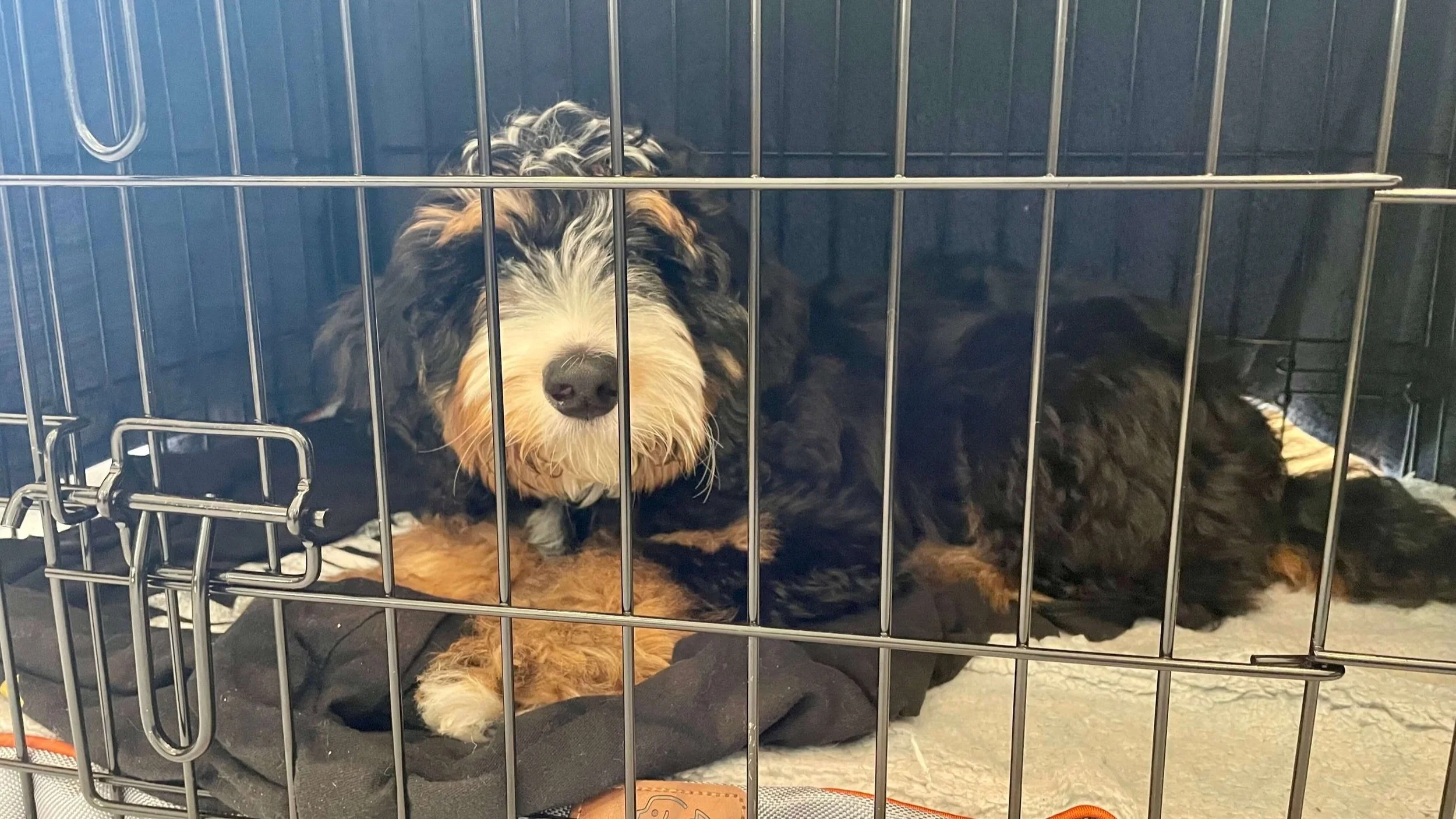
Reacting with anger or frustration can worsen whining. Yelling or scolding can increase your dog’s anxiety, making the whining louder and more frequent.
Instead, use a calm and soothing tone. Your dog picks up on your emotions. Staying relaxed helps them feel secure and reduces the urge to whine for attention.
Credit: www.dogsavvylosangeles.com
When To Seek Professional Help
Knowing when to seek professional help is key for your dog’s well-being. Persistent whining in a crate might signal deeper issues. Early intervention prevents stress from growing worse. Watch your dog’s behavior closely and act accordingly.
Signs Of Severe Anxiety
- Constant barking or whining beyond normal adjustment time
- Destructive behavior inside or outside the crate
- Excessive drooling or panting when crated
- Attempts to escape the crate repeatedly
- Loss of appetite or refusal to enter the crate
These signs show your dog may have serious anxiety. Ignoring them can harm your pet’s mental health. Acting early helps your dog feel safe and calm.
Consulting A Trainer Or Vet
Professional trainers understand how to address crate anxiety effectively. They offer tailored plans to reduce whining and fear.
Veterinarians can check for medical causes behind the behavior. They might suggest medication or therapy to ease anxiety.
Working with experts improves your dog’s comfort and your peace of mind. Don’t hesitate to reach out when problems persist.
Frequently Asked Questions
Why Do Dogs Whine In Crates?
Dogs often whine in crates due to anxiety, discomfort, or the need for attention. They may feel confined or unsure about their surroundings. Ensuring a comfortable environment, providing toys, and gradually acclimating them can help. Addressing their needs and creating a positive crate experience can reduce whining.
How Can I Calm My Dog In A Crate?
To calm your dog in a crate, use familiar toys and blankets. Maintain a consistent routine to build trust. Try playing soothing music or using a calming spray. Gradually increase crate time while offering treats for positive reinforcement. This helps your dog associate the crate with comfort.
What Should I Avoid When My Dog Whines?
Avoid yelling or letting the dog out immediately. This can reinforce whining behavior. Instead, remain calm and ignore the whining until it stops. Once your dog is quiet, reward them with praise or a treat. This approach encourages positive behavior and reduces future whining.
How Long Does Crate Training Take?
Crate training duration varies for each dog, typically taking a few days to several weeks. Consistency is key. Start with short sessions, gradually increasing time spent in the crate. Be patient and provide positive reinforcement. Each dog is unique, so adapt the process to your pet’s comfort level.
Conclusion
Stopping a dog from whining in a crate takes time and patience. Consistent training helps your dog feel safe and calm inside. Use treats and praise to reward quiet behavior. Avoid letting your dog out while whining. Create a cozy, comfortable space in the crate.
Remember, every dog learns at their own pace. Keep routines steady and stay calm yourself. Soon, your dog will enjoy their crate as a peaceful place. Patience and kindness make all the difference.

Emily Barker is the founder of ChillDogLife.com, a space dedicated to helping pup parents discover the best dog products, lifestyle tips, and cozy ideas for happier homes.
A lifelong dog lover, Emily combines her passion for pets with a knack for research to share trusted recommendations on everything from toys and furniture to health and everyday care.
Her goal is simple: to make life easier, stylish, and more joyful for dogs and the people who love them.




