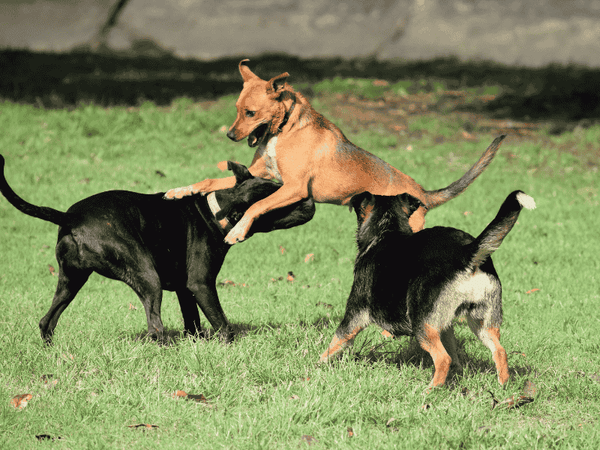
If you have an older dog, you might wonder if it’s too late to help them make new friends or feel more comfortable around people and other animals. The good news is, it’s never too late to socialize your furry friend.
But how do you do it without causing stress or frustration? You’ll discover simple, effective ways to help your older dog build confidence and enjoy new social experiences. Keep reading to learn how you can make a big difference in your dog’s happiness and well-being.
Assess Your Dog’s Temperament
Assessing your older dog’s temperament is a crucial step before introducing new social experiences. Understanding their emotional baseline helps you tailor interactions that feel safe and positive. This careful observation prevents overwhelming your dog and builds trust as you move forward.
Identify Fear Triggers
Start by watching how your dog reacts in different environments. Does your dog shy away from loud noises, strangers, or sudden movements? Pinpointing these fear triggers lets you avoid or gently expose your dog to them at a comfortable pace.
For example, I noticed my older dog freezes and tucks his tail when meeting new people. Recognizing this early helped me introduce him to visitors slowly, using treats and calm praise to ease his anxiety. What specific situations make your dog pull back or hide?
Recognize Stress Signs
Stress in dogs can show in many ways beyond barking or growling. Look for subtle signals like lip licking, yawning, pacing, or avoiding eye contact. These clues tell you when your dog feels uneasy before their behavior escalates.
Once, during a park visit, I saw my dog start yawning and turning away from a playful group of dogs. Noticing these signs early let me step in and give him a break before he became overwhelmed. Are you tuned in to your dog’s quieter signals of stress?
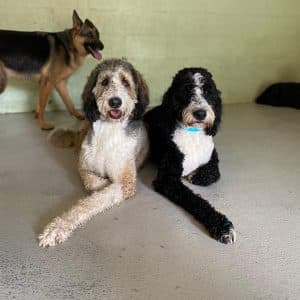
Credit: www.houndslounge.com
Start With Controlled Environments
Starting socialization with your older dog in controlled environments sets the stage for positive experiences. It helps your dog feel safe and confident while meeting new people or animals. This approach reduces stress and builds trust, making socialization more effective.
Use Familiar Spaces
Begin social sessions in places your dog already knows well. A favorite room at home or a quiet backyard can be ideal.
This comfort zone lowers anxiety and allows your dog to focus on the new social interaction rather than the surroundings.
Think about the last time your dog relaxed around guests in your living room—this is the kind of calm you want to recreate.
Limit Distractions
Keep the environment free from loud noises, fast movements, or too many people. Distractions can overwhelm your dog and hinder social progress.
Try short, calm introductions with one or two people or dogs at a time. This helps your older dog process new experiences without feeling rushed.
Have you noticed how your dog reacts better to quiet, slow introductions rather than busy, noisy gatherings? Use that insight to guide your socialization plan.
Introduce New Experiences Gradually
Introducing new experiences to an older dog requires patience and care. Sudden changes can overwhelm them, leading to fear or anxiety. By taking things slow, you help your dog build confidence and enjoy socializing without stress.
Short Social Sessions
Keep social sessions brief to prevent your dog from feeling tired or overstimulated. Start with just a few minutes of interaction in a calm environment. Gradually increase the length as your dog becomes more comfortable.
For example, invite a calm friend over for a short visit instead of a large gathering. Watch your dog's body language closely—if they seem uneasy, end the session early. This approach helps your dog associate social time with positive feelings.
Positive Reinforcement Techniques
Reward your dog immediately for calm and friendly behavior during social interactions. Use treats, gentle praise, or their favorite toy to reinforce good experiences. This encourages them to seek out social moments rather than avoid them.
Try pairing new experiences with rewards so your dog learns to expect something pleasant. If your dog meets another dog or person, give a treat right after. Over time, your dog will connect socializing with positive outcomes, making it easier for you both.
Encourage Calm Interactions
Encouraging calm interactions is key when socializing an older dog. Older dogs may feel overwhelmed more easily than younger pups, so creating peaceful moments helps them build positive experiences with new people and pets. You’ll find that patience and consistency make a big difference in how your dog reacts to social situations.
Teach Gentle Greetings
Start by showing your dog how to greet others gently. Use treats to reward calm behavior when someone approaches. If your dog jumps or gets too excited, turn away and wait for them to settle before allowing the greeting.
Try practicing with friends or family members who understand your dog’s needs. Ask them to keep their hands low and avoid sudden movements. This helps your dog feel safe and learn that greetings don’t have to be overwhelming.
Manage Overexcitement
Overexcitement can cause stress or even aggression in older dogs. Watch for signs like barking, lunging, or frantic tail wagging. When you notice these signs, calmly redirect your dog’s attention with commands or toys.
Use short, controlled play sessions to help your dog burn off excess energy before social events. This can prevent your dog from becoming too hyped up when meeting new friends. How often do you pause a social interaction to check if your dog needs a break?
Involve Other Dogs And People
Socializing an older dog involves introducing them to other dogs and people gently. This helps build their confidence and improves their behavior. Careful planning makes these interactions positive and stress-free. Older dogs may take longer to adjust, so patience is key.
Select Compatible Playmates
Choose dogs that match your dog’s size and energy level. Calm and friendly dogs work best for older dogs. Avoid overly active or aggressive playmates to prevent stress or injury. Look for dogs with good social skills and gentle behavior. Meeting in a neutral place helps avoid territorial issues.
Supervise Initial Meetings
Always watch the first interactions closely. Keep dogs on a leash at first to control the situation. Watch their body language for signs of comfort or stress. Step in quickly if tension or fear appears. Praise calm and friendly behavior to encourage good habits.
Use Training Tools Wisely
Training tools help guide older dogs during socialization. Use these tools with care to build trust. Choose tools that suit your dog’s size and personality. Avoid tools that cause fear or discomfort. Proper use creates a positive learning space for your dog.
Harnesses And Leashes
Harnesses offer better control without hurting your dog’s neck. They distribute pressure evenly, making walks safer and more comfortable. Use a leash that is sturdy but light enough to handle. Avoid retractable leashes to keep your dog close and secure. This helps your dog feel safe in new environments.
Reward-based Training Aids
Use treats and clickers to encourage good behavior. Positive reinforcement builds confidence and makes learning fun. Choose small, tasty treats your dog loves. Reward immediately after the desired action to connect behavior with the treat. This method helps older dogs learn new social skills quickly.
Be Patient And Consistent
Socializing an older dog requires patience and consistency. Older dogs may have established habits and fears that take time to change. Your calm and steady approach can build trust and help your dog feel safe in new social settings.
Set Realistic Goals
Start by setting small, clear goals for your dog’s socialization. Instead of pushing your dog into large groups right away, aim for brief, positive interactions with one new dog or person at a time. This approach helps prevent overwhelm and builds confidence gradually.
Ask yourself what success looks like for your dog. Is it calmly sniffing another dog? Sitting quietly near strangers? Define these milestones so you can celebrate progress, no matter how small.
Track Progress Regularly
Keep a simple log of each socialization attempt. Note your dog’s reactions, duration of interaction, and any signs of stress or enjoyment. This record helps you see patterns and adjust your approach if needed.
By tracking progress, you’ll notice improvements that might be easy to miss day-to-day. It also motivates you to stay consistent, especially on tougher days. Have you ever felt like your efforts weren’t making a difference, only to find your notes showed steady progress?
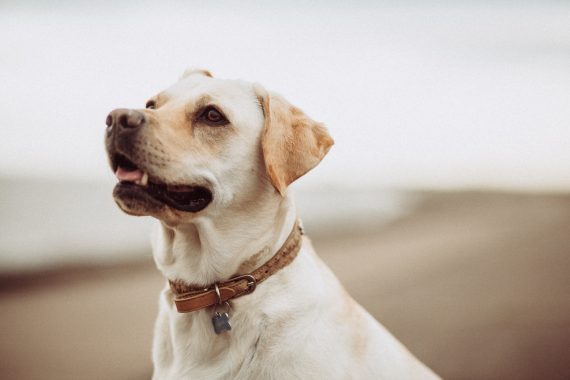
Credit: www.dogtopia.com
Seek Professional Help When Needed
Socializing an older dog can be challenging, and sometimes you might hit a wall despite your best efforts. Knowing when to seek professional help can make a huge difference in your dog’s progress and overall happiness. Professionals bring experience and tools that you might not have, helping you tailor socialization to your dog’s unique needs.
Consult Behaviorists
Behaviorists specialize in understanding and changing dog behaviors. They can identify underlying issues like fear, anxiety, or past trauma that might be blocking your dog from socializing comfortably.
Working with a behaviorist gives you a clear plan backed by science and experience. They often use gradual exposure techniques and reward-based training tailored specifically for your dog’s personality.
Have you noticed your dog reacts strongly to certain situations? A behaviorist can help you address these triggers safely, making socialization less stressful for both of you.
Join Socialization Classes
Socialization classes provide a controlled environment where your older dog can meet other dogs and people under professional supervision. These classes often focus on positive interactions and teach you how to manage social situations effectively.
Being in a group setting also helps your dog learn social cues from other dogs, which is crucial for building confidence and good manners. Plus, you get to connect with other dog owners who share your challenges and successes.
Have you considered how a structured class might change your dog’s social habits? Sometimes, the right environment and expert guidance can unlock progress you didn’t think was possible.
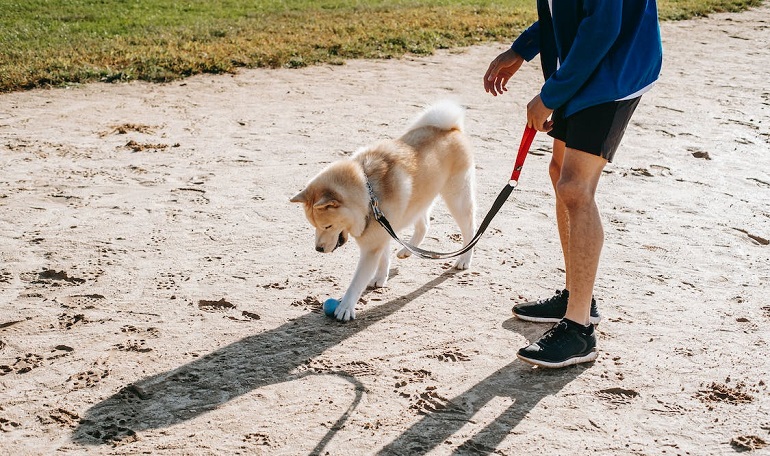
Credit: worldanimalfoundation.org
Frequently Asked Questions
How Can I Socialize My Senior Dog?
Socializing a senior dog involves gradual exposure to new experiences. Start with calm environments and introduce new people and pets slowly. Consistency and patience are key. Use positive reinforcement to encourage good behavior. Be mindful of your dog’s comfort level and never force interactions.
Is It Too Late To Socialize An Older Dog?
It’s never too late to socialize an older dog. While it may take more time and patience, senior dogs can still learn to adapt to new environments and experiences. Focus on gentle, positive interactions and gradually increase exposure to new situations.
What Are The Benefits Of Socializing An Older Dog?
Socializing an older dog can reduce anxiety and improve behavior. It helps them feel more comfortable in various environments and enhances their quality of life. Socialized dogs are often happier and more confident, which contributes to a stronger bond with their owners.
How Do I Introduce My Older Dog To Other Dogs?
Introduce your older dog to other dogs slowly and in a controlled manner. Start with calm, neutral settings and keep initial meetings short. Monitor their body language and behavior closely. Reward positive interactions with treats and praise to reinforce good behavior.
Conclusion
Socializing an older dog takes time and patience. Start slow and keep sessions short. Use treats and praise to encourage good behavior. Watch your dog’s body language to avoid stress. Consistency helps build trust and confidence. Every dog learns at their own pace.
Enjoy the process and celebrate small wins. Older dogs can still make new friends. Socializing improves their happiness and health. Keep trying, stay calm, and be kind. Your efforts will make a big difference.

Emily Barker is the founder of ChillDogLife.com, a space dedicated to helping pup parents discover the best dog products, lifestyle tips, and cozy ideas for happier homes.
A lifelong dog lover, Emily combines her passion for pets with a knack for research to share trusted recommendations on everything from toys and furniture to health and everyday care.
Her goal is simple: to make life easier, stylish, and more joyful for dogs and the people who love them.




