
Is your dog chewing on the walls and driving you crazy? You’re not alone.
This common problem can damage your home and leave you feeling frustrated. But don’t worry—there are simple, effective ways to stop this behavior. You’ll discover practical tips that work, helping you protect your walls and keep your furry friend happy.
Keep reading to find out how to take control and bring peace back to your home.

Credit: www.reddit.com
Reasons Dogs Chew Walls
Dogs chew walls for several reasons. Understanding why helps you stop this behavior. Chewing can signal a need or issue your dog faces.
Some dogs chew out of boredom or because they lack enough activities. Others chew when they feel anxious or stressed. Puppies chew to ease teething pain. Nutritional gaps can also cause chewing urges.
Boredom And Lack Of Stimulation
Dogs need mental and physical activities daily. Without enough playtime or walks, they get bored. Chewing walls becomes a way to pass time and stay busy. Providing toys and regular exercise reduces this problem.
Anxiety And Stress
Stress triggers many unwanted dog behaviors. Separation from owners or loud noises can cause anxiety. Chewing walls offers comfort and distraction during these moments. Recognizing stress signs helps manage this chewing habit.
Teething In Puppies
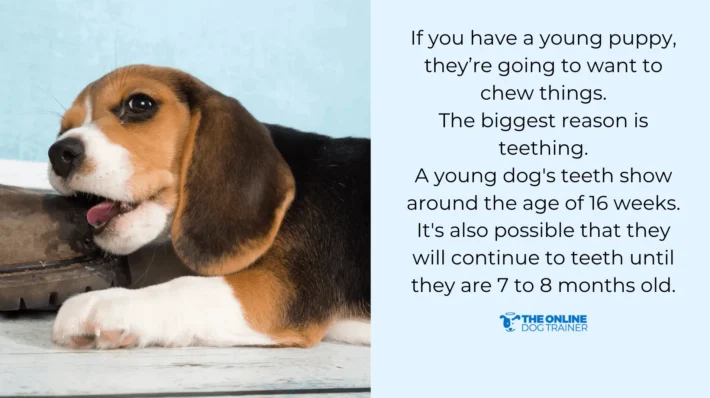
Puppies lose baby teeth and grow adult ones. This process causes gum pain and discomfort. Chewing relieves this pain and soothes their gums. Offering safe chew toys helps puppies avoid walls.
Nutritional Deficiencies
Missing nutrients affect a dog’s health and behavior. Sometimes dogs chew non-food items due to mineral or vitamin lacks. Balanced diets and vet check-ups prevent chewing caused by health issues.
Signs Your Dog Is Chewing Walls
Noticing signs that your dog is chewing the walls early can save you a lot of frustration and repair costs. Dogs often leave subtle clues before the damage becomes obvious. Watching closely for these signs helps you intervene quickly and protect your home.
Visible Damage And Paint Chips
One of the clearest signs is visible damage on your walls. You might see bite marks, scratches, or missing chunks of paint. These spots often appear near the baseboards or corners where dogs can reach easily.
Look for small piles of paint chips or plaster dust on the floor. These are clear giveaways that your dog has been gnawing. If you notice these, it’s time to take action before the damage worsens.
Chewing Sounds
Pay attention to unusual sounds in your home, especially when your dog is alone. A repetitive chewing or gnawing noise can indicate wall chewing. This often happens when your dog feels anxious or bored.
Try to catch these sounds during quiet moments. Recording your dog’s behavior when you’re away might reveal this habit. Recognizing this early helps you address the root cause sooner.
Behavioral Changes
Changes in your dog’s behavior often accompany wall chewing. You might notice increased restlessness, pacing, or excessive licking of paws. These signs can point to stress or anxiety, which often triggers destructive habits.
If your dog starts avoiding their usual resting spots or seems more agitated, watch closely. These behaviors often appear before or alongside wall chewing. Understanding your dog’s emotional state can guide you to better solutions.
Preventing Wall Chewing
Preventing a dog from chewing the wall requires smart choices and good habits. Dogs often chew walls out of boredom, anxiety, or lack of exercise. Stopping this behavior starts with giving your dog healthy outlets and a safe environment. Focus on meeting your dog’s physical and mental needs to reduce wall chewing.
Provide Adequate Exercise
Exercise helps burn energy and lowers stress in dogs. Take your dog for daily walks or play fetch in the yard. Use simple games to keep your dog active and tired. A tired dog is less likely to chew walls out of boredom.
Offer Chew Toys
Chew toys give dogs a safe way to satisfy their need to chew. Choose toys that are durable and safe for your dog’s size. Rotate toys regularly to keep your dog interested. Praise your dog when they chew toys instead of walls.
Create A Safe Space
Designate a comfortable area for your dog to relax. Use a crate or a quiet room with their bed and toys. A safe space helps reduce anxiety, a common reason for chewing. Make this area inviting and stress-free for your dog.
Use Bitter Sprays
Bitter sprays discourage dogs from chewing unwanted items. Apply the spray on wall areas your dog targets. The unpleasant taste helps teach your dog to avoid chewing there. Reapply the spray often, especially after cleaning the walls.
Training Techniques To Stop Chewing
Training a dog to stop chewing walls requires patience and clear communication. Dogs chew to explore, relieve boredom, or ease anxiety. Using training techniques helps guide your dog toward better habits. Consistent efforts build trust and understanding. The following techniques focus on teaching your dog what is acceptable to chew and what is not.
Positive Reinforcement
Reward your dog when it chews on the right items, like toys or bones. Use treats, praise, or petting as rewards. This encourages your dog to repeat good behavior. Avoid punishment, as it may cause fear or confusion. Consistent rewards help your dog learn faster.
Redirecting Attention
Offer a chew toy when your dog starts biting the wall. Gently take your dog away from the wall and give the toy. Encourage chewing on the toy by playing or praising. This shifts their focus and satisfies their need to chew. Keep many toys available in places your dog visits often.
Consistency In Commands
Use the same words or signals to tell your dog to stop chewing walls. Everyone in the home should use these commands consistently. Repeat the command calmly and firmly every time the dog chews the wall. Reward your dog when it obeys. Consistency helps your dog understand rules better.
Managing Anxiety And Stress
Chewing the walls often signals that your dog is struggling with anxiety or stress. Addressing these emotions can reduce destructive behaviors significantly. Understanding what triggers your dog’s stress is the first step to helping them feel safe and relaxed.
Calming Products And Supplements
Calming products like pheromone diffusers, anxiety wraps, and calming collars can soothe your dog’s nerves. Supplements containing ingredients like chamomile, valerian root, or CBD oil may also help reduce anxiety. Always check with your vet before adding supplements to your dog’s routine to ensure safety and proper dosage.
Routine And Environment
Dogs thrive on consistency. Setting a daily routine with regular feeding, walks, and playtime helps your dog know what to expect, reducing anxiety. Creating a calm environment—like a quiet corner with their bed and favorite toys—can provide a safe haven when they feel overwhelmed.
Professional Help
If stress and anxiety persist, consider consulting a professional trainer or a veterinary behaviorist. They can offer personalized strategies and behavior modification plans tailored to your dog’s needs. Have you noticed if your dog’s chewing spikes during specific events like thunderstorms or when left alone? Sharing these details helps professionals pinpoint triggers faster.
Credit: theonlinedogtrainer.com
Repairing Wall Damage
Repairing wall damage caused by a dog chewing requires careful attention. Fixing the damage quickly stops further problems. It also restores the look of your home.
Start by cleaning and preparing the damaged area. This step helps new materials stick well. Then fill holes and cracks to make the surface smooth. Finally, paint and finish the area for a fresh look.
Cleaning And Preparing Surfaces
Remove loose paint, dirt, and debris from the damaged wall. Use a scraper or sandpaper for rough edges. Wipe the area with a damp cloth to clear dust. Let the wall dry completely before the next step.
Filling Holes And Cracks
Choose a wall filler or spackling paste suitable for your wall type. Apply the filler with a putty knife, pressing it into holes and cracks. Smooth the surface to blend with the wall. Allow the filler to dry as per product instructions. Sand the area lightly for an even finish.
Painting And Finishing
Select paint that matches your wall color and finish. Use a primer if the repaired area is large or uneven. Apply paint evenly using a brush or roller. Let the first coat dry, then add a second coat if needed. Check the area for smoothness and touch up as required.

Credit: www.reddit.com
Frequently Asked Questions
Why Do Dogs Chew Walls?
Dogs may chew walls due to boredom, anxiety, or teething. Addressing these underlying causes can help stop the behavior. Providing toys, regular exercise, and mental stimulation can redirect their focus. Consulting a veterinarian or dog trainer can also offer insights tailored to your dog’s needs.
How Can I Prevent Wall Chewing?
Prevent wall chewing by providing chew toys and regular exercise. Consistent training and positive reinforcement can help redirect their attention. Use deterrent sprays on walls to make them unappealing. Regularly engage your dog in activities to keep them mentally stimulated and reduce destructive behavior.
What Are Safe Alternatives For Dogs To Chew?
Safe alternatives include rubber toys, nylon bones, and dental chews. These items are designed for durability and safety. Offering a variety of textures can keep your dog engaged. Always supervise your dog with new toys to ensure they don’t break and become a choking hazard.
Can Anxiety Cause Wall Chewing In Dogs?
Yes, anxiety can cause wall chewing. Dogs may chew to relieve stress or when left alone. Identifying anxiety triggers and addressing them can reduce this behavior. Consider consulting a veterinarian or dog behaviorist for tailored strategies to manage your dog's anxiety effectively.
Conclusion
Stopping your dog from chewing walls takes patience and care. Provide plenty of toys to keep your dog busy. Praise good behavior often to encourage it. Watch your dog closely and redirect chewing to toys. Use safe deterrents to protect your walls.
Remember, consistency is key for lasting results. Your dog will learn what is okay to chew. Enjoy a happy home with less damage and stress. Keep trying, and your dog will improve day by day.

Emily Barker is the founder of ChillDogLife.com, a space dedicated to helping pup parents discover the best dog products, lifestyle tips, and cozy ideas for happier homes.
A lifelong dog lover, Emily combines her passion for pets with a knack for research to share trusted recommendations on everything from toys and furniture to health and everyday care.
Her goal is simple: to make life easier, stylish, and more joyful for dogs and the people who love them.




